For experienced investors, the New Year's resolutions focus on optimizing existing financial strategies by reviewing tax strategies, capturing charitable deductions, actively managing tax-loss harvesting, eliminating cash drag in tax-advantaged accounts, and adjusting insurance coverage to match current needs, all aimed at protecting and growing their wealth efficiently in 2026.

As the year-end approaches, investors can still implement certain tax strategies such as tax-loss or gain harvesting and Roth IRA conversions, but most actions must be completed by December 31 to impact 2025 taxes, with some exceptions like IRA contributions that can be made by the tax deadline in 2026.
Despite this year's losses, many stocks are likely to outperform in November due to tax-loss harvesting strategies, with historical data supporting a potential rebound for underperformers after October. The article highlights the importance of stock-specific analysis and the impact of tax strategies on market movements, especially in a year where a significant portion of stocks are down but overall indices are up.
Selling long-term Treasurys in a taxable account before the end of the year can help investors harvest a tax loss to offset capital gains. By selling and repurchasing a different long-term Treasury ETF after the 30-day wash sale rule expires, investors can maintain exposure to long-term Treasurys while avoiding violating the rule. Care must be taken to choose a substitute ETF that is not "substantially identical" to the one sold. ETFs provide a convenient option for finding similar but not identical assets to harvest tax losses while maintaining portfolio exposure.
Direct indexing, an investment strategy once reserved for the wealthy, is now becoming accessible to Main Street investors. By buying individual stocks to replicate an index like the S&P 500 or Russell 2000, investors can customize their portfolios and exclude companies that don't align with their views. Direct indexing also offers tax-saving benefits through tax-loss harvesting, where investors sell losing stocks to offset capital gains. With technology advancements and low trading costs, more people can now take advantage of direct indexing to potentially save thousands of dollars in taxes each year.
President Joe Biden opposes a debt ceiling deal proposed by Republicans that would allegedly benefit crypto traders through tax-loss harvesting. The White House has proposed ending the mechanism for cryptocurrency transactions, which would add about $40 billion in tax revenue for the U.S. government. Republicans reject the proposal, claiming the U.S. debt rise is a "spending problem, not a revenue problem." If Congress fails to raise the debt ceiling, the U.S. could default as early as June 1.
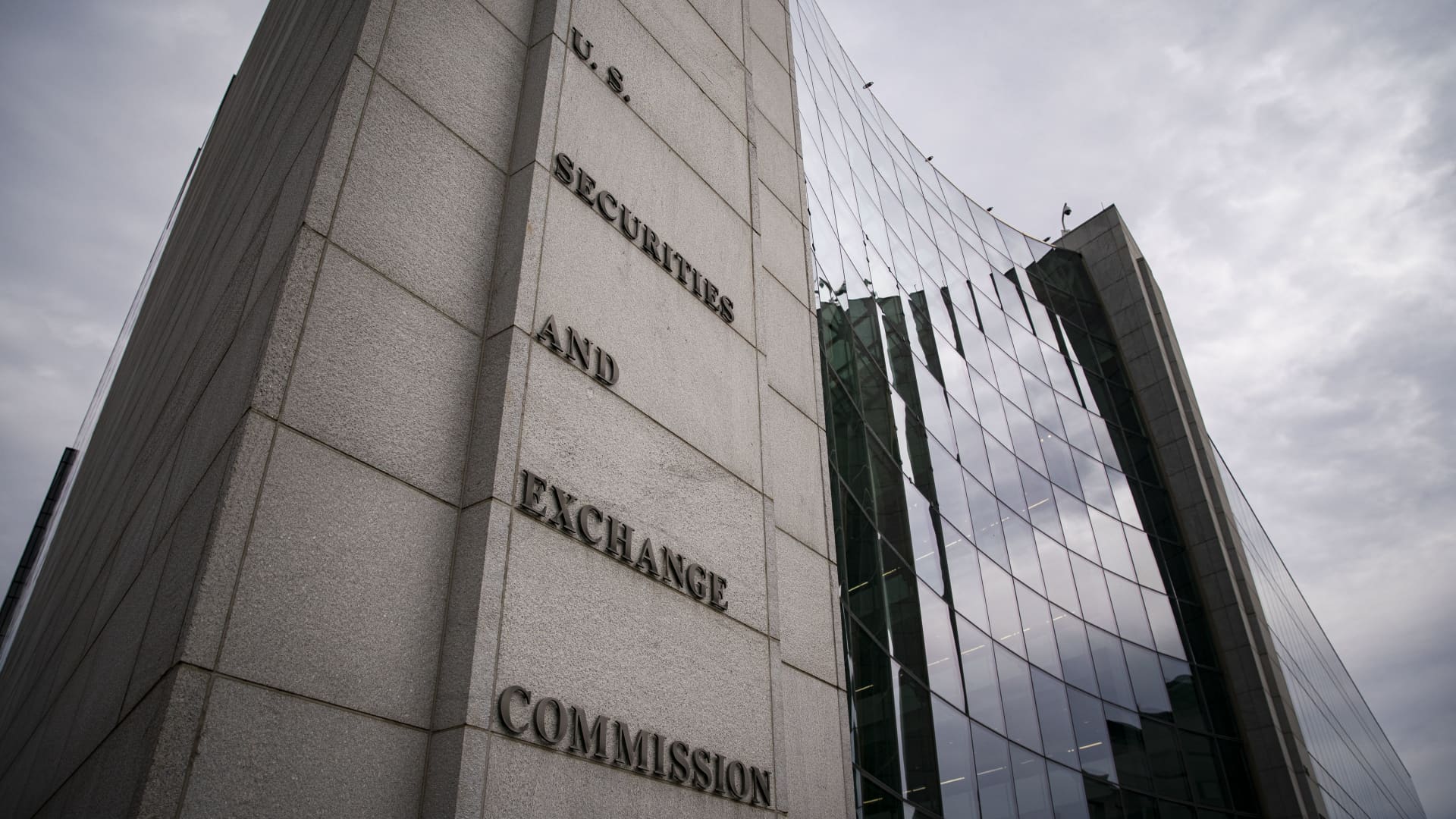
Robo-advisor Betterment has agreed to pay $9m to settle charges with the US Securities and Exchange Commission (SEC) that it misled customers about its tax-loss harvesting service. The SEC alleged that Betterment "misstated or omitted several material facts" in client communications concerning its tax-loss harvesting service. The service saved hundreds of millions of dollars in taxes for more than 275,000 customers who have used it since it was introduced in 2014.