Approximately 200 Mississippi National Guard soldiers have been deployed to Washington, D.C., following President Trump's executive order to federalize local police and activate about 800 D.C. National Guard members.
Mississippi Governor Tate Reeves has opted out of a federal summer food program for children, citing opposition to expanding the welfare state. The program, which would provide families of students who receive free or reduced lunch with electronic benefit transfer (EBT) cards, is expected to benefit nearly 21 million children in 35 states, five U.S. territories, and four Tribes. Reeves' office cited a lack of state resources to administer the program, while Democratic Congressman Bennie Thompson criticized the decision, stating that it would burden multiple families.
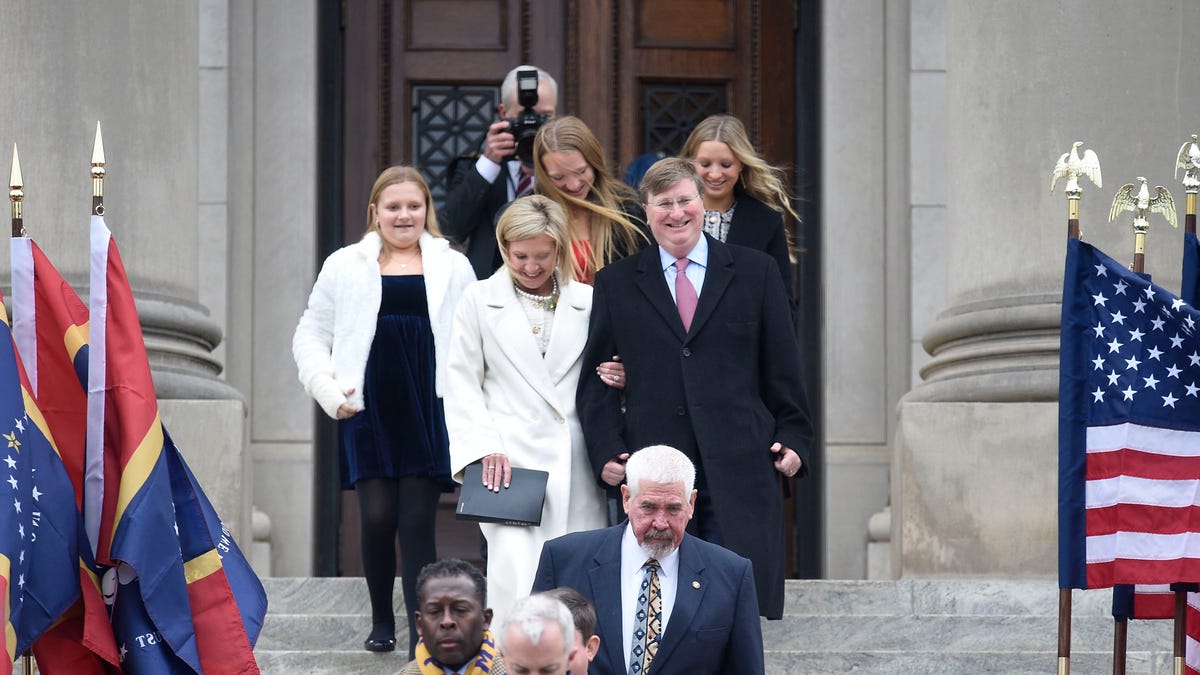
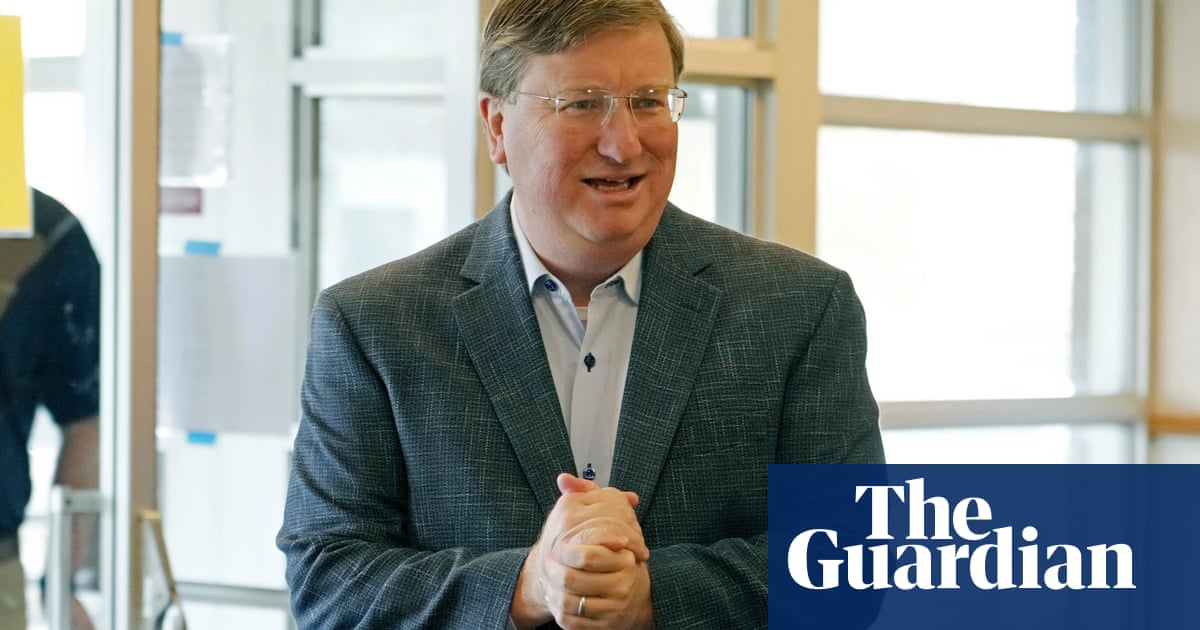
Mississippi Governor Tate Reeves, inaugurated for his second term, expressed a desire to reverse the trend of young people leaving the state for better opportunities elsewhere, emphasizing the need to retain local talent. Reeves highlighted the state's progress in education and economic development, aiming to create momentum for all of Mississippi. Despite facing a competitive election, Reeves secured a second term, focusing on tax cuts, job creation, and education improvements.
Mississippi Governor Tate Reeves, sworn in for his second term, pledges to focus on growing the state's economy, attracting more residents, and advancing the healthcare sector. He aims to promote economic development, workforce training, and K-12 education to encourage people to stay or move to the state. Reeves also plans to continue building on capital investment and champion further tax cuts, while promoting more healthcare opportunities for Mississippians, particularly for mothers.
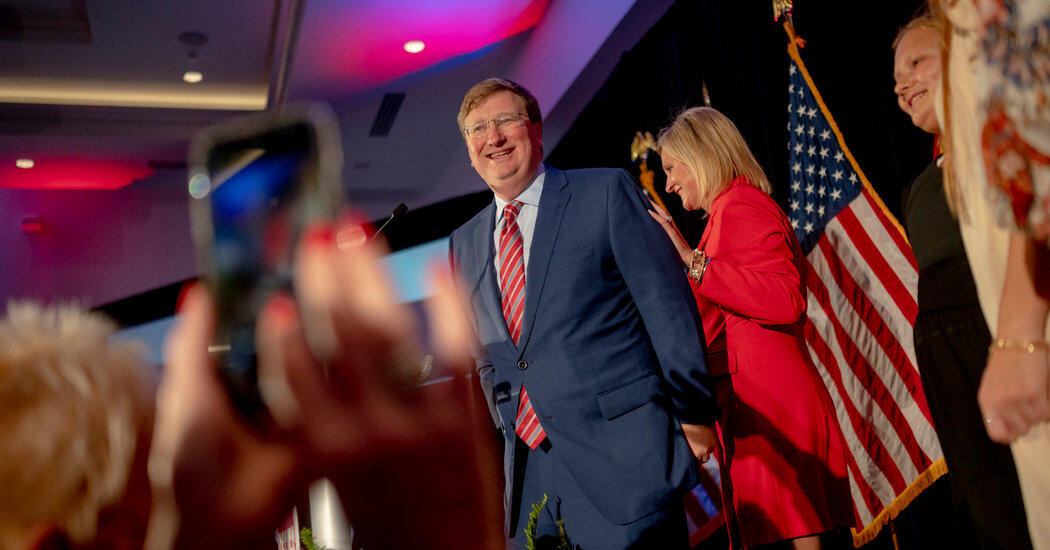
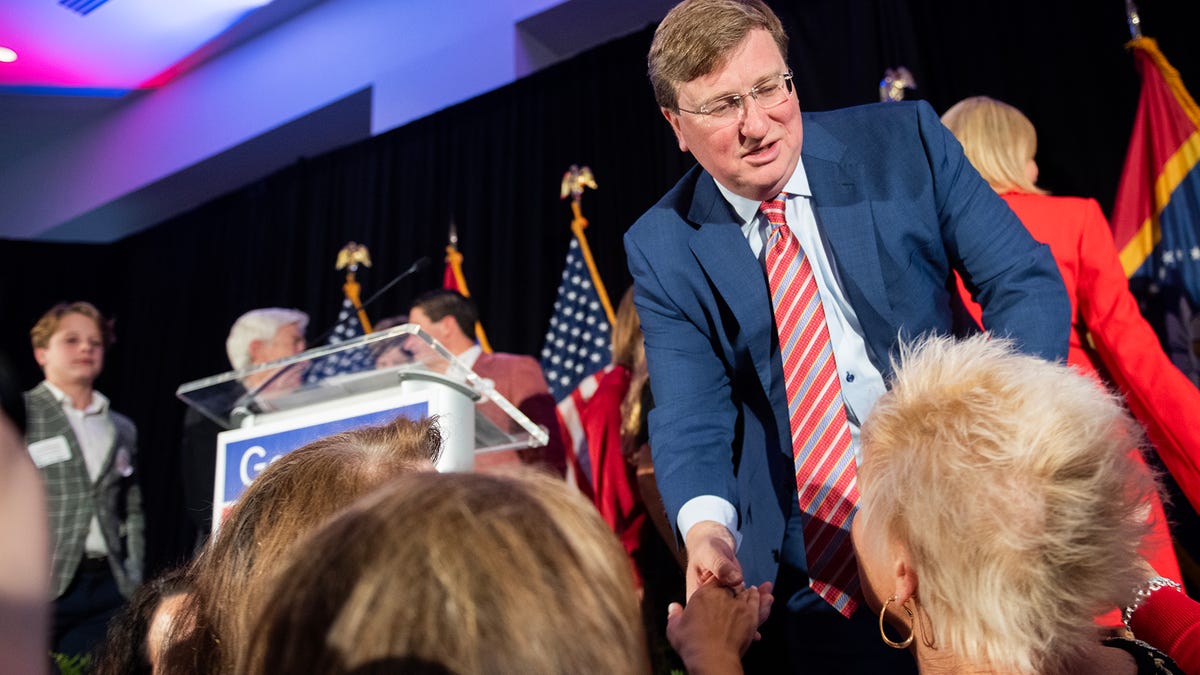
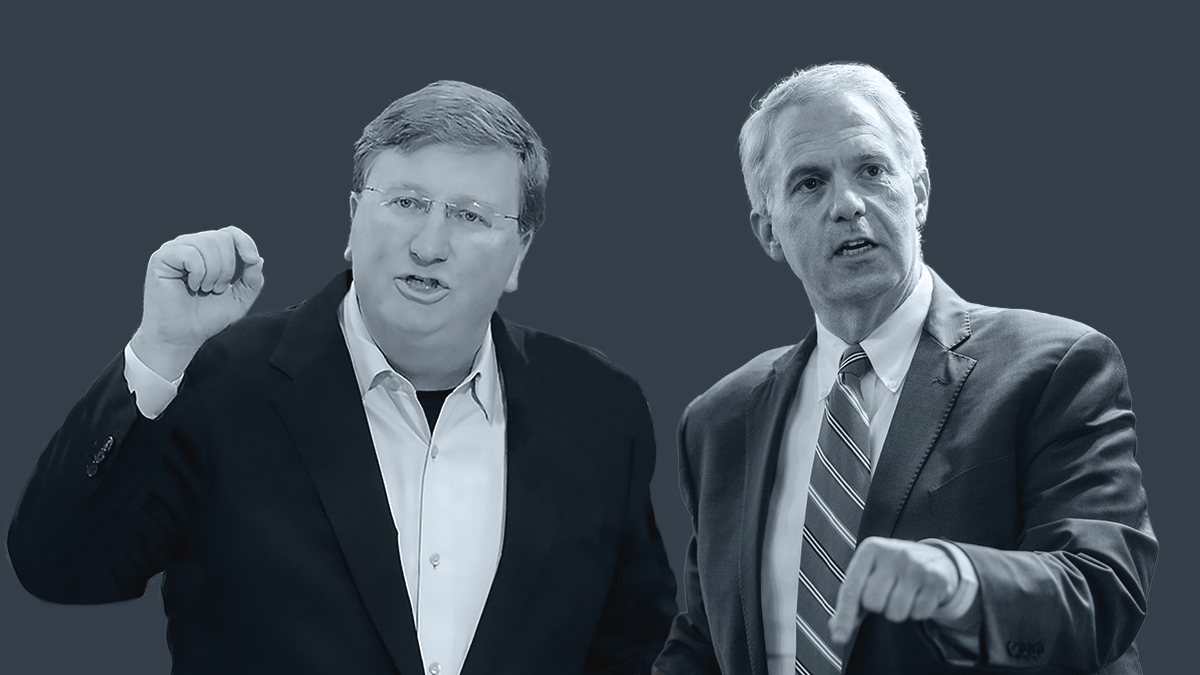
Tate Reeves, the Republican governor of Mississippi, won re-election for a second term despite concerns about his likability and a strong Democratic opponent. Reeves campaigned on his conservative credentials and linked his opponent, Brandon Presley, to unpopular national Democrats. Although Presley hoped to cobble together a coalition of liberal-to-centrist white voters, frustrated Republicans, and Black voters, the alliance did not materialize. Reeves's first term was marked by tumult and criticism, including his handling of infrastructure issues and his initial opposition to removing the Confederate battle emblem from the state flag. Despite underperforming compared to other Republicans in statewide races, Reeves secured a comfortable victory, maintaining the Republican Party's stronghold on Mississippi politics.
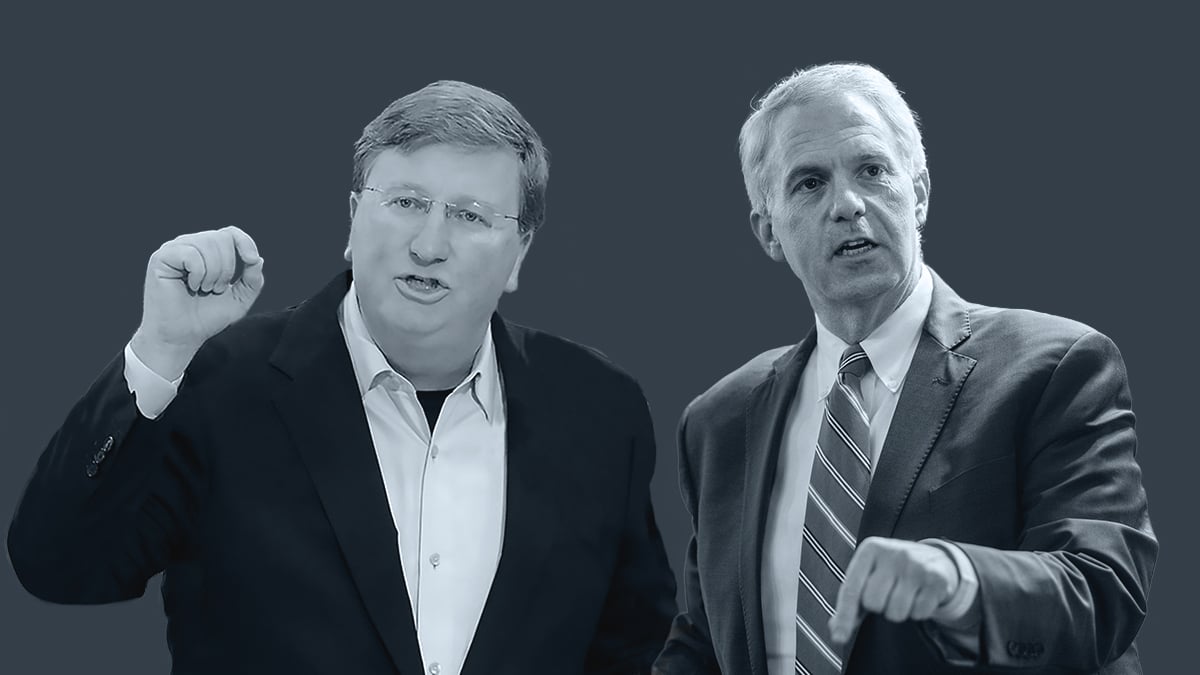
Tate Reeves secures a second term as governor of Mississippi, defeating Democratic candidate Brandon Presley. Despite initial reports suggesting a close race, Reeves maintained a lead throughout the election, with Presley trailing by 39,000 votes with 7% of the vote yet to be counted. With 96% of the vote counted, Reeves has 51.6% of the vote, followed by Presley with 47% and third-party candidate Gwendolyn Gray with 1.4%. The GOP has now won six consecutive elections for governor in Mississippi.
Tate Reeves, the incumbent governor of Mississippi, defeated Brandon Presley in the state's gubernatorial race. The campaign was marked by allegations of corruption, healthcare crisis, and education. Reeves accused Presley of being influenced by out-of-state liberal interest groups, while Presley criticized Reeves for his alleged involvement in a corruption scandal and his refusal to expand Medicaid. Despite facing criticism, Reeves secured an endorsement from Donald Trump and continues his winning streak in statewide elections.
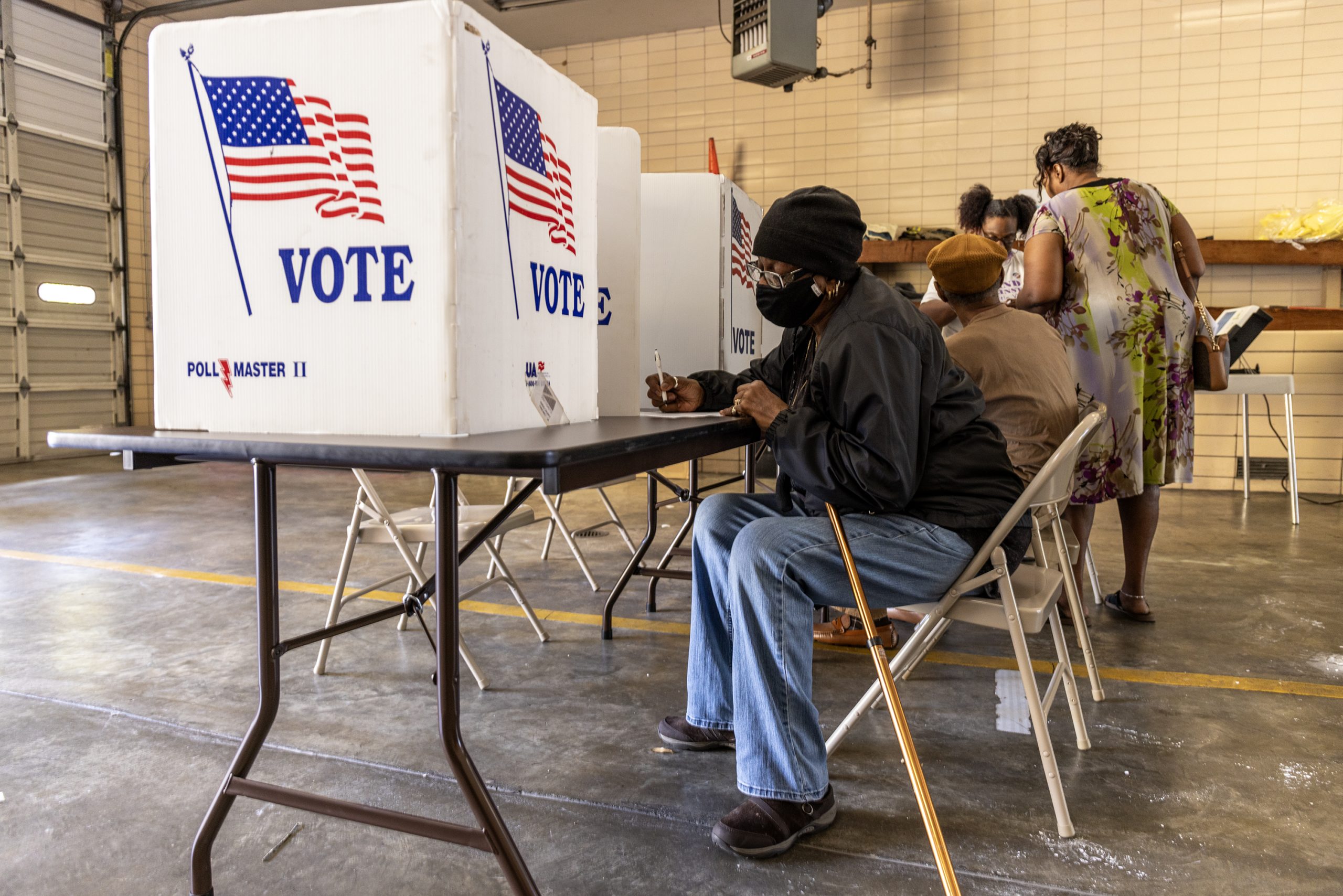
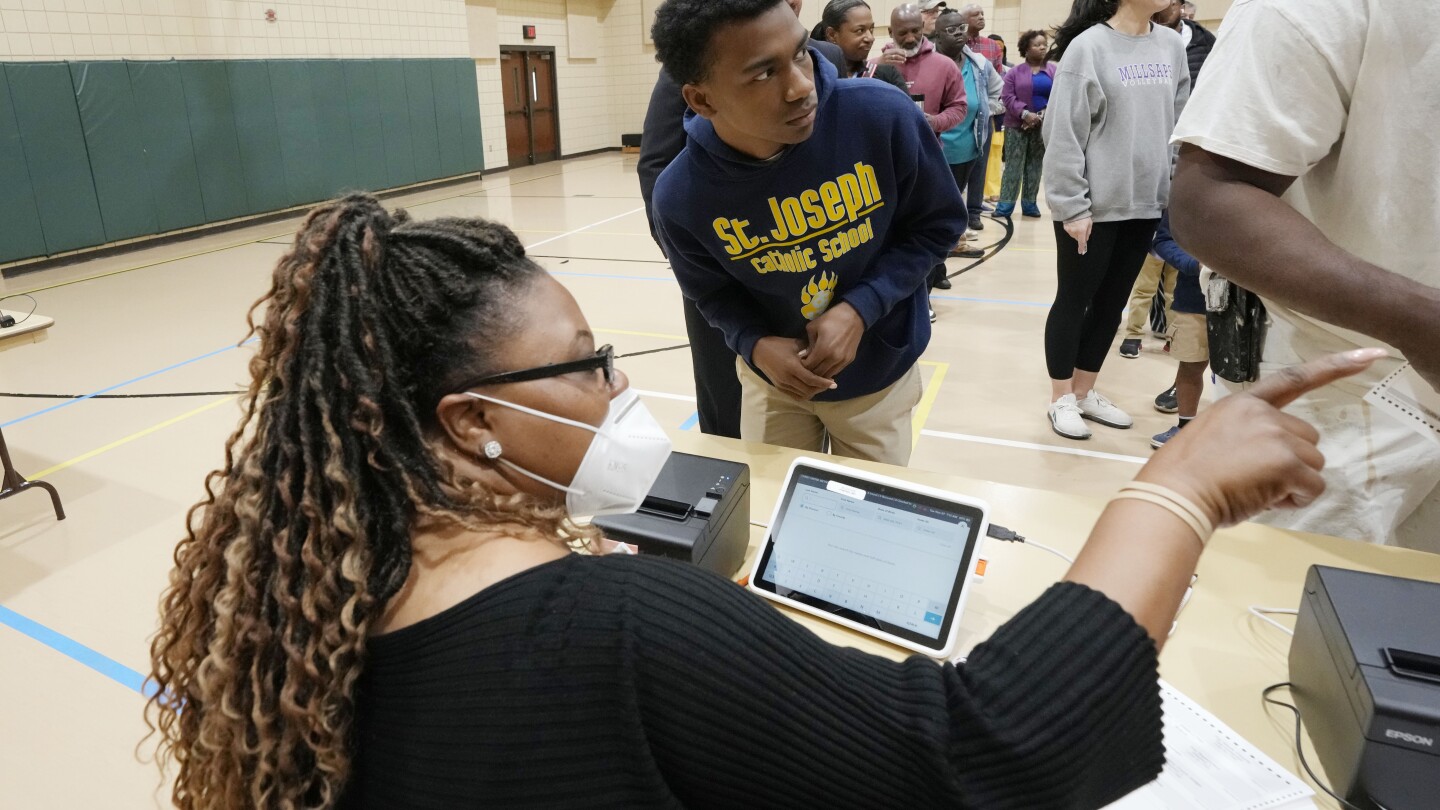
Mississippians voted in the governor's race between incumbent Gov. Tate Reeves and Democratic challenger Brandon Presley. The independent candidate, Gwendolyn Gray, who dropped out of the race, could potentially force a runoff if she receives enough protest votes. Key factors to watch include whether there will be a runoff, Reeves' conservative support, Presley's Black voter support, the Gulf Coast battleground, the swing of suburban voters, and Presley's performance in his home county of Lee.
Mississippi voters cast their ballots in a closely contested governor's race between Republican incumbent Tate Reeves and Democratic challenger Brandon Presley. Republicans have dominated the state for the past 20 years, but Democrats are making a strong push for a rare statewide victory in the Deep South. Reeves touts the state's momentum in job creation and education, while Presley criticizes him for refusing to expand Medicaid and promises to clean up government corruption. If no candidate receives at least 50% of the vote, a runoff is possible.
Mississippi's gubernatorial election, once seen as a sure win for Republican incumbent Tate Reeves, has become a competitive race with Democrat Brandon Presley trailing by only one percentage point in recent polls. Presley aims to become the first Mississippi Democrat in over 20 years to win the state's highest office. Reeves has emphasized his conservative record and economic achievements, but faces criticism for his refusal to expand Medicaid and address economic issues. Presley has focused on engaging Black voters and advocating for affordable healthcare and higher wages. The race could potentially head to a runoff if neither candidate receives a majority.
In the final stretch of the 2023 Mississippi governor's race, Republican incumbent Tate Reeves has focused on stoking fear among voters, emphasizing the threat of "out-of-state liberals" and the need to protect "Mississippi values." Meanwhile, Democratic challenger Brandon Presley has pitched new ideas, including expanding Medicaid, addressing corruption in state government, and cutting taxes. Reeves has faced fundraising challenges and low popularity, while Presley has benefited from a coordinated get-out-the-vote effort. The outcome of the race remains uncertain, with the possibility of a runoff if neither candidate secures 50% of the vote.
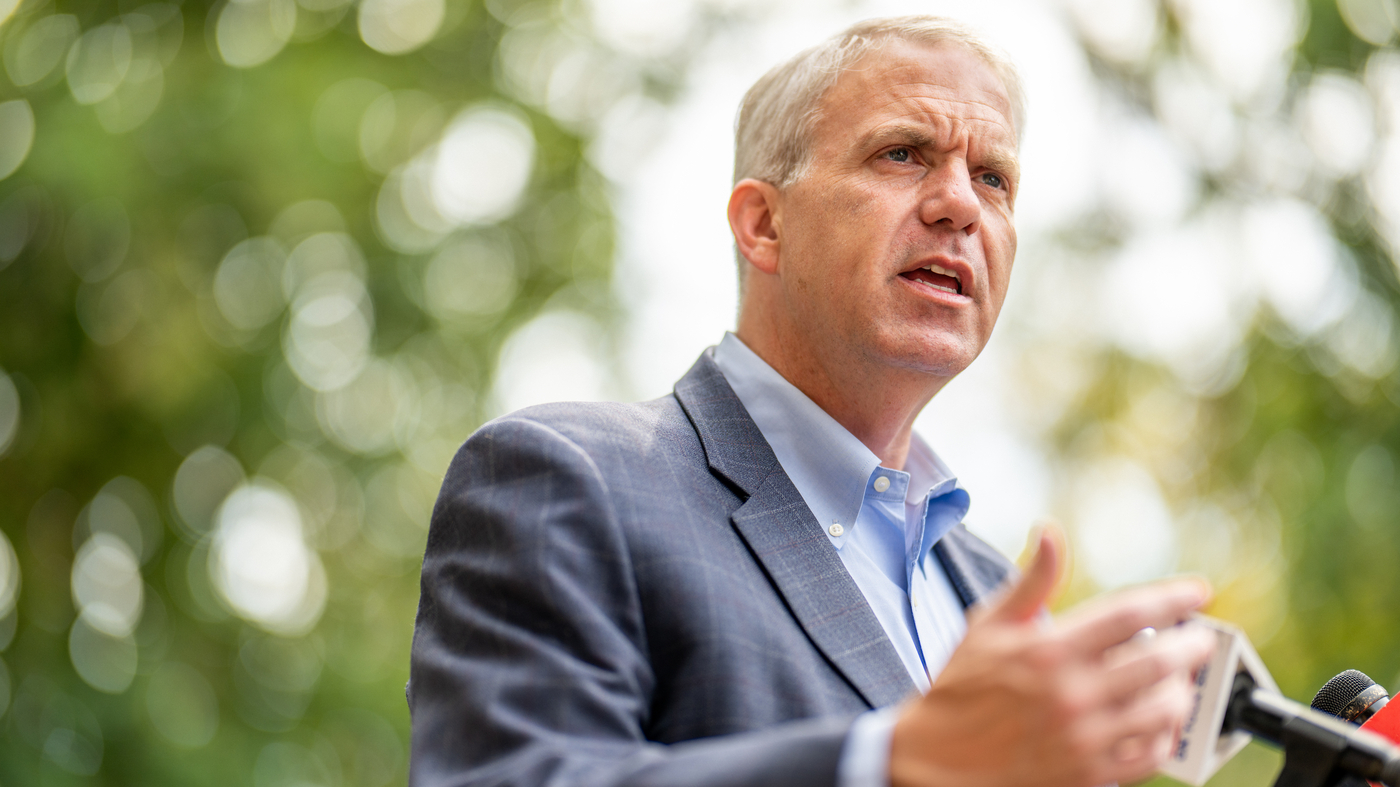
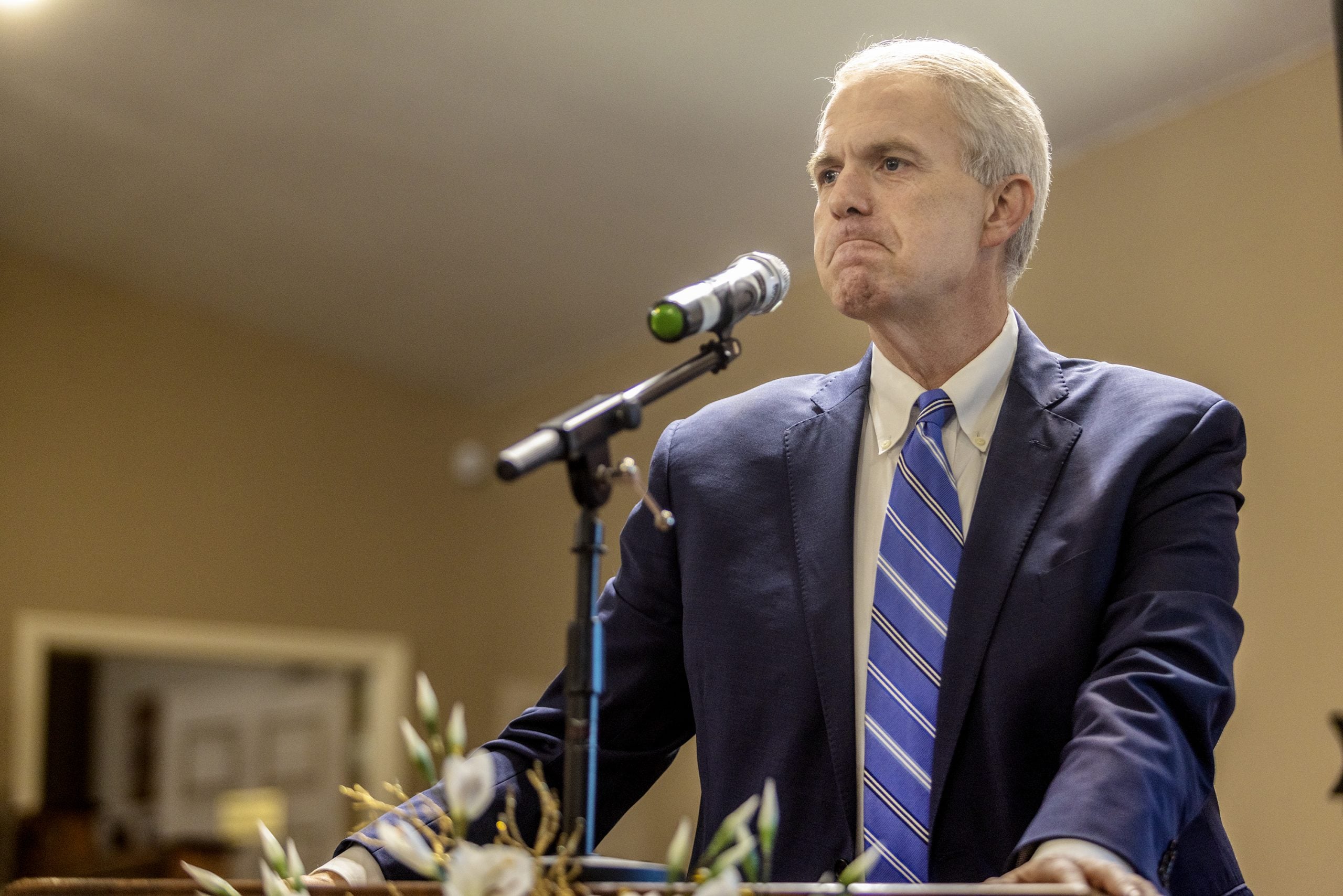
The Mississippi governor's race is heating up as Democrat Brandon Presley challenges incumbent Republican Gov. Tate Reeves. Presley, a former small-town mayor and state utilities regulator, has focused his campaign on populist issues and battling corruption, while Reeves has been embroiled in a public corruption investigation. Although Reeves is favored to win, recent polls suggest a tightening race. Presley is hoping to mobilize Black voters, who make up a significant portion of Mississippi's electorate, and has received support from national Democratic organizations. The outcome of the race could have implications for the state's conservative policies.
Democratic gubernatorial candidate Brandon Presley is mounting a surprisingly strong challenge against incumbent GOP Gov. Tate Reeves in deep-red Mississippi. Presley, a distant cousin of Elvis Presley, is focusing on economic issues like expanding Medicaid benefits and distancing himself from the national Democratic Party. While Reeves is favored to win, Presley's campaign has gained momentum by appealing to moderate supporters of former President Donald Trump and increasing voter turnout among the state's large Black population. Although Mississippi is unlikely to become the next Georgia, Presley's competitive run signals a shift in the traditionally Republican stronghold.
Best-selling author John Grisham expressed optimism for Brandon Presley's bid for governor in Mississippi, stating that this year feels different from previous Democratic Party losses. Presley has raised $5 million more than incumbent Republican Gov. Tate Reeves, and polling suggests Reeves is struggling to reach the 50% mark. Both parties have launched extensive get-out-the-vote efforts, with Presley gaining grassroots support and the Democratic Party becoming more active. In the only debate between the candidates, Presley delivered sharper criticisms and was better prepared, leading to claims of victory. However, Presley still faces challenges, including a Republican Party machine that hasn't lost since 1999 and attack ads painting him as an out-of-touch liberal.
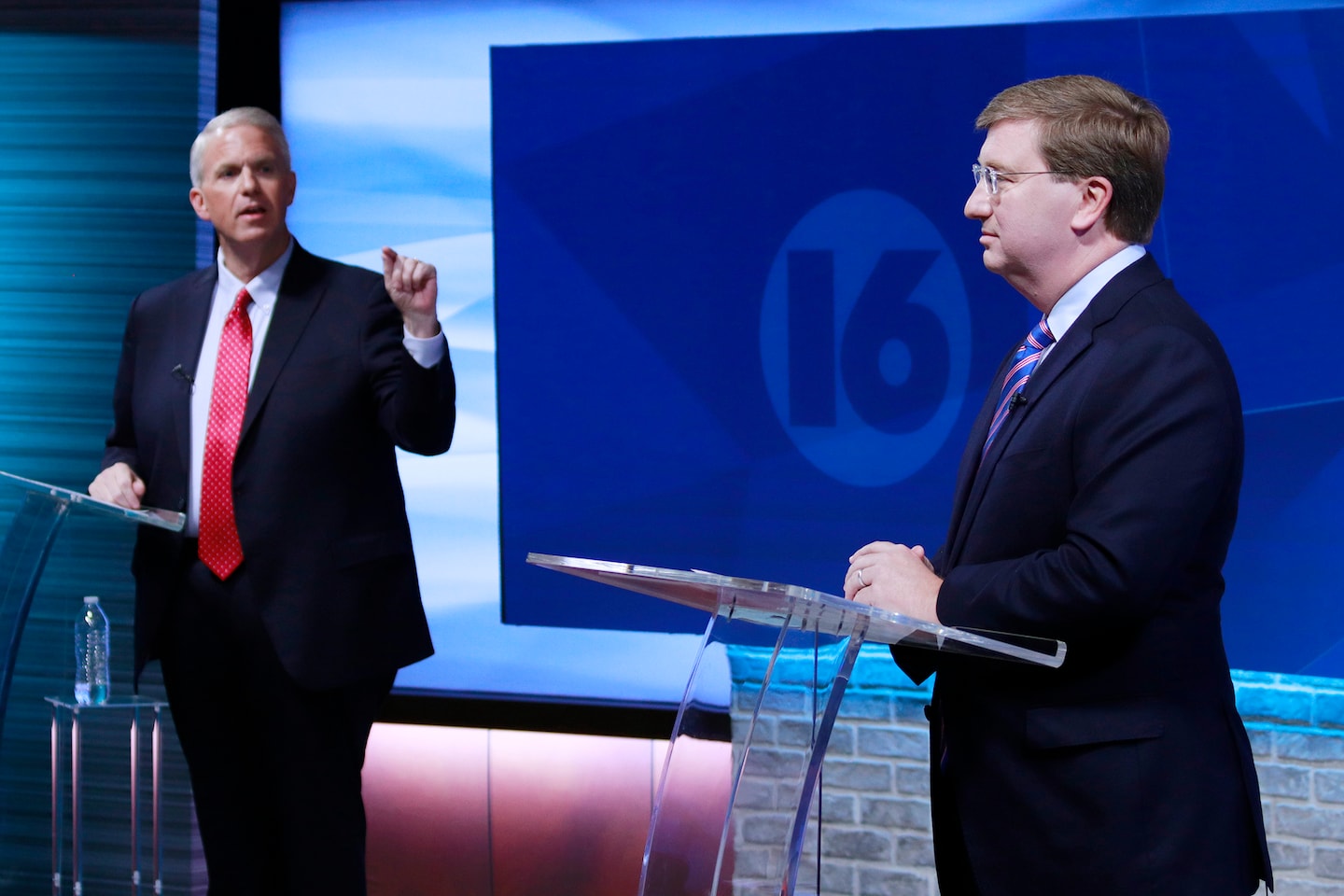
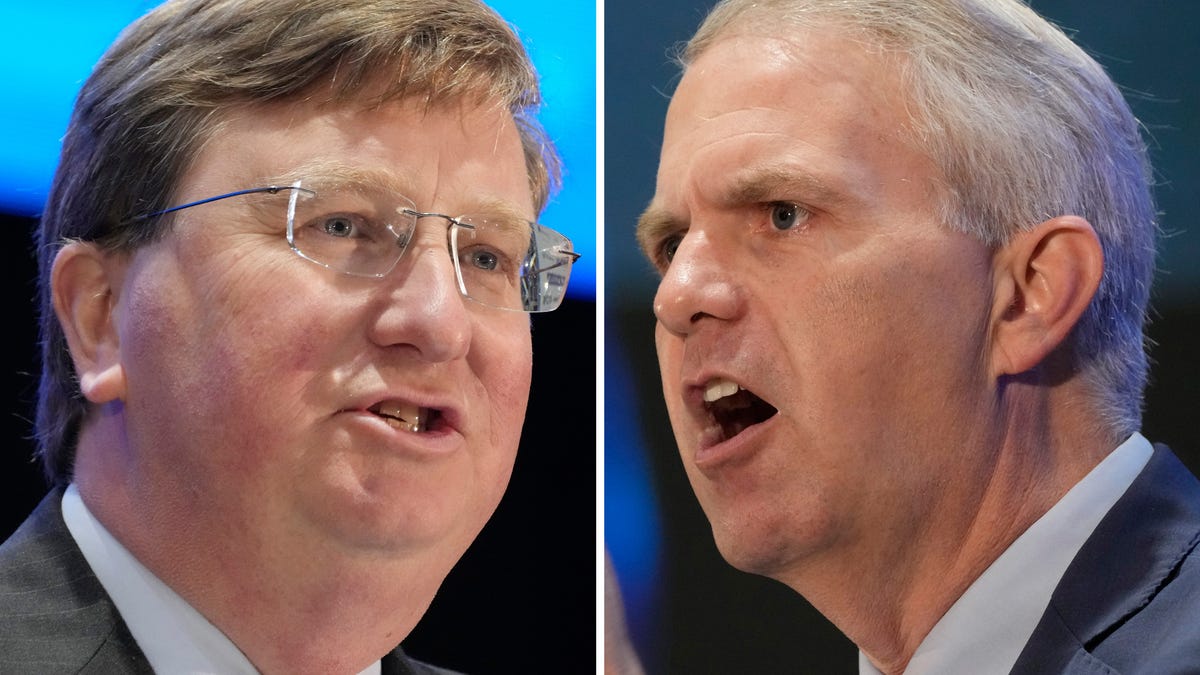
The Mississippi gubernatorial debate between Republican Tate Reeves and Democrat Brandon Presley turned into a fiery exchange of accusations, with both candidates accusing each other of lying and corruption. The debate covered topics such as healthcare, Medicaid expansion, corruption scandals, campaign donors, tax cuts, and education funding. Despite the heated exchange, neither candidate presented any major new policies or accusations likely to sway undecided voters.