

Tag

Tantalum

All articles tagged with #tantalum

technology1 month ago

New Quantum Processor Extends Information Retention 15-Fold Beyond Google and IBM

Scientists at Princeton have developed a new method for creating superconducting qubits using tantalum, significantly increasing their coherence time to 1.68 milliseconds, which is three times longer than current systems, potentially enabling more powerful quantum computing operations. However, challenges such as the scarcity of tantalum remain before these advancements can be widely implemented.
science-and-technology2 years ago

Revolutionary Material Safeguards Fusion Reactor Walls by Absorbing and Releasing Hydrogen

Engineers at the University of Wisconsin-Madison have developed a new material using a cold spray coating technology that can withstand the harsh conditions inside a fusion reactor. The material, a tantalum coating on stainless steel, has shown excellent performance in extreme fusion reactor conditions and has the unique ability to trap hydrogen particles. This discovery could lead to more efficient and compact fusion reactors that are easier to repair and maintain. The cold spray process also allows for on-site repair of reactor components, reducing costs and downtime. The researchers plan to use this material in the Wisconsin HTS Axisymmetric Mirror (WHAM) experiment, which aims to develop a next-generation fusion power plant.

quantum-computing2 years ago

Tantalum's Potential for Quantum Processor Improvement.

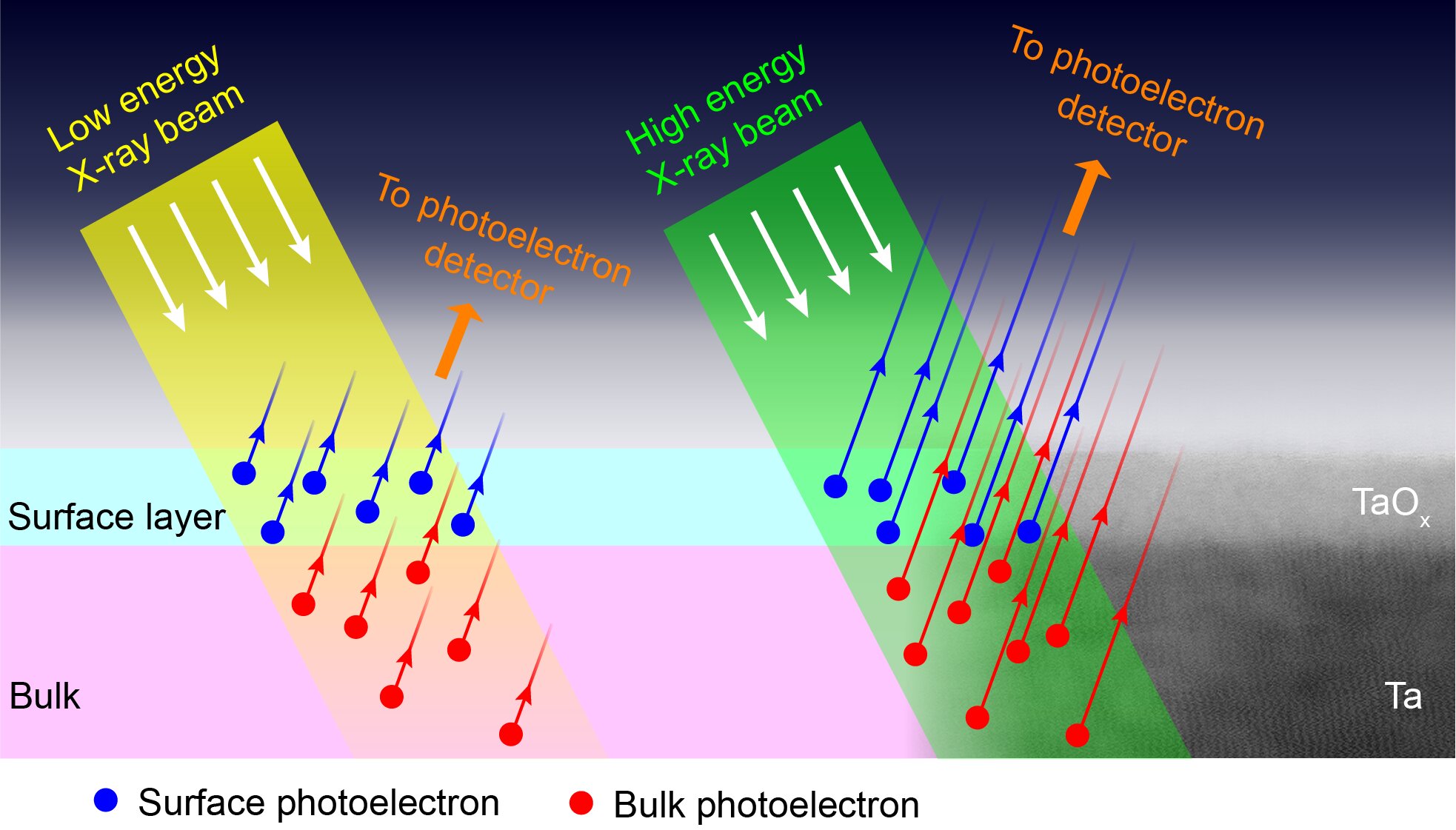
Researchers from the Center for Functional Nanomaterials, the National Synchrotron Light Source II, the Co-design Center for Quantum Advantage, and Princeton University have decoded the chemical profile of tantalum to understand why superconducting qubits made with tantalum perform better than those made with niobium and aluminum. They found that the thickness and chemical nature of the tantalum oxide layer on the surface of tantalum played a role in determining the qubit coherence. The study's results will provide key knowledge for designing even better qubits in the future.