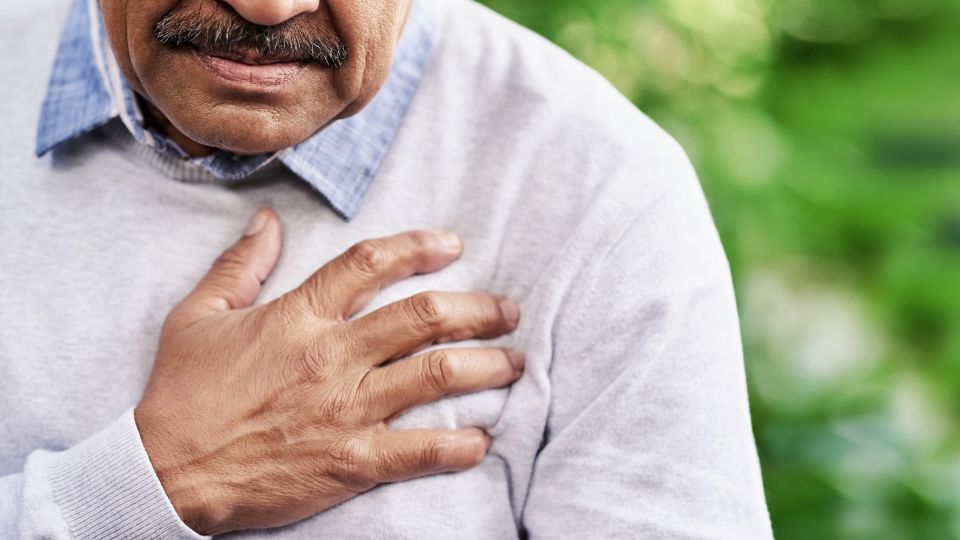
A recent study shows that men with takotsubo cardiomyopathy, or broken heart syndrome, are more than twice as likely to die from the condition compared to women, possibly due to biological and social factors, highlighting the importance of early diagnosis and treatment.
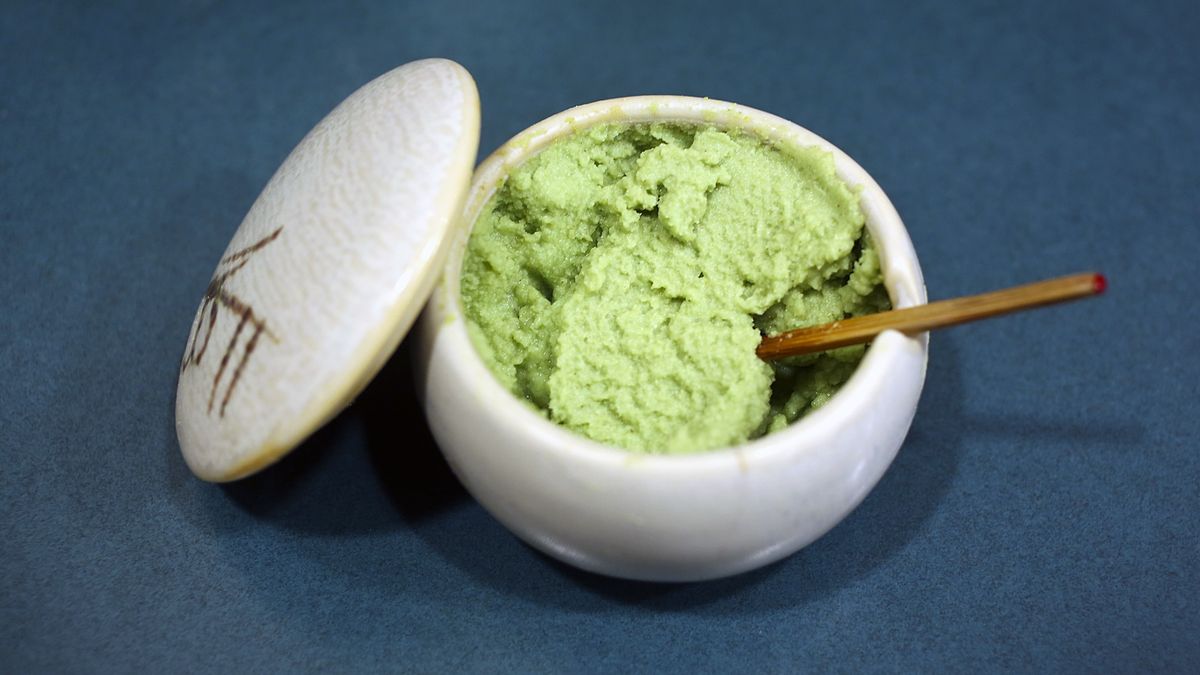
A 60-year-old woman in Israel developed takotsubo cardiomyopathy, or "broken heart syndrome," after mistakenly consuming a large amount of wasabi, thinking it was avocado. This condition, which mimics heart attack symptoms, was previously linked to stress and other factors, but this is the first documented case triggered by wasabi. The woman was treated with medications and her heart function returned to normal after a month.
Researchers at the University of Aberdeen have found that broken heart syndrome, also known as takotsubo cardiomyopathy, can be as deadly as a heart attack, affecting around 70 people in Scotland every year. Triggered by extreme emotional distress, the condition causes the heart's left ventricle to enlarge, impacting its ability to pump blood. The study, funded by the British Heart Foundation, revealed that medications typically prescribed for heart attack patients did not improve survival rates for those with broken heart syndrome. The condition, which can develop at any age and predominantly affects women, requires improved treatment strategies to reduce mortality rates and vulnerability to heart conditions.