14 states, all with Republican governors, have turned down federal funding for the Summer EBT program, citing reasons such as philosophical objections to welfare programs, technical challenges, and satisfaction with existing summer nutrition programs. This decision means that lower-income families in these states will miss out on federal aid designed to help feed children over the summer break, impacting millions of eligible kids. The rejection has drawn backlash, with some states reconsidering their decision after facing criticism.
Louisiana Governor Landry has decided not to participate in the federal Summer EBT Program, sparking criticism from the state's Democratic Caucus and others who argue that thousands of children will go hungry without it. The governor's office contends that the program is no longer necessary due to the state's existing social safety net programs, including SNAP and TANF. However, critics argue that the federal resources should be accepted to ensure children are adequately nourished, while the Department of Education cites concerns about committing to increased spending and the availability of existing meal programs.
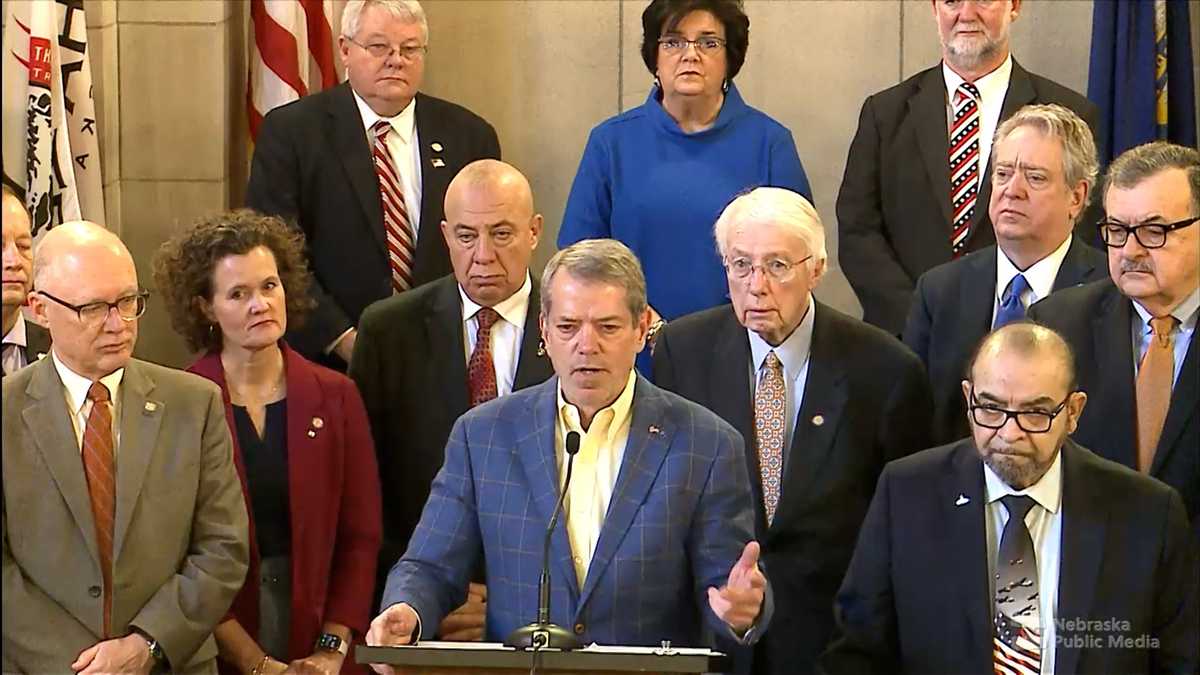
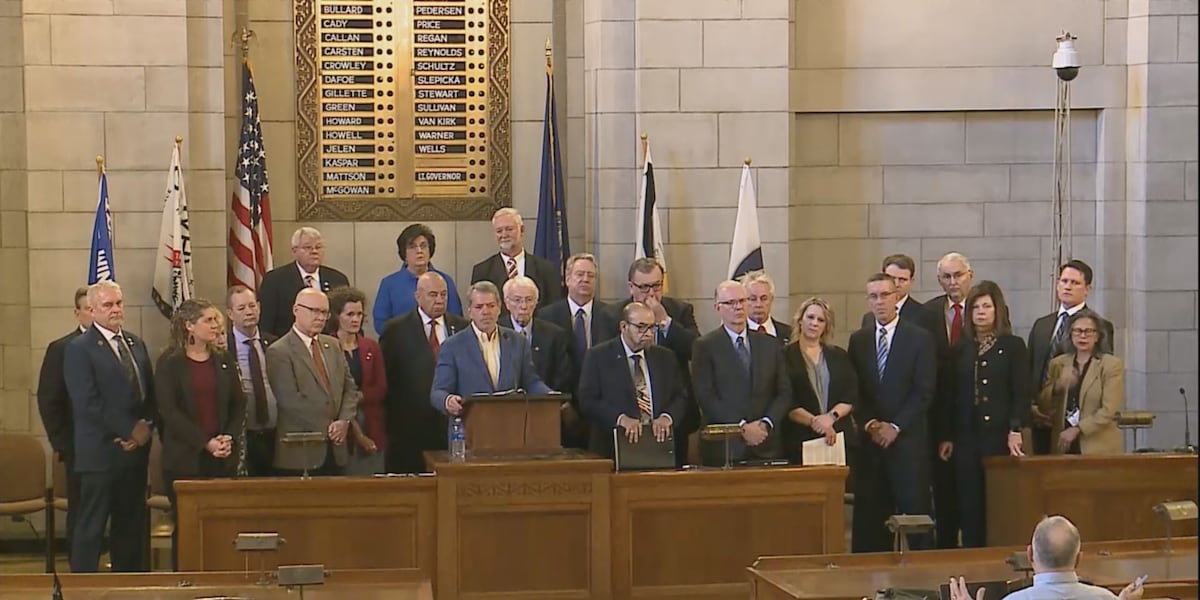
Nebraska Governor Jim Pillen reverses his decision and announces that the state will accept $18 million in federal funding to support the Summer EBT program, which provides pre-loaded EBT cards to low-income families with eligible children for purchasing groceries during the summer months. Pillen's change of heart came after meeting with high school students who shared their experiences with hunger. Pressure from lawmakers and bipartisan support for the program also influenced the decision. Nebraska was one of 15 states, all with Republican governors, that initially opted out of receiving the funding.
Nebraska Governor Jim Pillen has decided to opt the state into the federal summer EBT program, providing $120 EBT cards to students on free or reduced meal programs during the summer, after previously rejecting the aid. The program is expected to benefit 150,000 children and bring $18 million in economic benefits to the state. This decision follows advocacy efforts and a legislative push to force the state to opt into the program.
Governor Jim Pillen has reversed his decision and accepted federal funds for the USDA’s Summer EBT program, providing $18 million to support 150,000 eligible kids with pre-loaded EBT cards for nutritious meals during the summer. Pillen attributed his change of heart to hearing firsthand accounts of children experiencing hunger. The program will be implemented with a focus on education about nutritious options, outreach to eligible families, and additional resources. Nebraska Appleseed expressed gratitude for the decision and emphasized the positive impact on children and the state's economy.
The Summer EBT program aims to provide $40 per month for each eligible child to buy food during the summer when school is not in session, benefiting an estimated 21 million children in 35 states. However, 15 states have declined to participate, leaving around eight million children without this assistance. Crystal Fitzsimons from the Food Research and Action Center emphasizes the importance of the program in addressing food insecurity during the summer and hopes that the governors of the non-participating states will reconsider their decision.
Georgia has opted out of participating in the 2024 Summer Electronic Benefit Transfer (EBT) program, which aims to provide grocery benefits to eligible children during the summer months. The program, initiated by the U.S. Department of Agriculture, has been embraced by 35 states, five territories, and four indigenous tribes. The decision not to participate follows concerns about backlogs in the state's food assistance program. While Georgia has not joined the program this year, the USDA states that the door remains open for future participation.