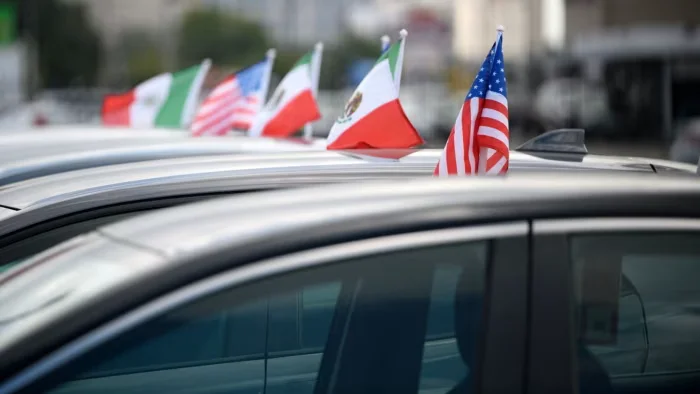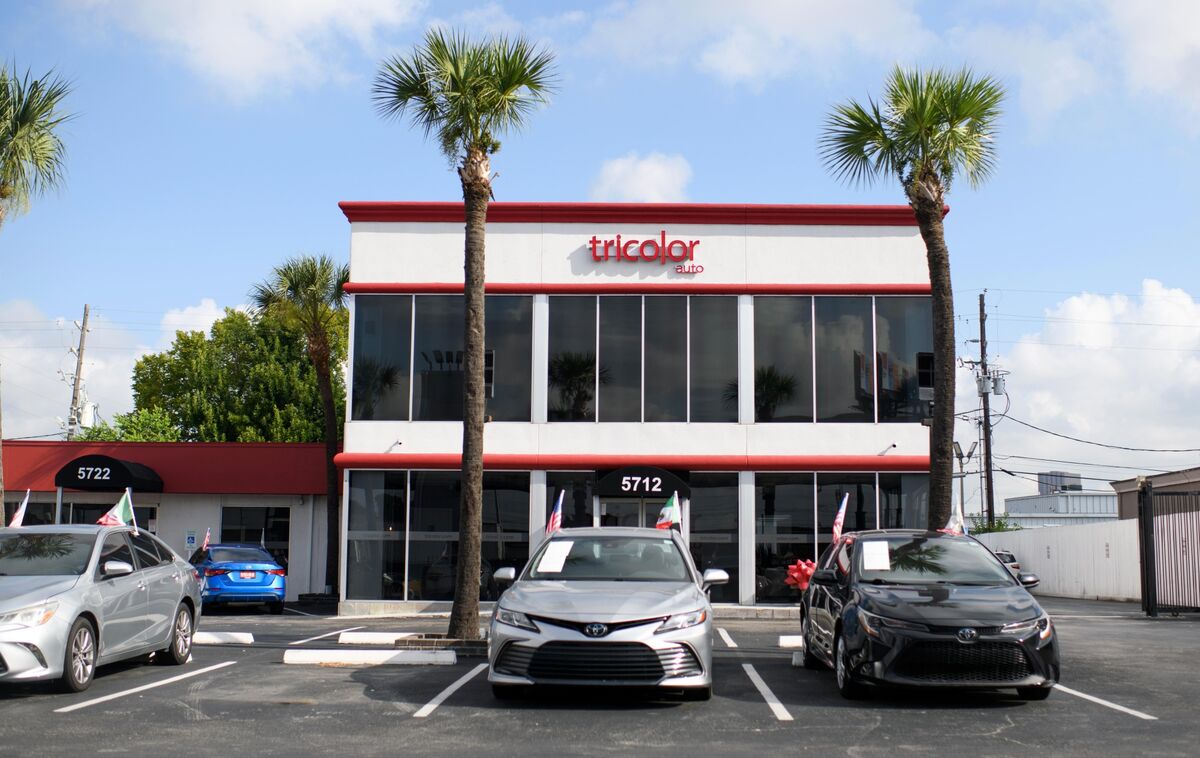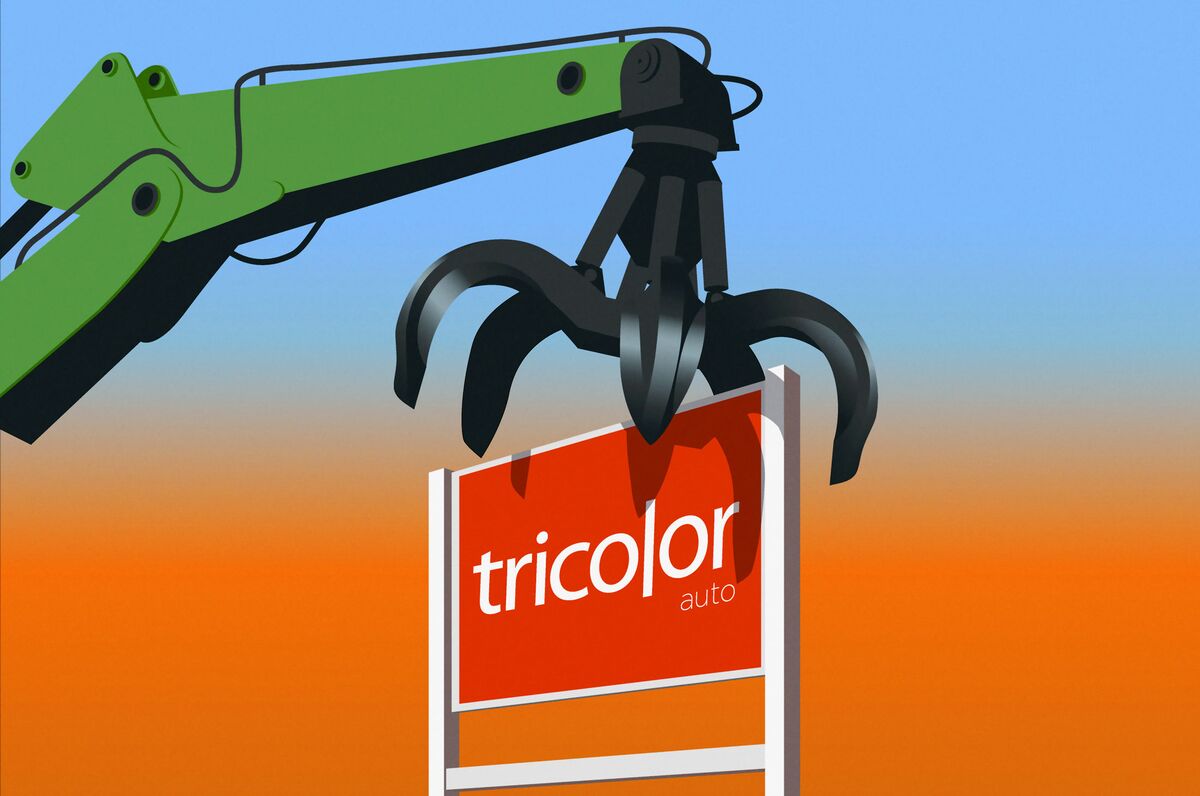
Tricolor Auto, a used-car business heavily financed by JPMorgan and focused on underserved communities, collapsed amid allegations of loan fraud, asset misvaluation, and financial mismanagement, leading to its bankruptcy and raising concerns about risks in the subprime auto industry and the broader credit market.
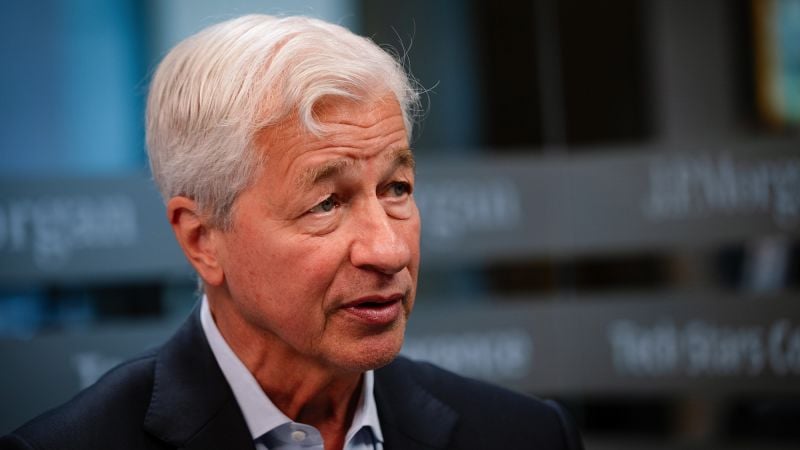
Jamie Dimon warns of potential hidden risks in the US economy, highlighting recent bankruptcies of auto lenders and auto-parts suppliers that may indicate underlying financial vulnerabilities similar to those before the 2008 crisis, emphasizing the need for caution amid a seemingly strong economic environment.
The collapse of Texas-based used car dealer and lender Tricolor Holdings, which primarily served Hispanic immigrants with limited credit, has raised concerns about the health of the subprime auto finance sector. The company, accused of fraud and facing investigations, unraveled rapidly after its financial practices came under scrutiny, leading to bankruptcy, significant losses for lenders and investors, and questions about the sustainability of its business model and the broader auto lending industry.
The collapse of Texas-based subprime auto lender Tricolor, amid alleged fraud and rising delinquencies, highlights growing risks in the $80 billion subprime auto ABS market, raising concerns about lax lending standards and potential ripple effects on Wall Street, despite the market's smaller size compared to past crises.
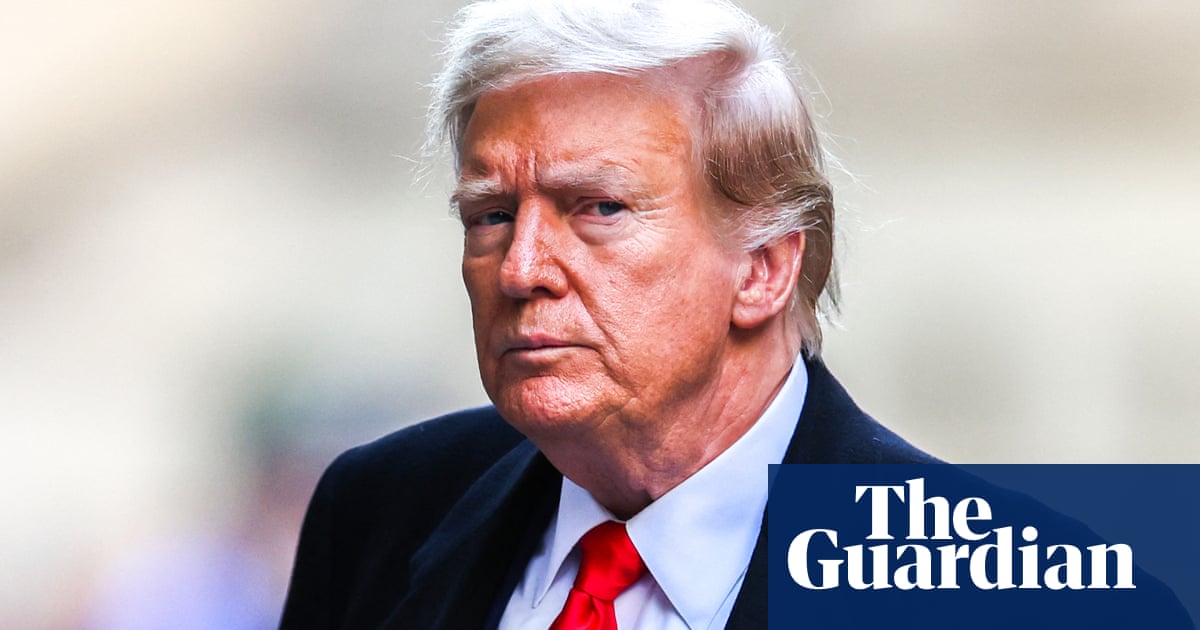
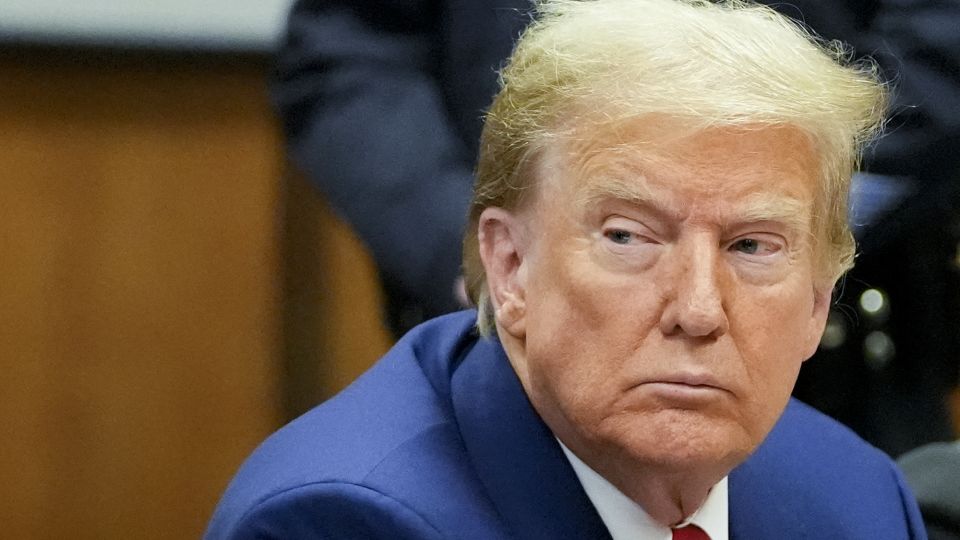
Don Hankey, the chairman of Knight Specialty Insurance and a major player in the subprime auto loan industry, underwrote a $175m bond for Donald Trump to delay a $454m civil fraud judgment, stating that he was "happy to do it" and that it was a quick and easy transaction. Hankey, who is worth over $7.4bn, confirmed his support for Trump's past political campaigns and indicated a willingness to support future ones. His company, known for high-interest car loans, has faced scrutiny for deceptive collection tactics, and some financial analysts have expressed concerns about the subprime auto loan industry.
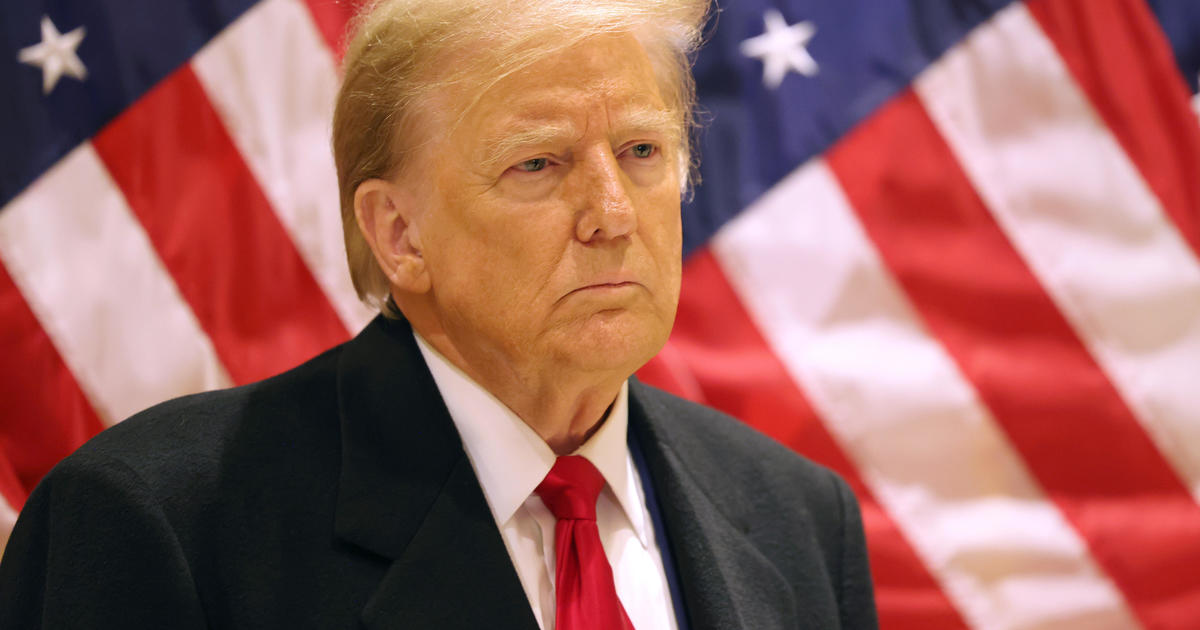
Don Hankey, an 80-year-old billionaire who made his fortune through car dealerships and subprime auto loans, provided a $175 million bond for former President Donald Trump's New York civil fraud case through his insurance company, Knight Specialty Insurance. Hankey, who has never met nor spoken with Trump, is richer than the former president and has a history of providing financing to subprime borrowers. The bond, essentially a placeholder, will guarantee payment if the judgment against Trump is upheld on appeal, with Trump potentially paying up to $3.5 million annually for the bond guarantee.
Don Hankey, chairman of Knight Specialty Insurance, revealed that his firm quickly put together the deal to underwrite Donald Trump’s $175 million bond in New York, with Trump posting all cash as collateral. Hankey, a supporter of Trump's presidential campaigns, stated that his firm would have done it for anyone else and confirmed donations to Trump's campaigns. This isn't the first time Hankey and Trump's businesses were connected, as in 2022, Axos Bank, where Hankey is a leading shareholder, loaned Trump $100 million to refinance the mortgage on Trump Tower.
Don Hankey, chairman of Knight Specialty Insurance, revealed that his firm quickly put together the deal to underwrite Donald Trump’s $175 million bond in New York, with Trump posting all cash as collateral. Knight Specialty Insurance is known for providing subprime auto loans and had previously reached out to the Trump Organization when Trump was having trouble putting together a $464 million bond. Hankey, a supporter of Trump’s presidential campaigns, confirmed that he and his family have donated to Trump’s campaigns in the past and plan to support him again in 2024.
Subprime auto loan delinquencies have reached a record high, with the delinquency rate for subprime-backed Asset-Backed Securities (ABS) hitting 6.1% in September. In contrast, prime-rated auto loans have remained in pristine condition, with a delinquency rate of just 0.27%. Subprime auto lending is a high-risk, high-profit business that primarily targets used vehicles, while new vehicles are largely reserved for prime-rated customers. The government's pandemic relief measures temporarily lowered subprime delinquency rates, leading to aggressive lending practices and the subsequent collapse of some specialized subprime dealers and lenders. Despite the risks, subprime auto lending remains attractive to investors due to the high interest rates and potential for large profit margins.