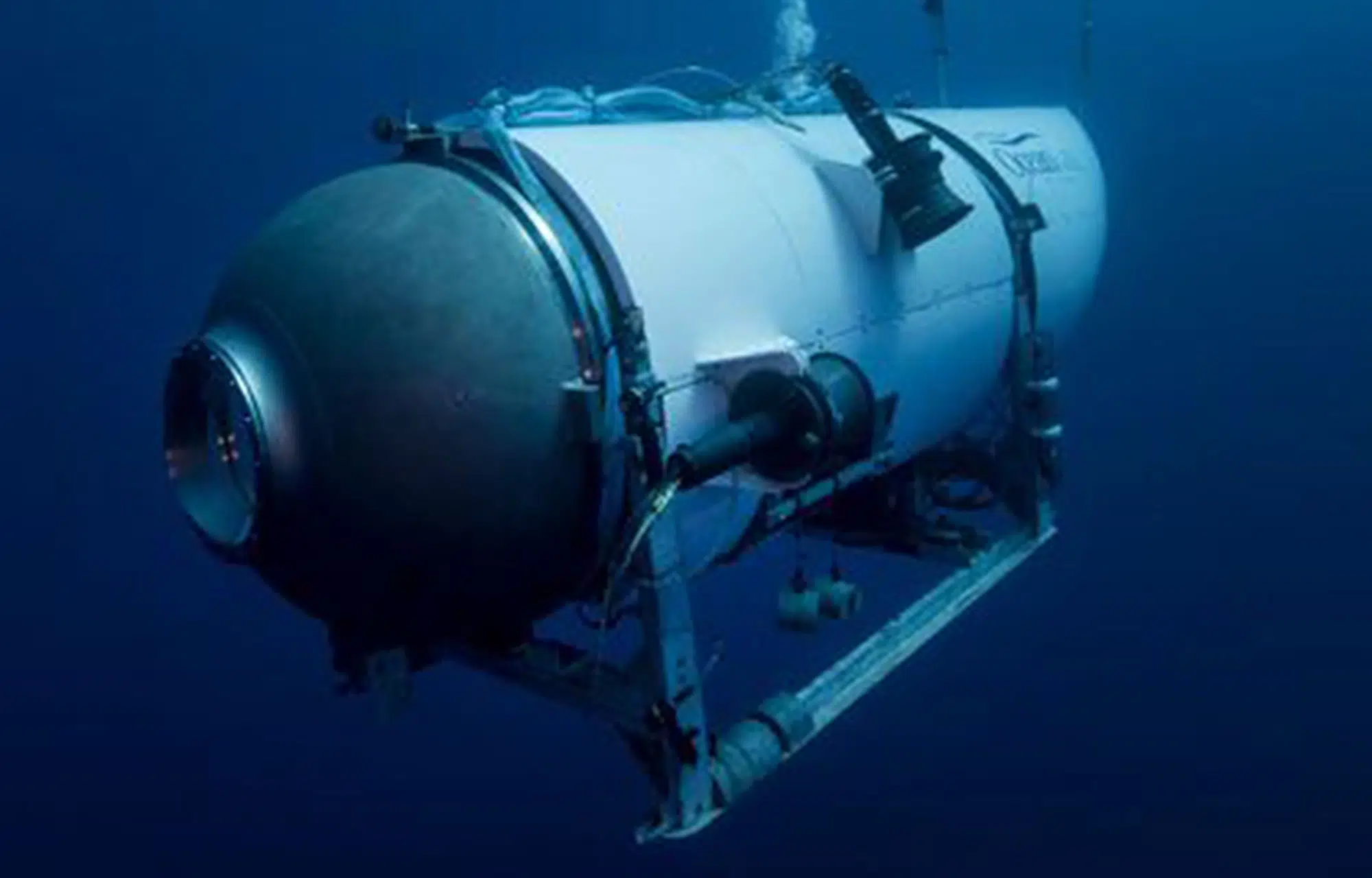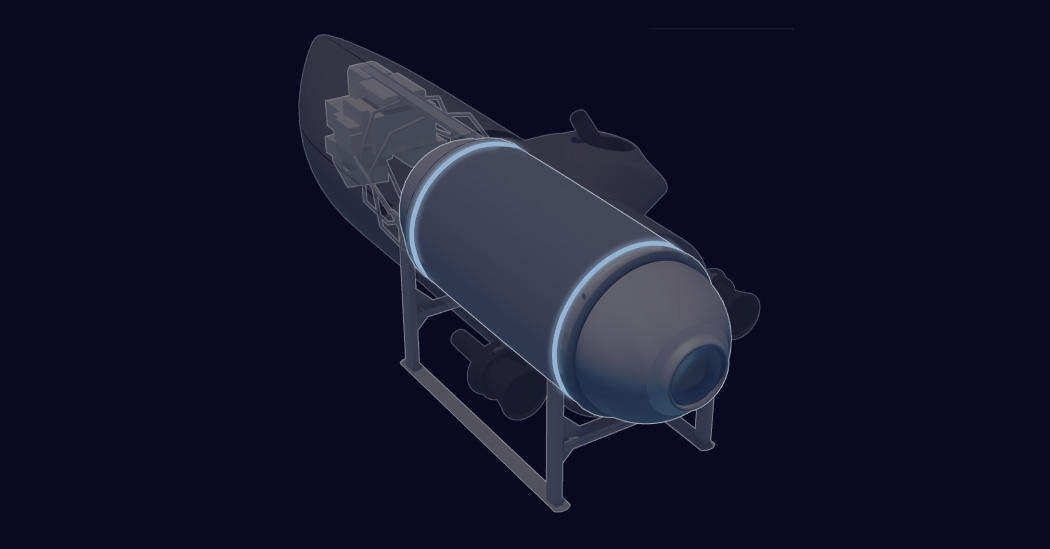
The design of the Titan submersible, which imploded during a dive to the Titanic wreckage, is being scrutinized by engineers and investigators. The unique design of the lightweight submersible, including its larger hull and use of carbon fiber instead of titanium, may have contributed to its catastrophic failure. The change in hull geometry and the use of dissimilar materials could have weakened the submersible's structure, making it more susceptible to collapse under the immense pressure of the deep ocean. The lack of certification and rigorous testing for the Titan is also being questioned as potential factors in the disaster.
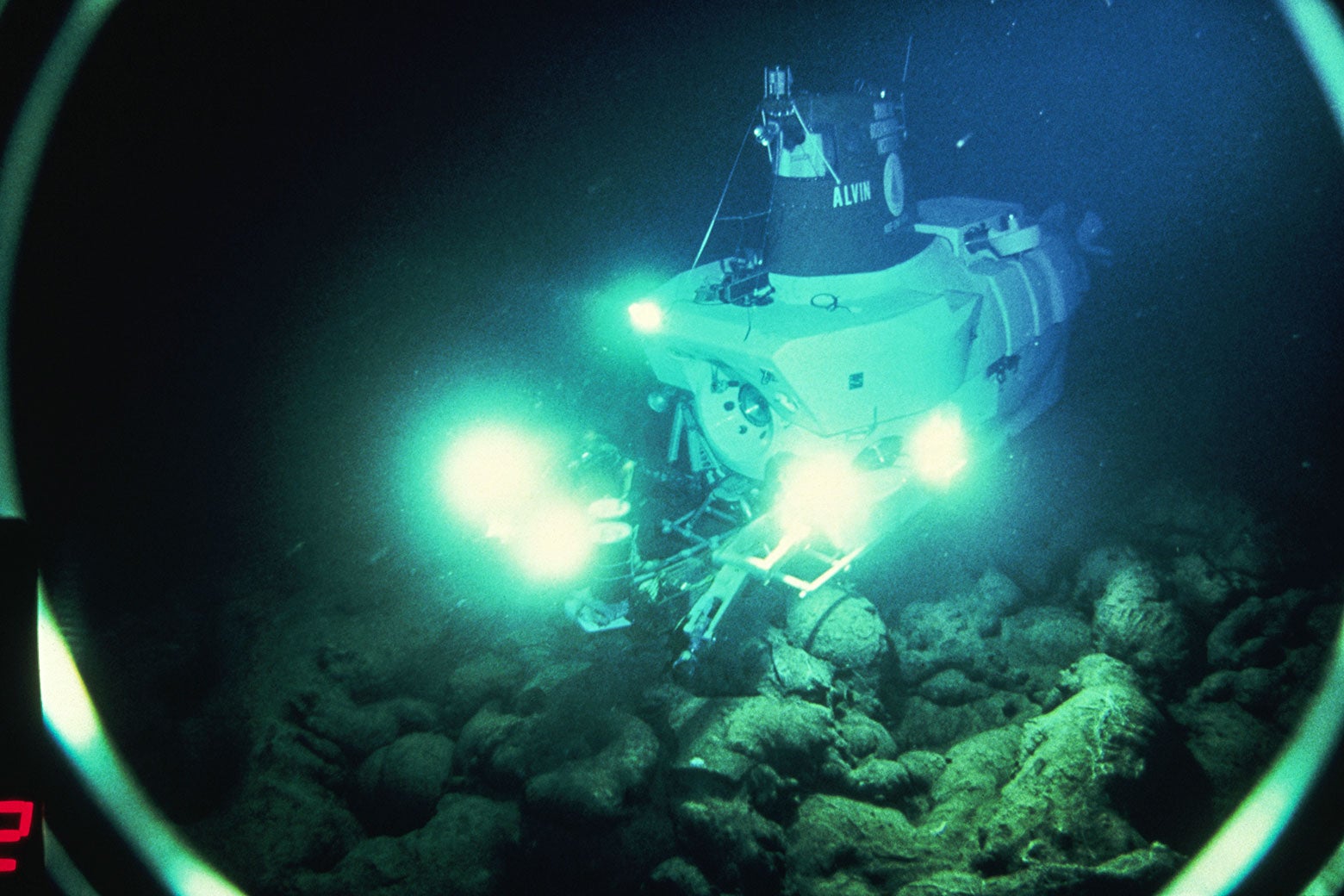
Deep-sea submersible research, such as the Alvin submersible, is crucial for understanding our world, but the recent OceanGate Titan disaster has raised concerns among scientists about the future of manned-submersible research. Despite the tragedy, deep-sea dives with proper safety precautions are generally safe, as evidenced by the Alvin's impeccable track record of over 5,000 dives with no deaths or serious injuries. Scientists worry that public perception of submersible research may be negatively impacted, potentially hindering future support and interest in this field. The Alvin has played a significant role in paradigm-shifting discoveries, such as finding the Titanic and confirming the existence of chemosynthetic life forms.
The US Coast Guard is leading an investigation into the implosion of the Titan submersible, which killed all five people on board. The accident occurred while the vessel was carrying people to the Titanic wreckage. Maritime officials plan to issue a report aimed at improving the safety of submersibles worldwide. The investigation is complicated by the fact that the world of deep-sea exploration is not well-regulated. The final report will be issued to the International Maritime Organization.
Stockton Rush, the CEO of OceanGate, criticized certifying agencies for submersibles, calling their rules and regulations "over-the-top." Rush's submersible, the Titan, suffered a catastrophic implosion on its journey to see the Titanic shipwreck, with all five passengers presumed lost. The Titan had a carbon fiber design that was never certified, despite warnings from experts. Rush had broken rules to make the submersible, including using carbon fiber and titanium, which are not recommended. Critics say that steering away from sound engineering principles has a terrible price, and it should never be allowed to happen again.
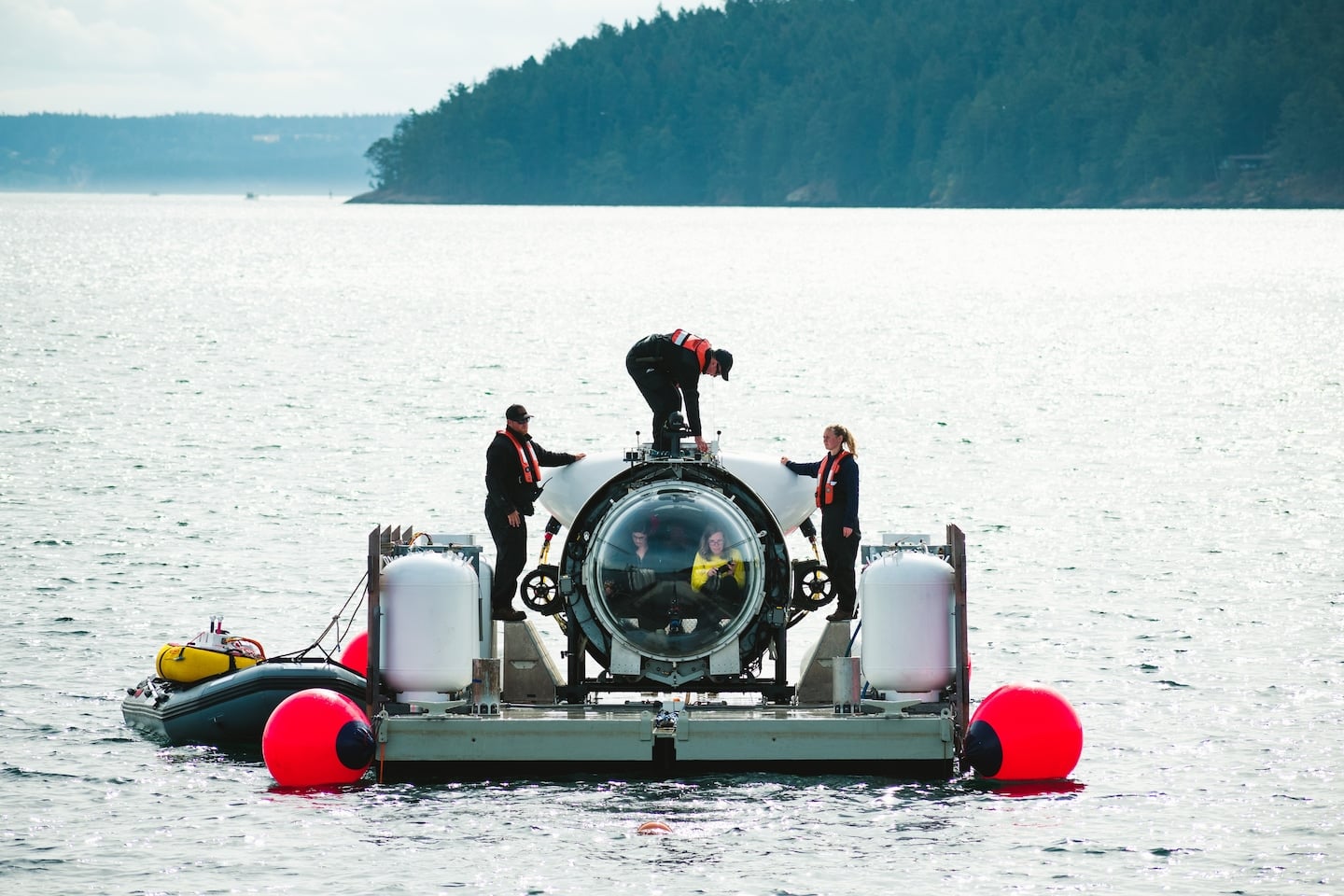
Before the tragic loss of OceanGate's submersible, Titan, the company's vessels were used for scientific expeditions and research projects in the Pacific Northwest. OceanGate partnered with SeaDoc Society in 2018 for three projects to study a local species of sea urchin and its kelp-filled ecosystem. The company's submersible, Cyclops 1, traveled to depths of around 290 meters for these projects. OceanGate also assisted in archaeological missions and created a 3D model of a sunken steamboat. The company's high-end tourism helped subsidize its deep-sea research, which wasn't financially sustainable on its own.
OceanGate, a company founded by Stockton Rush in 2009, aims to help scientists and researchers unravel oceanic mysteries by giving them better access to the sea floor than ever before. Rush saw a way to use advances in materials sciences to craft a new type of sub that would be oblong, rather than spherical, and made with carbon fiber. The design would carry five people and would give scientists and deep-sea adventurers alike more room. The company's novel submersible Titan was reported overdue Sunday night off Newfoundland, with Rush and four others onboard, spurring a desperate international search.
Stockton Rush, the founder of Titanic Submersible Company, recognized the potential of undersea tourism and started building submersibles for ocean exploration. His company has since become a leader in the industry, offering tourists the opportunity to explore the depths of the ocean in a safe and comfortable manner.