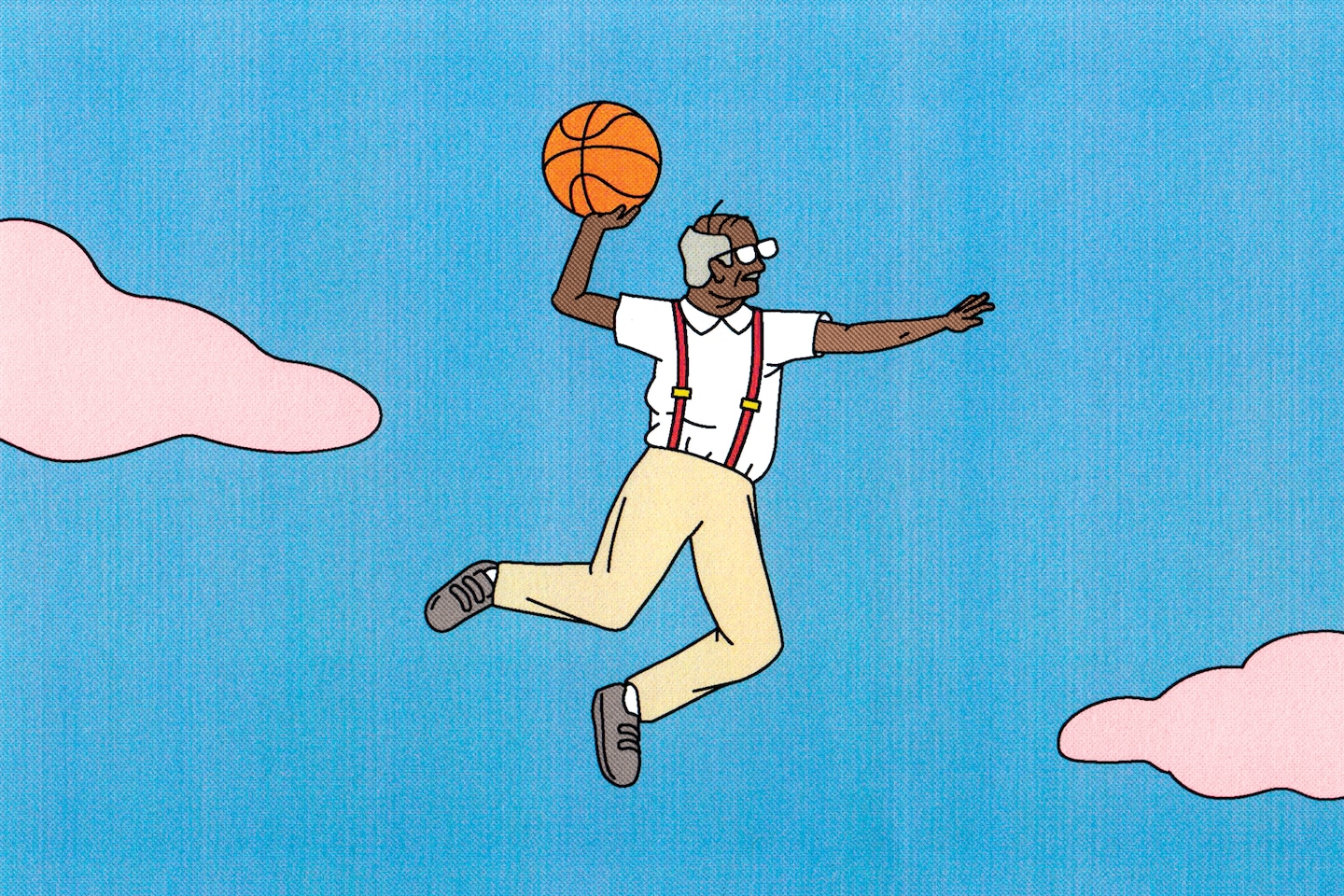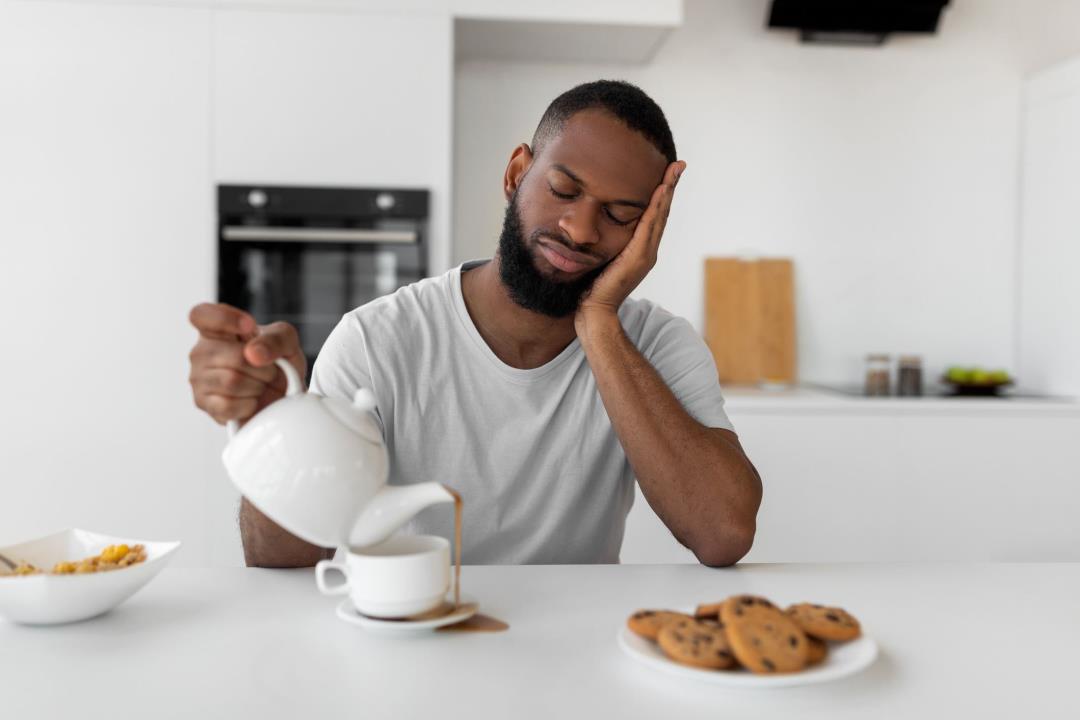
A new study suggests that just two consecutive nights of poor sleep can make a person feel years older than they really are, with participants reporting feeling three months older for every night of poor sleep. Morning people were particularly affected by limited sleep, but even evening people felt older than their true age after plenty of sleep. Feeling older coincided with more sleepiness, and previous research has linked higher subjective age to depression. The study's lead author suggests that subjective age is "malleable," and if people can be made to feel younger, they may experience associated benefits such as being more willing to take on new experiences and being socially and physically active.
The question of whether age is biological or psychological is complex and multifaceted. Biologically, aging is marked by the gradual breakdown of bodily systems, such as the shortening of telomeres and the loss of the Y chromosome in males and menopause in females. However, psychological factors also play a significant role in how we experience and perceive aging. Research suggests that individuals who feel younger may live longer, and a positive outlook can promote longevity. Cognitive decline and social isolation can impact our experience of aging, highlighting the interplay between biology and psychology. While chronological age remains an important indicator for health issues, there is growing recognition of the need to consider psychological factors and interventions to support mental health and wellbeing in the aging process.
Research shows that feeling younger than your chronological age is correlated with better overall health and can serve as a “biopsychosocial marker” predictive of healthy aging beyond chronological age. A study published in Psychological Science in April reported that, over time, adults have been feeling younger, and younger than those of the same chronological age in the past, even when accounting for other factors that could influence subjective age such as chronic illness, loneliness and education level. Women reported feeling younger than men of the same age, a gap that has only widened in recent years, which may explain some of the trends in youthful feeling.