
Tag

Subeixi Culture

All articles tagged with #subeixi culture

Ancient Chinese Tomb Yields Oldest Leather Saddle on Record
archaeology2 years ago

Ancient Chinese Tomb Yields Oldest Leather Saddle on Record

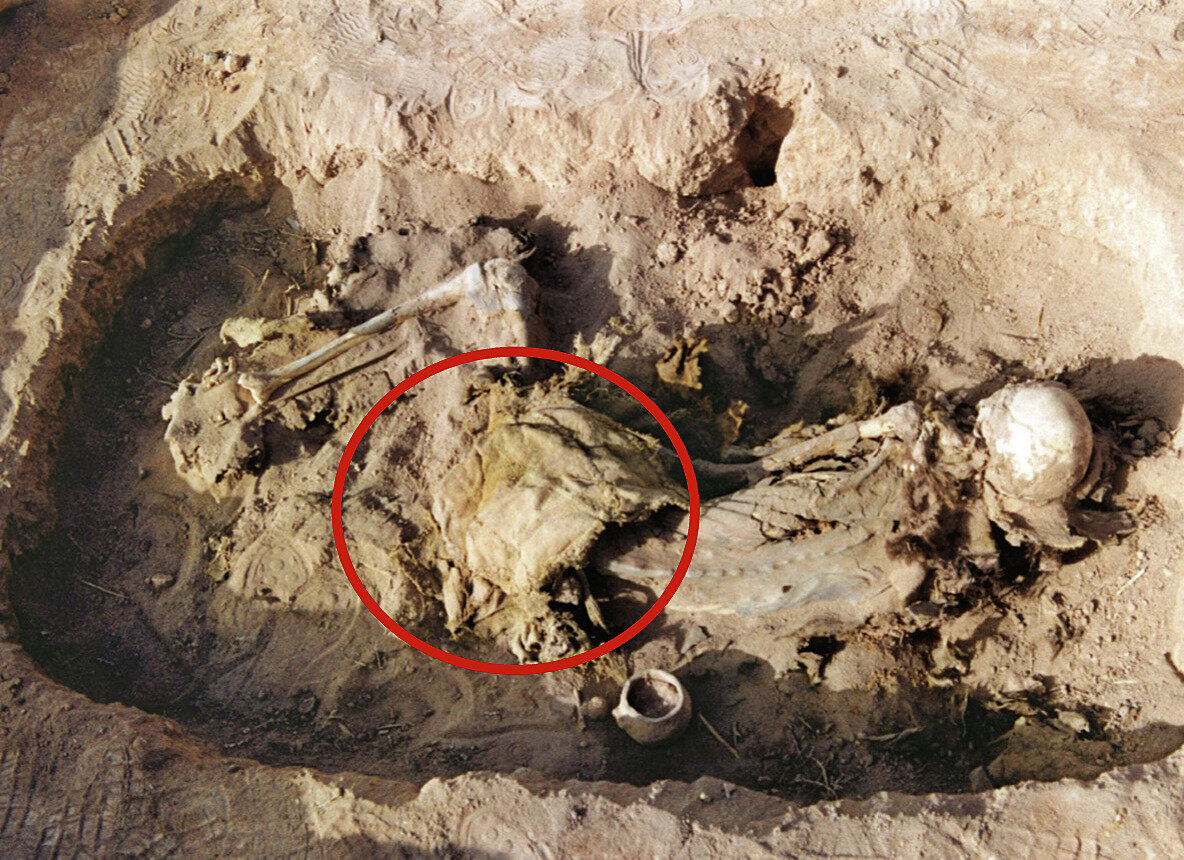
Archaeologists have discovered what may be the oldest known saddle at a cemetery in Yanghai, China. The saddle was found in a tomb for a woman dressed in riding gear and dates back approximately 2,700 years. The saddle was made by creating cushions from cowhide and stuffing them with deer and camel hair along with straw. The researchers suggest that the earliest use of saddles was by people in China and that the more likely purpose of riding horses was to assist with herding animals.

"Oldest Leather Saddle Discovered in Chinese Tomb"
archaeology2 years ago

"Oldest Leather Saddle Discovered in Chinese Tomb"

Archaeologists have discovered a 2,700-year-old leather horse saddle in the tomb of a woman in northwestern China, which may be the oldest ever found. The saddle, made between 724 and 396 B.C., was discovered in the Turpan Basin of China's Xinjiang Uygur Autonomous Region and may predate saddles known from the Scythians. The saddle was made of two cowhide cushions filled with a mixture of straw and deer and camel hair. The discovery suggests women participated in the day-to-day activities of mounted pastoralists, which included herding and travelling, contradicting traditionalist historical narratives associating horse-riding with warfare by elite men.

archaeology2 years ago

Ancient Chinese Tomb Yields Oldest Leather Saddle on Record

Archaeologists have discovered a 2,700-year-old leather horse saddle in the tomb of a woman in northwestern China, which may be the oldest ever found. The saddle, made between 724 and 396 B.C., was discovered in the Turpan Basin of China's Xinjiang Uygur Autonomous Region and may predate saddles known from the Scythians. The earliest Sythian saddles seem to date from between the fifth and the third centuries B.C. and have been found in the Altai Mountains region of Russian Siberia and in eastern Kazakhstan. The saddle's position suggests that women participated in the day-to-day activities of mounted pastoralists, which included herding and travelling.