
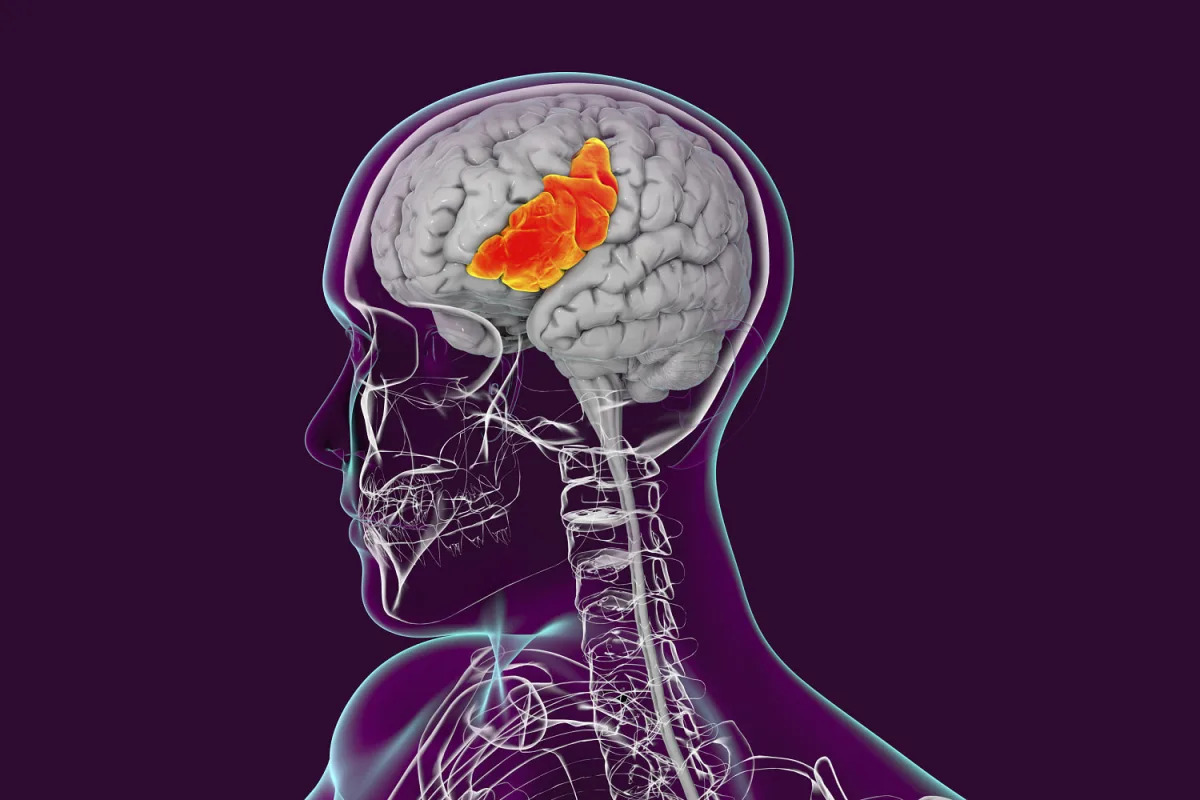
Scientists at the University of California, San Francisco have developed a bilingual brain implant using AI to help a stroke survivor named Pancho communicate in both Spanish and English. The implant decodes his brain activity into sentences, allowing him to switch languages based on preference. This breakthrough demonstrates the potential of bilingual speech neuroprostheses to restore natural communication for bilingual individuals with paralysis.
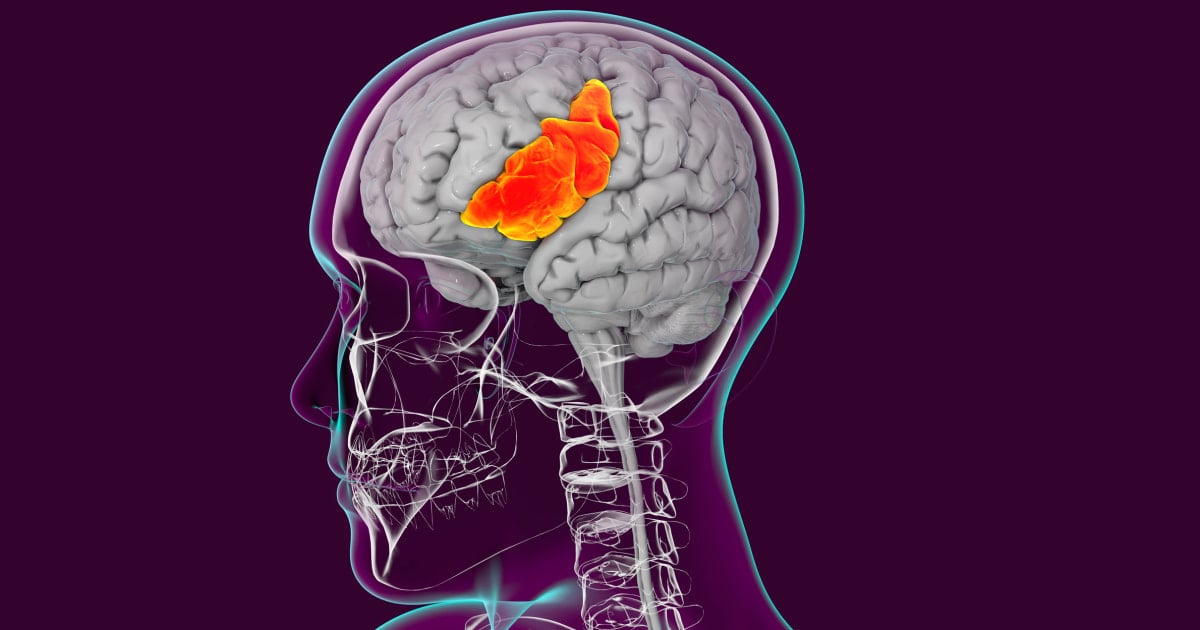
Scientists at the University of California, San Francisco have developed a bilingual brain implant using AI to help a stroke survivor named Pancho communicate in both Spanish and English. The implant decodes his brain activity into sentences displayed on a screen, allowing him to switch languages based on preference. This breakthrough demonstrates the potential of bilingual speech neuroprostheses to restore natural communication for bilingual individuals with paralysis.
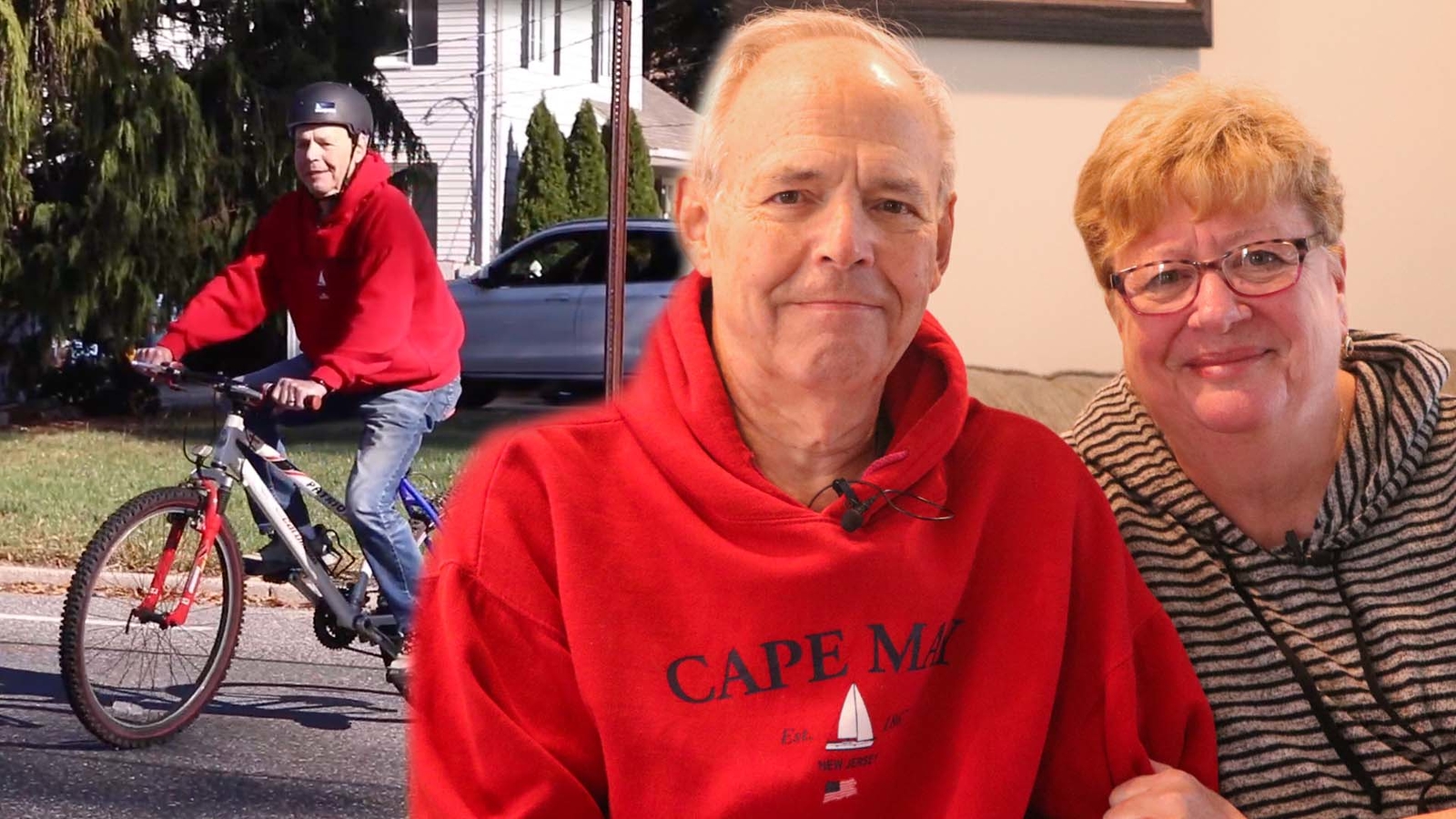
Ed Martini, a stroke survivor from New Jersey, credits the quick action of healthcare heroes for his miraculous recovery. His wife, Eileen, recognized the signs of a stroke and called 911, leading to a helicopter transfer to a comprehensive stroke center. Neurosurgeons successfully removed a clot in Martini's brain, and he quickly regained his health and returned to his normal activities. Martini expresses gratitude to the healthcare team for saving his life.