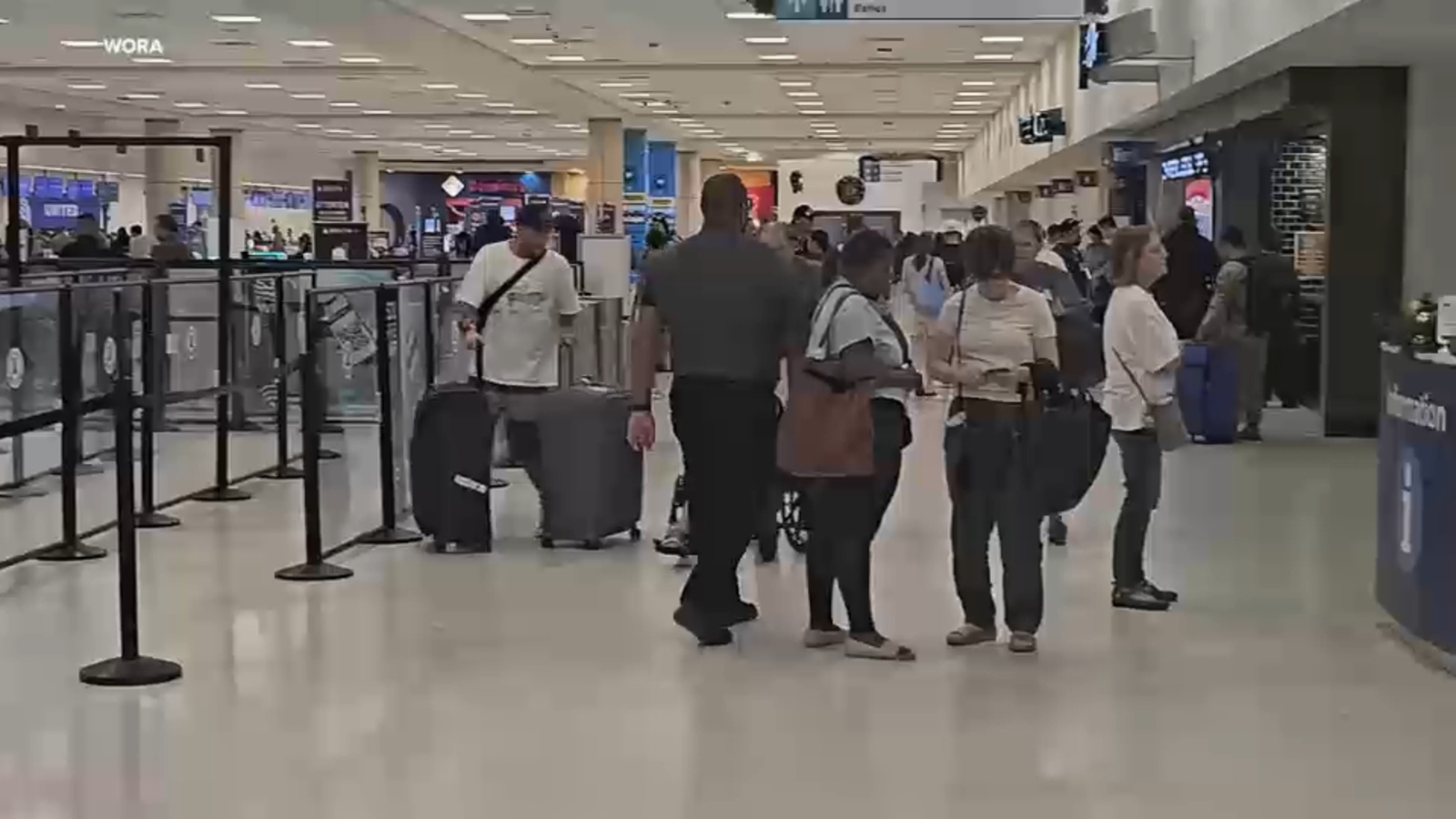
The U.S. military operation to capture Venezuelan President Nicolás Maduro led to the closure of Caribbean airspace, causing widespread flight cancellations and stranded tourists, though flights are gradually resuming as airlines add capacity and restore normal operations.
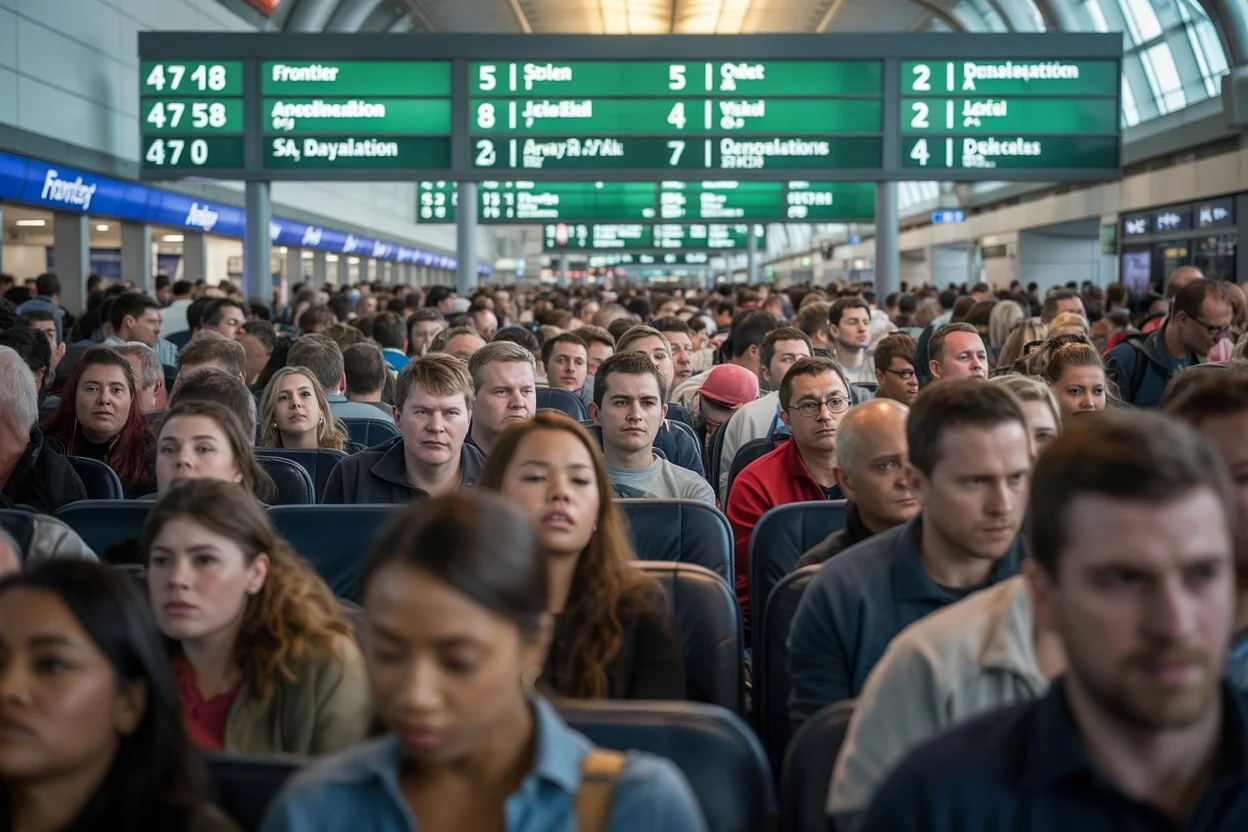
Venezuela's tourism industry is in crisis as thousands of tourists are stranded due to US military strikes, airspace bans, and travel disruptions, affecting regional and international travel with widespread delays, cancellations, and security concerns.
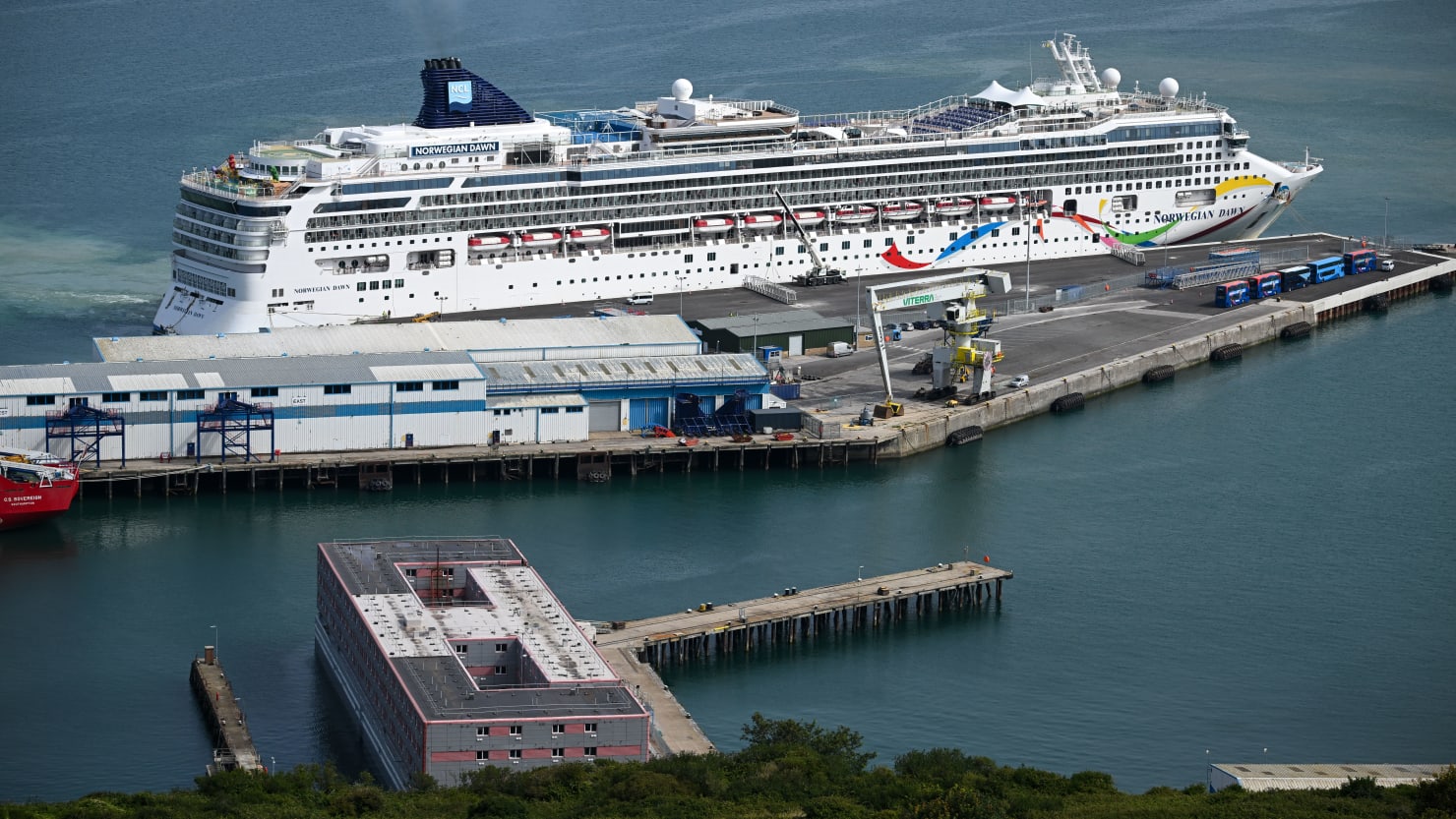
Eight tourists, including a pregnant woman and elderly individuals, were left stranded in São Tomé and Príncipe after missing the departure time for their Norwegian Cruise Lines ship. Despite attempts to catch up with the ship, they were refused entry and left without credit cards, medications, and essentials. The cruise line placed responsibility on the passengers for missing the deadline, while the stranded tourists sought assistance from the U.S. embassy and attempted to catch the ship at subsequent ports.
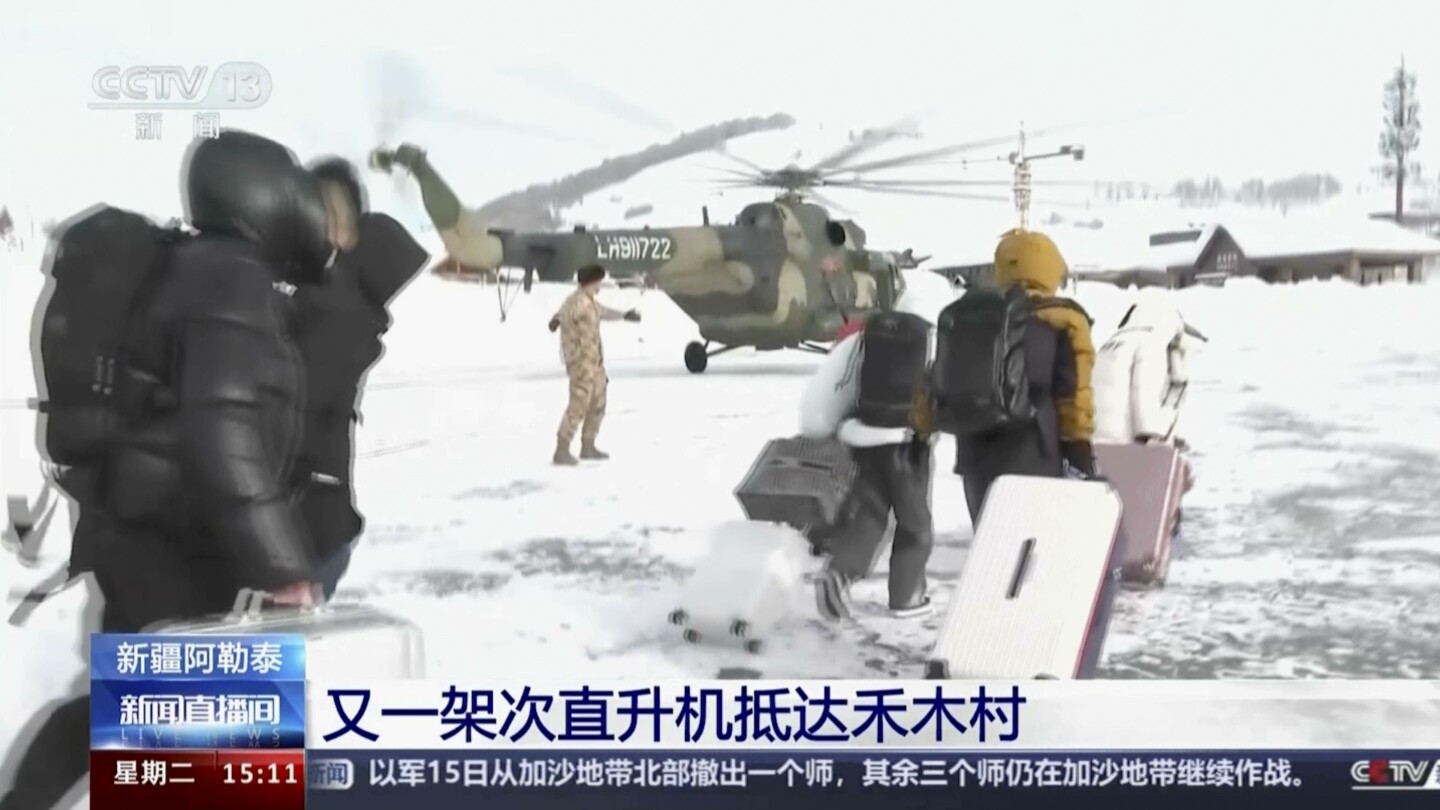
More than 1,000 people, including tourists and residents, have been trapped for a week in a remote skiing area in northwestern China due to dozens of avalanches triggered by heavy snow. Rescuers are evacuating the stranded individuals, with injured people being airlifted out on military helicopters and supplies being flown in. Road clearing efforts have been hampered by the area's geography, and the Kanas scenic area, where the village is located, will remain closed due to continued extreme weather until at least Jan. 20.
Around 1,000 tourists are trapped in China's Xinjiang region after avalanches cut off road access to the remote Hemu village, with heavy snow and fickle weather hindering evacuation efforts. Dozens of avalanches triggered by continuous snowfall have blocked highways, reaching heights of up to seven meters and rendering snow clearing equipment ineffective. Rescue and snow removal work are further complicated by rocks, debris, and tree branches mixed in the snow, with narrow windows for supply missions due to rapidly changing weather. Authorities have organized personnel and machinery for the ongoing rescue and relief efforts, expecting the snow clearing work to continue for some time.
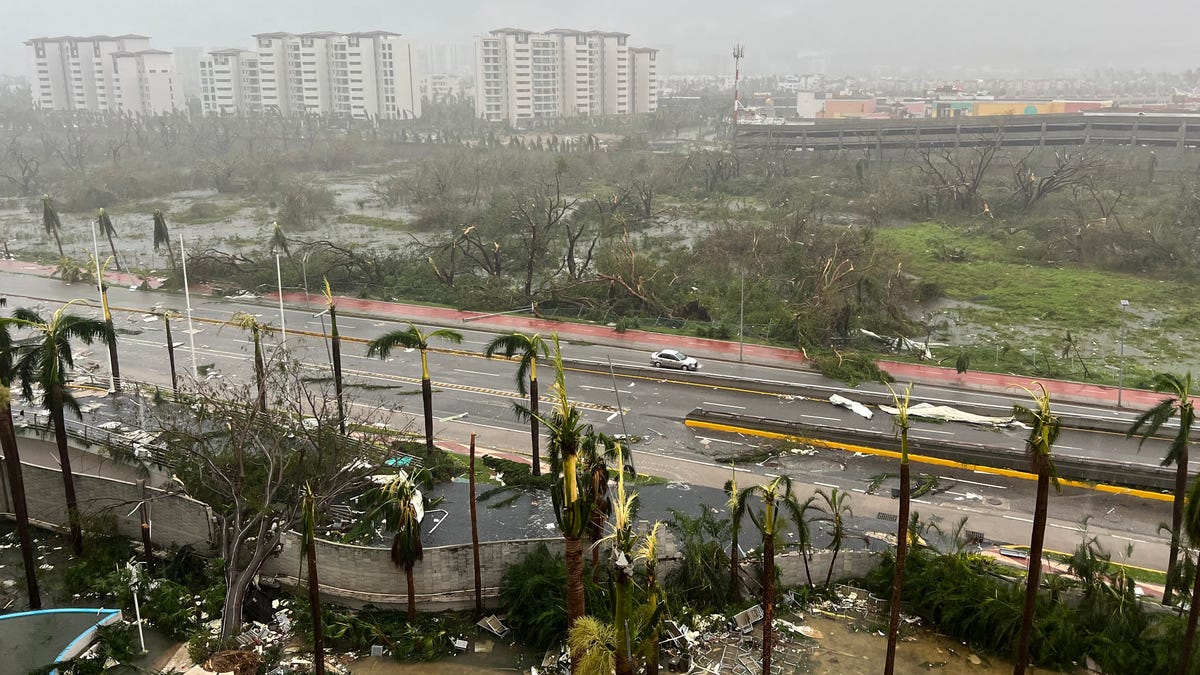
Tourists attending a mining convention in Acapulco, Mexico, were stranded in their hotels as Hurricane Otis, one of the strongest storms on record, hit the area. The hurricane made landfall as a Category 5 storm, causing widespread damage and leaving 27 people dead. Many tourists, including Joseph Namlick, found themselves sleeping on bathroom floors as their hotel rooms flooded. The storm's rapid intensification caught many off guard, with winds ripping off roofs and flooding streets. Eventually, buses arrived to evacuate the stranded tourists to Mexico City.