A recent state audit revealed significant financial mismanagement and weaknesses at Texas Southern University, including inaccurate vendor records, lack of inventory procedures, and delayed financial reporting. Lt. Gov. Dan Patrick called the findings 'deeply disturbing' and has halted non-essential spending, while the university commits to addressing the issues amidst a history of operational problems.
External auditors EisnerAmper issued an unmodified opinion on BREC’s 2023 financial statements, as the agency works to complete its delayed state audits.
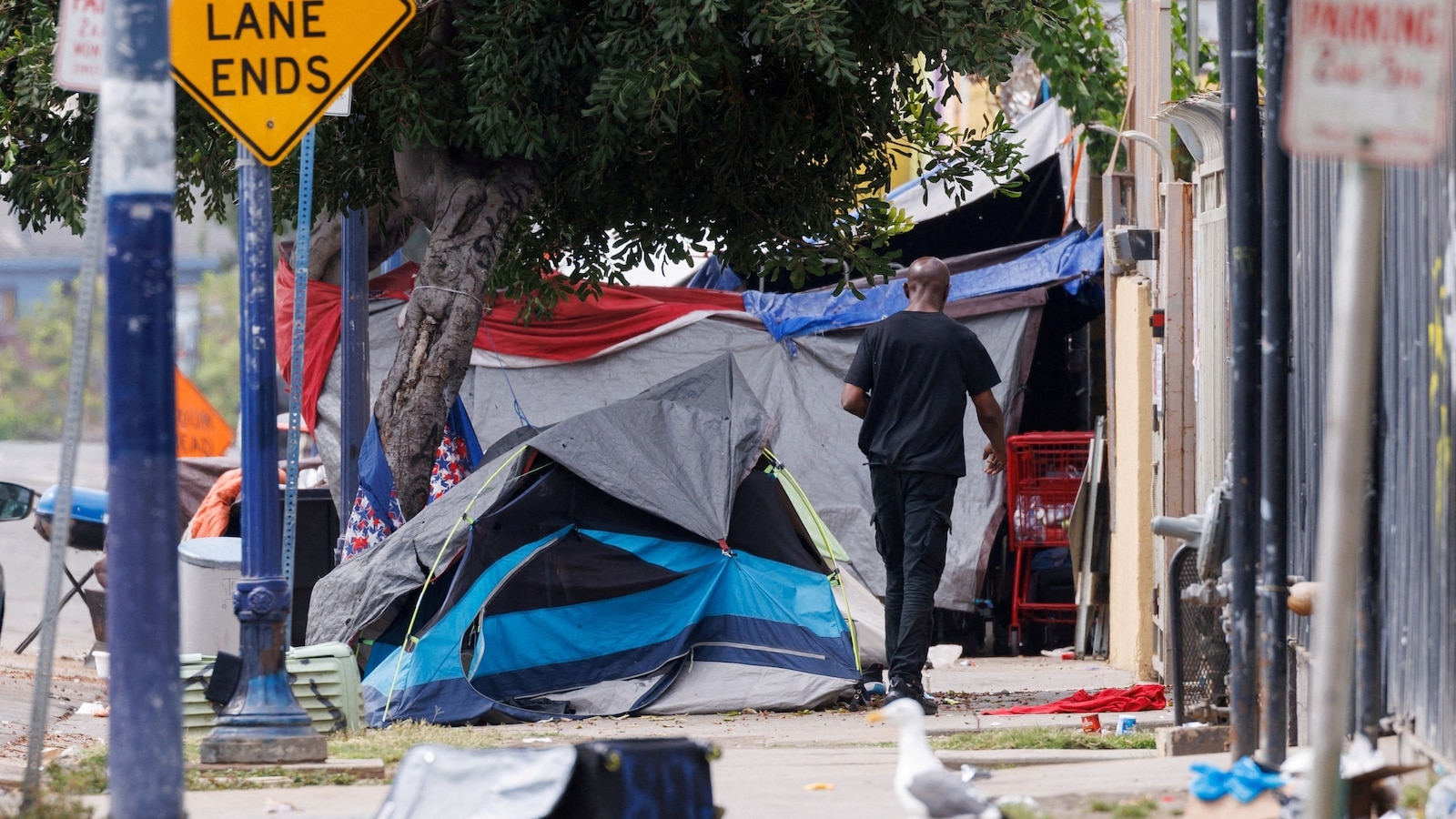
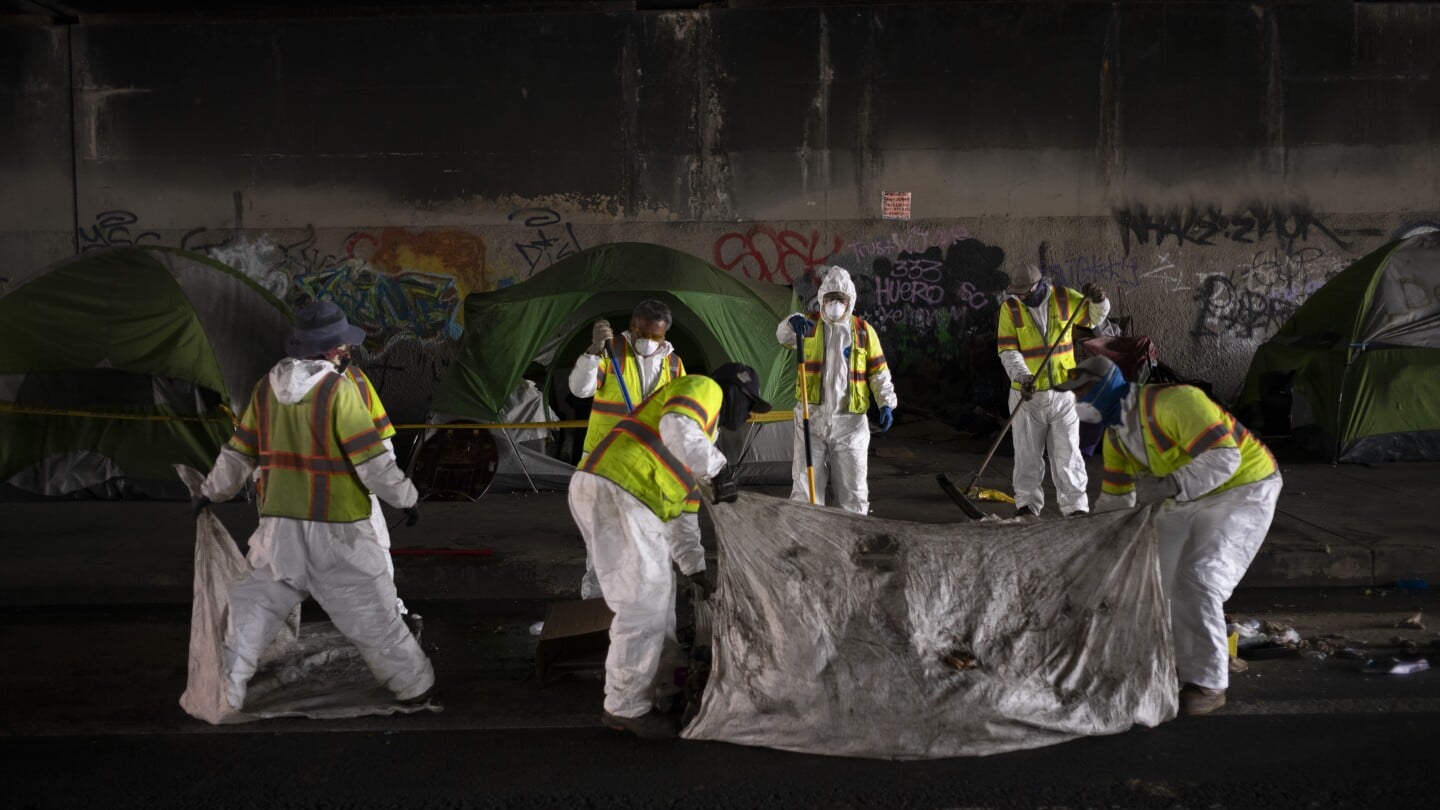
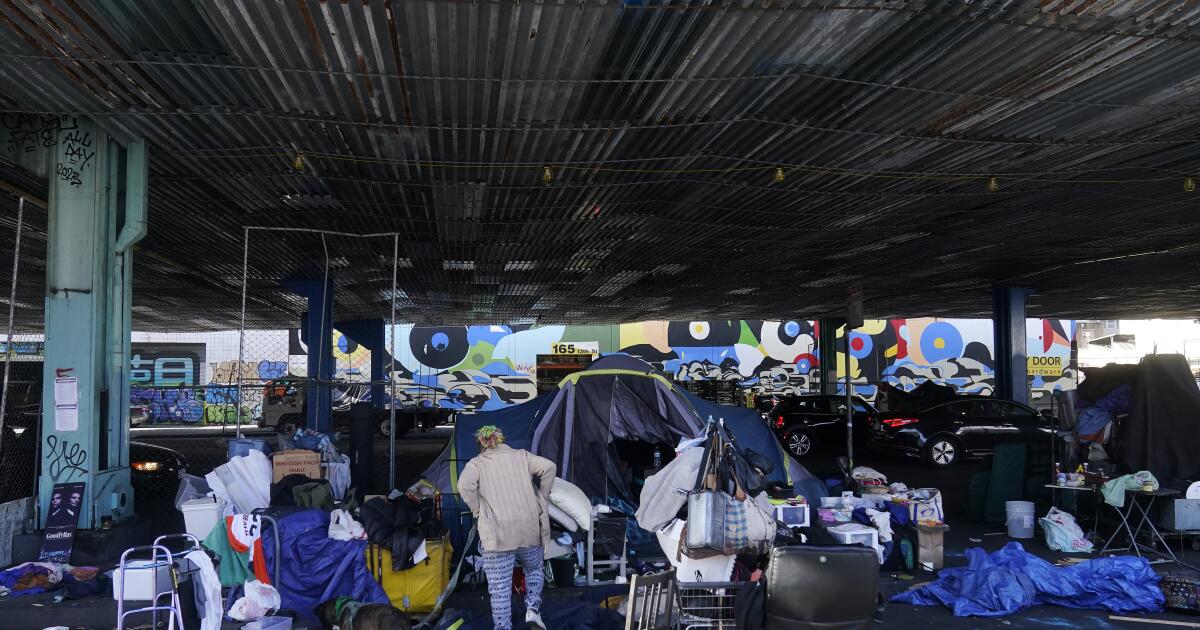
California GOP leaders are demanding accountability after a state audit revealed that around $24 billion spent on homeless and housing programs over the past five years did not consistently track whether the funds improved the crisis. The audit found that the California Interagency Council on Homelessness stopped tracking program effectiveness in 2021 and failed to collect and evaluate outcome data due to a lack of consistent method. Republican leaders blamed the Newsom administration for the mismanagement of taxpayer money, while Democratic Sen. Dave Cortese emphasized the need for improved data and transparency at both state and local levels. Despite the audit's findings, the California Interagency Council on Homelessness has stated that it has made improvements in data collection and is shifting blame to local governments for not being held more accountable.
A state audit report reveals that California has failed to track the effectiveness of its billion-dollar spending on homelessness programs, with 9 state agencies collectively spending billions over the past five years. While some programs appear to be cost-effective, the effectiveness of many remains unclear due to a lack of data on costs and outcomes. Lawmakers are calling for improved transparency and accountability, as the state continues to grapple with rising homelessness.
California spent $24 billion on homelessness over 5 years but didn't consistently track outcomes, with an estimated 171,000 homeless people in the state. A state audit found that only two of the 30 programs evaluated were likely cost-effective, highlighting a lack of reliable data to understand why the problem didn't improve in many cities. The audit also revealed a lack of accountability and transparency at every level, with the California Interagency Council on Homelessness failing to track spending or program effectiveness. Lawmakers and officials have acknowledged the need for improved data collection and accountability, emphasizing the importance of local governments in addressing the homelessness crisis.
A state audit revealed that California spent $24 billion on homelessness programs over the past five years without consistently tracking their effectiveness, leading to a lack of reliable data to understand why the issue hasn't improved in many cities. The audit found that only two of the programs were likely cost-effective, including one that converts hotel and motel rooms into housing and another that provides housing assistance to prevent families from becoming homeless. The lack of accountability and transparency at every level has raised concerns among lawmakers, with calls for a shift toward solutions that prioritize self-sufficiency and cost effectiveness. The California Interagency Council on Homelessness, responsible for overseeing the programs, has not tracked spending or program effectiveness, and the state database contains inaccuracies. The council acknowledged the findings and emphasized the need for local governments to step up in collecting data on program outcomes.
A state audit reveals that California has failed to effectively monitor the outcomes of its substantial spending on homelessness programs, raising concerns about the worth of the billions of dollars allocated as the unsheltered population continues to rise. The audit found that a state council overseeing homelessness programs has not consistently tracked spending or program outcomes, leading to a lack of crucial data for policymakers. Recommendations include requiring annual reporting of spending plans and outcomes, as well as implementing a "scorecard" to track program success. The audit also revealed that most participants in state programs end up in interim housing rather than permanent housing. Additionally, the audit found that the cities of San José and San Diego have not evaluated the effectiveness of their homelessness programs despite receiving millions in funding.