The article discusses the turbulent start of 2026 for Spirit Airlines, which remains in Chapter 11 bankruptcy, and highlights key airline industry trends for the year, including new premium products, route expansions, changes in fare structures, and ongoing issues with air traffic control staffing and regulations, all shaping the future of air travel.
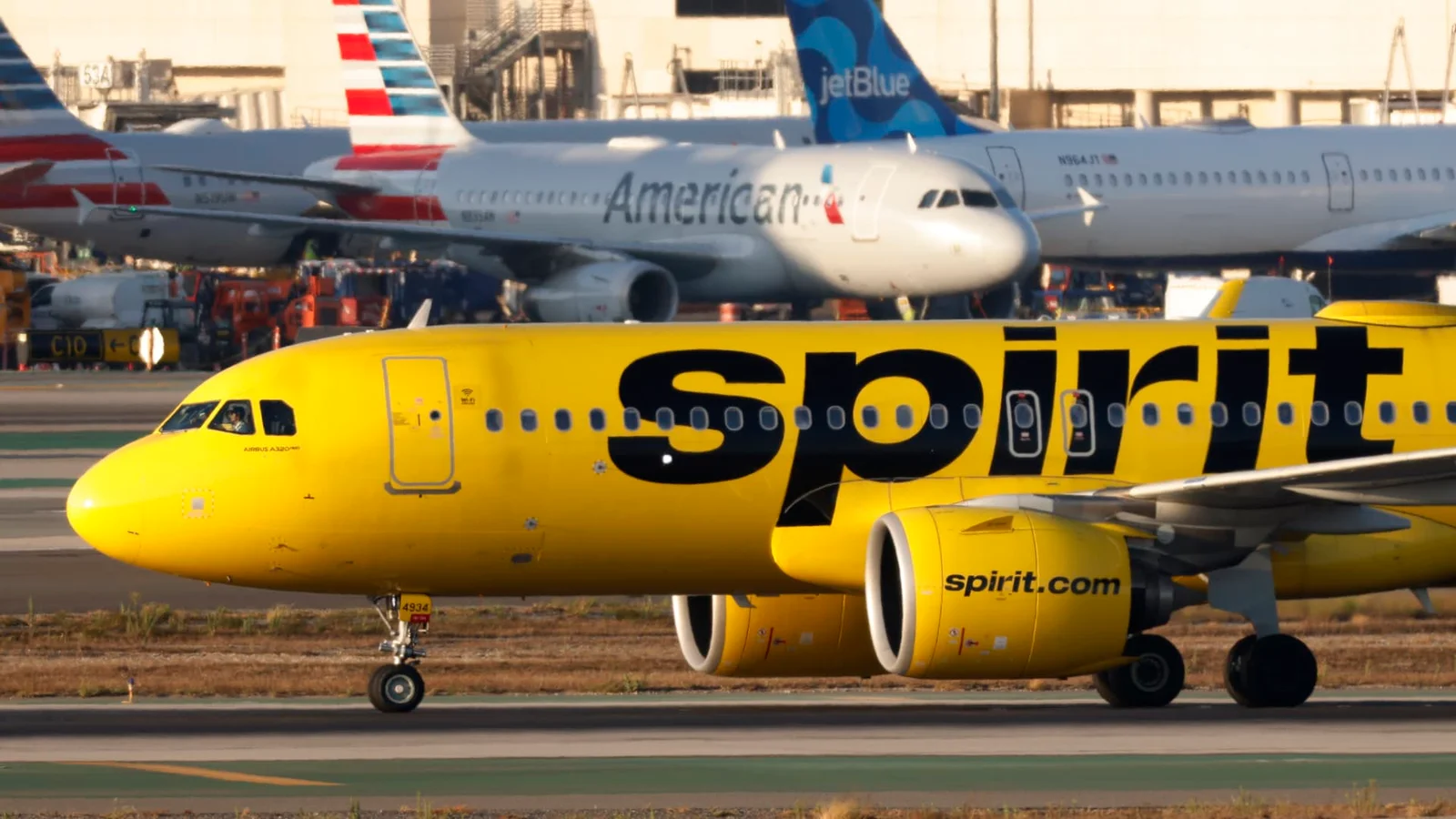
Spirit Airlines has amended its DIP credit agreement, securing an additional $100 million to support its restructuring efforts, with ongoing negotiations for further strategic options, while continuing operations and improving its fleet and cost structure.
Originally Published 3 months ago — by Cranky Flier
Spirit Airlines is undergoing significant restructuring in bankruptcy, including obtaining $475 million in DIP financing, reducing its fleet from 214 to potentially around 100 aircraft, and rejecting many lease agreements, which could improve its chances of emerging from bankruptcy as a smaller, more viable airline.
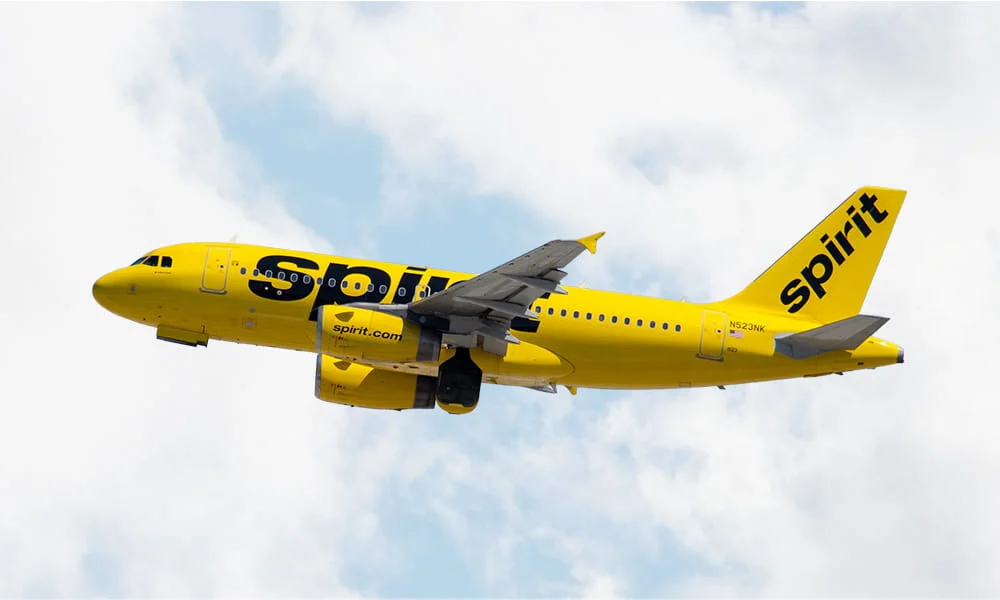
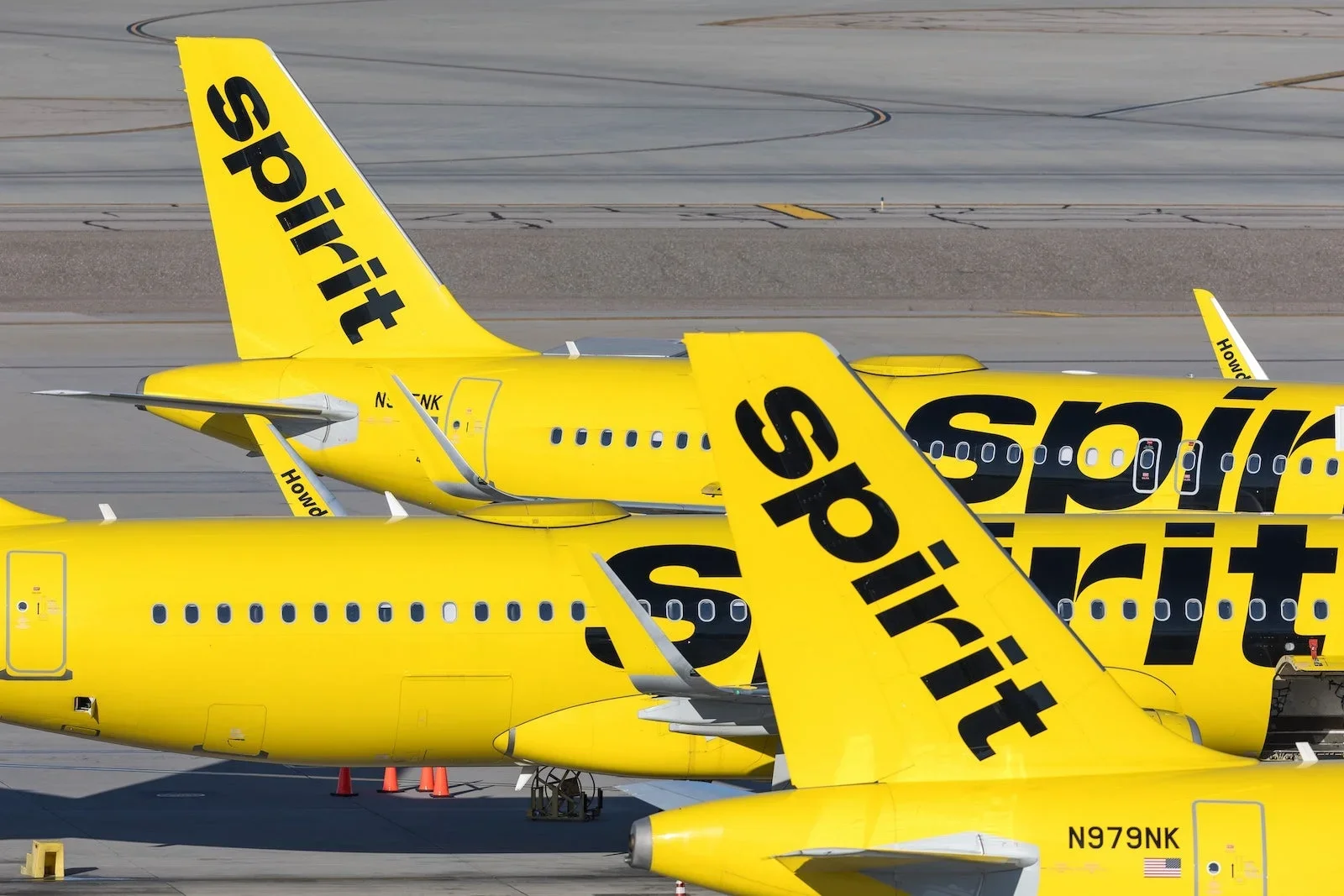
Spirit Airlines is significantly reducing its fleet by over 100 planes through lease rejections and network cuts as part of its bankruptcy restructuring, aiming to save hundreds of millions of dollars and survive financial difficulties.
Spirit Airlines has made significant progress in its Chapter 11 restructuring, securing up to $475 million in DIP financing, reaching agreements with key stakeholders including aircraft lessors, and rationalizing its network and fleet to reduce costs, all aimed at strengthening its financial position and future growth.
Spirit Airlines is making significant progress in its restructuring efforts after filing for Chapter 11 bankruptcy for the second time in a year, securing up to $475 million in debtor-in-possession financing, cutting routes, furloughing staff, and rejecting aircraft and airport leases to reduce costs.
Spirit Airlines will cease operations at Minneapolis-St. Paul International Airport on December 1, as part of a broader network reduction that includes exiting Hartford, CT, and cutting around 40 routes, furloughing 1,800 staff, and operating only two routes from MSP to Atlanta and Detroit.
Spirit Airlines is suspending about 40 routes, including Hartford and Minneapolis, as part of a 25% reduction in its November schedule to cut costs amid its second bankruptcy in a year. The airline has also furloughed around 1,800 flight attendants and hired Andrea Lusso, a former Amazon Air executive, as vice president of network planning to optimize its operations.
Spirit Airlines plans to furlough about one-third of its flight attendants, approximately 1,800 employees, as part of its efforts to cut costs following its second bankruptcy in a year, amidst increased competition and market challenges.
Spirit Airlines plans to furlough about 1,800 flight attendants, roughly a third of its cabin crew, as part of cost-cutting measures amid its second bankruptcy in less than a year, with voluntary furloughs offered first and involuntary ones set to begin in December.
Spirit Airlines is preparing to furlough about one-third of its flight attendants, approximately 1,800 employees, due to financial struggles following its second bankruptcy in a year, as it plans to reduce flight capacity by 25% and focus on rightsizing the airline.
Spirit Airlines CEO announced plans to cut flights by 25% in November and reduce staff as part of efforts to cut costs and stabilize after filing for bankruptcy twice in a year, with ongoing negotiations with unions and vendors.
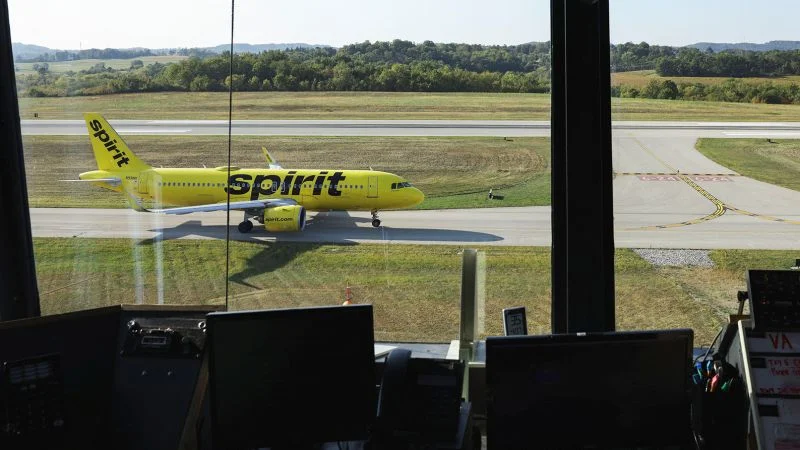
A Spirit Airlines flight was warned multiple times by air traffic controllers to maintain distance after flying too close to President Trump's Air Force One during his UK trip, but the planes remained within safe separation distances according to FAA investigations. The incident involved the Spirit flight traveling parallel to Air Force One over New York, prompting safety alerts from controllers, though no unsafe proximity occurred.
A Spirit Airlines pilot was sternly warned by air traffic control to steer clear of Air Force One carrying President Trump, with repeated commands to turn away after flying too close, highlighting safety concerns during the flight.
Frontier Airlines CEO Barry Biffle responded dismissively to United Airlines CEO Scott Kirby's claim that the discount airline model is dead, defending his airline's lower costs and market strategy amid industry struggles with oversupply and rising costs. The debate highlights ongoing competition among U.S. budget carriers and larger airlines adapting their offerings.