Air Lease is being sold to a Sumitomo-led group for $7.4 billion, creating the world's second-largest aircraft leasing company, with the deal expected to close in 2026 and providing a significant boost to consolidation in the aviation finance sector.
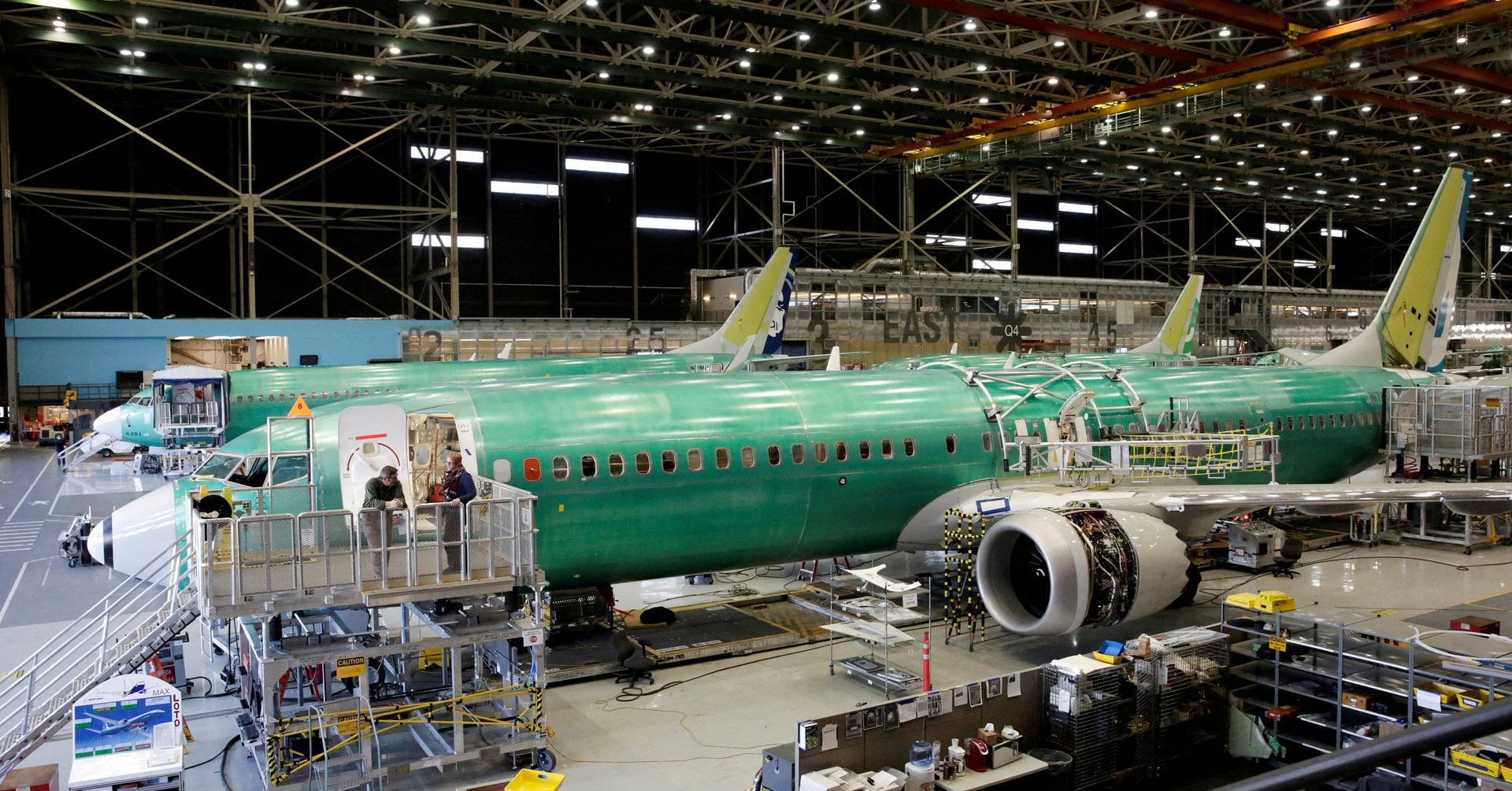
The aviation industry's financiers are meeting in Dublin amid the aftermath of the Boeing 737 MAX safety crisis, with concerns about supply disruptions and regulatory risks. The recent partial grounding of the 737 MAX 9 following the Alaska Airlines incident has added a new layer of uncertainty to the industry, impacting production and future growth predictions. While leasing companies may benefit from higher returns on investments, airlines could face delays in receiving new technology and higher lease rates, potentially leading to higher fares. The conference will also test confidence in Boeing's leadership, with calls for executives to step aside, as the industry grapples with the implications of the recent safety crisis.
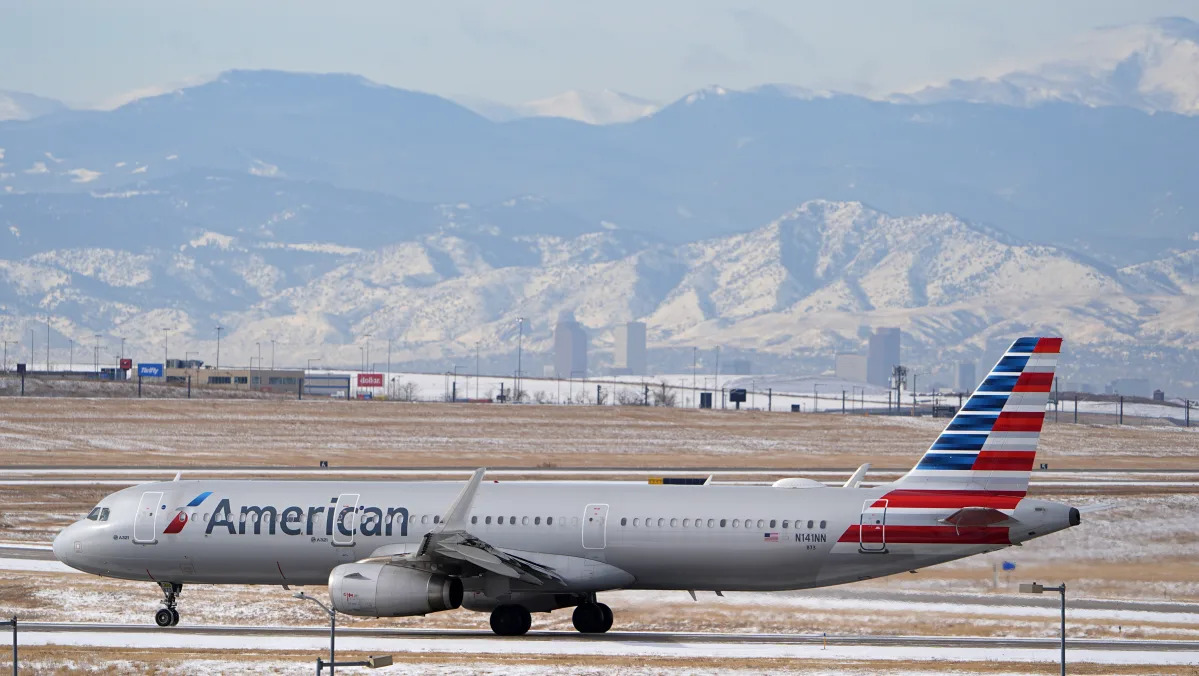
American Airlines reported a sharp decline in fourth-quarter profit and anticipates a loss in early 2024 due to rising labor costs, while Southwest Airlines also posted a loss and expects to receive fewer new planes from Boeing this year. Both carriers faced challenges with production problems at Boeing, with American predicting a loss of 15 to 35 cents per share in the first quarter and Southwest reporting a $219 million loss in the fourth quarter.
Standard Chartered has announced the sale of its global aviation finance leasing business to Saudi Arabia-based AviLease for approximately $3.6 billion. The deal includes an initial consideration of $700 million and the repayment of $2.9 billion of net intra-group financing. The move is part of Standard Chartered's efforts to streamline its operations and focus on areas where it stands out from competitors. AviLease, owned by Saudi Arabia's sovereign wealth fund, aims to support Saudi Arabia's aviation ecosystem through the acquisition. The global aircraft leasing business has faced challenges from inflation and rising borrowing costs, leading to consolidation in the sector.