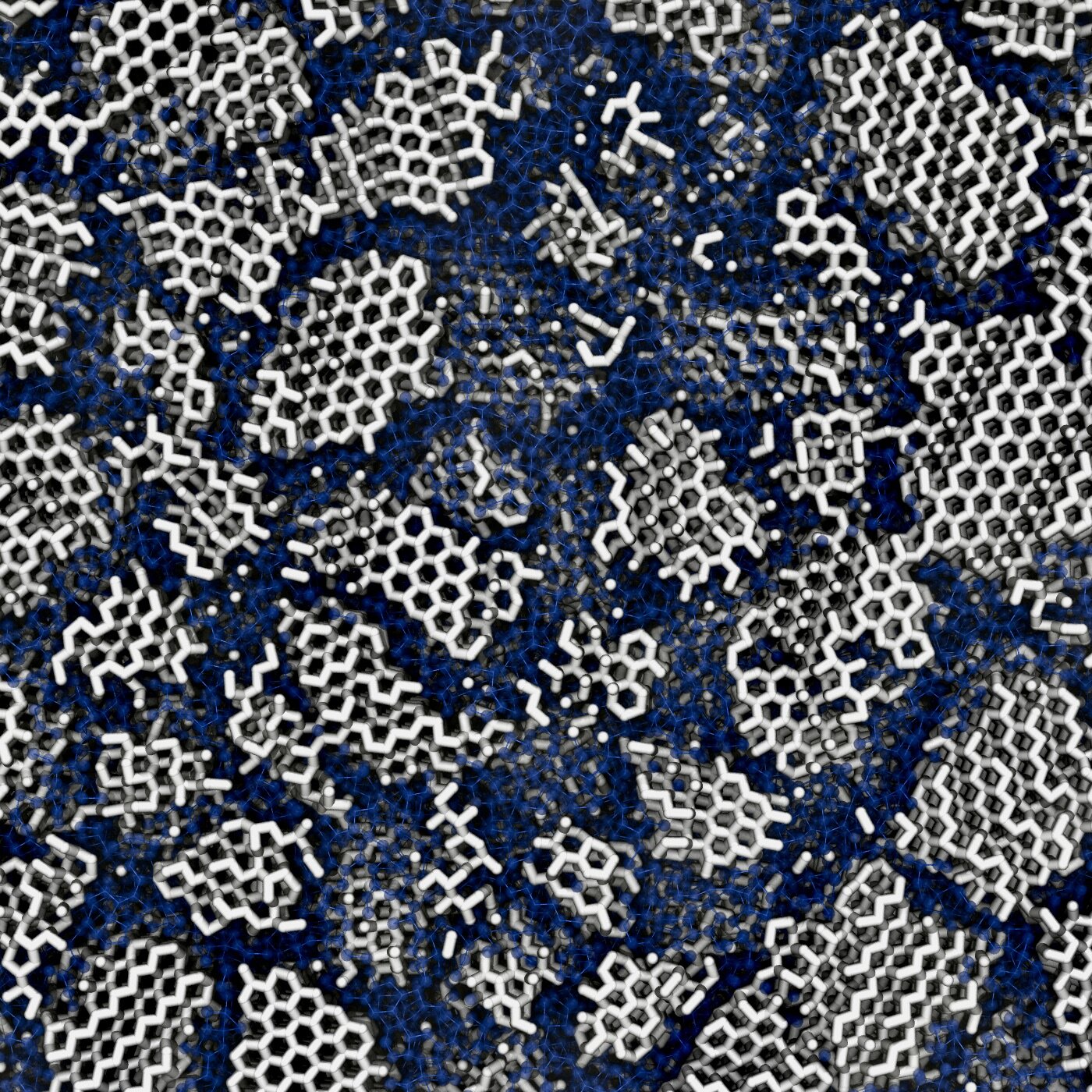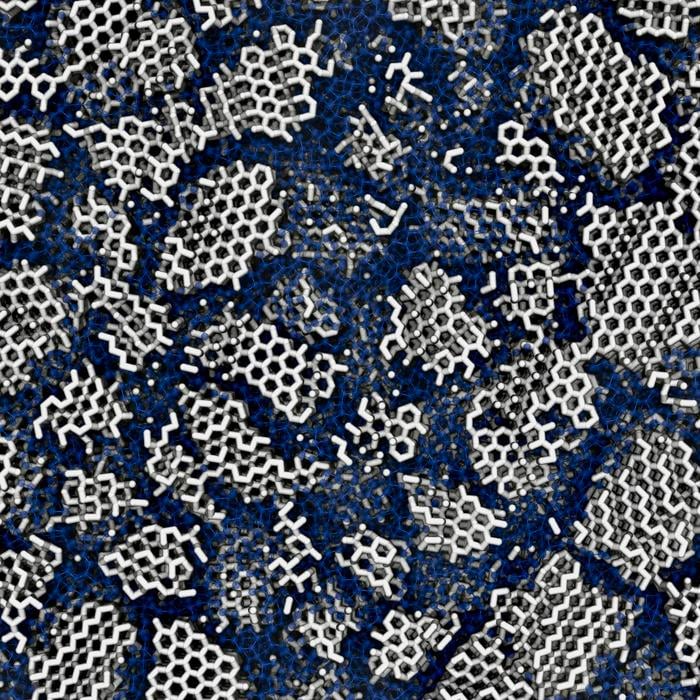
Scientists at UCL studied the structure of space ice, discovering that it contains tiny crystals within amorphous ice, which differs from Earth's crystalline ice. This finding impacts our understanding of cosmic processes like planet formation and the potential transport of life's building blocks, with implications for space technology and theories like Panspermia.
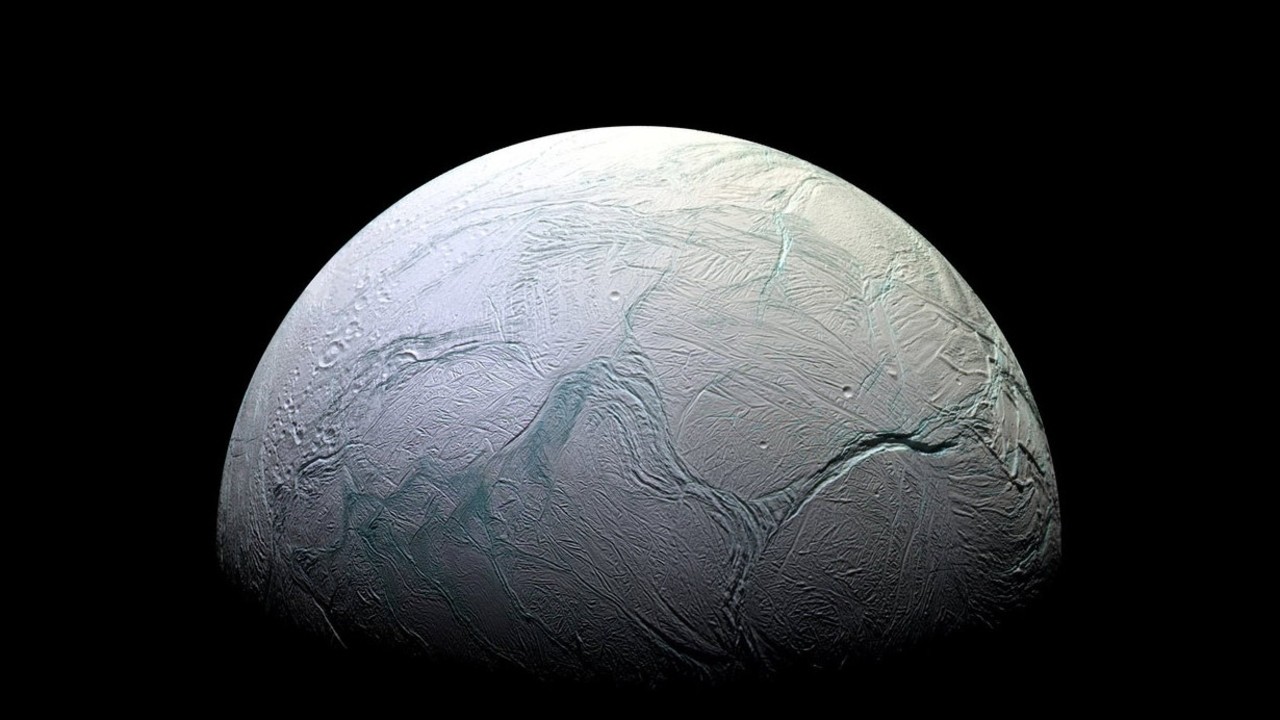
New research suggests that ice in space, such as on Saturn's moon Enceladus, can be partly crystalline, challenging previous beliefs that space ice was purely amorphous due to extremely low temperatures. Simulations and X-ray diffraction measurements indicate that up to 25% of space ice may have crystalline structures, which has implications for understanding planetary formation, space materials, and the origins of life.
A new study reveals that 'space ice' contains tiny crystals and is not fully amorphous as previously thought, which has implications for understanding cosmic processes and the origins of life. The research shows that low-density amorphous ice in space includes embedded crystalline structures, challenging earlier assumptions and opening new questions about the nature of amorphous materials.