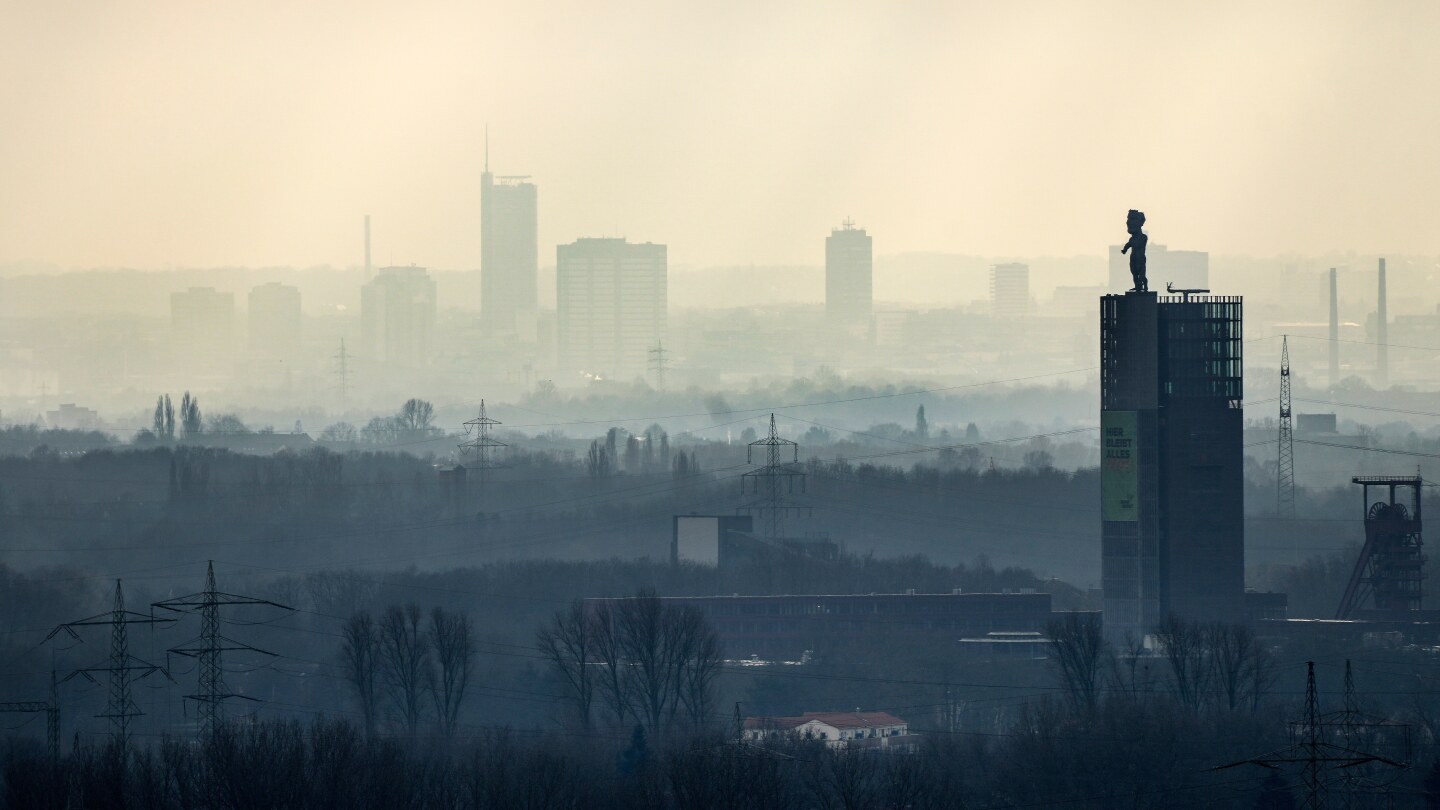
Al Gore's Climate TRACE has expanded its satellite and AI technology to track soot pollution in 2,500 cities worldwide, identifying pollution sources and helping the public understand local air quality, with the goal of providing real-time data for health and environmental awareness.
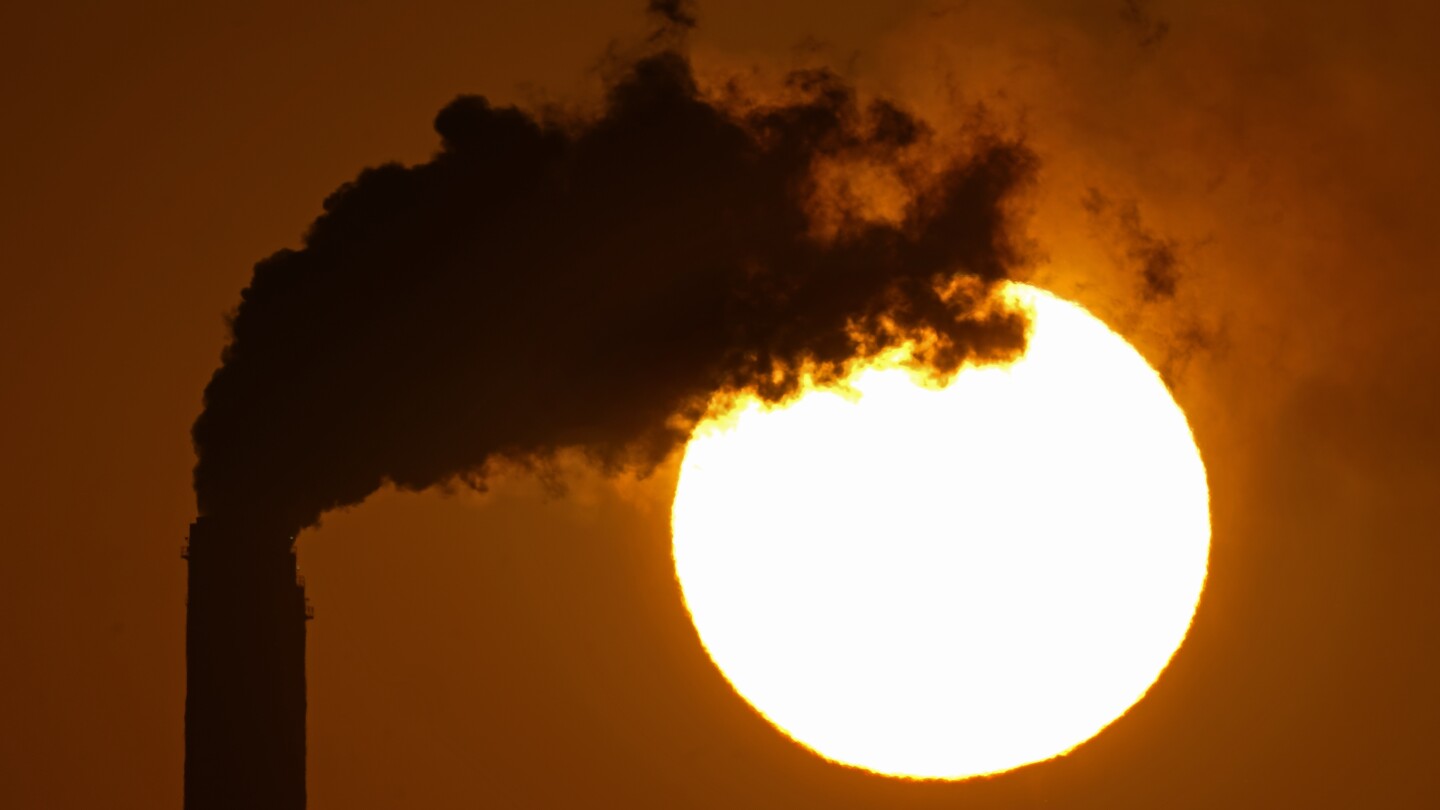
25 Republican-led states and business groups have filed lawsuits challenging the Biden administration's new EPA rule on soot pollution, arguing that it would raise costs and hinder economic growth. The rule, which tightens standards for deadly soot pollution, is facing legal opposition from industry groups and Republican-led states, who claim that the U.S. already has strict air quality standards. The EPA rule aims to reduce fine particle pollution and is expected to create significant health benefits, but opponents argue that it could put hundreds of U.S. counties out of compliance and harm the economy.
The Biden administration has announced stricter standards for soot pollution, aiming to reduce fine particle matter from various sources to prevent thousands of premature deaths annually. Environmental and public health groups support the move, while industry groups express concerns about potential job losses and economic impact. The new rule sets a maximum level of 9 micrograms of fine particle pollution per cubic meter of air, down from 12 micrograms established a decade ago. The EPA estimates $46 billion in net health benefits by 2032, including the prevention of asthma attacks and premature deaths. The rule is expected to benefit children, older adults, and those with heart and lung conditions, particularly in low-income and minority communities.