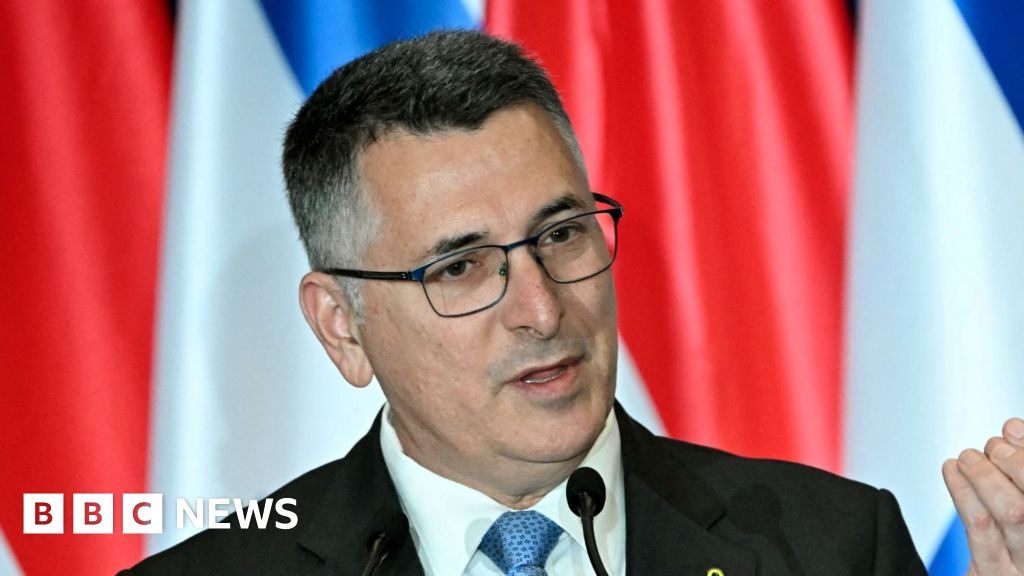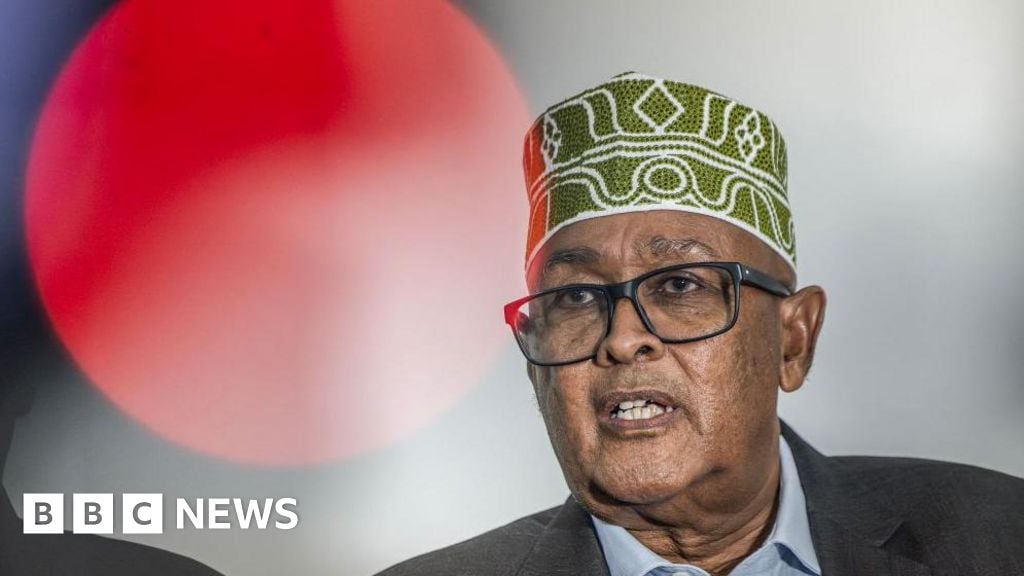
Israel's foreign minister Gideon Saar visited Somaliland, the first official visit following Israel's recognition of Somaliland's independence, which has been rejected by Somalia and criticized internationally, highlighting shifting diplomatic dynamics and Somaliland's quest for recognition.
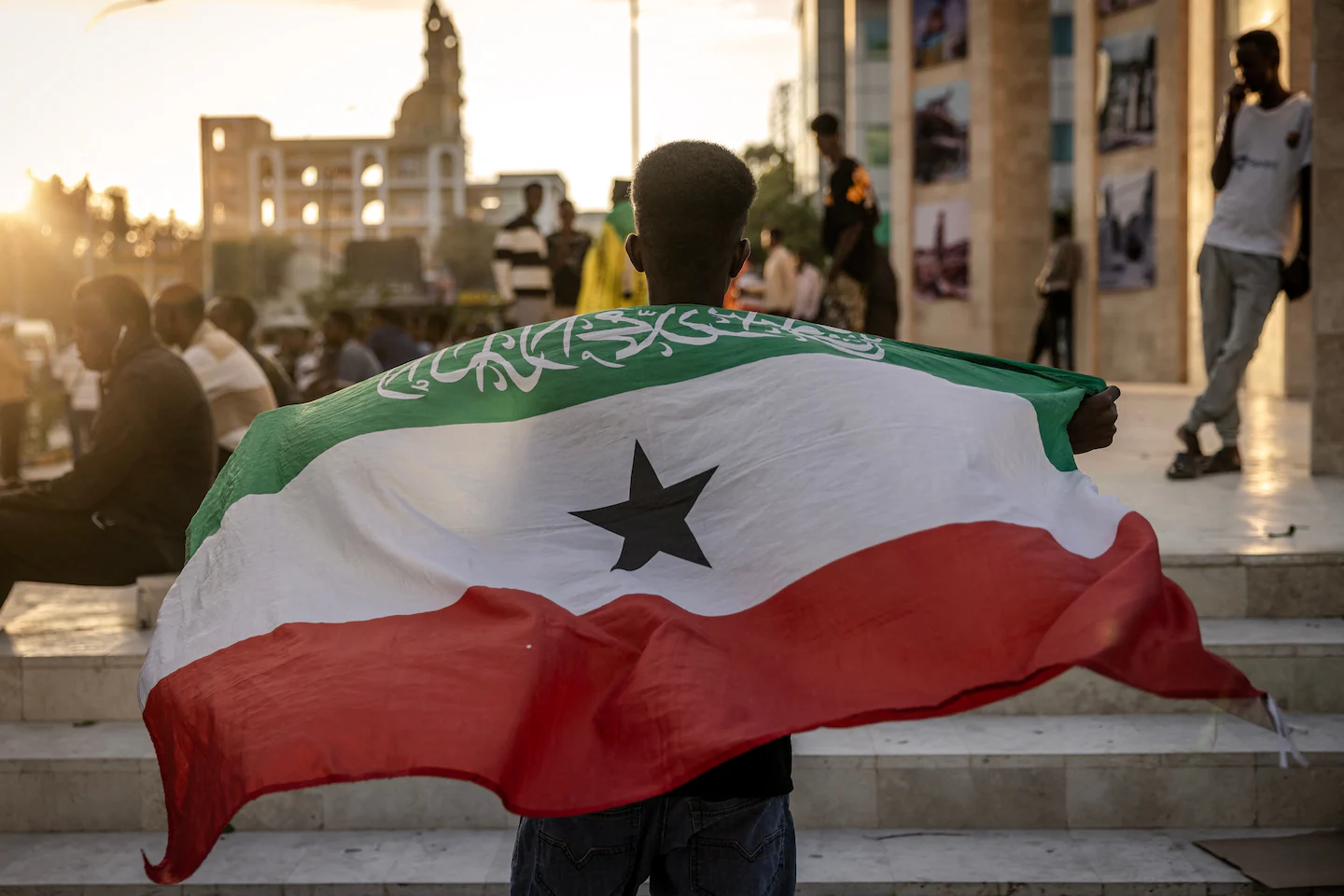
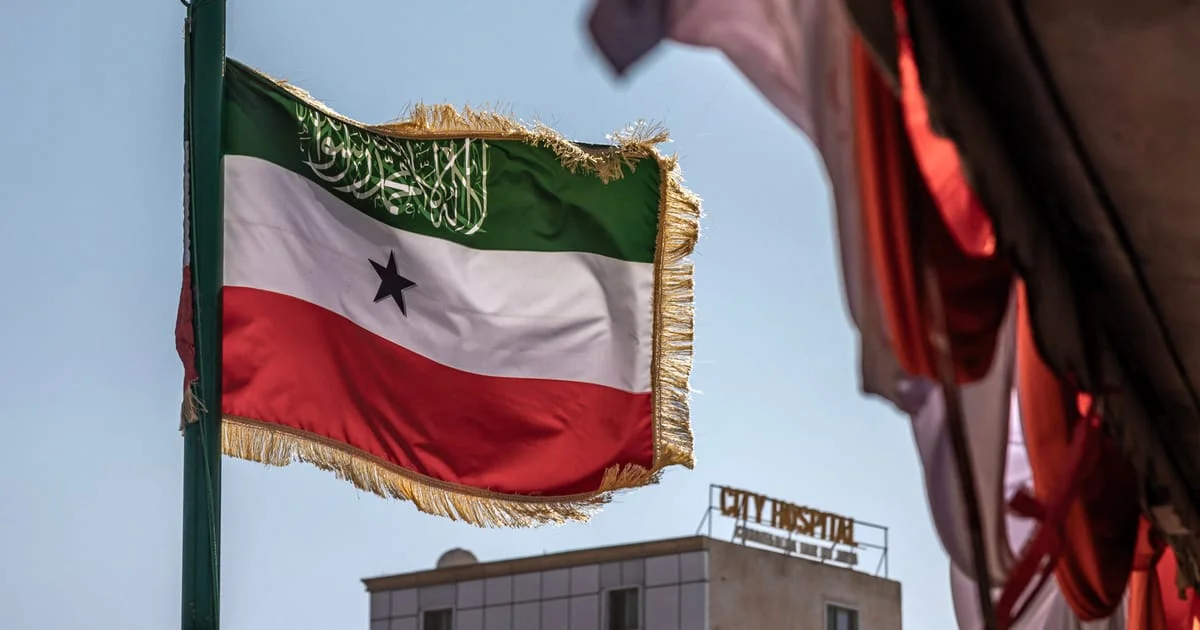
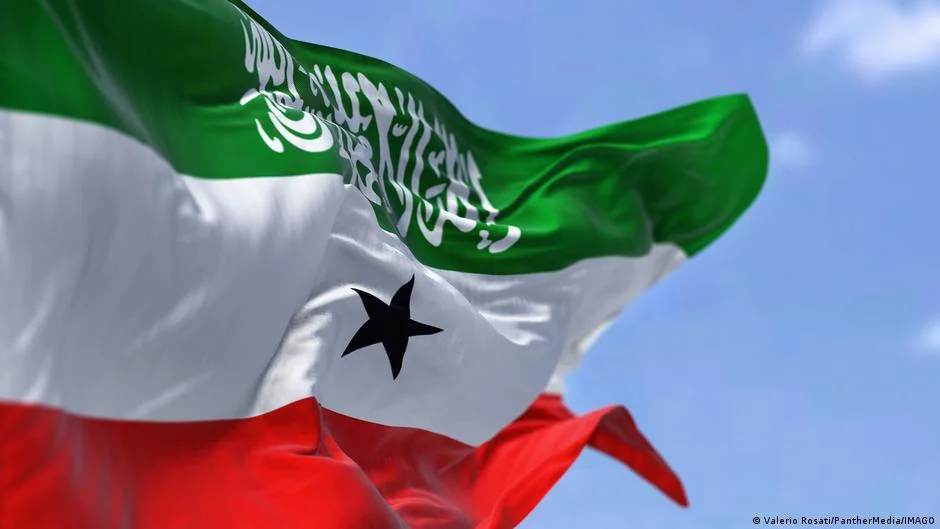
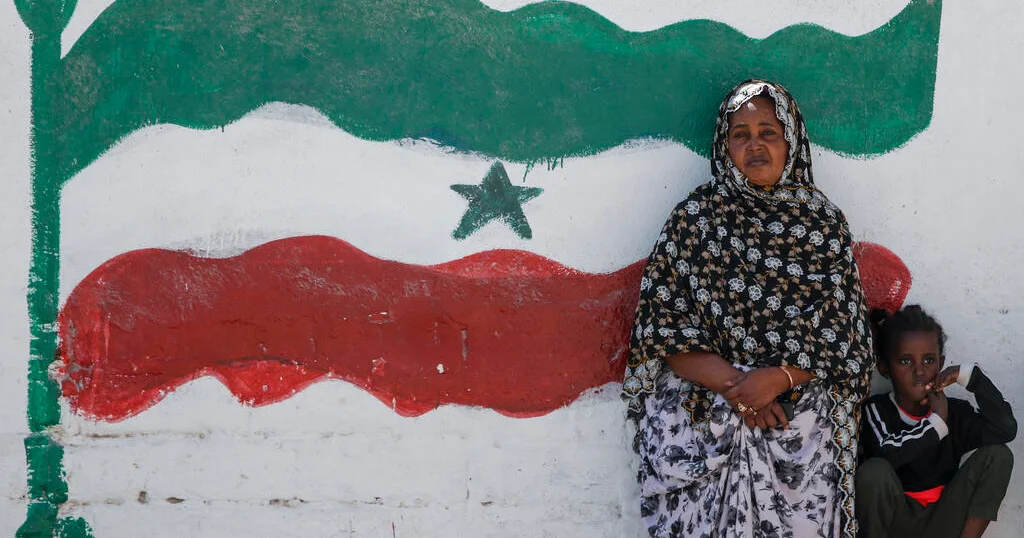
Israel has officially recognized Somaliland as a sovereign state, marking a significant diplomatic development despite regional tensions, with celebrations in Somaliland's capital, Hargeisa.
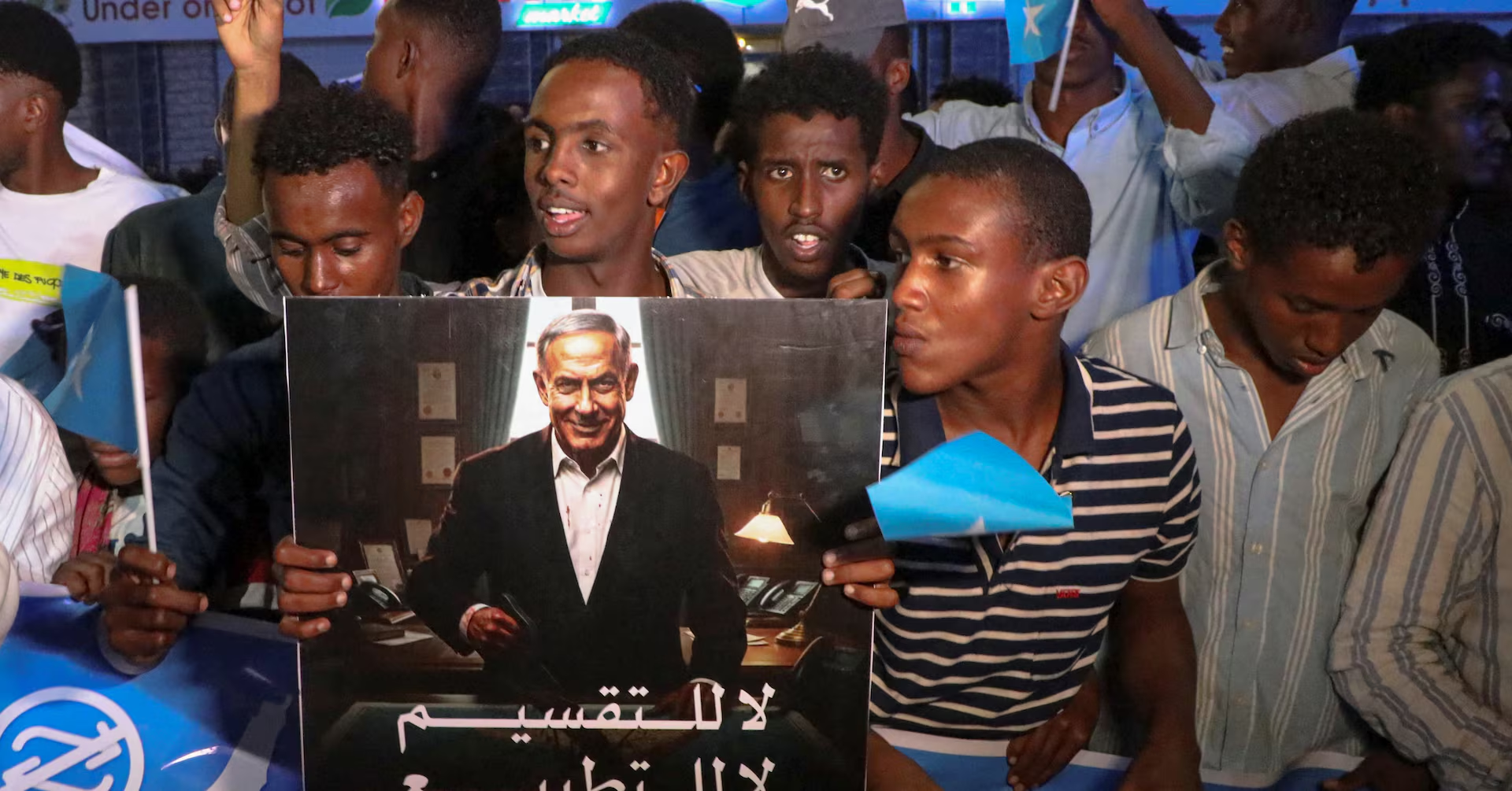
Israel has officially recognized Somaliland as an independent state, prompting mixed reactions at the UN, with some countries questioning the motives related to Gaza and regional stability. The move is seen as strategic for Israel, but faces opposition from Somalia, Arab League, and others concerned about implications for Palestinian displacement and regional security.
Several governments have condemned Israel's recognition of Somaliland, highlighting ongoing international disputes and diplomatic tensions surrounding Somaliland's quest for recognition.
The press release condemns the purported recognition of Somaliland, viewing it as a dangerous move that could escalate regional and global crises, and calls for a strong response from the UN Security Council, emphasizing China's moral responsibility given its stance on similar issues like Taiwan.
The EU has called for respecting Somalia's territorial integrity after Israel became the first country to recognize Somaliland as an independent state, a move condemned by Somalia and many regional and international actors, citing concerns over regional stability and sovereignty.
African regional bodies strongly oppose Israel’s recognition of Somaliland as an independent nation, reaffirming Somalia’s sovereignty and warning against actions that could threaten peace and stability in the region, amid broader international reactions and diplomatic tensions.
African regional bodies strongly oppose Israel’s recognition of Somaliland as an independent state, reaffirming its status as part of Somalia and emphasizing the importance of sovereignty and stability in the region. The move has been met with rejection from the African Union, Somalia, and other regional entities, while Israel’s recognition was part of broader diplomatic efforts linked to the Abraham Accords. The international community largely supports Somalia’s territorial integrity.
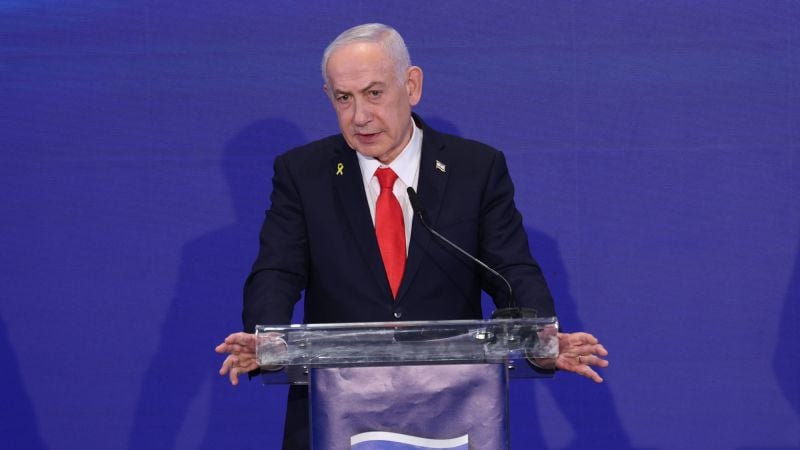
Israel has become the first country to officially recognize Somaliland as an independent state, a move that could impact regional dynamics and challenge Somalia's opposition. Prime Minister Netanyahu expressed interest in cooperation with Somaliland, aligning with the Abraham Accords, while neighboring countries like Egypt condemned the recognition, emphasizing support for Somalia's unity. Somaliland, which has operated with de facto independence since 1991, hopes this recognition will boost its international standing.
Israel has become the first country to officially recognize Somaliland as an independent state, establishing full diplomatic relations and expanding cooperation, despite opposition from Somalia and neighboring countries. This move could influence regional diplomacy and economic prospects, while facing criticism for potentially setting a precedent under international law.
Israel has become the first country to officially recognize Somaliland as an independent state, establishing full diplomatic relations including embassies and ambassadors, a move that has strategic implications and has been condemned by Egypt and Turkey. The recognition aligns with Israel's broader regional interests and could influence geopolitical dynamics in the Horn of Africa and the Middle East.
Israel has become the first country to officially recognize Somaliland, establishing full diplomatic relations and marking a significant milestone for Somaliland's quest for international recognition since its declaration of independence in 1991.
Somalia and Ethiopia have reached a joint declaration to resolve their dispute over the Somaliland region and Ethiopia's need for sea access, following mediation by Turkish President Erdogan. The agreement, announced in Ankara, aims to foster peace and cooperation, with both nations committing to work on commercial and bilateral arrangements to ensure Ethiopia's access to the sea under Somalia's sovereignty. This development follows tensions over Ethiopia's previous deal with Somaliland, which Somalia viewed as a sovereignty violation.
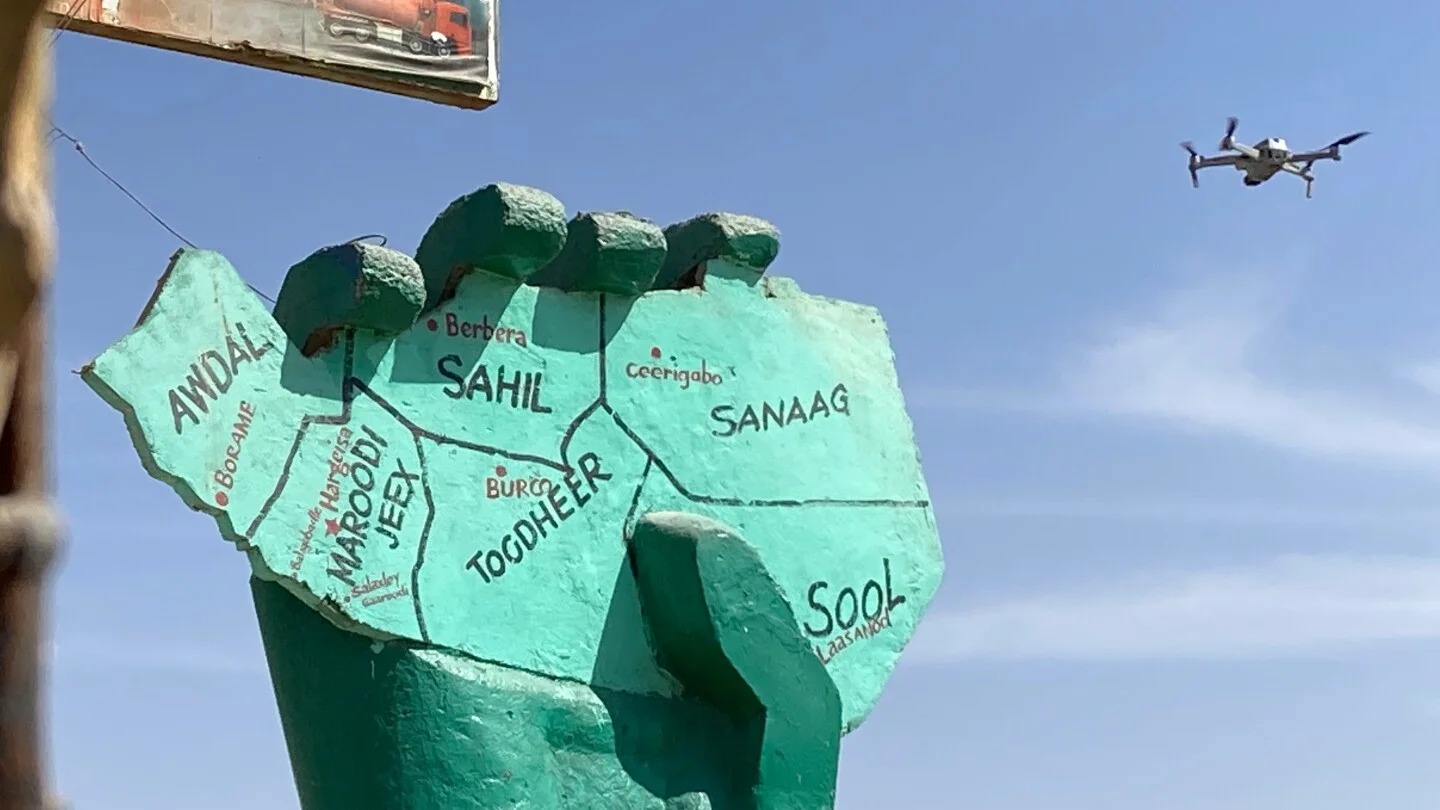
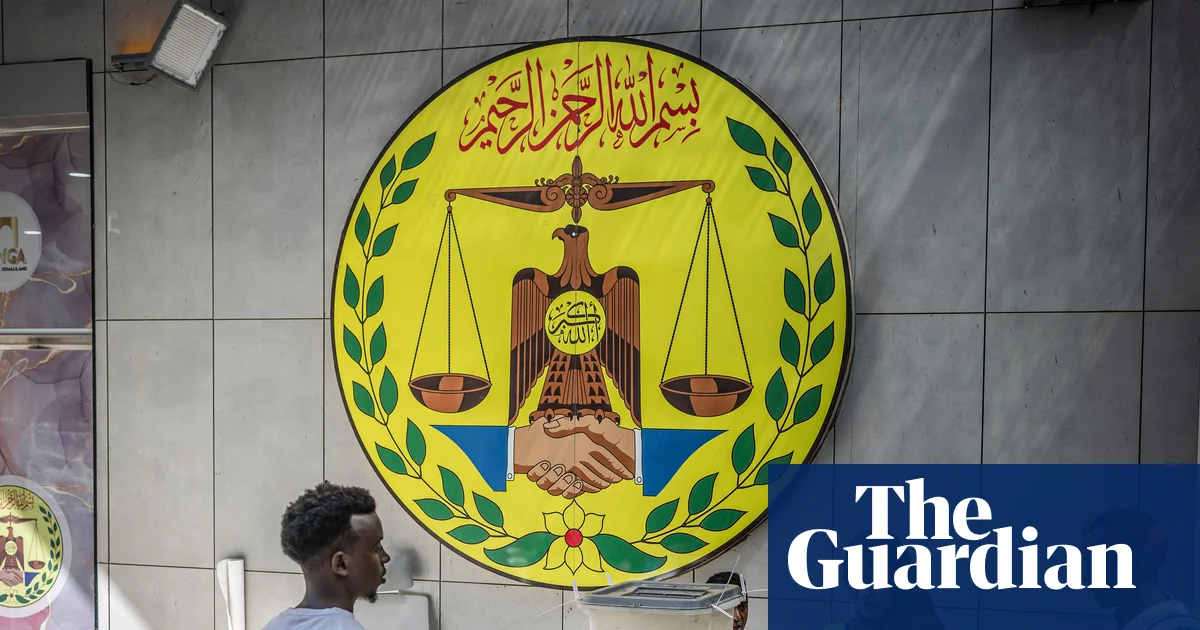
Somaliland, which declared independence from Somalia in 1991, remains unrecognized internationally despite establishing a stable democracy in a region dominated by autocracy. Recent geopolitical shifts and Donald Trump's election have raised hopes for recognition, but internal tensions ahead of the November 13th presidential election could jeopardize their aspirations for sovereignty.