
Tag

Solarcycle

All articles tagged with #solarcycle

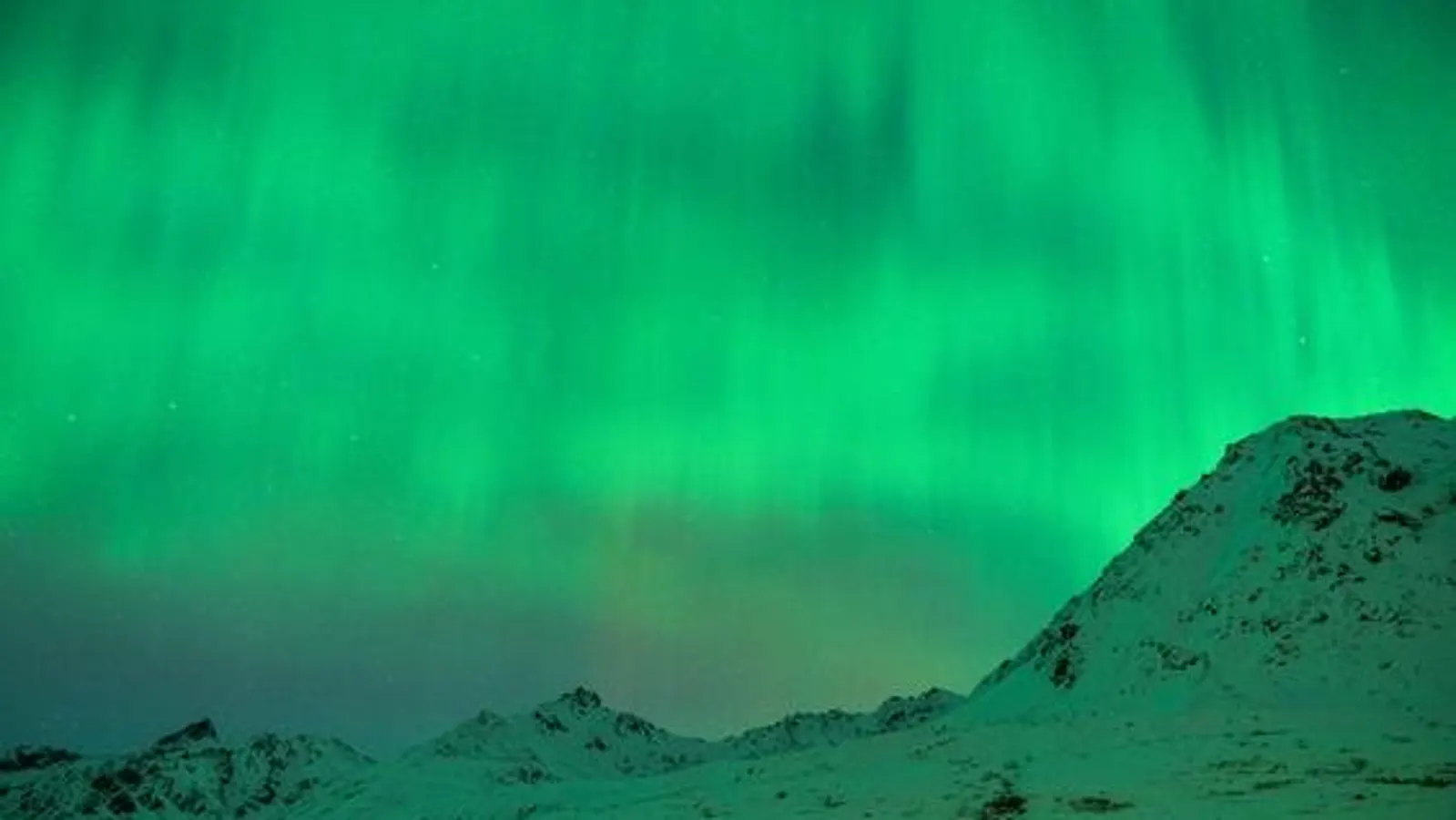
Catch the Northern Lights: Upcoming Viewing Opportunities Across the U.S.

Originally Published 1 year ago — by Forbes

Featured image for Catch the Northern Lights: Upcoming Viewing Opportunities Across the U.S.
Source: Forbes

The National Oceanic and Atmospheric Administration (NOAA) forecasts that the aurora borealis will be visible in some northern U.S. states on Monday night, with a Kp index of 3, indicating moderate auroral activity. The visibility is expected to improve on Tuesday night with a Kp index of 4, potentially allowing more states to view the northern lights. The best viewing times are between 10 p.m. and 2 a.m. local time. This increased auroral activity is due to the sun's current solar maximum phase, which is part of its 11-year cycle.
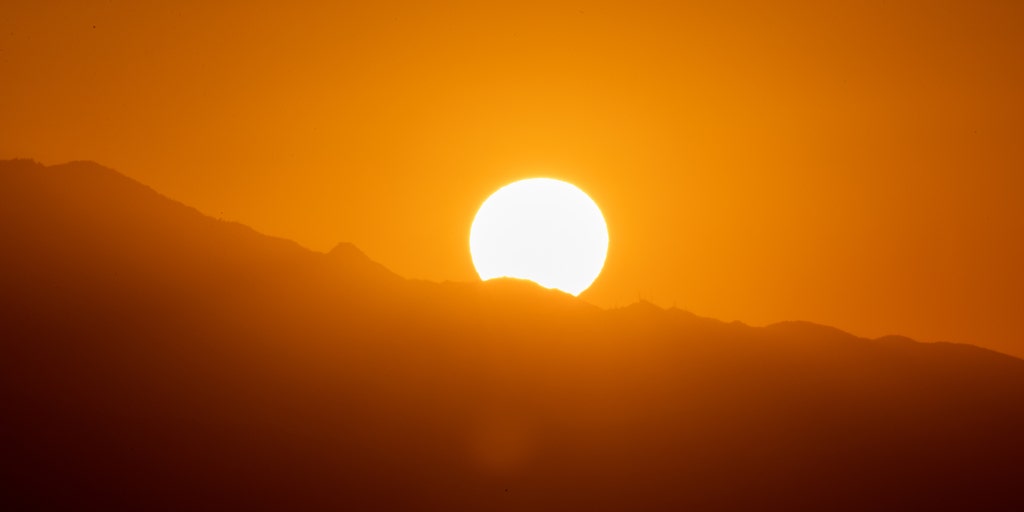
"Perihelion Day: Earth's Intimate Dance with the Sun Illuminates the Sky"

Originally Published 2 years ago — by Fox Weather

Featured image for "Perihelion Day: Earth's Intimate Dance with the Sun Illuminates the Sky"
Source: Fox Weather

Earth celebrates Perihelion Day on Tuesday, reaching its closest point to the Sun at about 91.4 million miles away, which is 3 million miles nearer than at aphelion. This event occurs annually around two weeks after the winter solstice. Despite being 7% closer to the Sun, Earth's temperature remains relatively stable due to its axial tilt affecting seasonal weather. Additionally, 2024 will witness a total solar eclipse on April 8 and is expected to be near the peak of the Sun's 11-year solar cycle, potentially enhancing space weather phenomena like the Northern Lights.

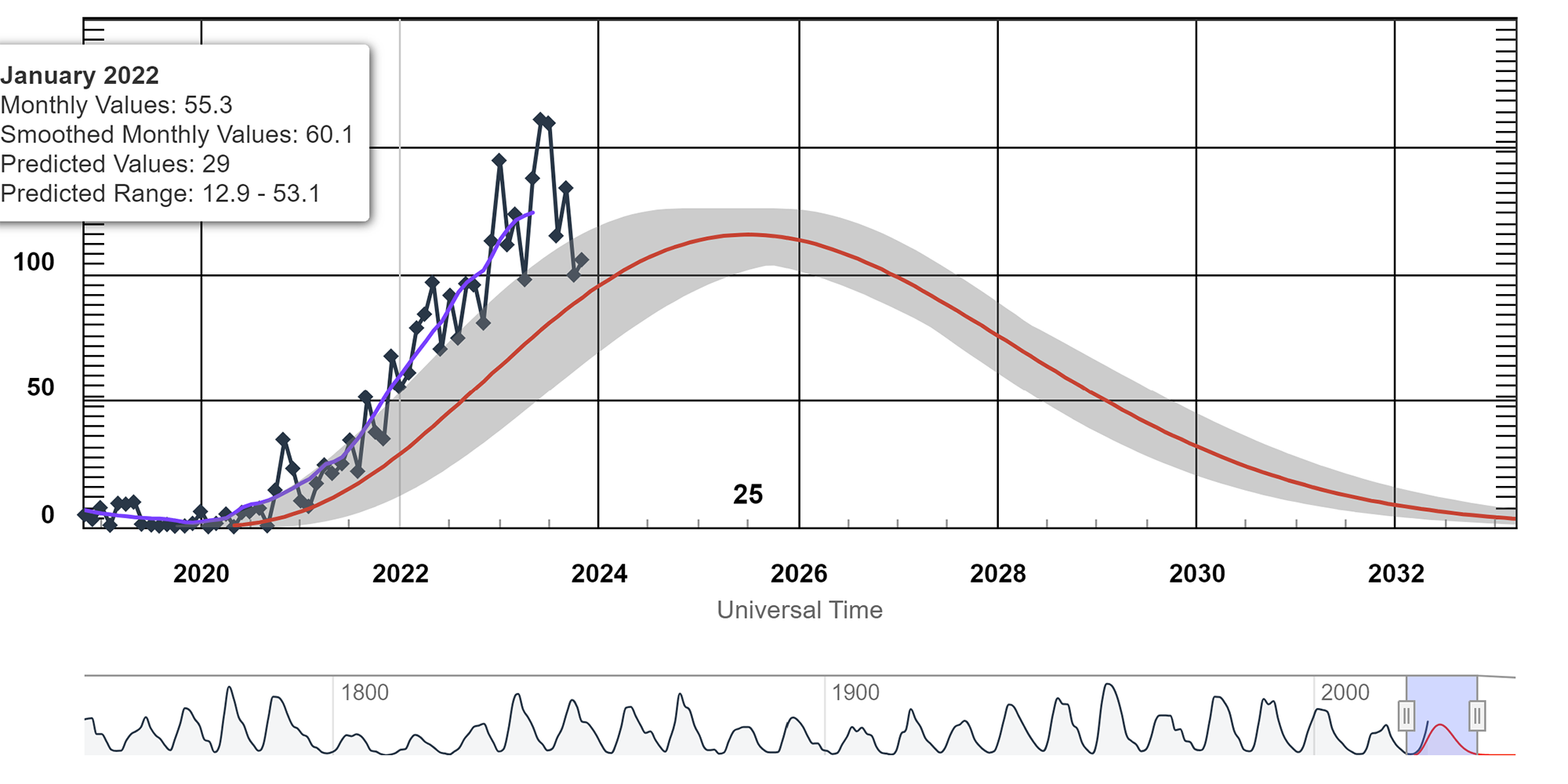
"Solar Storms in 2024: The Beautiful Menace to Earth's Infrastructure"

Originally Published 2 years ago — by CleanTechnica

Featured image for "Solar Storms in 2024: The Beautiful Menace to Earth's Infrastructure"
Source: CleanTechnica

CleanTechnica discusses the potential catastrophic impact of a major solar storm like the historic Carrington Event on modern technology and infrastructure. While such an event is unlikely, the article emphasizes the importance of preparedness due to the increased solar activity expected in 2024 and 2025. It highlights the progress in research and grid protection, as well as personal measures to safeguard against electromagnetic disruptions. The piece calls for continued pressure on governments and utilities to fortify against such space weather events, noting that clean technologies could be both affected by and instrumental in responding to these challenges.