A University of Washington study found that Seattle's soda tax, implemented in 2018, has led to a statistically significant reduction in BMI among children, suggesting the tax may be effective in improving children's health by reducing the consumption of sugary beverages.
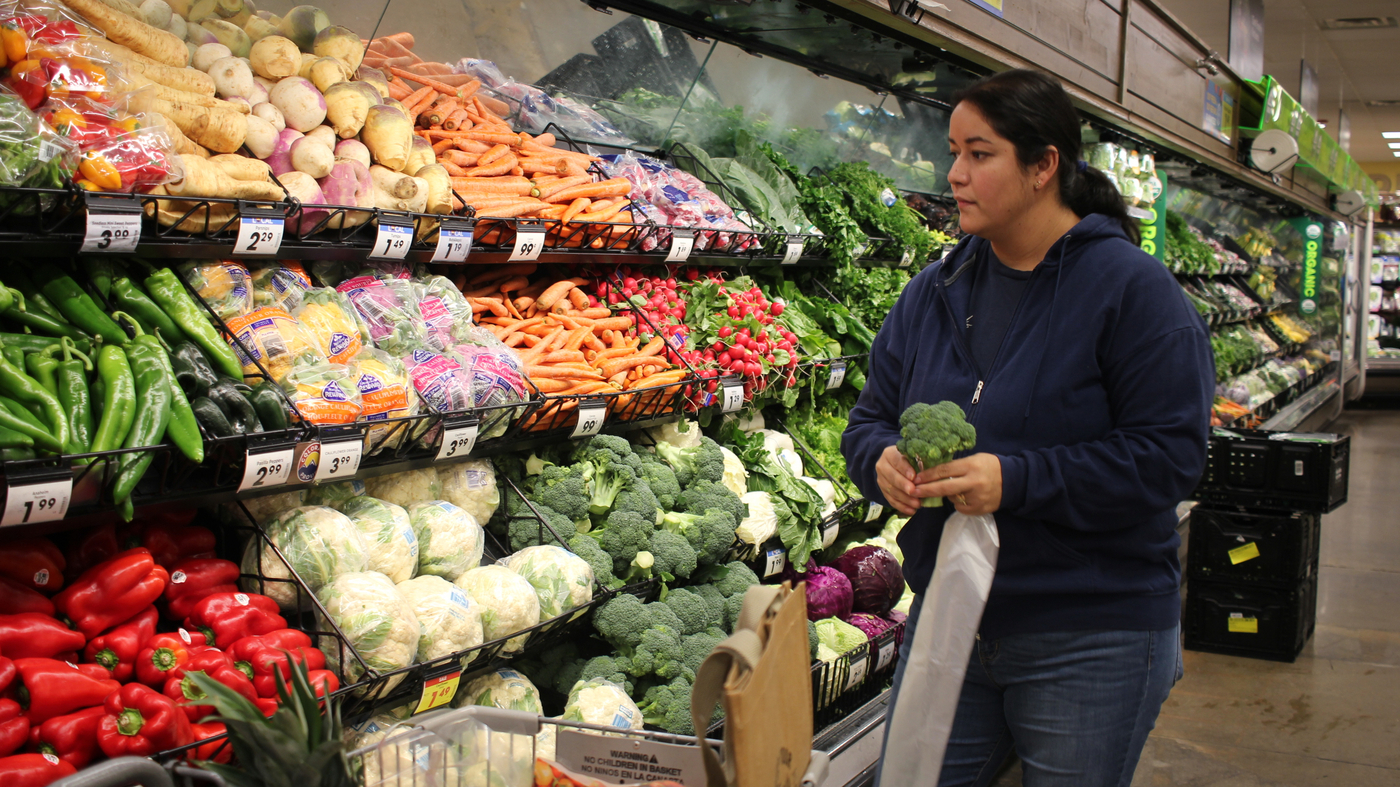
Boulder, Colorado's Fruit and Veg program, funded by a local soda tax, provides coupons for fresh produce to families in need, allowing them to choose and buy nutritious food. The program, serving about 580 families, aims to bridge the gap for those who don't qualify for federal benefits. Nutrition incentive programs like this have shown success in increasing fruit and vegetable consumption, with high coupon redemption rates. The use of soda tax revenue to fund such programs is innovative, providing a "triple win" for consumers, farmers, and the economy, and is seen as a creative way to promote healthy eating.
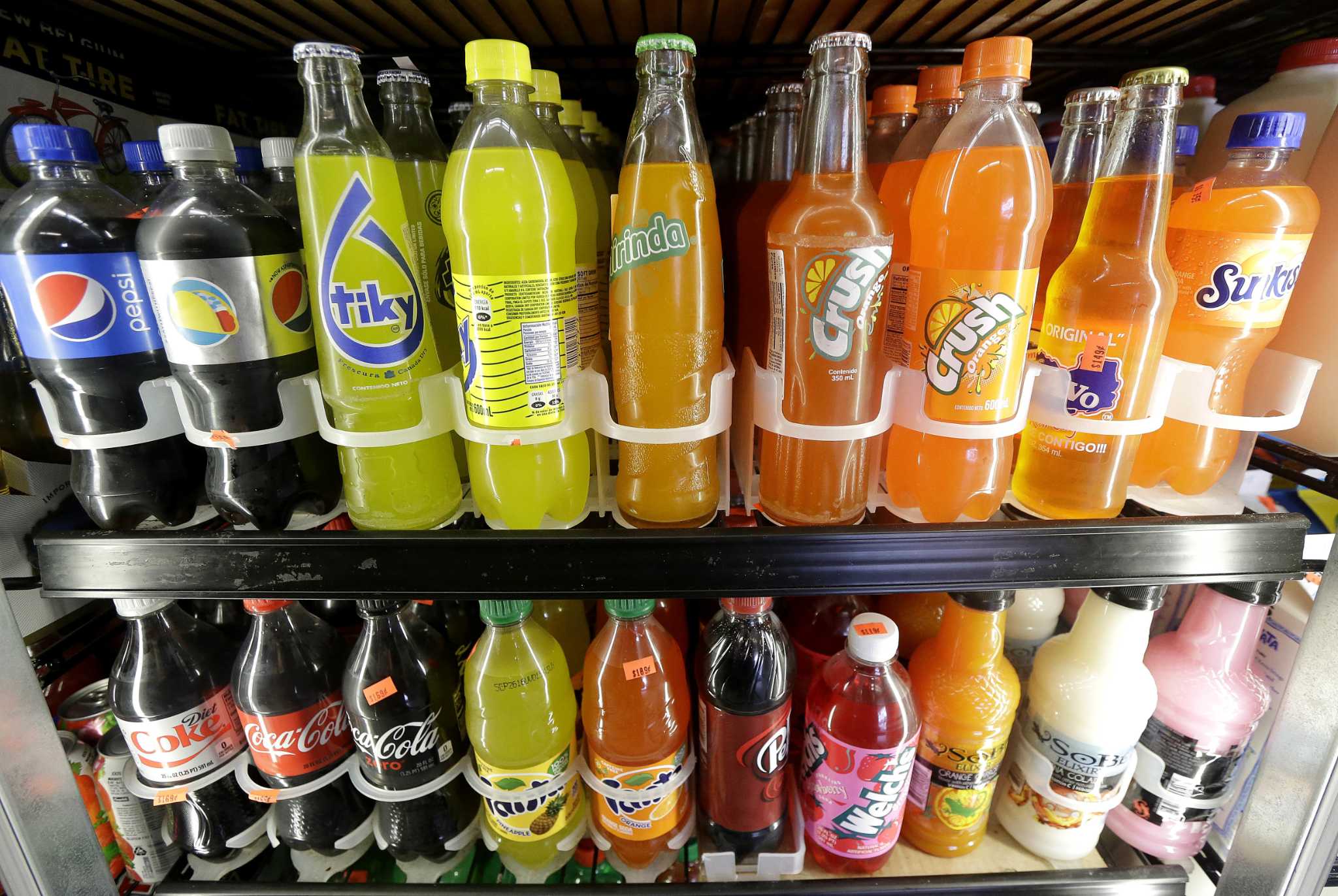
A new study by UCSF researchers found that purchases of sugary drinks dropped 27% in Oakland in the first 2.5 years after the city adopted a tax on sugar-sweetened beverages. The decrease is expected to lead to improved health for Oakland residents over a 10-year period and savings in health care spending. The study compared Oakland to Richmond, which does not have a soda tax, and found that the implementation of Oakland’s tax was followed by a 27% drop in purchases of sugary drinks. The findings offer additional evidence for state legislators to reconsider a 2018 state law that prohibits California municipalities from passing their own local soda taxes until 2031.