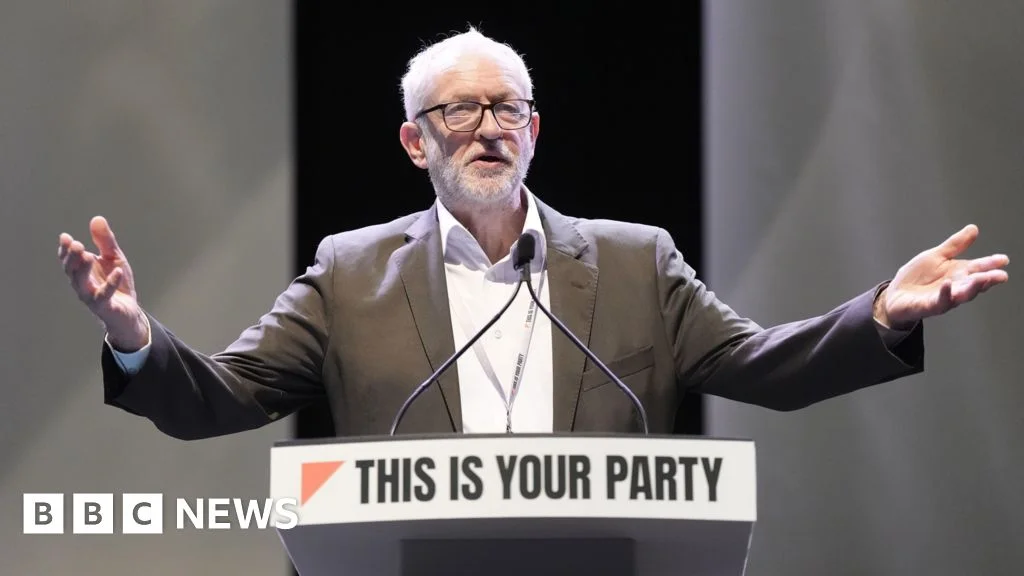
Your Party, founded by Jeremy Corbyn after his departure from Labour, faced internal conflicts and expulsions at its inaugural conference in Liverpool, but established a member-led socialist identity with plans to expand across the UK and challenge mainstream parties, despite recent polling setbacks.
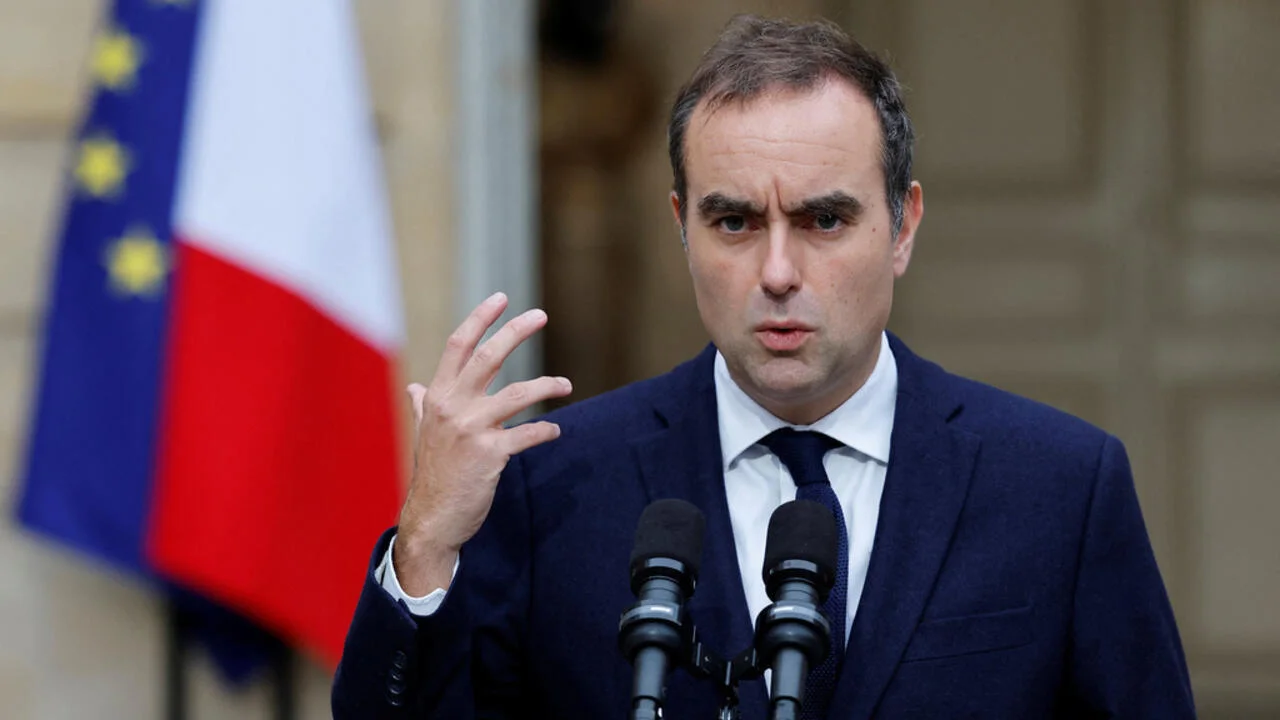
French Socialist Party leader Olivier Faure stated that there are no guarantees that the suspension of France's controversial pension reform will proceed, amid ongoing political discussions and efforts to form a budget by the end of 2025.
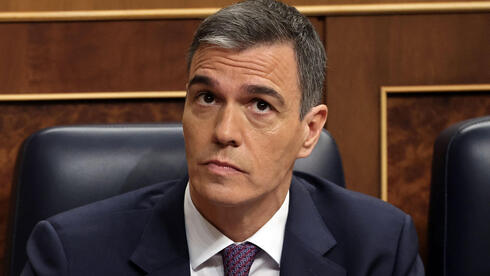
Spain's ruling Socialist Party, led by Prime Minister Pedro Sanchez, is facing a crisis due to a corruption scandal involving bribery and payments to escorts, prompting a ban on members hiring sex workers and a leadership shakeup amid public outrage and internal scandals.
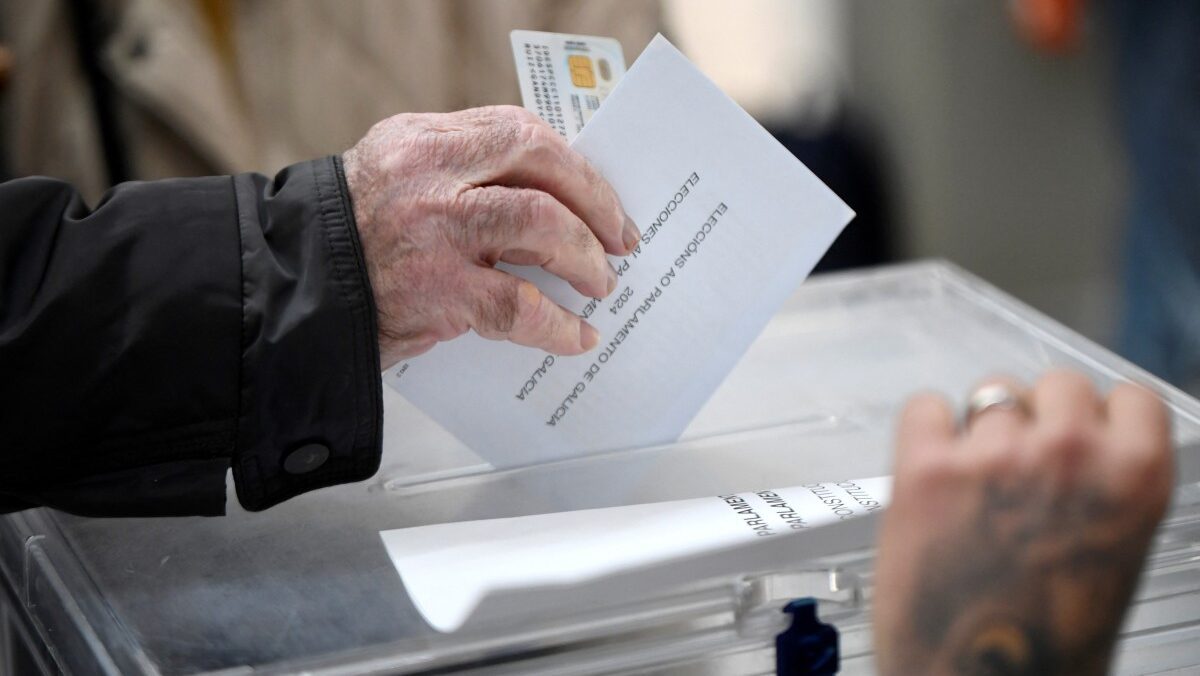
In the recent Galician elections, Spain's ruling socialist party suffered a significant defeat, winning just nine seats, its worst-ever result in the region, while the center-right Partido Popular secured a comfortable absolute majority with 40 seats. The rise of a radical Galician nationalist party and the performance of other localist parties indicate a shifting political landscape. The election results may signal a growing influence of separatist elements in Spain, posing challenges for the country's political future.
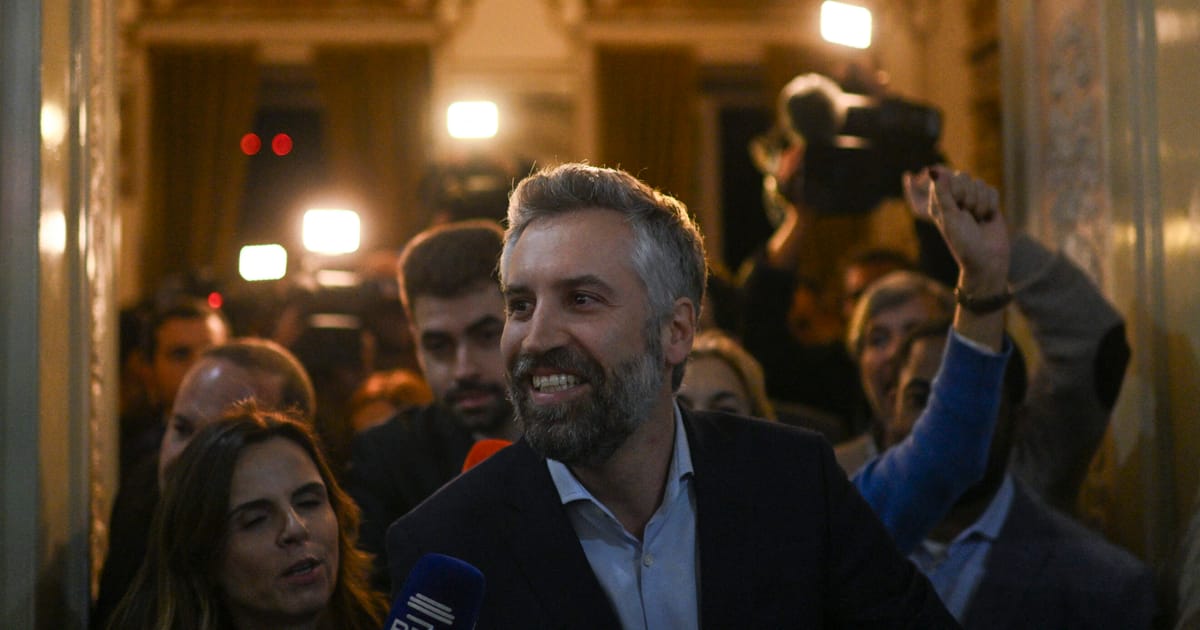
Pedro Nuno Santos has been elected as the new leader of Portugal's Socialist Party (PS) following the resignation of Antonio Costa. Santos, a former infrastructure minister, won the PS election with 62 percent of the vote and will face Luis Montenegro of the center-right Social Democratic Party (PSD) in the upcoming parliamentary elections. The resignation of Costa, who was considered a front-runner for a top EU job, came after a corruption probe was launched against him and members of his administration. The race between PS and PSD is expected to be tight, with the hard-right Chega party potentially disrupting Portugal's two-party system. Santos called for party unity and aims to present an ambitious and reformist project.
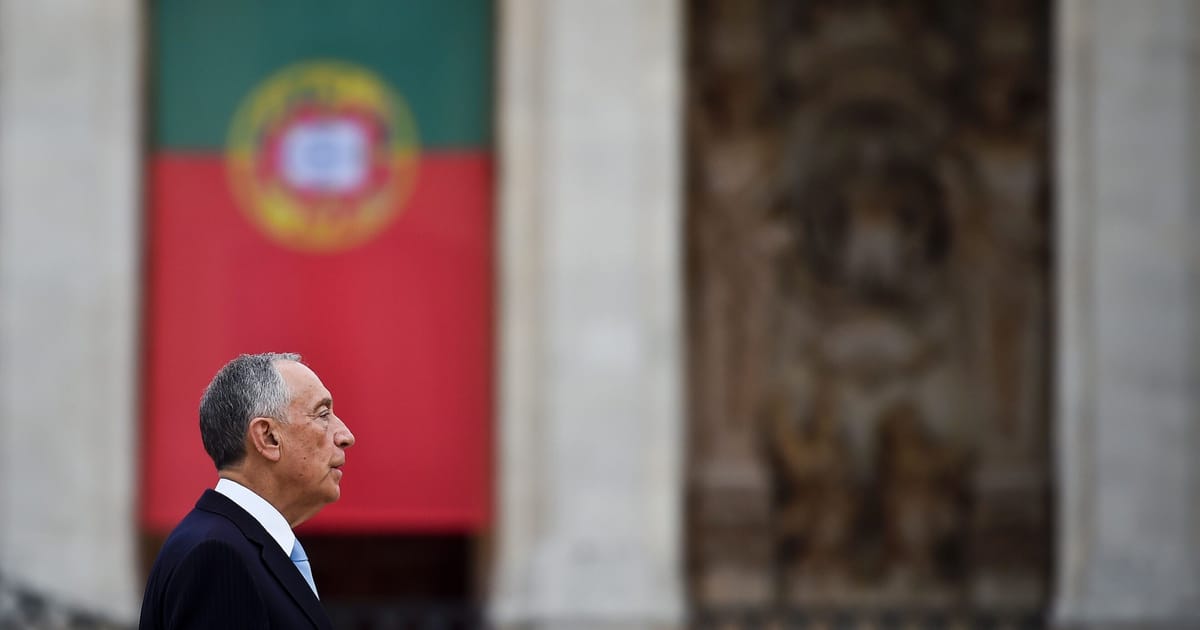
Portuguese President Marcelo Rebelo de Sousa has announced that he will dissolve the country's parliament in December and hold early elections in March 2024, following the resignation of Prime Minister António Costa amid a corruption probe. Rebelo de Sousa stated that it was important to have a head of government with unquestionable legitimacy, and the delay in elections will allow Costa's Socialist Party time to find a new leader. The center-right Social Democratic Party aims to gain public support to potentially govern without forming a coalition with the far-right Chega party.
Dozens of people, including police officers, were injured in protests outside the Madrid headquarters of Spain's ruling socialist party. The demonstrations were against the party's plans to offer an agreement deal to Catalan separatists. The protests turned violent, with clashes between protesters and riot police. The issue of the agreement has emerged after the inconclusive general election, where the conservative People's party narrowly beat the socialist party. The socialist party can only form a government with the support of the two main Catalan pro-independence parties, who are demanding amnesty for those involved in the failed push for secession.
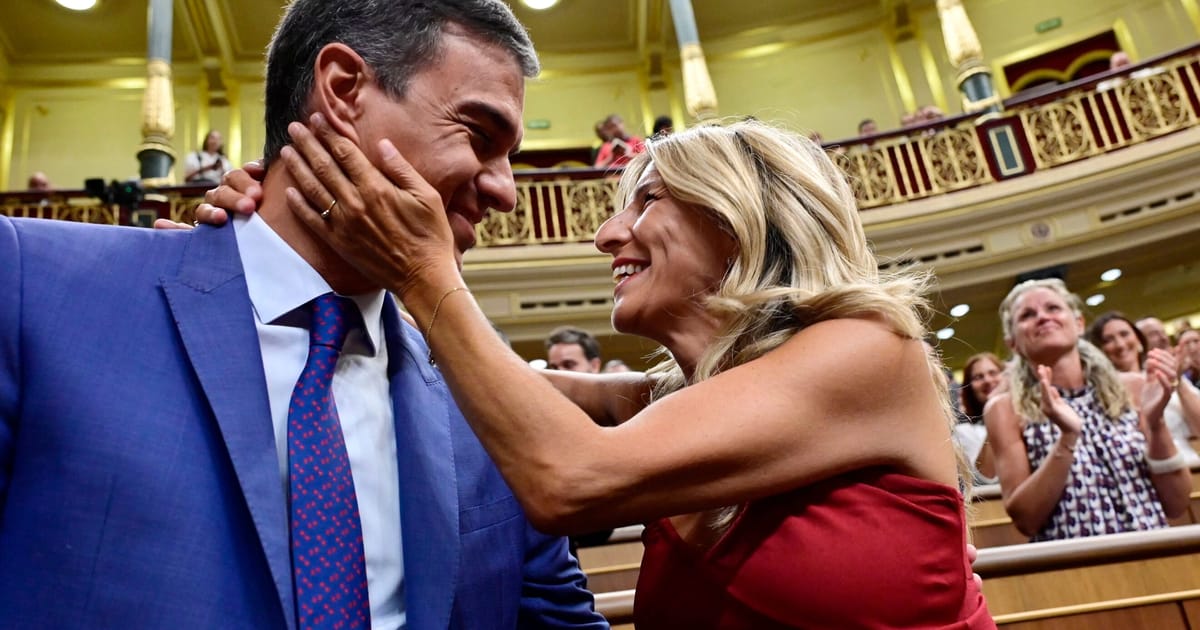
Spain's Socialist Party (PSOE) and the far-left Sumar coalition have signed an agreement to form a coalition government, which includes social measures such as job regulation and raising the minimum wage. However, the coalition does not secure a majority, so Prime Minister Pedro Sánchez still needs the support of smaller regional parties, including the Catalan separatist groups demanding amnesty and a new vote on self-determination. If Sánchez fails to secure majority support by November 27, new elections will be held on January 14, 2024.
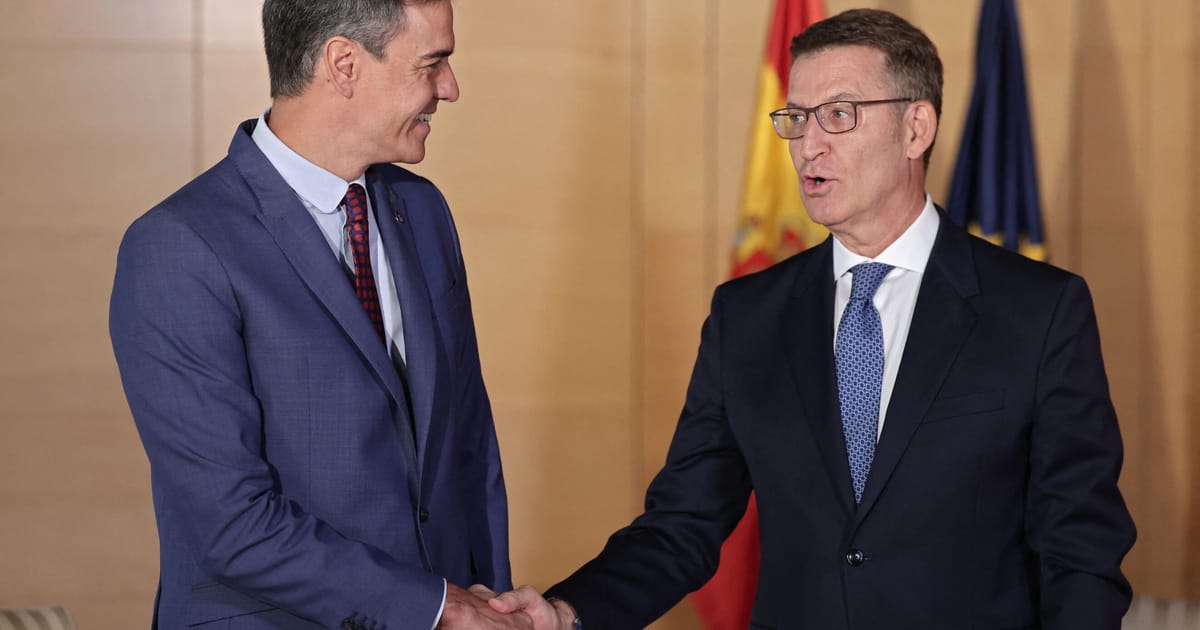
Alberto Núñez Feijóo, leader of Spain's center-right Popular Party, has asked caretaker Prime Minister Pedro Sánchez for support in his bid to become prime minister for a two-year term. Feijóo proposed that the two parties work together to pass major bipartisan legislation during this time, after which new elections would be called. However, Sánchez rejected the proposal, calling it a delusion and criticizing Feijóo for wasting time. The majority of Spanish MPs are expected to reject Feijóo's bid, and Sánchez is seeking support from the Catalan separatist group Junts to stay in power.
Francina Armengol, a socialist candidate, has been elected as the new president of the Spanish parliament after securing the backing of pro-Catalan independence parties. This victory gives the socialist government of Prime Minister Pedro Sánchez control over the parliament's main administrative body. The vote is seen as a practice run for an important investiture vote next month that will determine the formation of the government. The socialist party obtained support from the pro-Catalan independence party Junts in exchange for certain concessions.
Barcelona's city council appointed a new Socialist mayor, Jaume Collboni, after a deal involving two rival parties. The decision was a boost for the Socialist Party, which leads the national government, after mostly poor results in local elections around the country on May 28. The political shift in Barcelona is a further setback for Catalonia's pro-independence movement, which has faltered in recent years.
Spain's Prime Minister Pedro Sanchez has announced a snap general election on July 23 after his Socialist Party suffered setbacks in regional elections on Sunday. The conservative People's Party (PP) and the far-right Vox parties secured major wins in the regional elections. Sanchez hopes to cut short gains by conservatives and short circuit the PP's rise as soon as possible. The move comes as Spain is set to assume the European Union's rotating presidency on July 1.
Spanish Prime Minister Pedro Sanchez has called for an early general election to be held on July 23 after his ruling Socialist party suffered heavy losses in the May 28 vote. The conservative People's Party and its coalitions claimed most of the 12 regions that held elections. Sanchez said he had informed Spain's King Felipe VI of his intentions to dissolve the parliament.
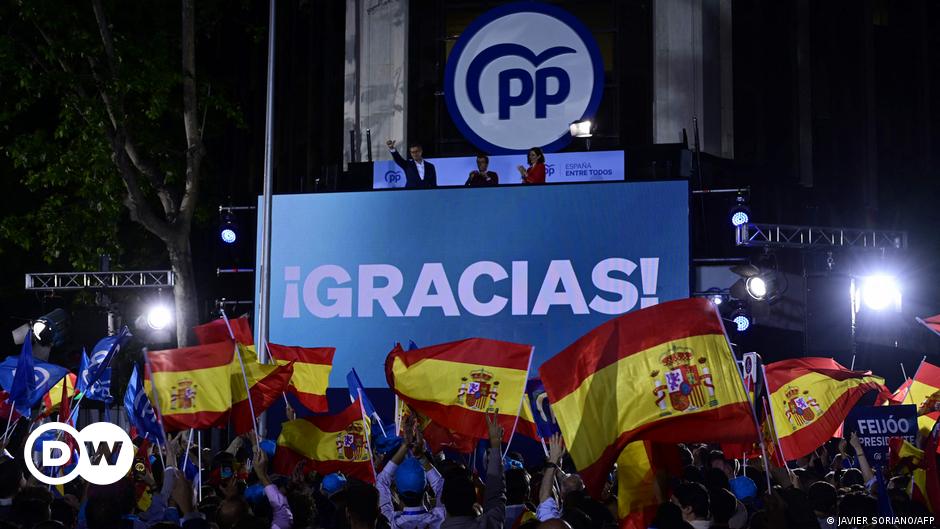
The conservative opposition Popular Party (PP) secured significant gains in regional elections in Spain, winning 31.5% of the votes, while the Spanish Socialist Workers' Party (PSOE) won only 28.2%. The results hint that the right might come on top in the country's coming general elections, slated for December this year. The shift to the right in the regional elections gives PP leader Feijoo an edge that could see him replace Sanchez as he goes into campaigning for the general election in the fall.
Spain's opposition conservative People's Party (PP) is expected to make major gains in regional and municipal elections, strengthening its hold on Madrid and potentially taking the regions of Valencia and Aragón from the ruling Socialist Party. The elections will serve as a gauge of the political mood ahead of December's general election and are expected to signal a return to the two-party system. The PP has sought to use the elections as a referendum on the Socialist prime minister, Pedro Sánchez, and his style of government. The far-right Vox party is also expected to gain more power and be in more regional parliaments and councils than in 2019.