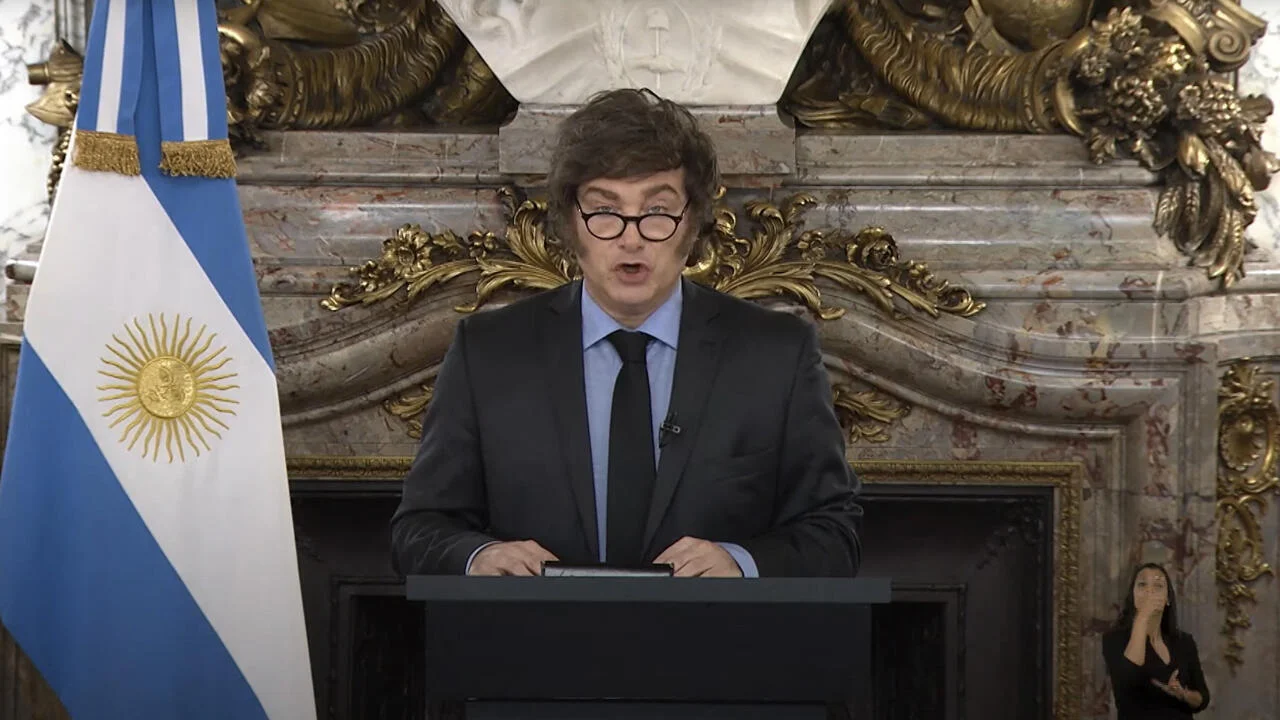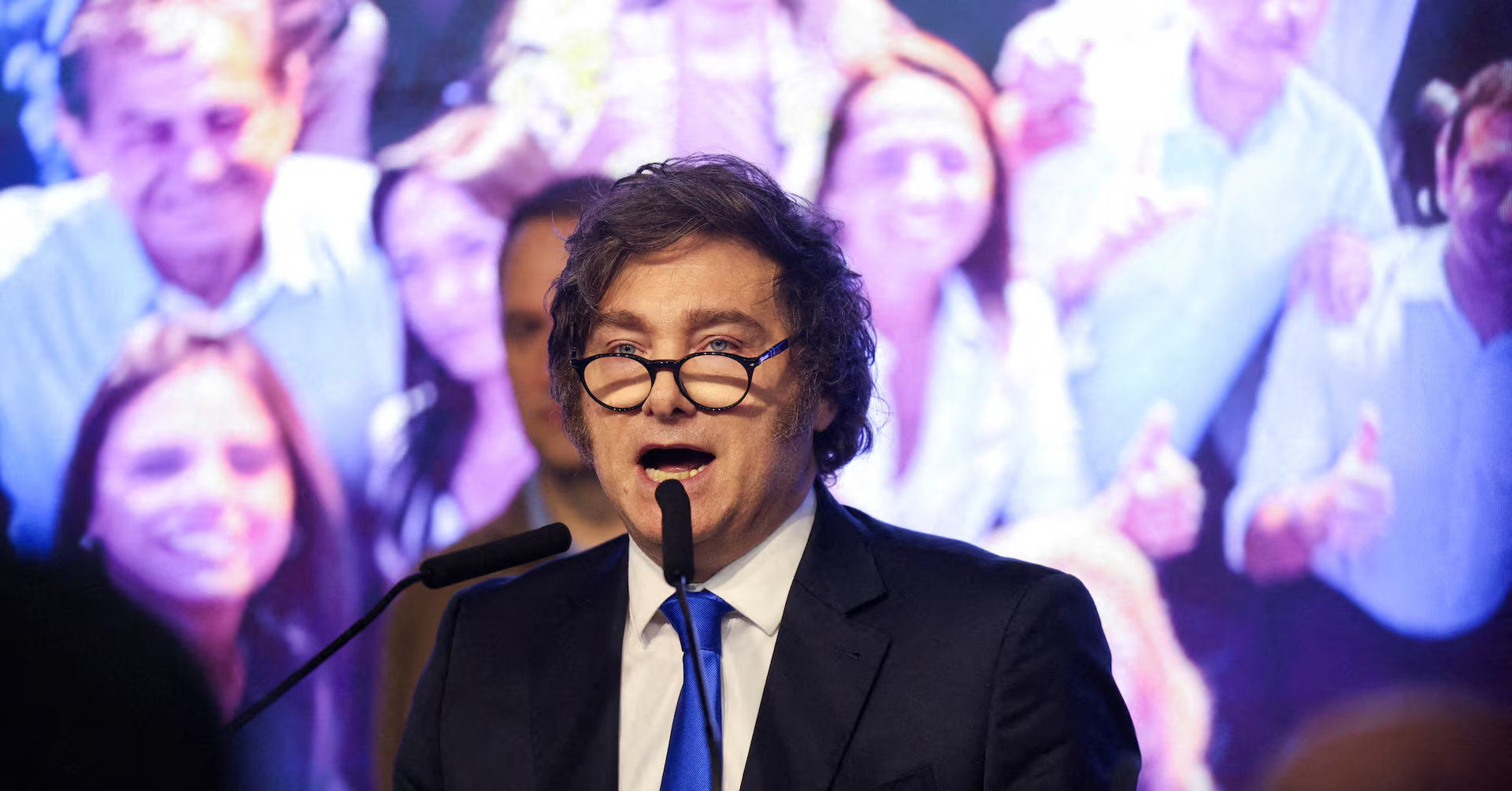
Argentina's Congress approved the 2026 budget, the first under President Javier Milei, with $102 billion in spending, projecting 5% growth and 10.1% inflation, reflecting a shift towards increased social funding despite austerity measures and political gains by Milei's party.
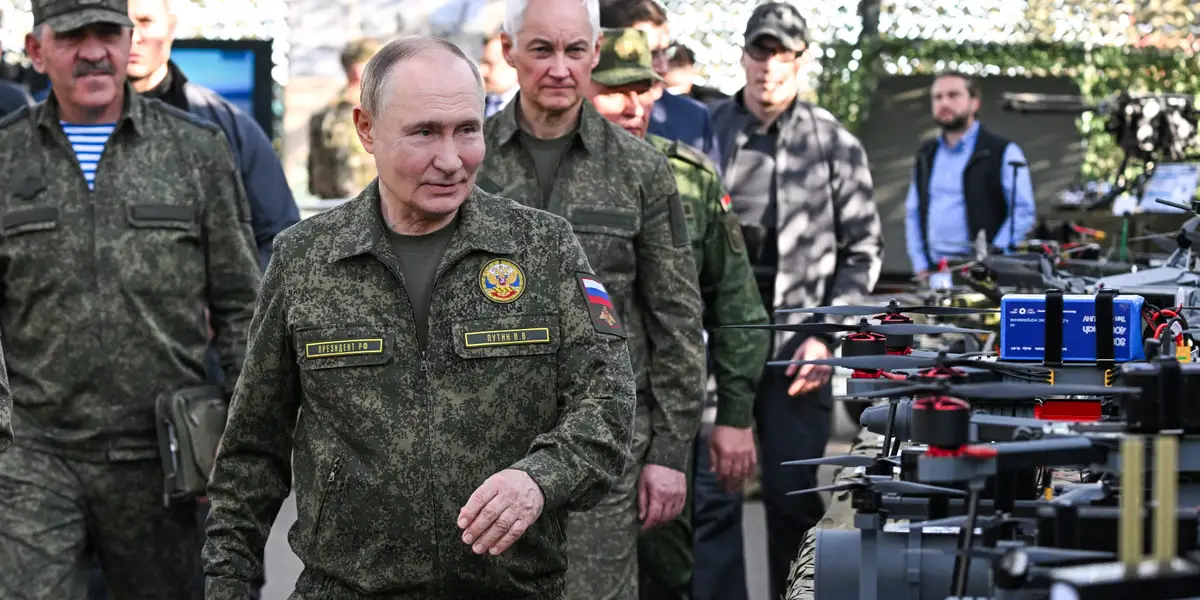
Russia's economic growth is slowing and may fall short of the 2% needed to sustain defense and social spending, raising concerns about fiscal stability amid Western sanctions and increased military expenditure. Top business leaders warn that the economy's weak growth could jeopardize funding for key government priorities, prompting discussions of tax hikes to support long-term military financing.
Argentine President Javier Milei announced plans to increase social spending on pensions, health, education, and disability in 2026, signaling a shift from nearly two years of austerity despite political and economic challenges, including electoral setbacks and corruption allegations, while emphasizing the importance of maintaining a balanced budget.
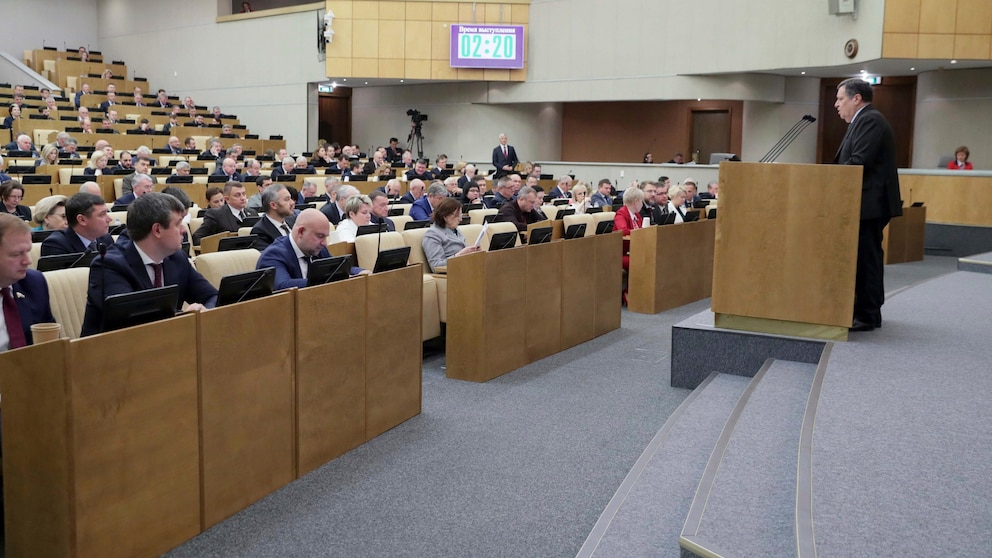
The Russian parliament has passed a record budget for 2024-2026, with a significant increase in spending and a focus on defense. Defense spending is expected to surpass social spending for the first time in modern Russian history. The budget aims to support the military and mitigate the impact of sanctions on Russia. Analysts suggest that this move signifies the remilitarization of Russian society and is aimed at preparing for a potential military confrontation with the West. The budget will now go to the upper chamber of parliament for approval and eventually to President Putin for signing.