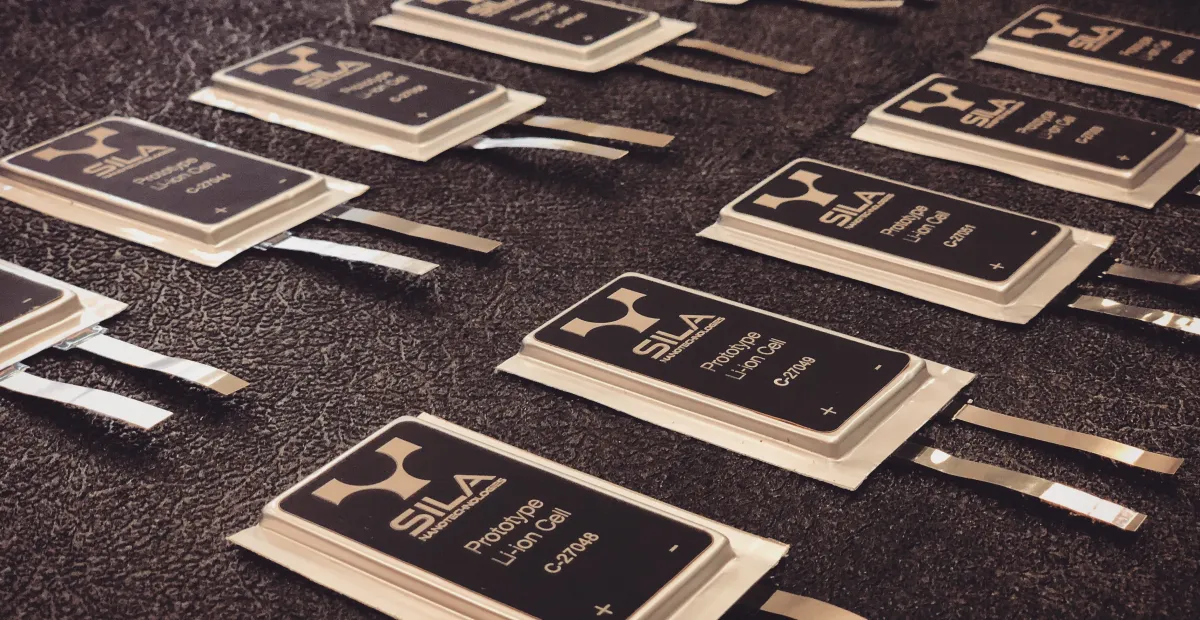
While global smartphone manufacturers are adopting silicon-carbon batteries to create smaller or more powerful phones, major US companies like Apple, Samsung, and Google have yet to incorporate this technology, leading to a gap in innovation in the US market.
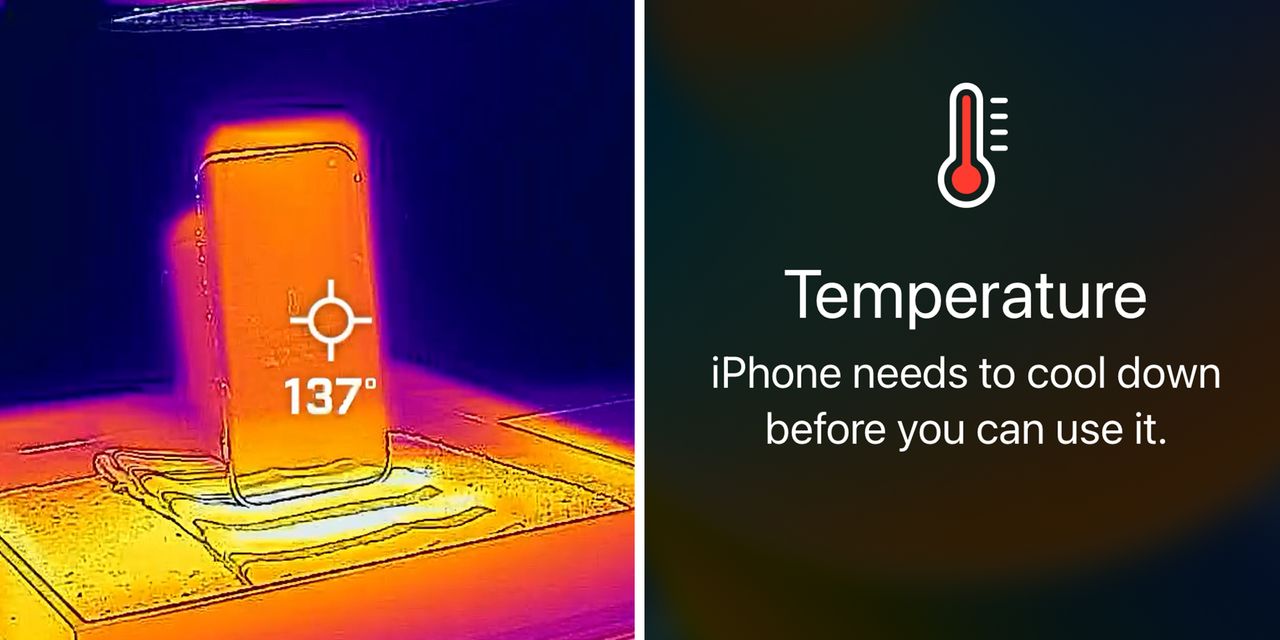
Heat is the biggest enemy of smartphone batteries, causing irreversible damage and triggering warning pop-ups. With temperatures soaring into triple digits in some regions, global smartphone warming is on the rise. Users are advised to take precautions to protect their devices and limit the impact of heat on battery life.
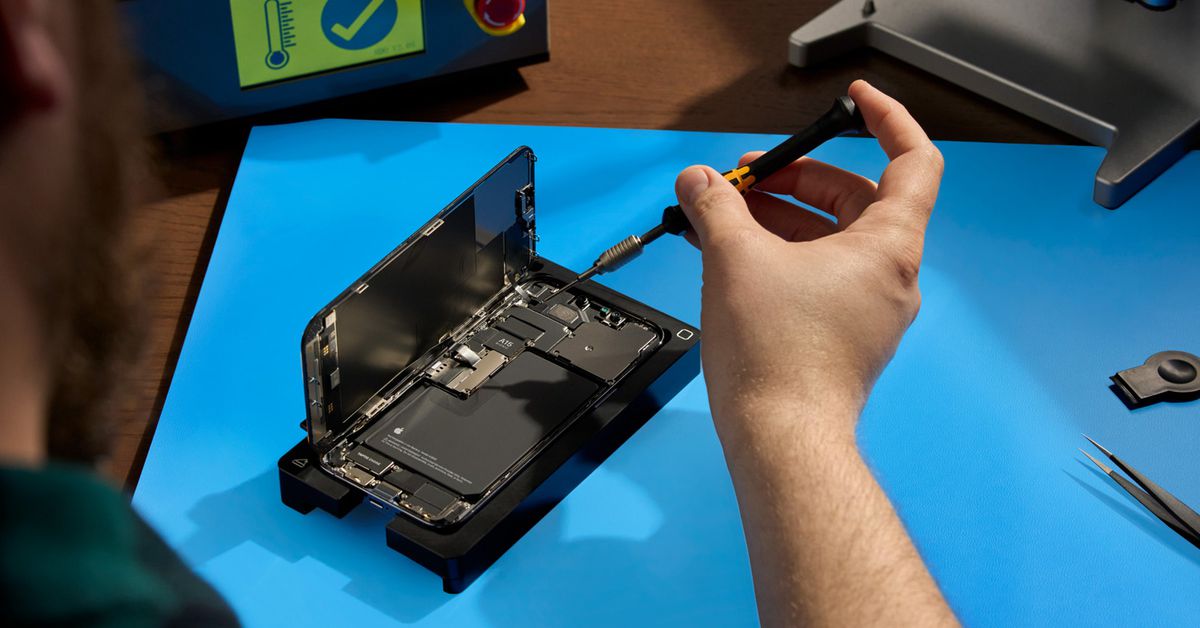
The European Union is moving forward with regulation designed to require smartphones to have batteries that are easier to replace, to the benefit of the environment and end users. The regulation is expected to come into effect in June or July 2025, with smartphone battery replaceability requirements coming into effect a year and a half later. The battery regulation is more stringent than the ecodesign regulation in a key way: it doesn’t offer a loophole that would allow smartphone manufacturers to avoid having to make their batteries easy to replace if they’re able to make them long-lasting instead.