

A new man-made crystal that can breathe oxygen like lungs could revolutionize clean energy technologies, including fuel cells and smart windows, by enabling efficient oxygen absorption and release at moderate temperatures, potentially enhancing energy efficiency and supporting climate goals.
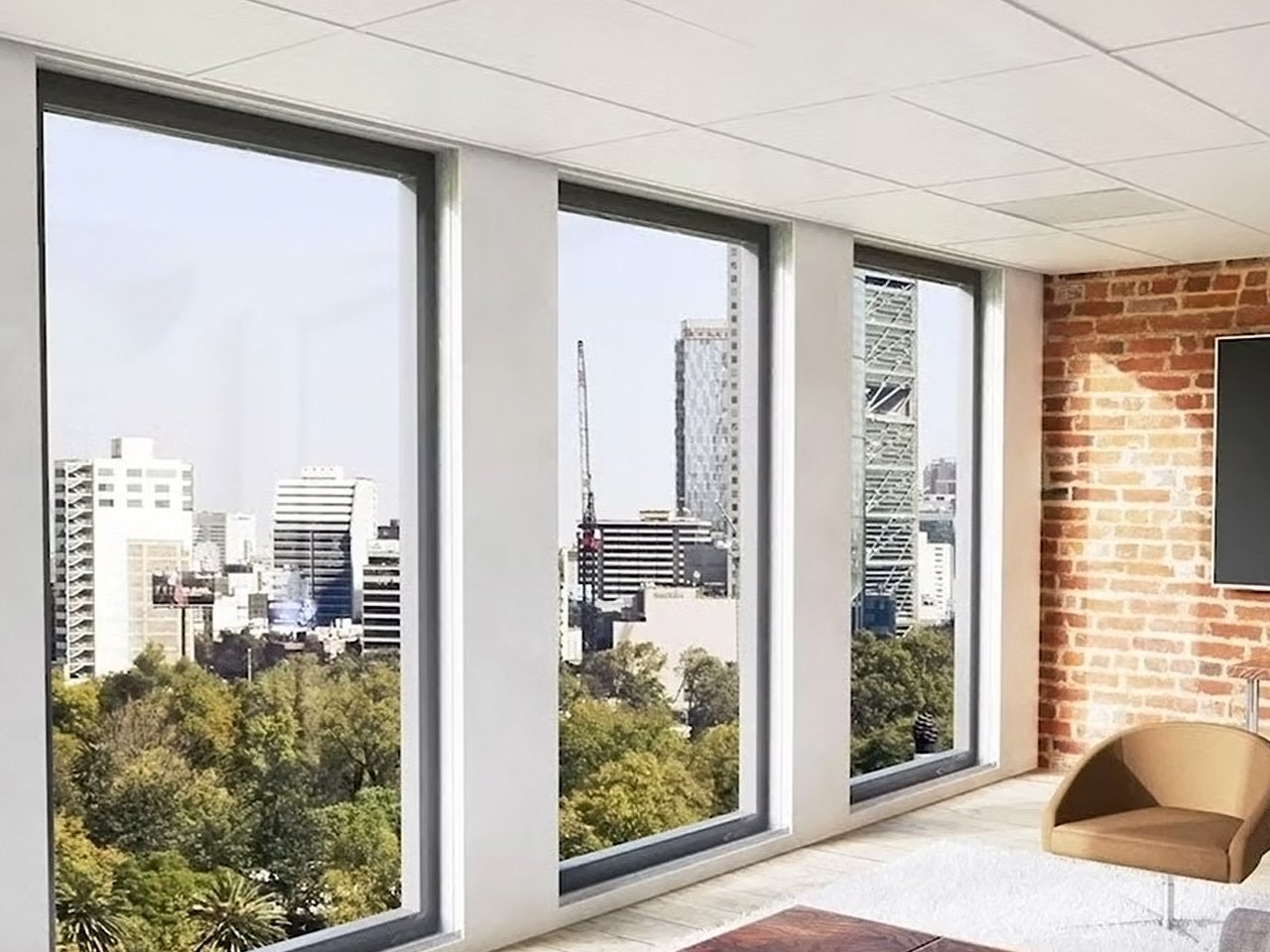
Professor Hong Chul Moon's team at KAIST has developed RECM technology, a smart window system with three modes—transparent, colored, and reflective—that actively controls light and heat transfer, significantly improving energy efficiency and urban comfort by reducing indoor temperatures and glare, with potential applications in buildings and transportation.,
Researchers from NC State University have developed a revolutionary material called tungsten oxide hydrate, which could revolutionize the field of dynamic windows. This material allows windows to switch between transparency, infrared light blocking, and glare control, offering building occupants more control over their environment. The breakthrough could lead to more energy-efficient buildings and improved comfort for occupants.