A DIY enthusiast creates a professional-looking handheld terminal using a Raspberry Pi Zero 2W, a 3D printed case, and various off-the-shelf components, addressing cable management and accessibility issues in compact designs.
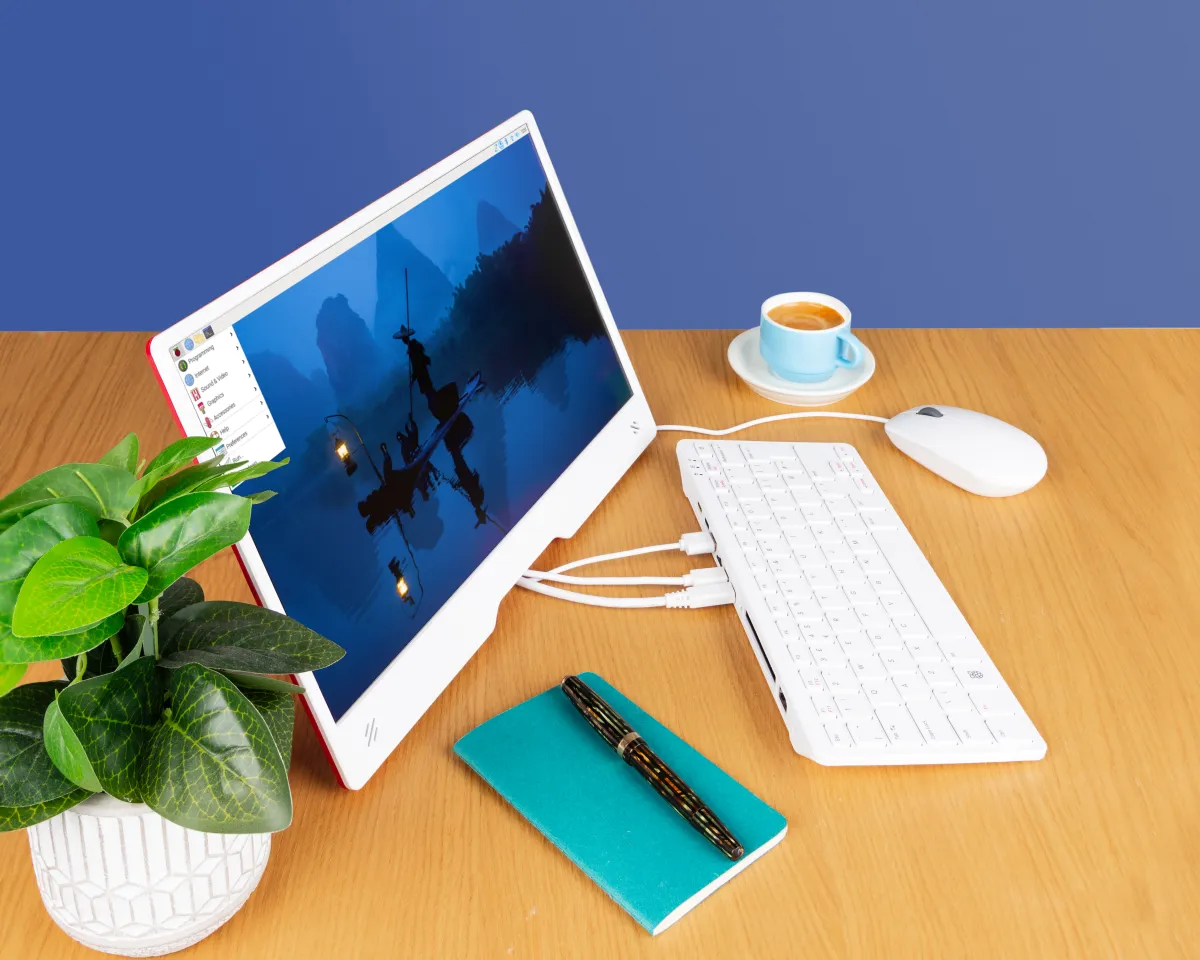
Raspberry Pi has launched the Raspberry Pi 500, a keyboard-integrated single-board computer with the same powerful specs as the Raspberry Pi 5, including a 64-bit quad-core Arm processor and 8GB of RAM. Priced at $90, it aims to be an accessible and customizable computing solution, ideal for educational purposes. The device comes with a 32GB SD card preloaded with Raspberry Pi OS and supports dual 4K displays. Additionally, Raspberry Pi introduced a 15.6-inch 1080p monitor for $100, expanding its product lineup.
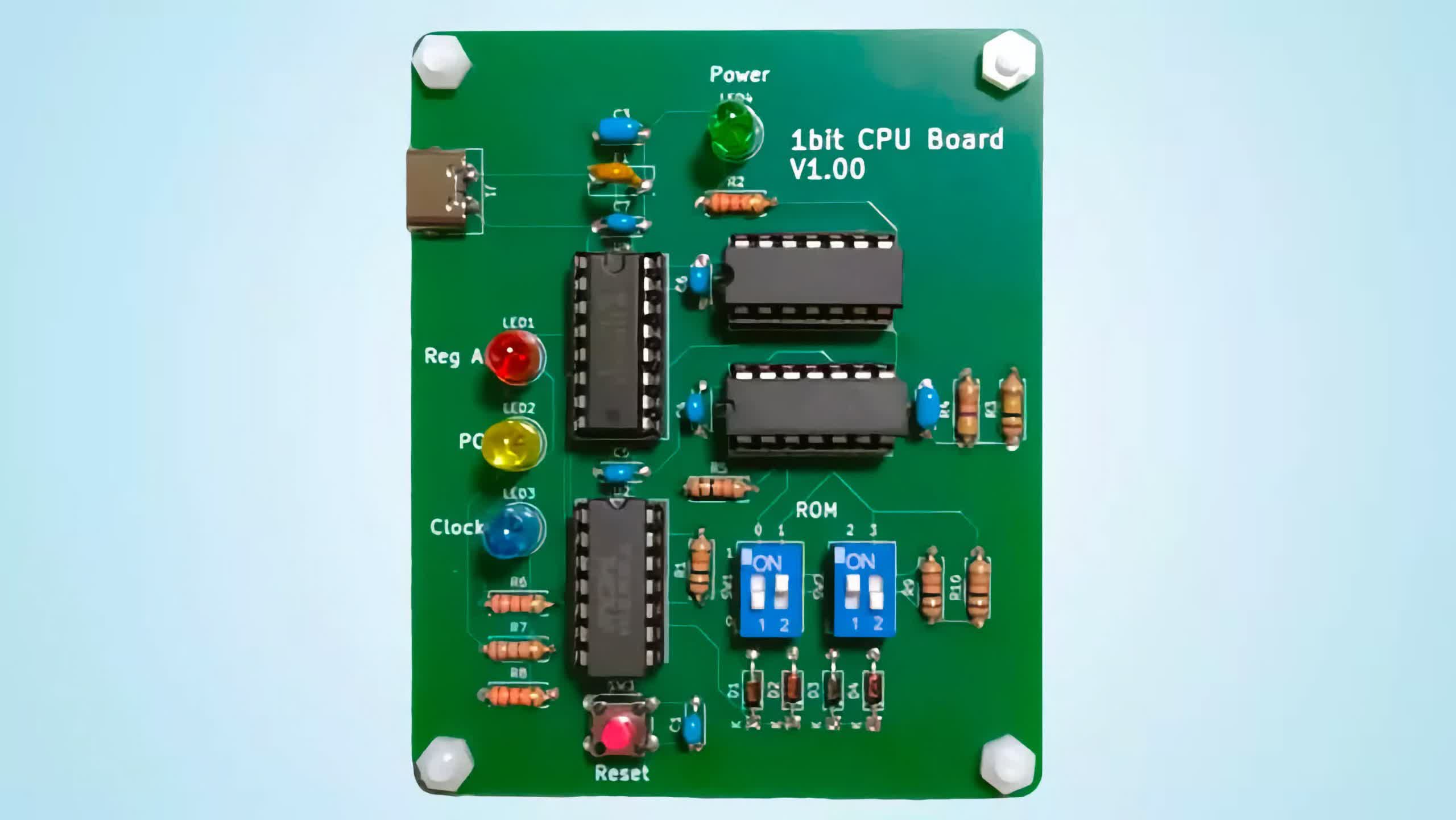
Switch Science, a Japan-based company, has launched Naoto64, an ultra-low-end single-board computer that runs on a 1-bit CPU. Priced at ¥2,500 ($18), the DIY kit sold out immediately despite its limited functionality of turning on, turning off, or flashing an LED. The Naoto64 has no peripheral connectivity and can only be programmed using two commands and one operation. Unfortunately, the product is currently out of stock and not available for international shipping.
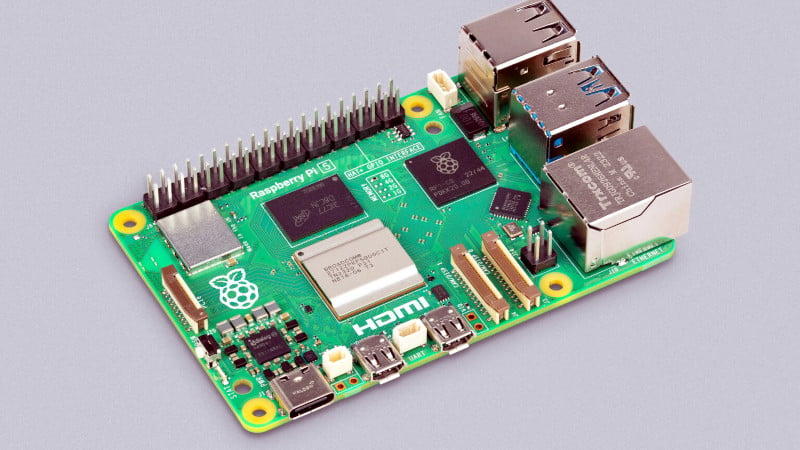
The Raspberry Pi 5 has a high power consumption even when powered down, consuming over a watt in standby. However, a simple config change can reduce its power consumption. The issue arises from certain HATs where the 3V3 rail shuts down but the 5V rail doesn't. The Raspberry Pi foundation kept the rails on all the time for compatibility reasons, but future OS releases may provide a more elegant solution. The Raspberry Pi 5 is being hailed as the closest yet to a usable everyday PC.
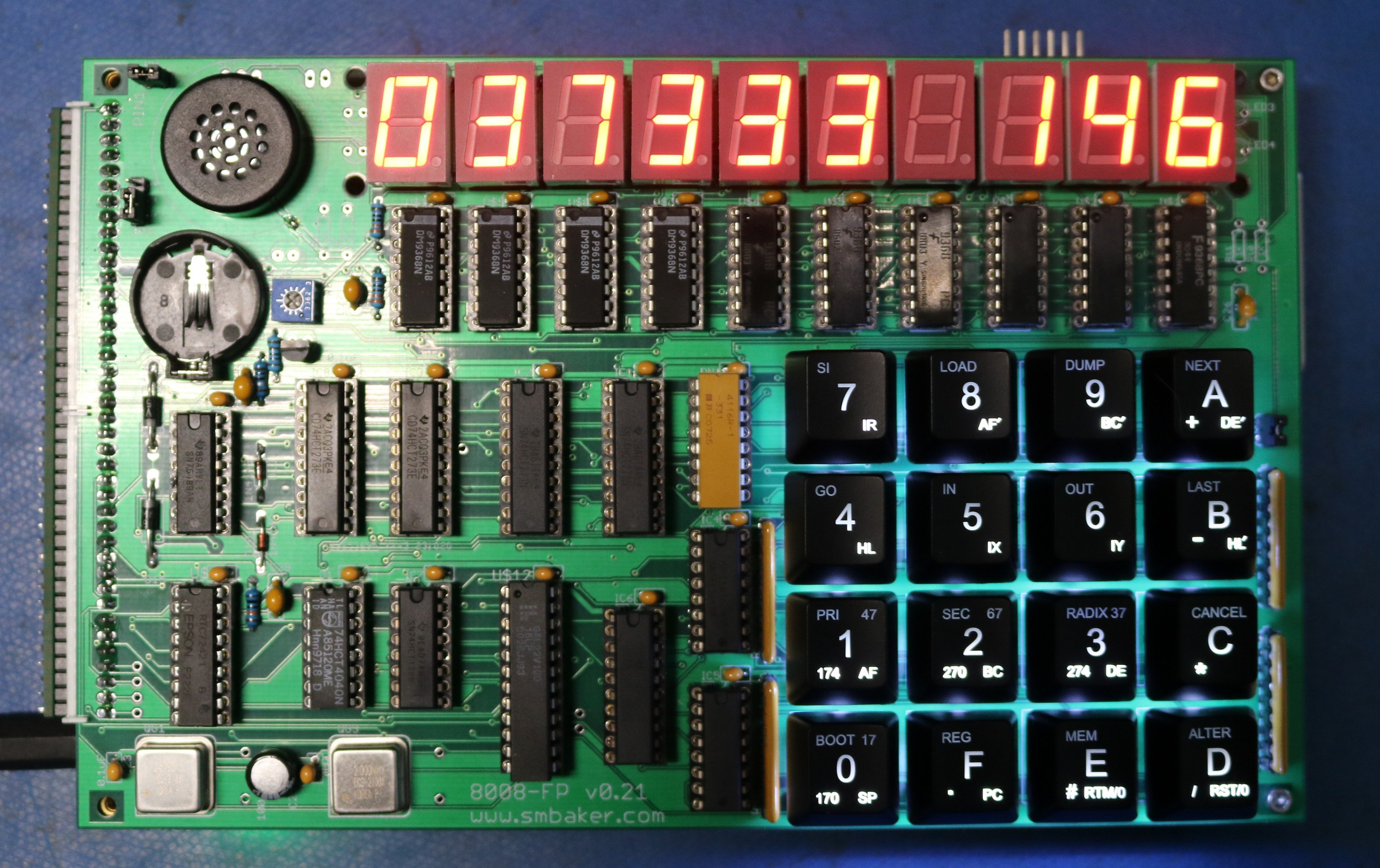
Dr. Scott M. Baker has created the Mini-08, a single-board computer based on the Intel 8008 processor. The Mini-08 features 128KiB RAM and ROM, an 8251 UART, and an optional display board with 7-segment displays, a hexadecimal keypad, a real-time clock, and a 4-voice sound generator. Dr. Baker has also ported BASIC, FORTH, a Star Trek clone, and utilities to the Mini-08, showcasing its capabilities in a video demonstration. Design files and resources are available for those interested in exploring this retro computing project.