Scientists tested ChatGPT with an ancient math problem about doubling the square's area and found that it improvised a solution similar to human reasoning, raising questions about AI's ability to 'think' and its potential use in education. The study suggests AI might be using a form of spontaneous reasoning akin to a zone of proximal development, highlighting both its capabilities and the need for better understanding and evaluation of AI-generated proofs.
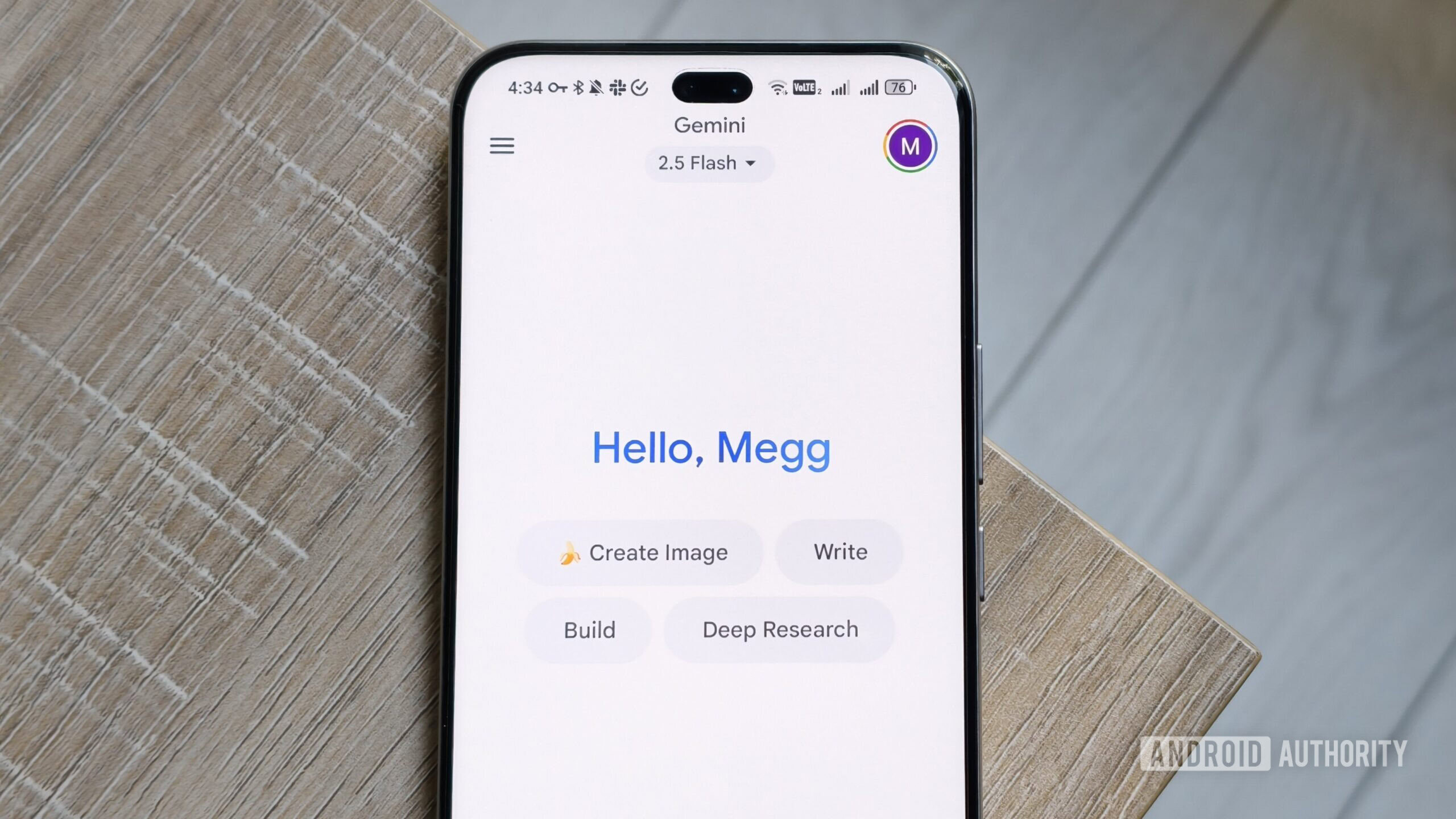
Megan Ellis explores her mixed experience with Google's Gemini Guided Learning feature, finding it helpful for understanding complex topics through interactive questions and visual aids, but frustrated by its over-reliance on metaphors and questions that hinder deep learning, highlighting the need for more adaptable educational AI tools.
A comparison test of ChatGPT-5 and Claude's learning modes across seven educational prompts reveals that ChatGPT-5 generally provides more structured, prompt-specific responses, making it a preferred choice for active, step-by-step learning, while Claude's approach is more conceptual and beginner-friendly. The best AI tutor depends on individual learning styles, with ChatGPT-5 favored for hands-on, active learning and Claude for broader conceptual understanding.
A highly engineered prompt for ChatGPT significantly enhances learning by providing more detailed and tailored information on topics, transforming the AI from a simple question-answer tool into a comprehensive educational resource.
Raspberry Pi has launched the Raspberry Pi 500, a keyboard-integrated single-board computer with the same powerful specs as the Raspberry Pi 5, including a 64-bit quad-core Arm processor and 8GB of RAM. Priced at $90, it aims to be an accessible and customizable computing solution, ideal for educational purposes. The device comes with a 32GB SD card preloaded with Raspberry Pi OS and supports dual 4K displays. Additionally, Raspberry Pi introduced a 15.6-inch 1080p monitor for $100, expanding its product lineup.