
The Shrinking Mystery of Exoplanets: NASA's Findings
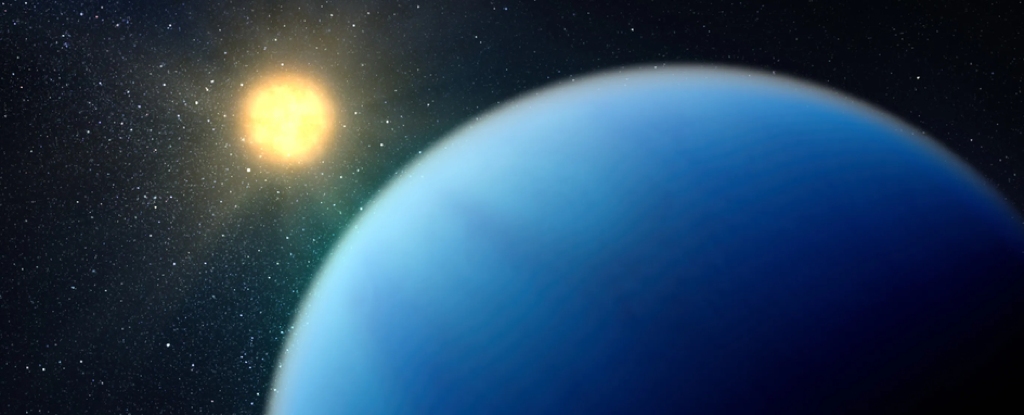
NASA scientists have discovered a mysterious gap in the size of exoplanets, with hardly any planets between 1.5 to 2 times the width of Earth. Research suggests that some sub-Neptunes shrink due to radiation from their cores pushing their atmospheres away, causing them to lose mass and become as small as super-Earths. The exact mechanism for this atmosphere loss is still unclear, but two hypotheses, core-powered mass loss and photoevaporation, are being considered. Data from NASA's Kepler Space Telescope supports the core-powered mass loss hypothesis, but recent work suggests that both processes may be operating. Further research is needed to fully understand the phenomenon.
