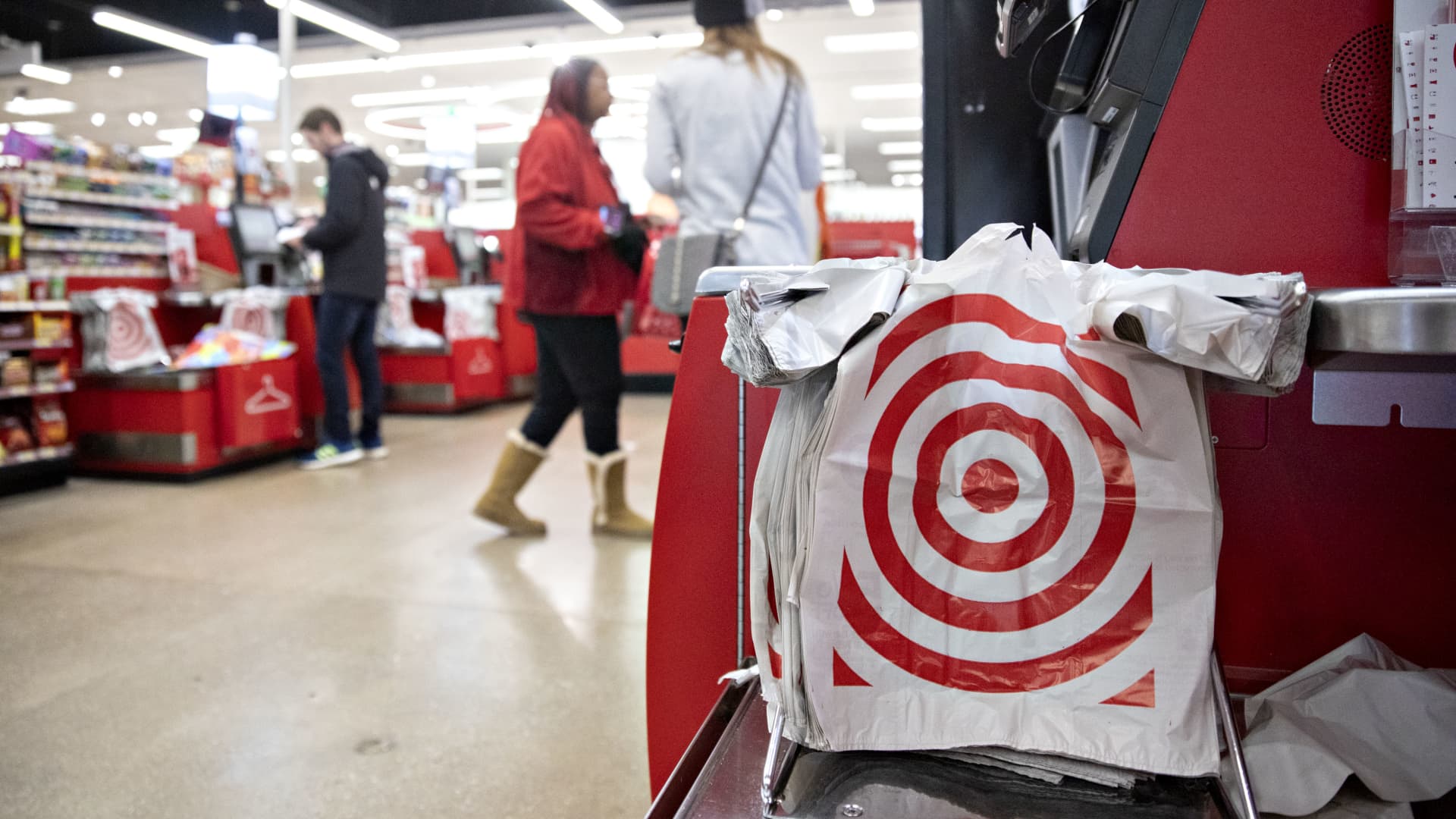
Dollar General is removing self-checkout registers from 300 stores with the highest shrink rates in an effort to combat retail theft. The company is also converting self-checkout to assisted-checkout in 9,000 stores and limiting self-checkout to transactions with five items or fewer. These changes are part of Dollar General's strategy to reduce shrink and improve profitability in response to increasing theft-related challenges.
Dollar General is reversing its self-checkout strategy, removing self-checkout stations from its stores and reassigning workers to the front of the stores to improve sales and reduce merchandise losses. Other retailers, such as Booths, Walmart, and ShopRite, have also removed or scaled back self-checkout options due to higher shrink rates and customer complaints. Some retailers, like Target and Costco, are making adjustments to their self-checkout policies to address these issues.
The National Retail Federation (NRF) has retracted its claim that "organized retail crime" accounted for nearly half of the $94.5 billion losses due to theft or "shrink" in the US retail industry in 2021. The NRF stated that the claim was based on an inference made by an analyst from a risk consultancy, and not directly from their own survey. However, the NRF still maintains that organized retail crime is a significant concern for the industry, as criminal groups have become more brazen and violent in their tactics. Retailers and politicians continue to address the issue of theft, but larger retailers are now acknowledging that the problem may have been exaggerated.
According to the National Retail Federation's latest survey, the impact of theft on retailers' profits has remained relatively consistent over the years, despite recent attention on the issue. Total retail shrink increased to over $112 billion in 2022, up from $93.9 billion the previous year, with external theft (including organized retail crime) accounting for the largest source of shrink. However, when reported as a percentage of sales, average annual shrink remained in line with historical trends. The survey also highlighted concerns over the increased violence associated with retail theft, with many retailers implementing measures such as reduced store hours and changes in product selection to address the issue.
Several retailers have reported that shrink, or inventory losses due to factors like theft, damage, and fraud, is impacting their profits. While some companies have provided more detail on the extent of shrink, others have been vague in their explanations. Overall, shrink losses are generally in line with the industry standard of 1% to 1.5% of sales and are overshadowed by other factors such as excessive discounting and promotions. Some experts suggest that certain retailers may be using shrink as an excuse to divert attention from other operational challenges. Companies that disclose shrink numbers and actively work to address the issue demonstrate a better understanding of the problem.
Retail theft, also known as "shrink," has become a major concern for retailers, with executives mentioning it in earnings calls to explain sinking profits. Companies like Dick's Sporting Goods, Dollar Tree, Macy's, Home Depot, and Target have all cited shrink as a significant issue impacting their financial performance. Data shows that theft and concerns for safety are on the rise, with retailers reporting a 26.5% increase in organized retail crime incidents. While some critics argue that the problem may be overblown, experts believe that the references to shrink in earnings calls reflect a real problem for the industry, exacerbated by price increases, a weaker economy, and shifts in shopping habits.
Lowe's is implementing RFID technology in power tools to combat theft at its stores. The technology will make the tools inoperable until they are scanned and purchased, deterring theft and organized retail crime. This move comes as retailers face increasing challenges with inventory shrink, including theft and organized retail crime. The retail industry has been grappling with this issue, with the National Retail Federation reporting that retail-industry shrink amounted to $94.5 billion in 2021.
Retailers blaming organized theft for lower profits may be using it as a cover-up for internal flaws and self-inflicted problems, according to sources. While major companies publicly blame external theft for their financial losses, retailers are also facing issues such as theft by their own employees and losses from self-checkout theft. Some experts believe that retailers like Target and Foot Locker may be using retail crime as an excuse for overall poor performance. The rise of internal theft and the use of self-checkout machines have contributed to increased shrink, but it is difficult to determine the exact impact of theft versus internal issues.
Retailers have been citing organized retail theft as a major factor impacting their profits, but there is a lack of data to support these claims. Companies are not required to disclose their losses from stolen goods, making it difficult to accurately measure the impact of theft on their bottom lines. The National Retail Federation's study, which relies on anonymized data and estimates, is the closest approximation available. However, the study's methodology has limitations, and the actual amount lost to shrink in 2021 and how it has changed over time remain unknown. Retailers rely on estimates and educated guesses to determine the extent of theft, but accurately measuring shrink is a complex task. The lack of transparency surrounding this issue has implications for legislation and policymaking in the retail industry.
Dollar Tree may raise prices in some areas due to theft and inventory losses, according to the company's CFO. The discount retailer expects to improve its performance on shrink through defensive merchandising efforts, real estate optimization, and higher prices. Dollar Tree's revenue saw a 6% lift year-over-year in the first quarter, but net income plunged 44%. The company's fiscal 2023 outlook includes an expected range of $30 to 30.5 billion for consolidated net sales and a low- to mid-single-digital comparable stores sales increase.
Costco CFO Richard Galanti said the company has been "fortunate" to avoid theft, with shrink "intact" and in a tight range. Other retailers, including Dollar Tree, Kohls, Foot Locker, Walmart, and Target, have reported higher levels of theft. Costco's Q3 revenue was $53.6 billion, with net income at $1.3 billion, slightly lower than the same period last year.
Dollar Tree's CFO has suggested that the discount retailer may raise prices in some areas due to theft, which is impacting the company's profits. The retailer expects to improve its performance on shrink through defensive merchandising efforts, real estate optimization, and higher prices to compensate for areas of systematically higher shrink. Dollar Tree's revenue saw a 6% lift YoY in the first quarter, hitting $7.32 billion, but net income for the three-month period plunged 44%.
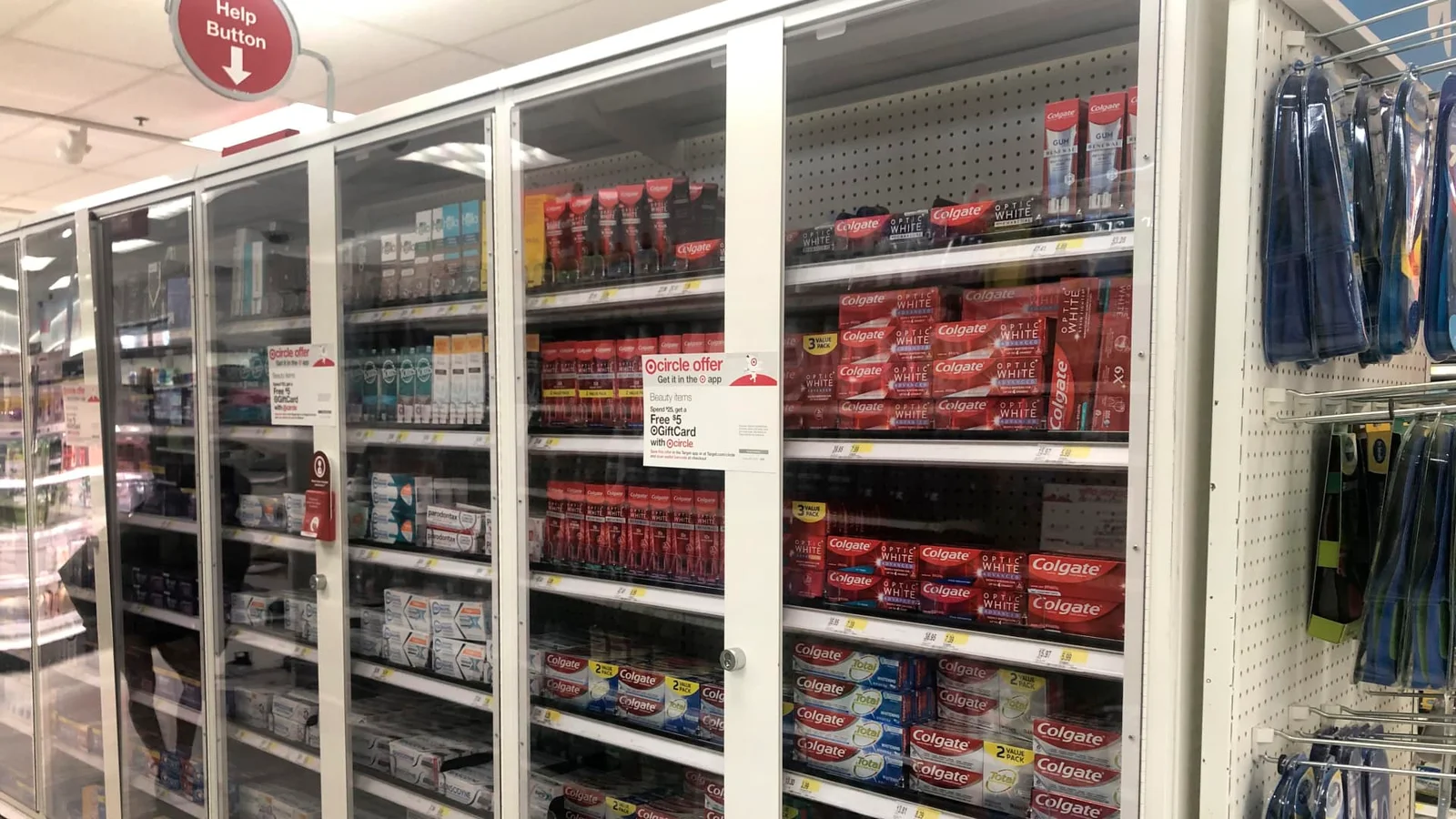
Target expects organized retail crime to cause $500 million more in stolen and lost merchandise this year compared to last year, with shrink expected to surpass $1 billion. CEO Brian Cornell called out the challenge on the company's fiscal first-quarter earnings call, saying the retailer and others are grappling with rising theft on top of slower sales and more price-sensitive shoppers. Organized retail crime has become a hot-button issue in the industry, and some companies have blamed the growth of online marketplaces that allow thieves to anonymously sell electronics, makeup and other items they stole from stores.