Macy's plans to close 14 stores nationwide as part of its strategic efforts to optimize its store footprint and invest in digital growth, despite recent sales momentum and positive customer response.
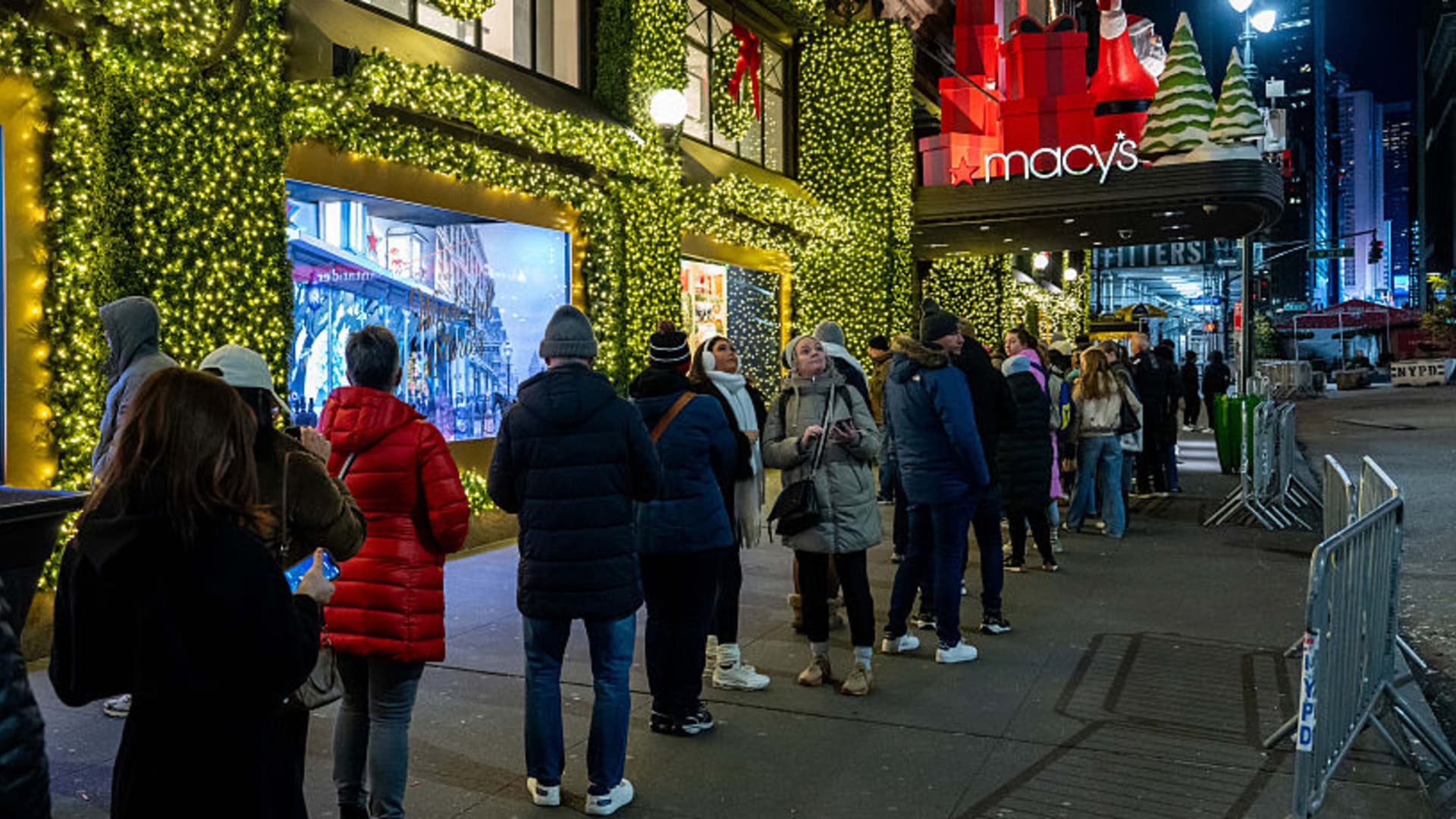
Macy's plans to close 14 stores across 12 states in early 2026 as part of its 'A Bold New Chapter' strategy, focusing on stronger locations amid a broader plan to shutter 150 stores by the end of the year, despite recent strong holiday sales.
Macy's reported its strongest sales growth in over three years, beating expectations and raising its full-year outlook, though it remains cautious about holiday season spending due to economic pressures and higher tariffs. The company is investing in store improvements and closing underperforming locations to revitalize its core business, with positive early signs from Black Friday sales.
Orvis, the outdoor and sporting goods retailer, will close 36 stores and five outlets in early 2026 due to an unprecedented tariff landscape, focusing more on core outdoor pursuits like fly fishing and wingshooting, and emphasizing its brick-and-mortar presence and product assortment aligned with its roots.
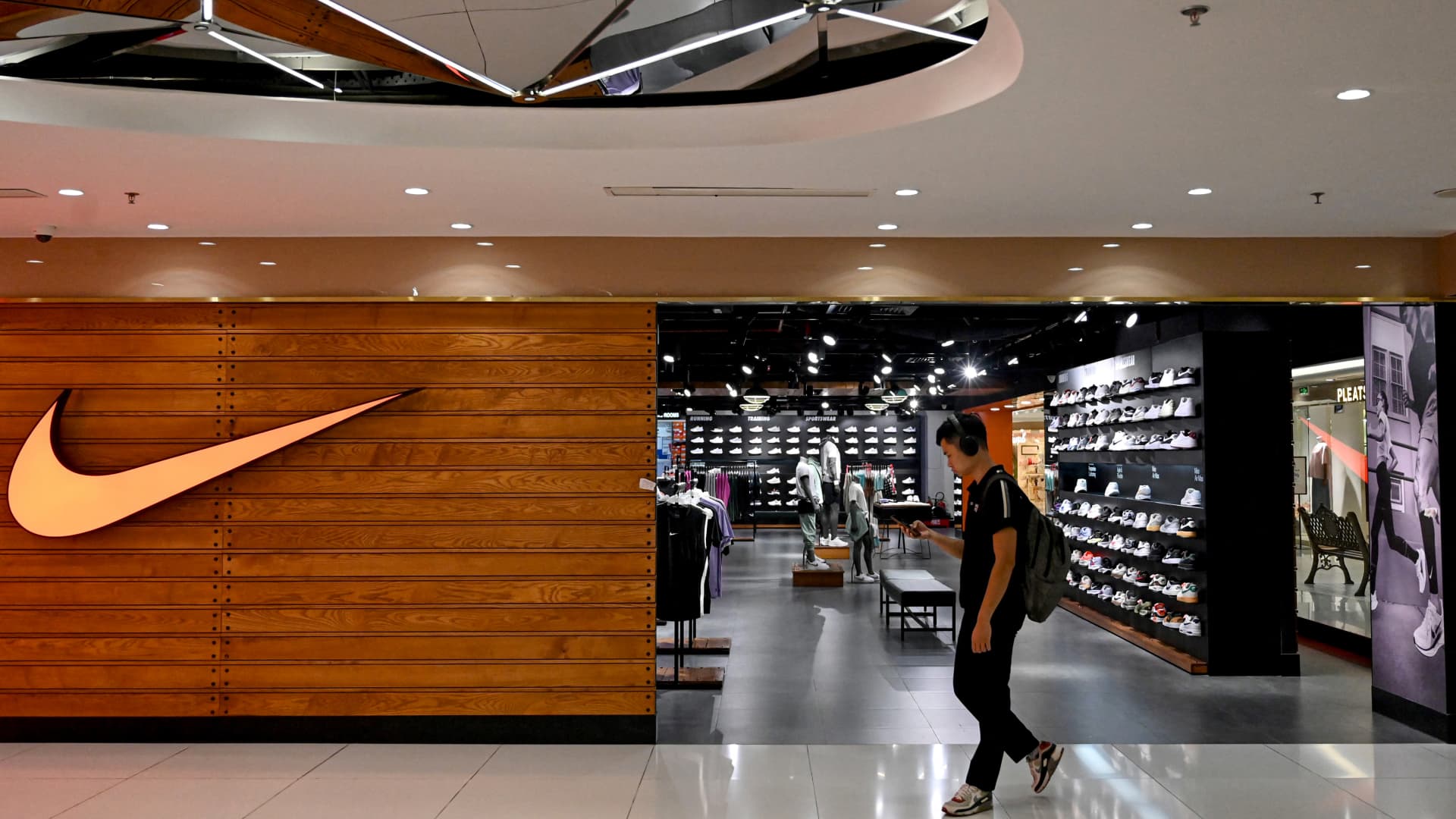
Nike's CEO Elliott Hill acknowledges that the company's turnaround will take time, as it shifts back to wholesale channels, resegments its business by sports, and works to regain market share lost during previous strategies, amid macroeconomic challenges and tariff costs.
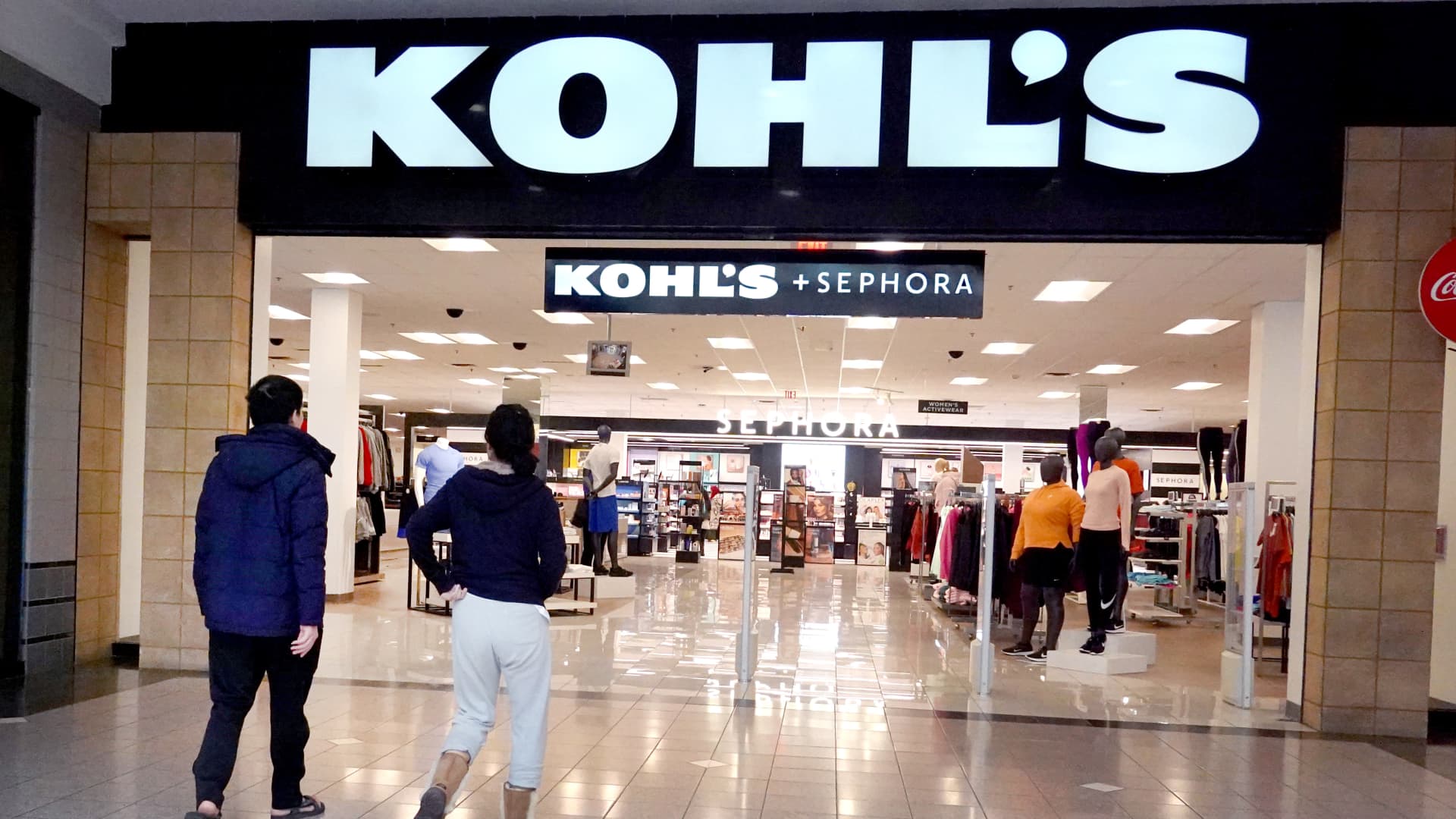
Kohl's shares surged over 15% after beating Wall Street earnings expectations despite declining sales and leadership changes. The retailer revised its full-year sales outlook to a smaller decline and increased its earnings guidance. Despite ongoing sales declines and leadership instability, Kohl's reported better-than-expected quarterly earnings, reduced inventory, and implemented strategic initiatives like expanding product categories and adding Sephora shops to its stores.
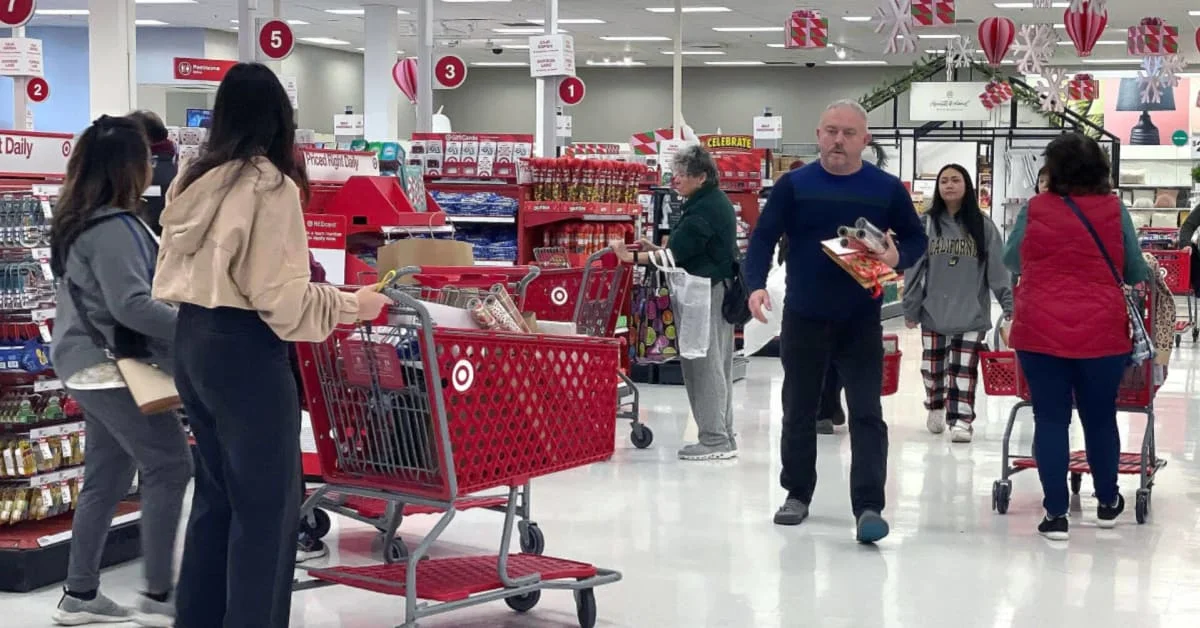
Target is experiencing declining sales and foot traffic due to inflation, tariffs, and consumer boycotts, prompting the company to overhaul its store strategy, improve customer experience, and invest in technology, while also addressing tariff-related price concerns.
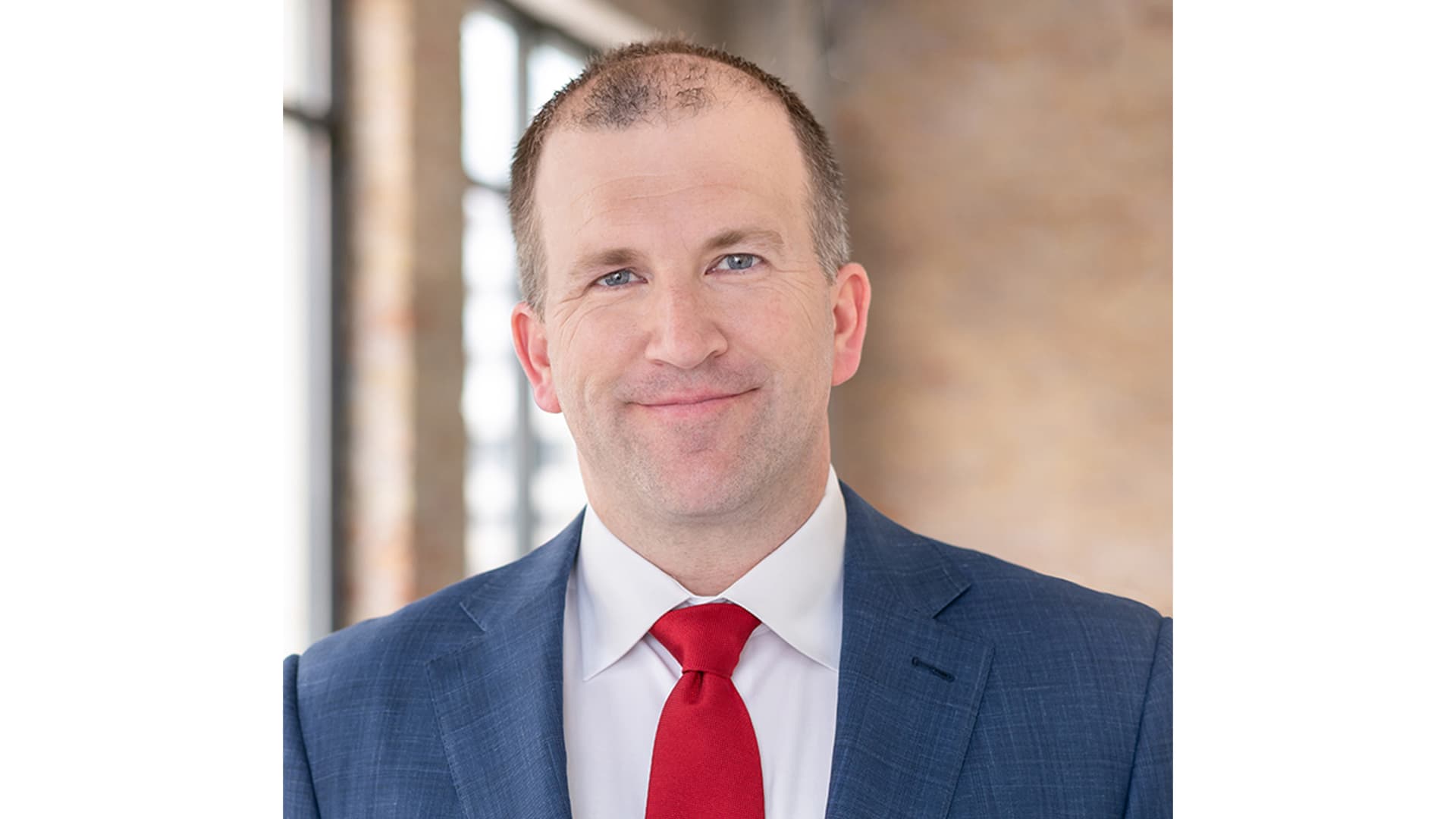
Target has appointed veteran Michael Fiddelke as its new CEO to address ongoing sales challenges and restore growth, succeeding Brian Cornell who will become executive chair. Fiddelke, with 20 years at Target, aims to rebuild the company's reputation, improve customer experience, and leverage technology, amid a backdrop of declining stock and waning consumer confidence.
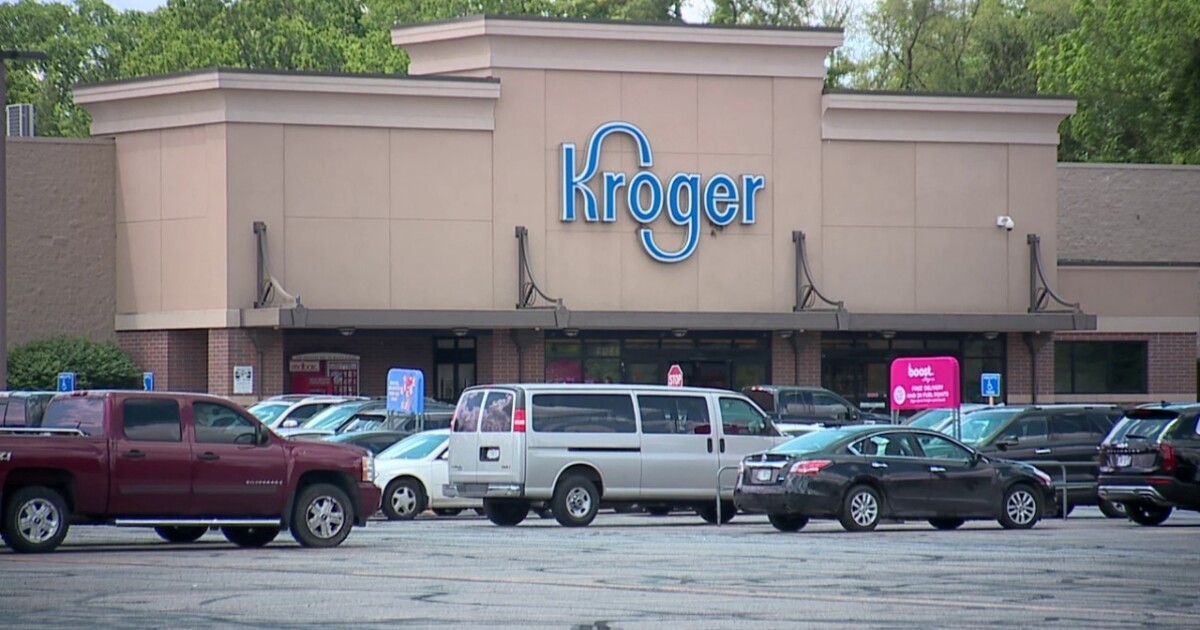
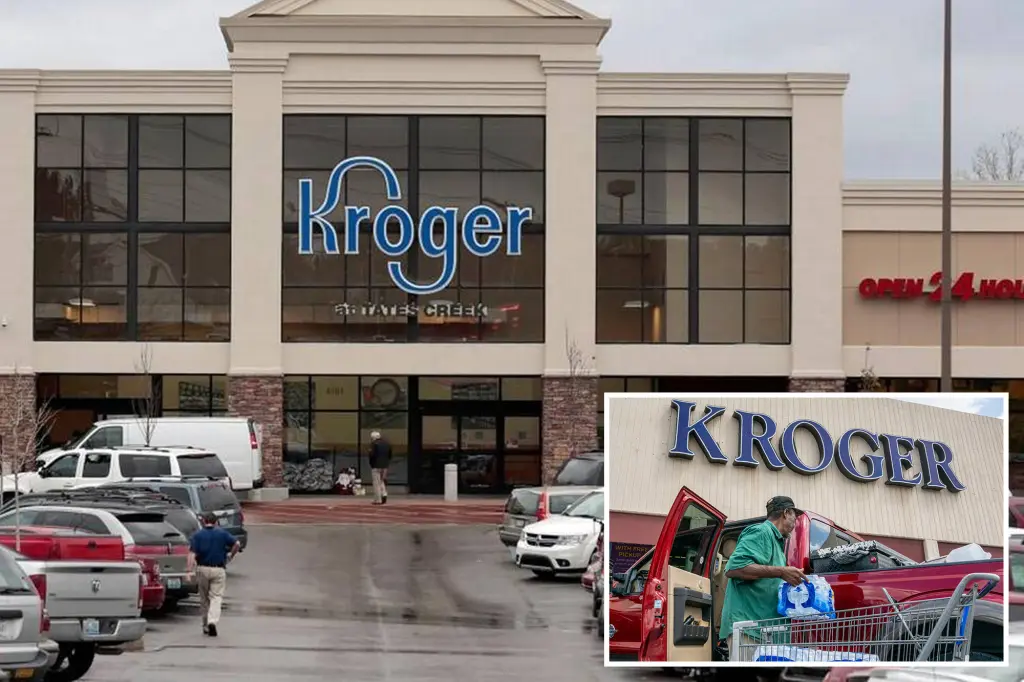
Kroger plans to close 60 underperforming stores over the next 18 months after abandoning a merger with Albertsons, which was blocked by regulators; the company will also open 30 new stores this year and offers jobs to affected employees, aiming to reinvest savings into customer experience.
Kroger plans to close 60 stores, about 5% of its locations, over the next 18 months to save costs and invest in improving the customer experience at remaining stores, with the closures expected to benefit the company's long-term financial health.
Kroger plans to close 60 underperforming stores over the next 18 months following the abrupt resignation of CEO Rodney McMullen and the collapse of its $25 billion merger with Albertsons, as the company focuses on reinvesting savings into customer experience and benefiting from increased at-home dining trends, with overall sales growth forecasted to improve.
Kroger plans to close about 60 stores over the next 18 months following the collapse of its merger with Albertsons, aiming to improve long-term profitability. The company will offer affected employees positions at nearby stores and invest in enhancing customer experience at remaining locations. Despite store closures, Kroger's sales have increased due to consumer shifts towards home-cooked meals, price cuts, and growth in private label products, leading to a nearly 10% rise in its shares.
Kroger, a major supermarket chain, plans to close 60 underperforming stores over the next 18 months to cut costs and invest in store improvements and private-label products, amid a challenging economic environment where consumers are shifting their spending towards groceries due to inflation and higher living costs.
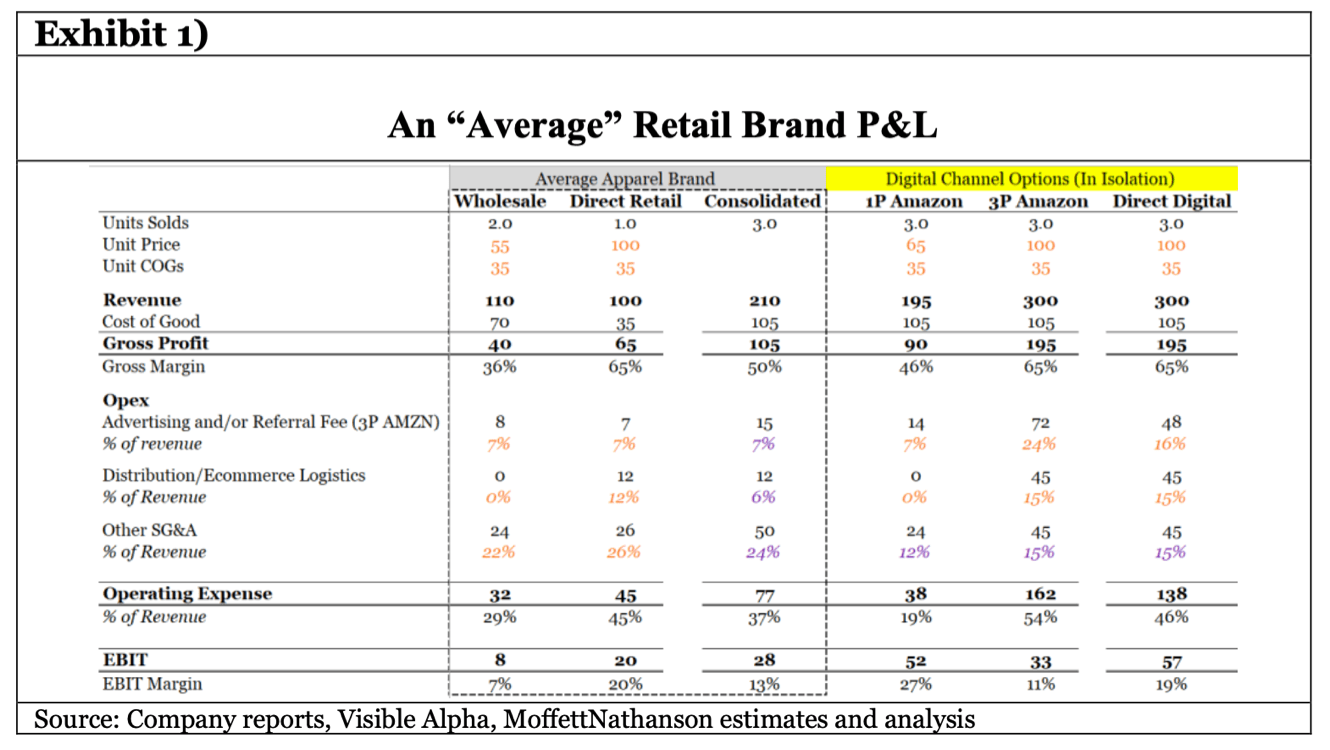
Nike's shift away from physical retail to direct-to-consumer (D2C) sales has been problematic, leading them to reluctantly embrace Amazon, which might ultimately benefit the brand by expanding its reach and sales channels.
Nintendo is adopting a strategic approach for the Switch 2 in Japan by setting higher wholesale prices to allow retailers to earn more profit per unit, aiming to strengthen its domestic retail presence and ensure prominent placement. This move is part of a broader effort to boost sales and support brick-and-mortar stores amid changing industry dynamics, with the console expected to sell over 15 million units by next March.