
Decoding the Impact of 'Junk DNA' on Gene Expression: Stanford Study Reveals Insights
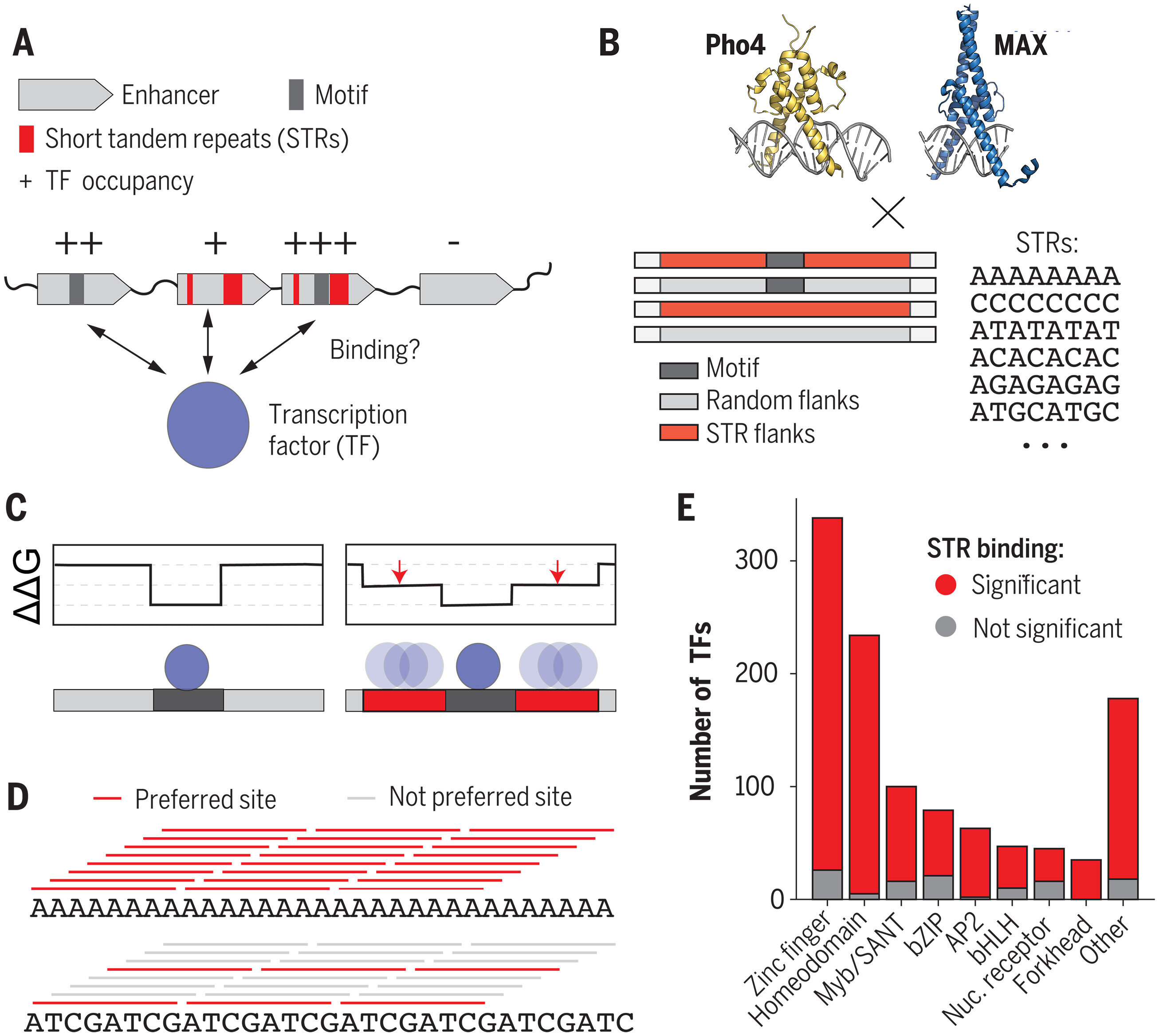
A new study has shed light on how noncoding regions of the genome, previously referred to as "junk DNA," influence gene expression. The research focused on short tandem repeats (STRs), which make up about 5% of the human genome. By studying how STRs interact with transcription factors, the study revealed that the sequence of STRs around a motif can have a significant impact on transcription factor binding, potentially affecting gene expression. The findings could help researchers better understand complex genetic conditions such as autism, schizophrenia, cancer, and Crohn's disease, and provide insights into the role of noncoding regions in polygenic diseases.