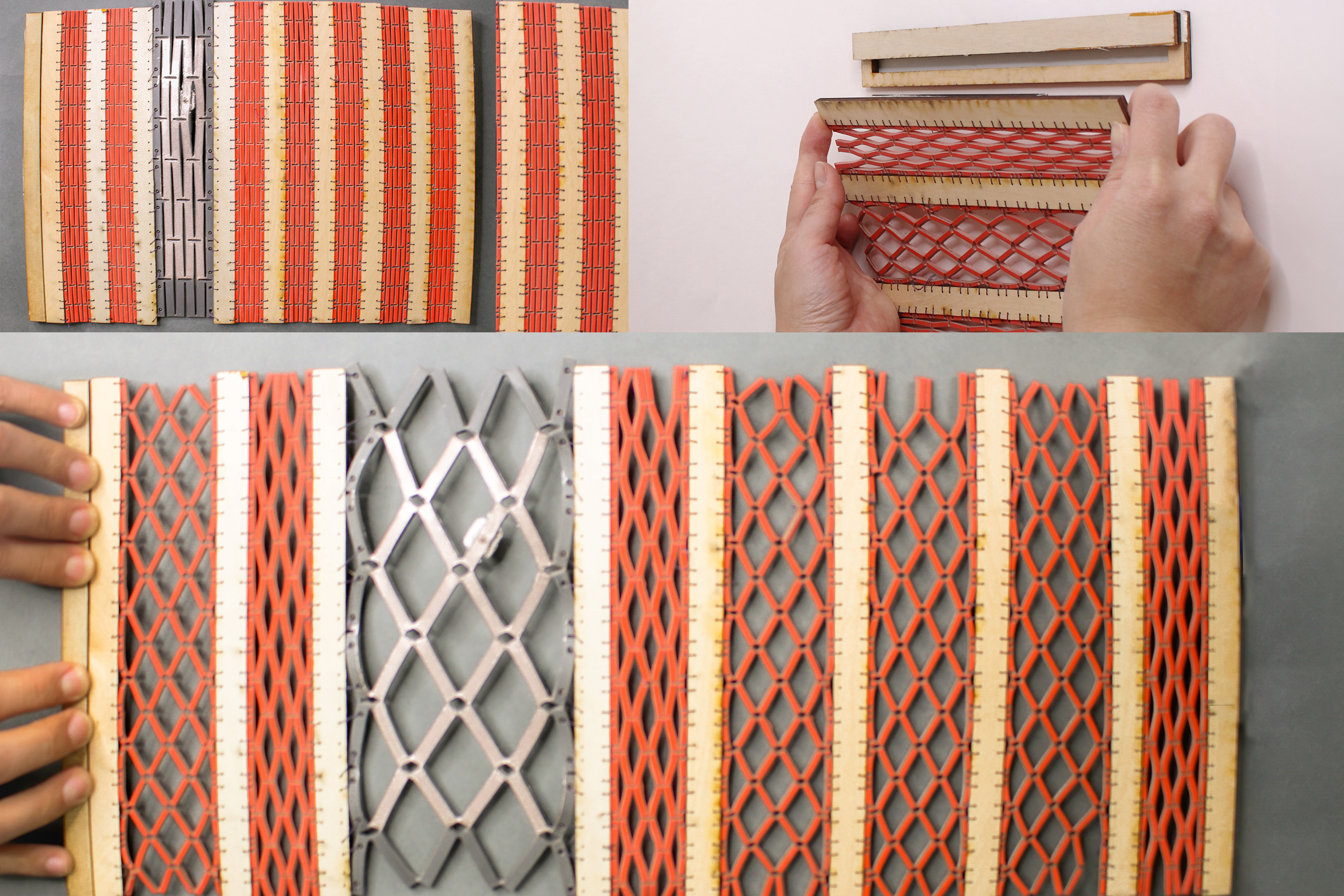
MIT researchers have developed a shape-changing, reconfigurable antenna using metamaterials that can adjust its frequency range by stretching, bending, or compressing, enabling versatile applications in communication and sensing without complex moving parts.
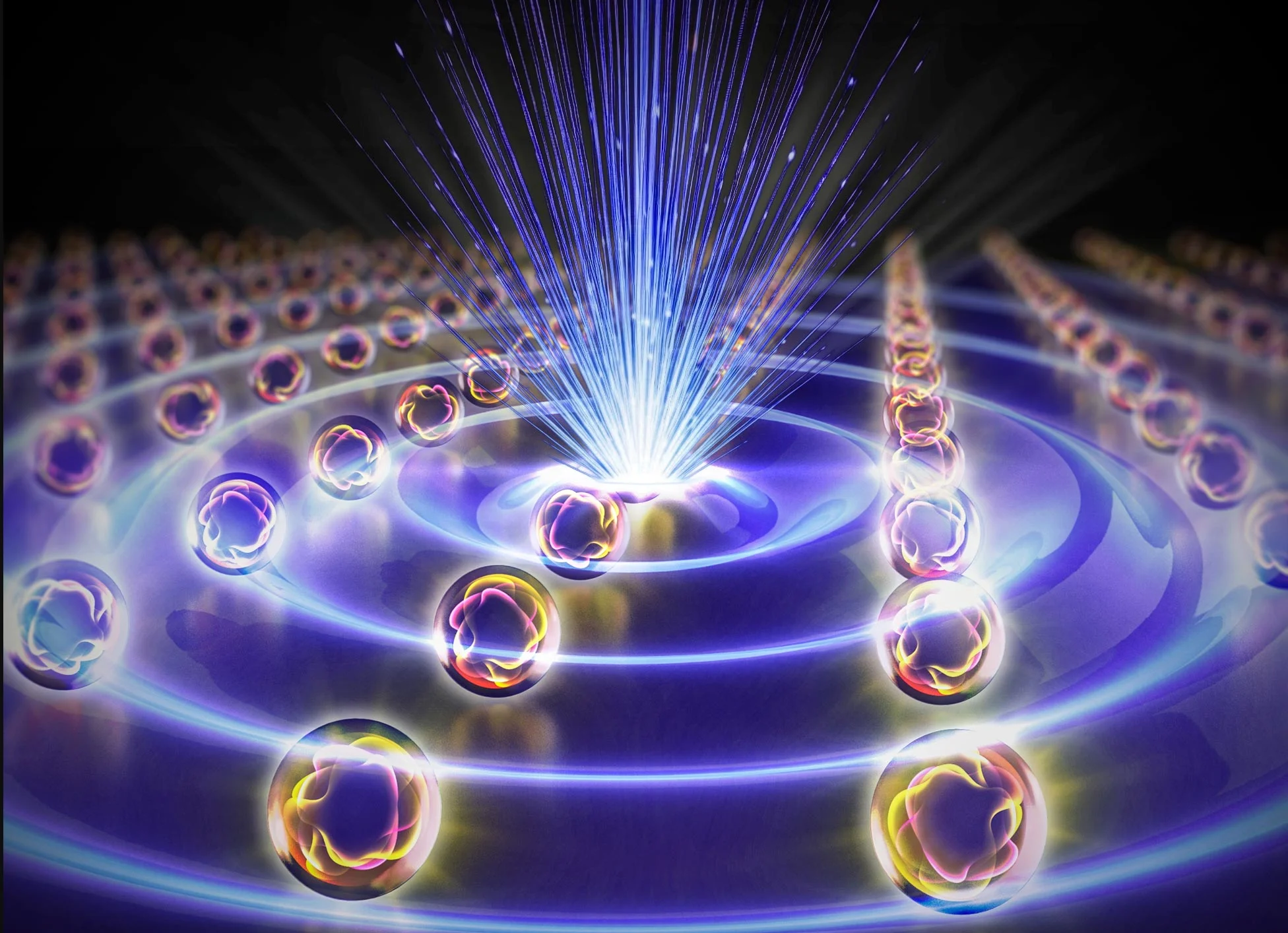
Scientists have developed photonic time crystals, materials that can exponentially amplify light, potentially revolutionizing fields like communication, imaging, and sensing. These crystals, which oscillate in time rather than space, create unique states where light intensity grows exponentially, offering applications in advanced sensors and lasers. The research, involving an international team, proposes a practical approach to creating these crystals for visible light using silicon spheres, overcoming previous technical challenges.
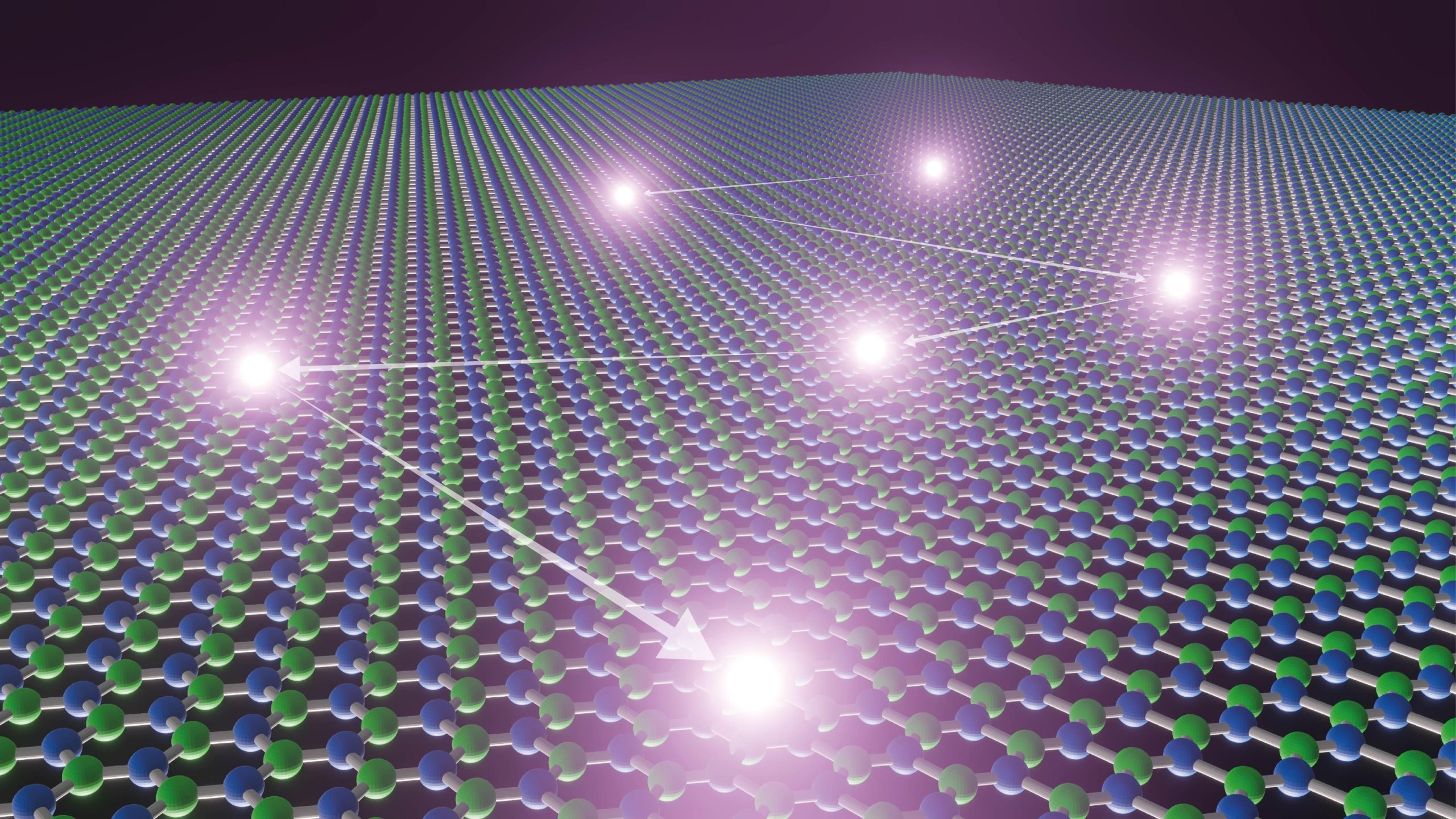
Scientists from EPFL and the University of Manchester have made a breakthrough in nanofluidics by utilizing the fluorescent properties of a graphene-like 2D material, boron nitride. This discovery allows for the tracking of individual molecules within nanofluidic structures, providing new insights into molecular behavior and paving the way for advancements in optical imaging and sensing. The research offers a deeper understanding of molecular properties and has potential applications in visualizing nanoscale flows and studying confined spaces.