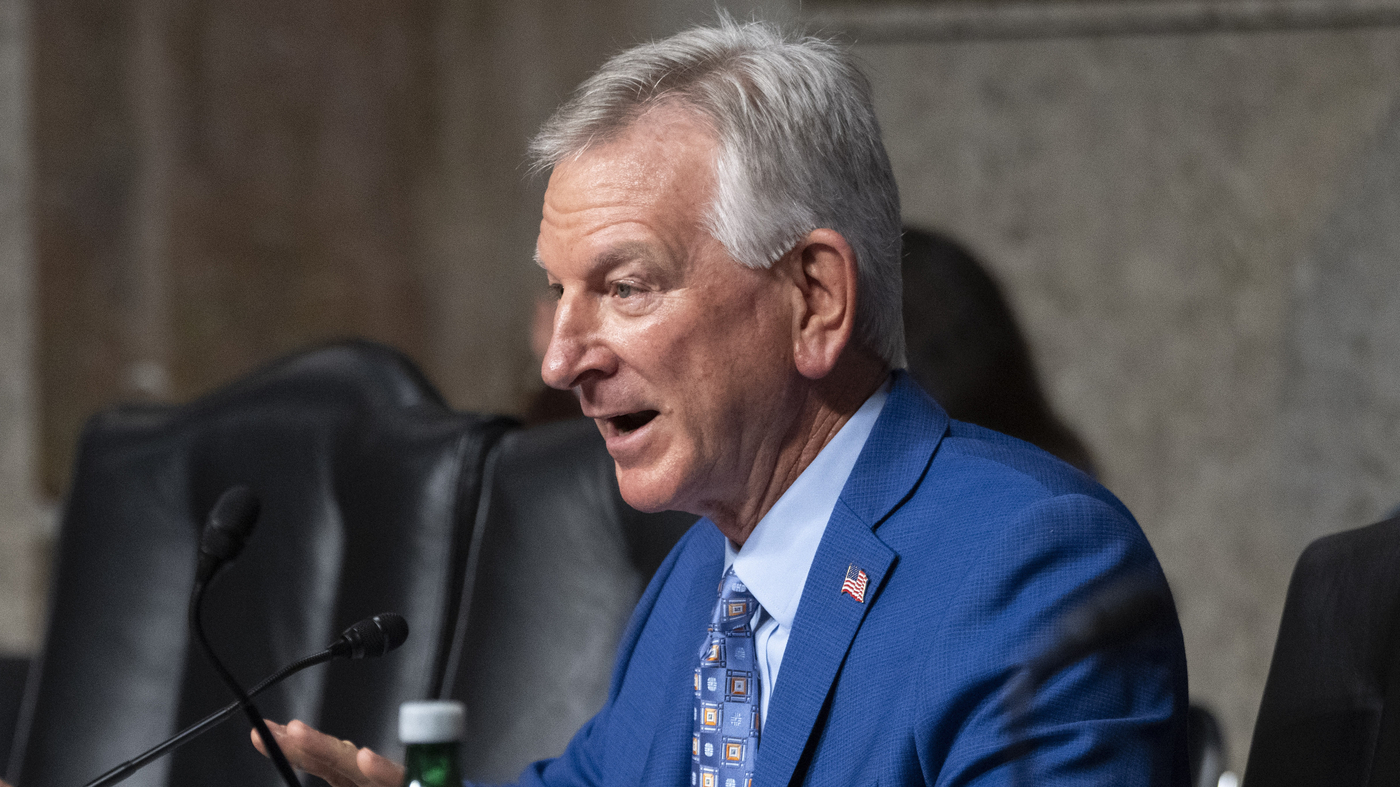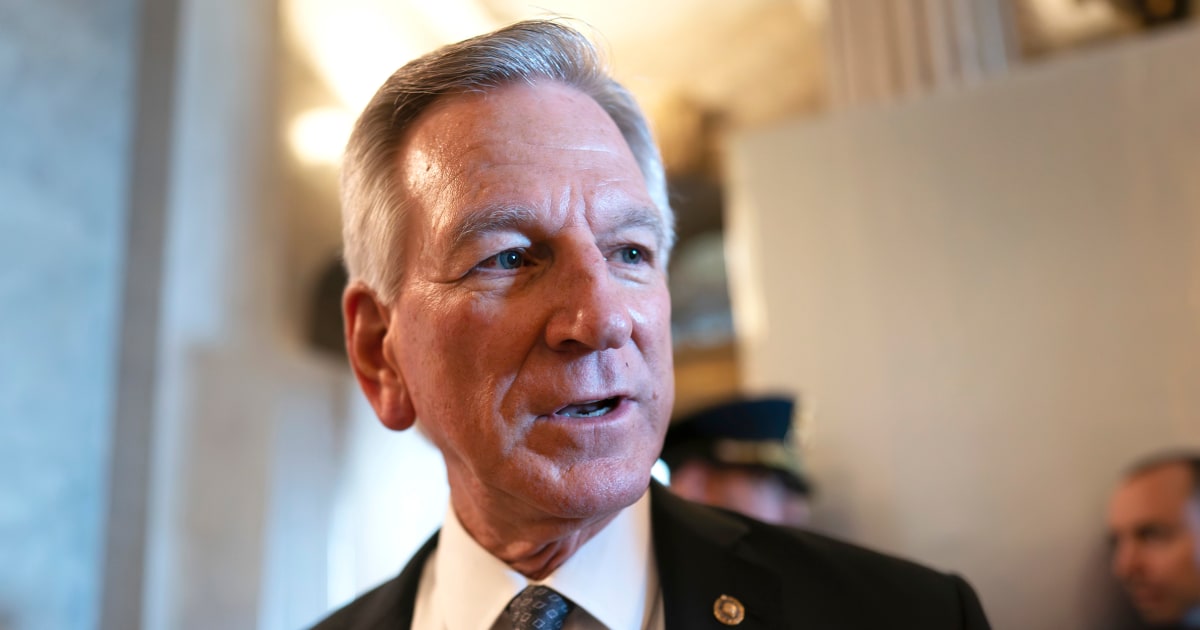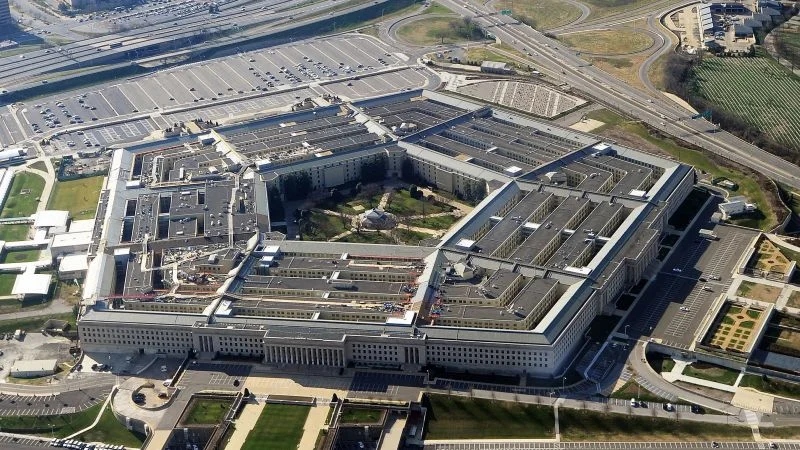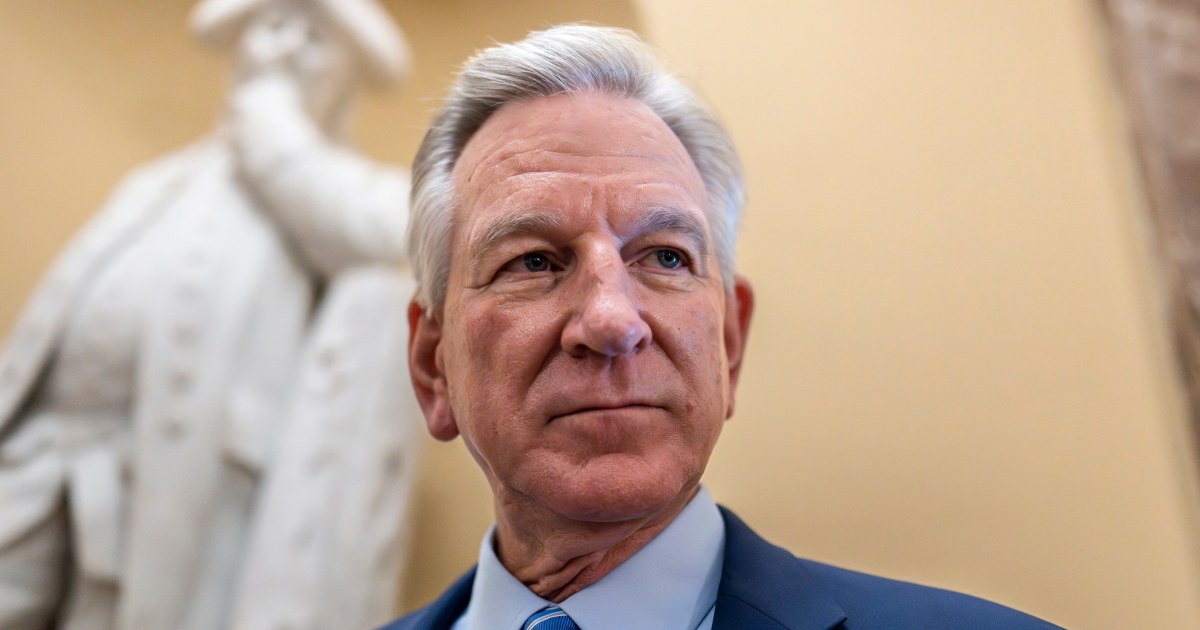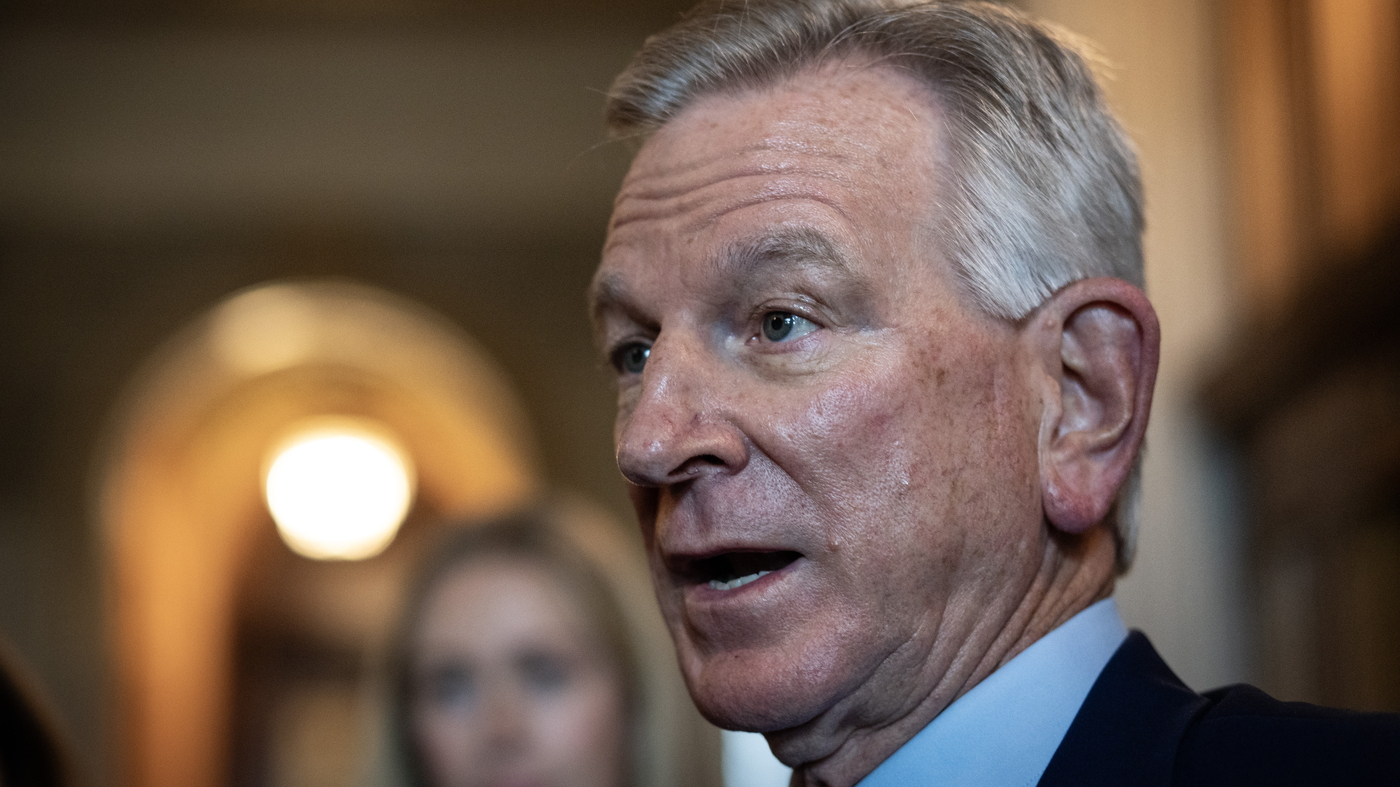
Alabama Republican Senator Tommy Tuberville has dropped his holds on 11 four-star level military promotions, which had been blocked since February over objections to Pentagon abortion policy. Tuberville's blockade had faced criticism from both Republicans and Democrats for damaging military readiness. The promotions include key senior leadership positions in various commands, and the backlog of promotions had grown to over 450 people during the delay. Tuberville's decision to drop the holds comes without any concessions on the military's abortion policies.
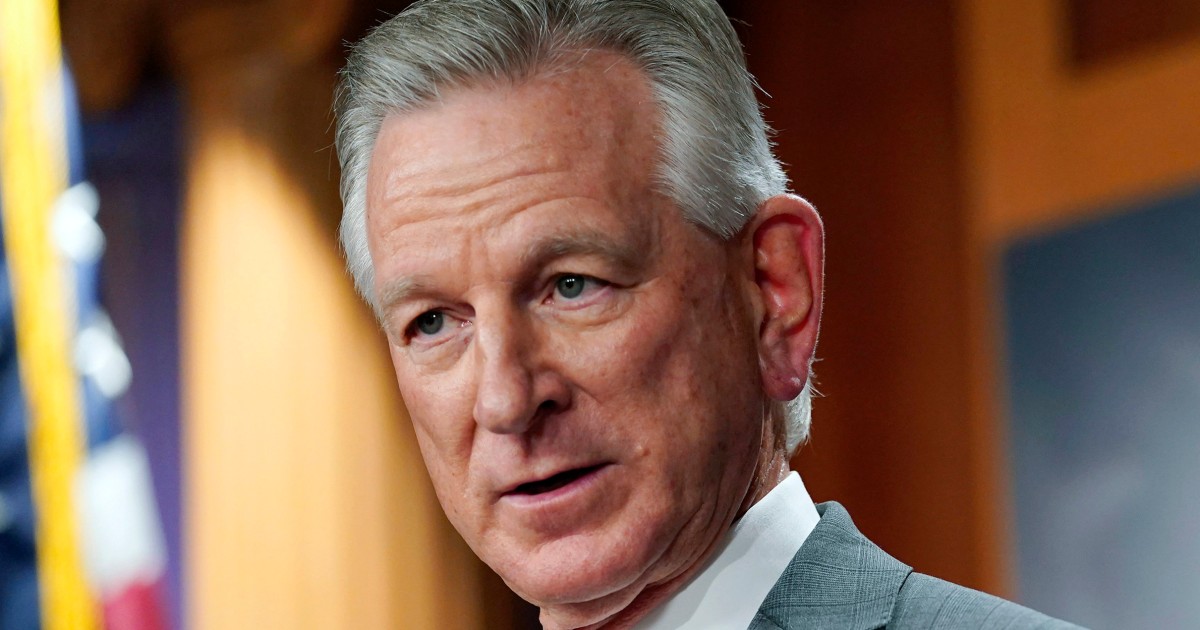
Senator Tommy Tuberville, a Republican from Alabama, has announced that he is lifting his hold on hundreds of military nominations, except for 11 four-star generals. Tuberville had been blocking these nominations for months in protest of the Defense Department's policy on reimbursing service members for abortion-related travel costs. Some of the nominations he had blocked included top officers who would command U.S. forces in the Middle East. Tuberville faced criticism from both Democrats and Republicans for his actions, with concerns raised about the impact on military readiness and talent retention.
Senator Tommy Tuberville of Alabama has announced that he will drop his months-long hold on most military promotions, except for those of Four Star generals, due to his objections to a Pentagon policy regarding abortion care. Tuberville's hold has created a backlog of over 350 promotions since February.
Senator Tommy Tuberville, who has been blocking promotions at the Pentagon in protest of a new abortion policy, attempted to force the Senate to vote on a key nominee, Gen. Eric Smith, in an effort to shift pressure onto Democrats. However, Senate Majority Leader Chuck Schumer initiated the process of voting on three nominees, potentially undermining Tuberville's efforts. Tuberville's blockade has left the Pentagon without a Senate-confirmed commandant for the first time in over 150 years. He has stated that he will only lift his holds if the Pentagon reverses its abortion policy. The delays have drawn criticism from both Democrats and Republicans, with the White House using it as a talking point to portray congressional Republicans as unreasonable. Tuberville's push for individual votes on nominees is seen as an attempt to alleviate political pressure on the GOP.
The Pentagon is increasing pressure on Sen. Tommy Tuberville to lift his hold on hundreds of senior military nominations, which is impacting 265 officers and their families. The Pentagon is engaging in back-channel conversations with Congress, raising awareness of the effects of the holds on military families, and seeking support from Republican senators. Tuberville maintains his block on nominations as a protest against the Defense Department's reproductive health policies, claiming it has no impact on national security. The hold disrupts the routine process of confirming nominations and could take months to complete if each nomination requires an individual vote.
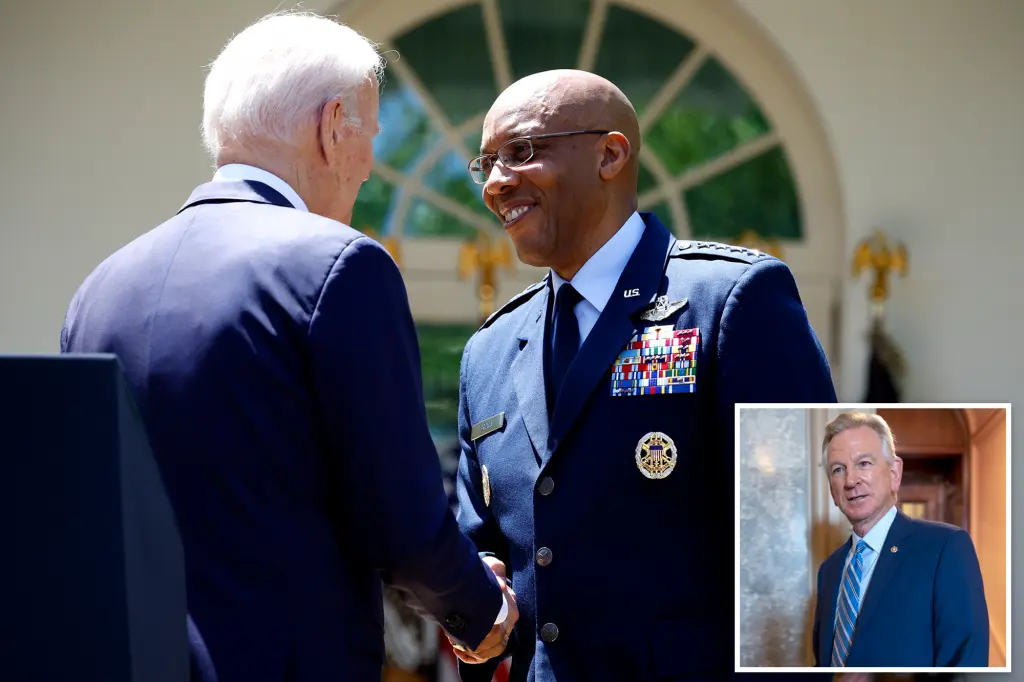
President Biden nominated Air Force Gen. Charles Q. Brown to be the next Chairman of the Joint Chiefs of Staff, but his confirmation may face an uphill battle in the Senate due to Sen. Tommy Tuberville's hold on roughly 200 DOD nominations. Brown, who would be the second-ever black man to serve in the role, has an unmatched, firsthand knowledge of the operational theaters and a strategic vision to ensure the security of the American people. The bipartisan group of seven former US defense secretaries wrote the Senate with concern over Tuberville's holdups, saying it risks turning military officers into political pawns.
Sen. Tommy Tuberville's hold on military promotions will also apply to Air Force Gen. C.Q. Brown Jr.'s elevation to chairman of the Joint Chiefs of Staff, according to his spokesperson. Tuberville has been criticized for stalling promotions of over 150 military officials in protest of a recent Department of Defense policy that provides travel expenses and paid time off for service members and their dependents seeking abortions. Biden formally announced Thursday that he has picked Brown to serve as the next chair of the Joint Chiefs of Staff, replacing Army Gen. Mark Milley when his term ends in October.