Secretary of War Pete Hegseth announced several Marine Corps officers' nominations for promotion to general and brigadier general, with assignments across various U.S. military commands, including the U.S. Southern Command and U.S. Indo-Pacific Command.
The Secretary of Defense announced numerous nominations and appointments for high-ranking officers across the U.S. Air Force, Army, Marine Corps, Navy, and Space Force, including promotions to generals, lieutenant generals, vice admirals, and other senior positions, with assignments at key military commands and the Pentagon.
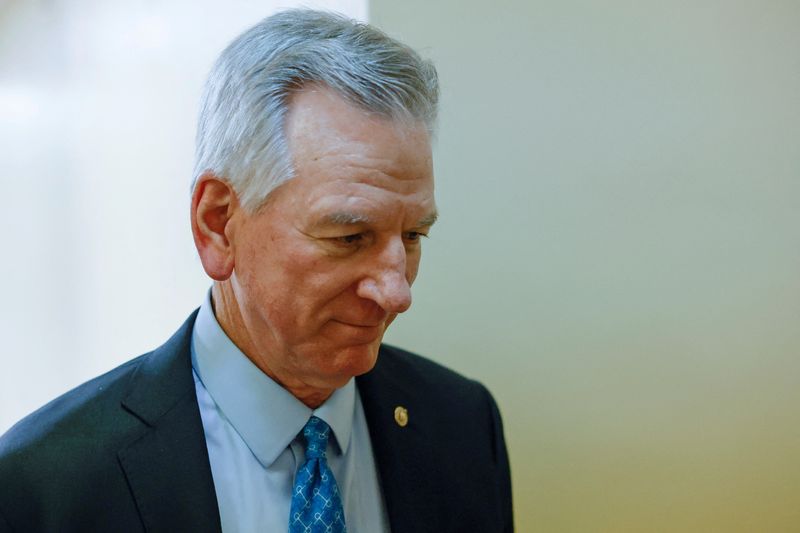
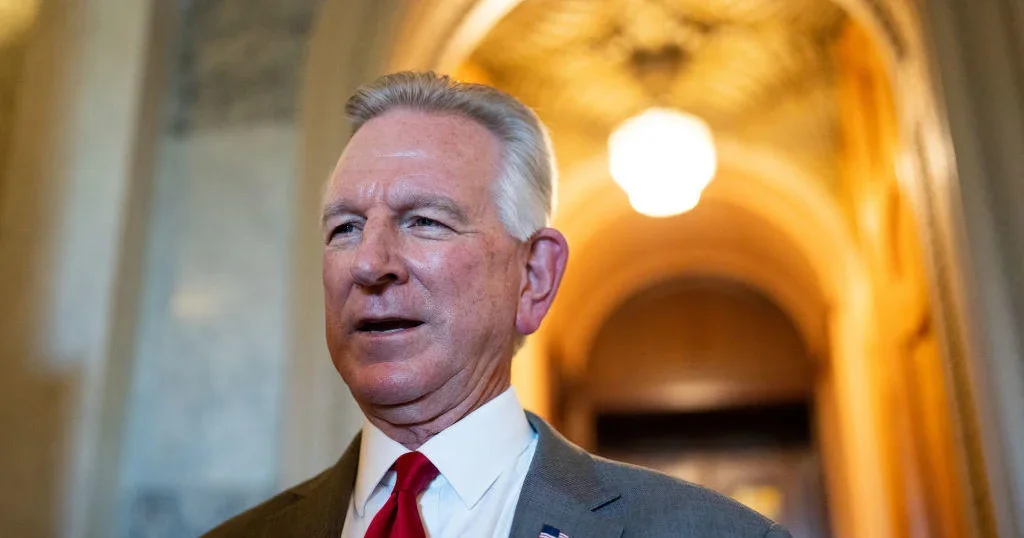
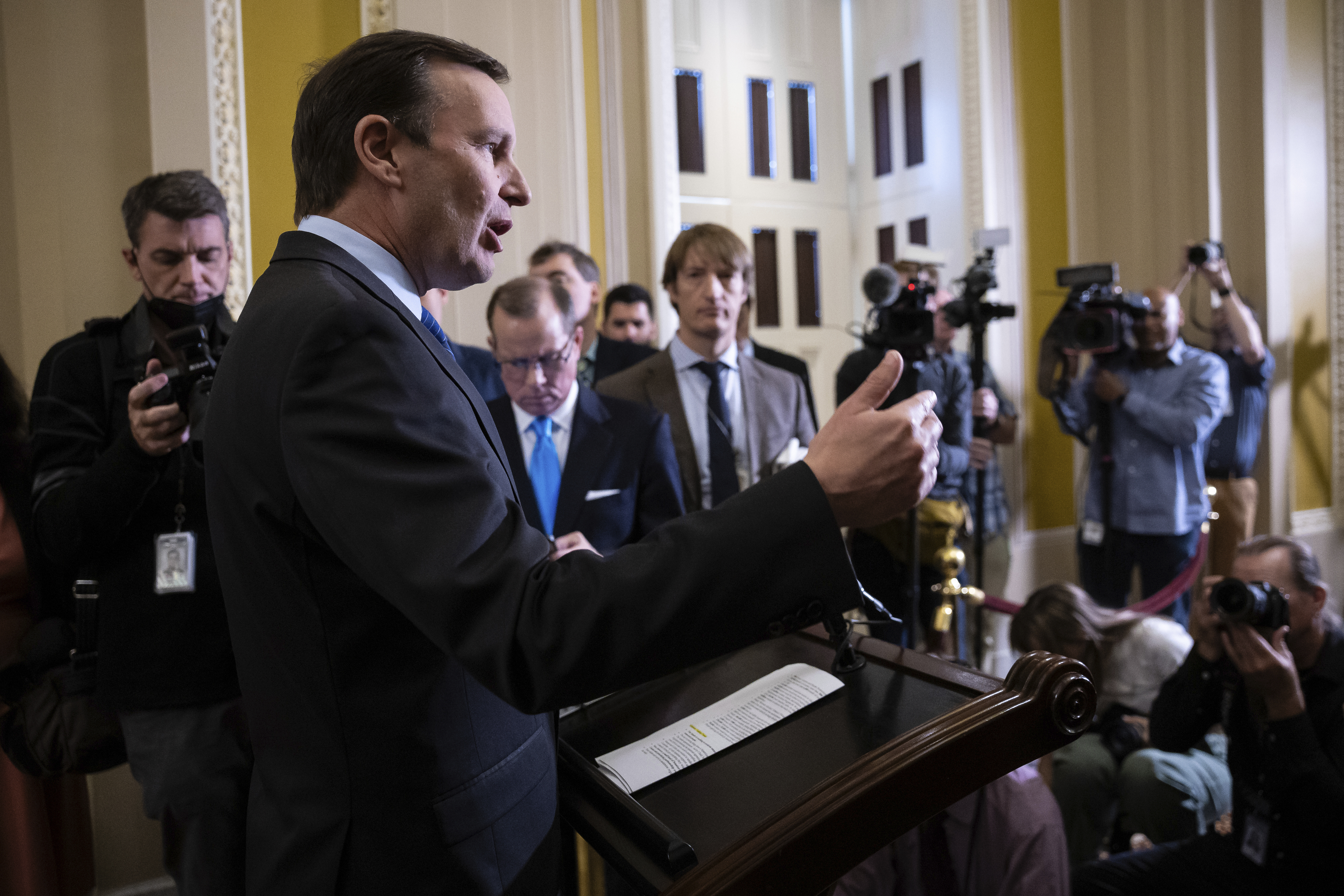
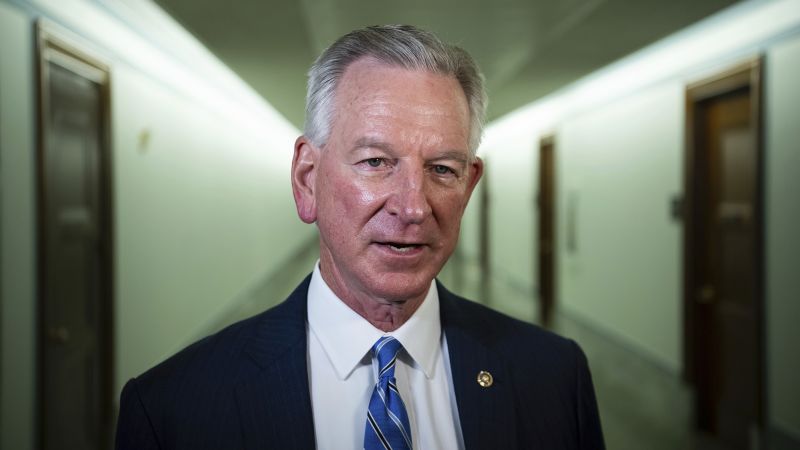
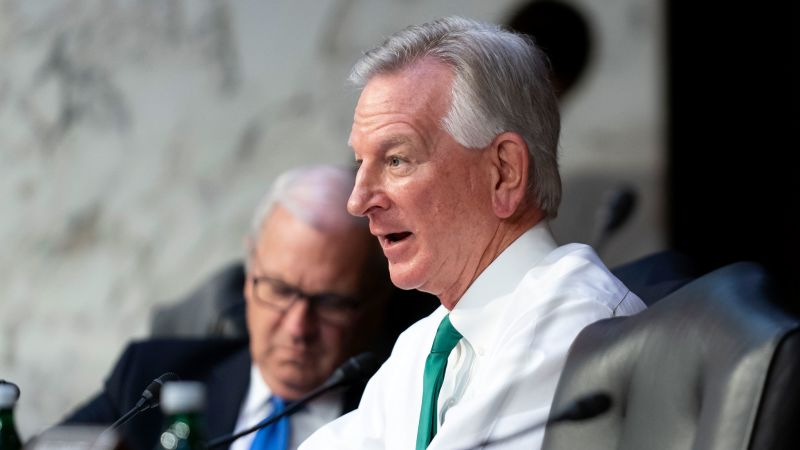
The Senate confirmed 11 nominees for top military positions, ending Senator Tommy Tuberville's 11-month blockade of military nominations. Tuberville had been blocking confirmations in protest of the Pentagon's policy on reimbursing travel costs for troops seeking abortions. The confirmation of these nominees, including four-star officers, was secured by Majority Leader Chuck Schumer through a deal, marking the conclusion of Tuberville's unsuccessful tactic. The impasse had affected over 400 general and flag officers and was criticized for jeopardizing military readiness. Tuberville still retains his hold on civilian Pentagon nominees.
Senator Tommy Tuberville, a Republican from Alabama, has announced that he is lifting his hold on hundreds of military nominations, except for 11 four-star generals. Tuberville had been blocking these nominations for months in protest of the Defense Department's policy on reimbursing service members for abortion-related travel costs. Some of the nominations he had blocked included top officers who would command U.S. forces in the Middle East. Tuberville faced criticism from both Democrats and Republicans for his actions, with concerns raised about the impact on military readiness and talent retention.
Republican Senator Tommy Tuberville has continued his blockade of military promotions by preventing the approval of hundreds of nominations, citing his protest against the Defense Department's abortion policy. Tuberville's actions have faced opposition from both Republicans and Democrats, who argue that he should target policy-related nominees instead of punishing deserving military members. The logjam has left key positions empty, harming national security and making recruitment and retention more difficult. Senate Democrats are working on a rules change to bypass Tuberville's blockade.
Republican senators, including Lindsey Graham and Mitt Romney, pressured Alabama GOP Senator Tommy Tuberville on the Senate floor to end his hold on over 370 military nominations. Tuberville has been blocking the nominations to protest a Pentagon policy that funds travel expenses for service members seeking abortion and reproductive care outside their state. The senators argued that Tuberville's holds are damaging the military and preventing deserving individuals from being promoted. Tuberville objected to each individual nomination, blocking 61 nominations in total. The Senate has attempted to bypass Tuberville's hold by voting individually on key nominees, but it would take weeks to complete the process for all pending nominations. The hold is now impacting leadership positions in the Middle East amid escalating conflicts.
Senate Democrats are pushing for the confirmation of military nominations and ambassadorships that have been held up in the Senate, citing the urgency brought about by the war in Israel. The military blockade, initiated by Sen. Tommy Tuberville in protest of the Pentagon's abortion travel policy, has affected key military positions and diplomatic appointments. Democrats are urging Republicans to intervene and change Senate procedures to expedite the confirmation process. However, there is limited Republican interest in altering the rules, and it remains uncertain if the holds will be lifted. The Biden administration and the Senate are facing multiple vacancies in crucial positions, and Democrats are calling for swift action to ensure the U.S. has its team in place to address the crisis in the Middle East.
Three senior military officials, Navy Secretary Carlos Del Toro, Army Secretary Christine Wormuth, and Air Force Secretary Frank Kendall, have penned an op-ed in The Washington Post, urging Republican Sen. Tommy Tuberville to end his months-long holds on military promotions due to his opposition to the Pentagon's abortion care policy. The officials argue that Tuberville's actions are jeopardizing national security and causing financial stress for military leaders and their families. Tuberville has delayed the confirmations of over 300 top military nominees, leaving three military services without Senate-confirmed leaders for the first time in history. The officials call for the holds to be lifted and the senior military leaders to be confirmed.
The US Navy has become the third branch of the military to lack a Senate-confirmed leader, as Republican Senator Tommy Tuberville continues to block military nominations. Retiring Chief of Naval Operations Admiral Mike Gilday relinquished command, leaving the Navy, Army, and Marine Corps without confirmed leaders. Defense Secretary Lloyd Austin called the situation unprecedented, unnecessary, and unsafe. President Joe Biden has nominated Admiral Lisa Franchetti to lead the Navy, which would make her the first woman to command the service and become a member of the Joint Chiefs of Staff if confirmed. Tuberville's hold is based on his objection to the Pentagon using government funding for travel costs related to abortions for service members and their dependents.
The U.S. Navy has become the third branch of the military to lack a Senate-confirmed leader, as Republican Senator Tommy Tuberville continues to block military nominations. Retiring Chief of Naval Operations Admiral Mike Gilday relinquished command, leaving the Navy, Army, and Marine Corps without confirmed leaders. Tuberville's hold on nominations is due to his objection to the Pentagon using government funding for travel costs related to abortions for service members and their dependents. President Joe Biden has nominated Admiral Lisa Franchetti to lead the Navy, but her confirmation is pending.
The Senate confirmed a slate of State Department nominees, including ambassadors to several countries, after Republican Senator Rand Paul reached a deal with the State Department to release holds on nominees in exchange for records on the origins of COVID. However, Republican Senator Tommy Tuberville's hold on military nominations remains unresolved due to his protest against a Pentagon abortion policy. Senate Democrats refuse to work on releasing Tuberville's hold, placing the responsibility on the Republican Senate caucus. The confirmations are seen as a victory for US leadership and democracy, while pressure mounts on Tuberville to resolve the impasse.
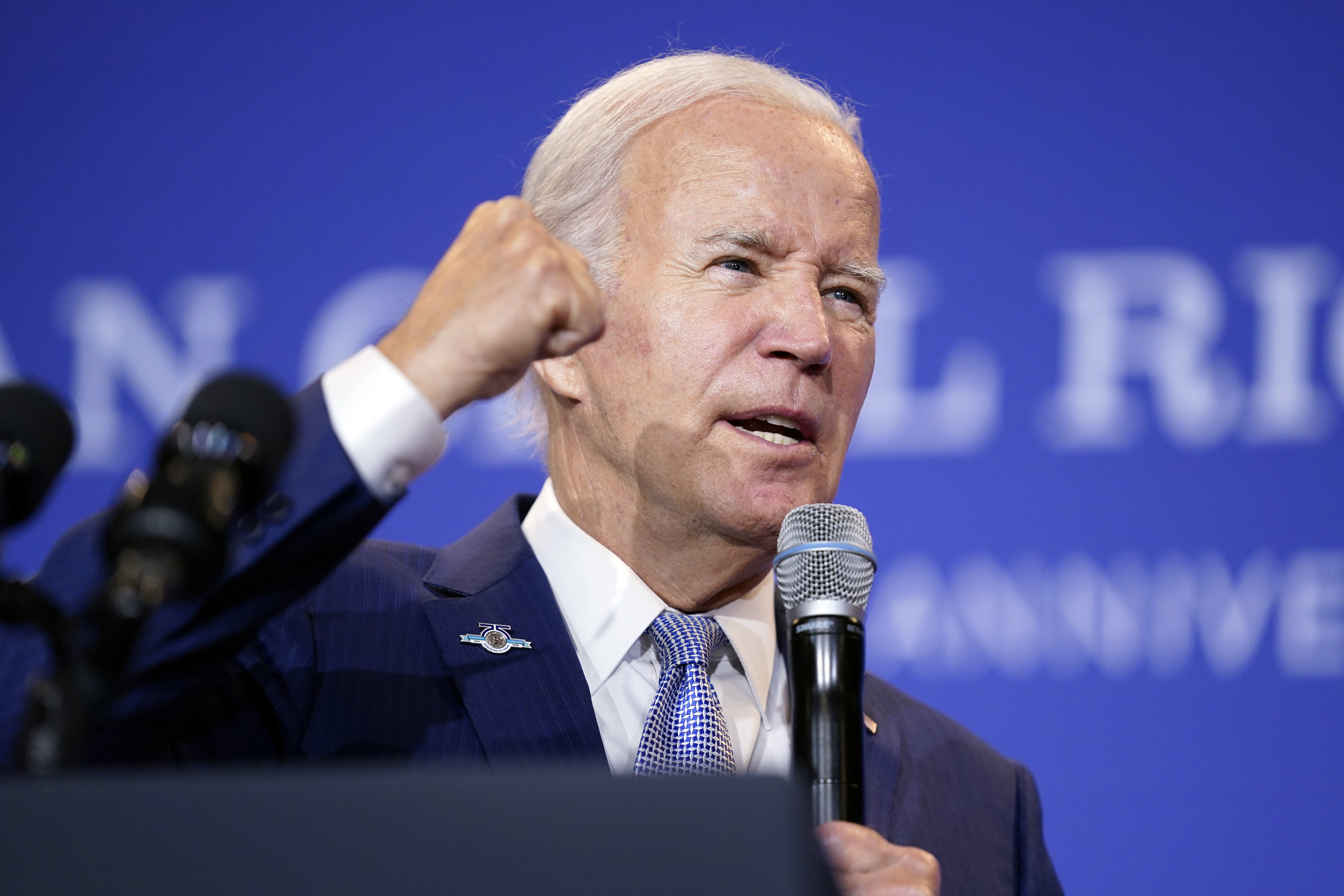
President Joe Biden criticized Alabama Senator Tommy Tuberville for blocking military nominations and promotions, accusing him of having an "extreme political agenda." Tuberville initiated the hold earlier this year in response to the Department of Defense's policy on covering reproductive care costs for servicemembers. Biden highlighted the nominations of C.Q. Brown and Lisa Franchetti, emphasizing their historic significance as potential leaders in the military. He called on Tuberville to end the hold, stating that it was undermining the military and endangering national security. The Senate has expressed overwhelming support for the Department of Defense policy, setting up a debate with the House over the Pentagon's abortion travel policy.
Alabama Senator Tommy Tuberville is blocking hundreds of military nominations and promotions in an effort to change the Pentagon's abortion policy. This unprecedented move has raised concerns about military readiness and has stalled the confirmation of top Pentagon leaders. Tuberville insists he won't drop the holds unless there is a vote on the policy, but Democrats argue that this could tie up the Senate floor for months. The impasse has sparked bipartisan pushback, with both Republican and Democratic senators expressing concerns about the impact on military careers and readiness. The Pentagon warns that the holds are causing a trickle-down effect and forcing less experienced leaders into top positions. The clash over Pentagon policy remains at a stalemate.
The Pentagon is increasing pressure on Sen. Tommy Tuberville to lift his hold on hundreds of senior military nominations, which is impacting 265 officers and their families. The Pentagon is engaging in back-channel conversations with Congress, raising awareness of the effects of the holds on military families, and seeking support from Republican senators. Tuberville maintains his block on nominations as a protest against the Defense Department's reproductive health policies, claiming it has no impact on national security. The hold disrupts the routine process of confirming nominations and could take months to complete if each nomination requires an individual vote.
The nominee for the top military officer in the U.S., Air Force Gen. Charles Q. Brown, warned that Republican Senator Tommy Tuberville's hold on military nominations could result in the loss of talent in the armed forces. Tuberville's hold is in protest of the Defense Department's policy on abortion-related travel expenses for service members. The hold has already led to the Marine Corps operating without a Senate-confirmed commandant for the first time in 164 years, and other positions on the Joint Chiefs of Staff could also be affected. The Pentagon estimates that the hold could impact 650 nominations by the end of the year. Democrats argue that holding individual votes on the nominations would be time-consuming, while Senate Majority Leader Chuck Schumer accuses Tuberville of "risking military security."