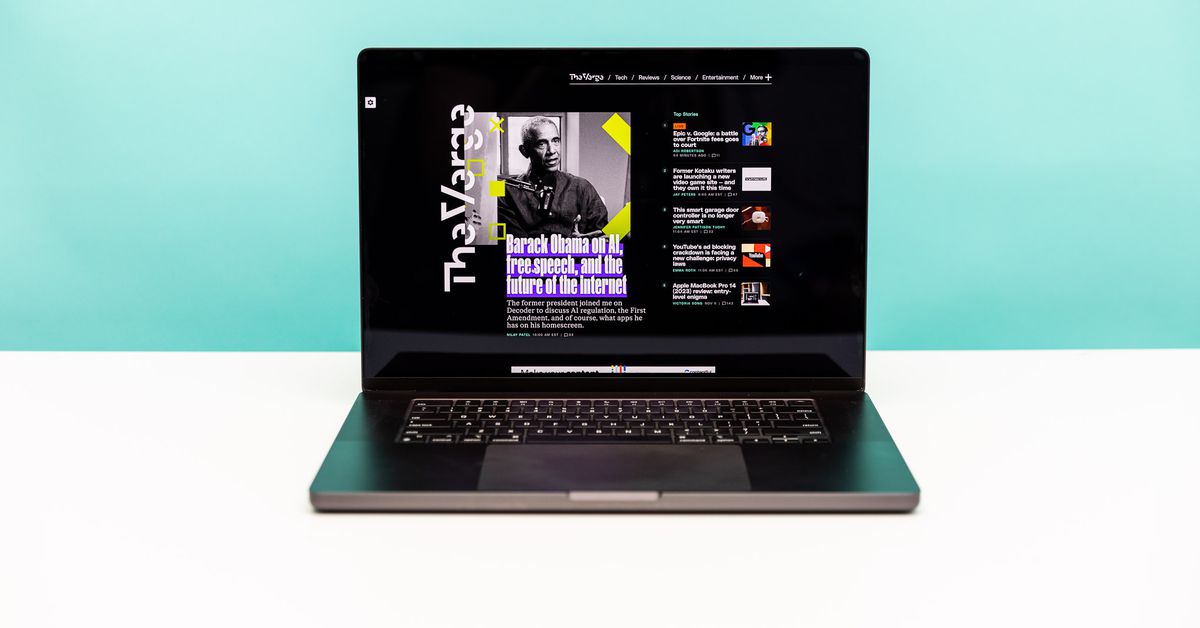
Apple has expanded its Self Service Repair program to include the latest MacBook Pro and iMac models powered by its M3 processor, allowing users to access tools, parts, and repair manuals from Apple’s self-repair website. The company also plans to make its remote diagnostic tool available for M3 Macs next month and streamline the System Configuration process for all Mac models, eliminating the need to contact Apple support for validation. This move comes after Apple's nationwide right-to-repair commitment, although the company was recently caught lobbying against a right-to-repair bill in Oregon.
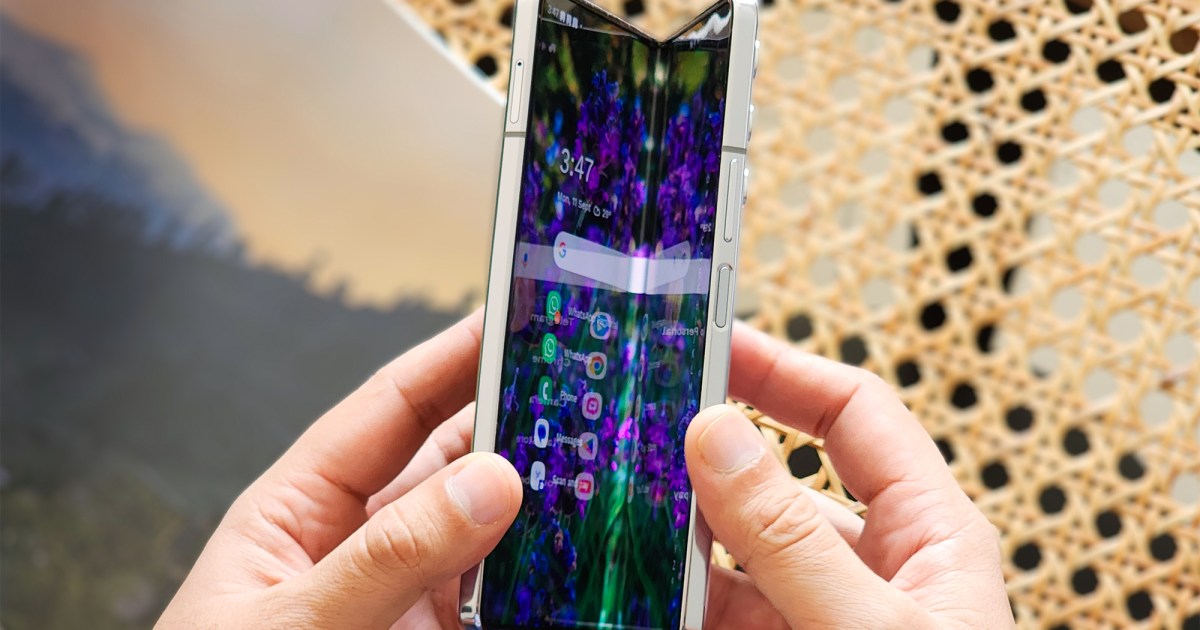
The author expresses concern about their recent purchase of the Samsung Galaxy Z Fold 5, citing anxiety over the device's high price and the potential lack of utility from its inner display. Drawing from past experiences with underutilized features, the author worries about the practicality of the folding phone and its impact on daily use. Despite the growing popularity of folding smartphones, the author remains uncertain about the value of their purchase, while Samsung expands its self-repair program to cover a wider range of products.
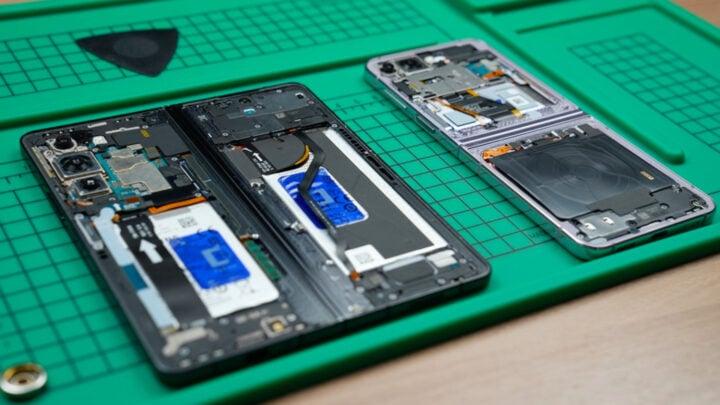
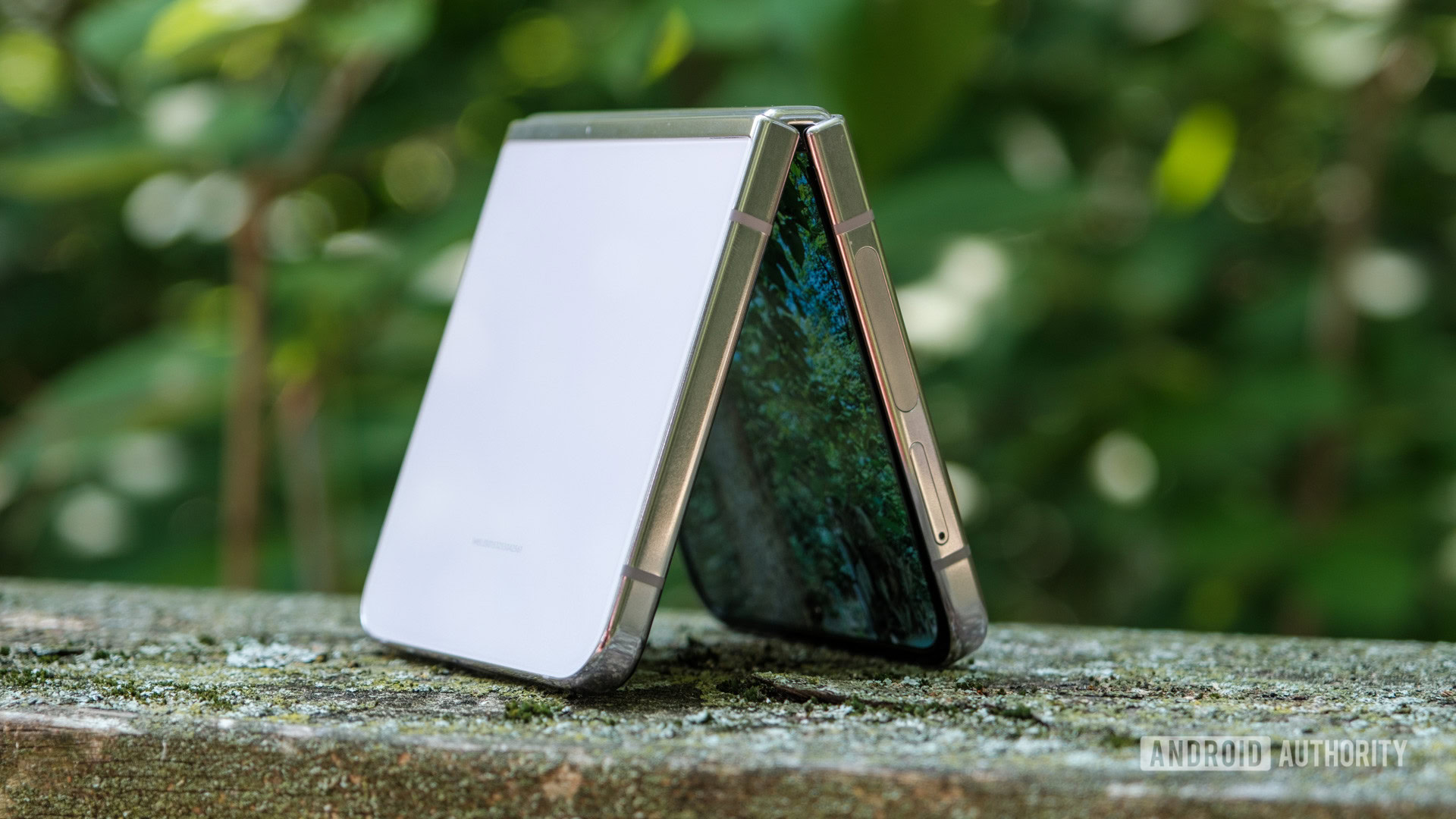
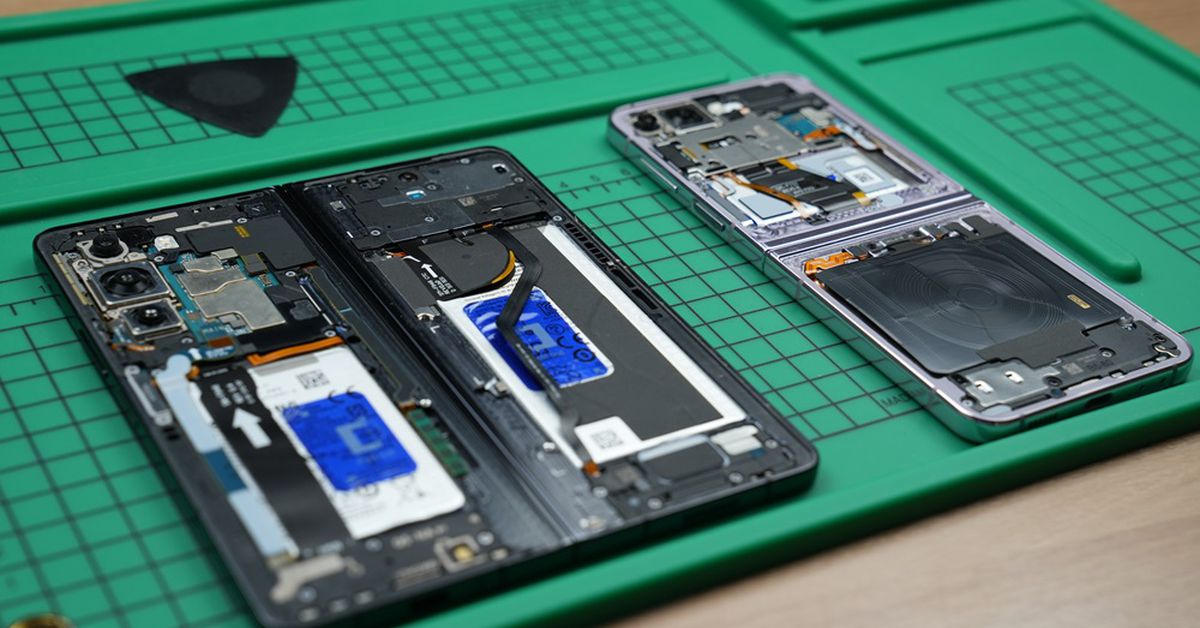
Samsung has expanded its Self-Repair program to include its foldable Galaxy phones, specifically the Galaxy Z Flip 5 and Galaxy Z Fold 5, as well as some Galaxy Book laptops. The program allows users in Europe and South Korea to repair their devices at home using genuine parts, extending the life of their Galaxy devices. Samsung plans to add more devices to the program, including the Galaxy S23 series, Galaxy Tab S9 series, and Galaxy Book 2 Pro series, by the end of the month.
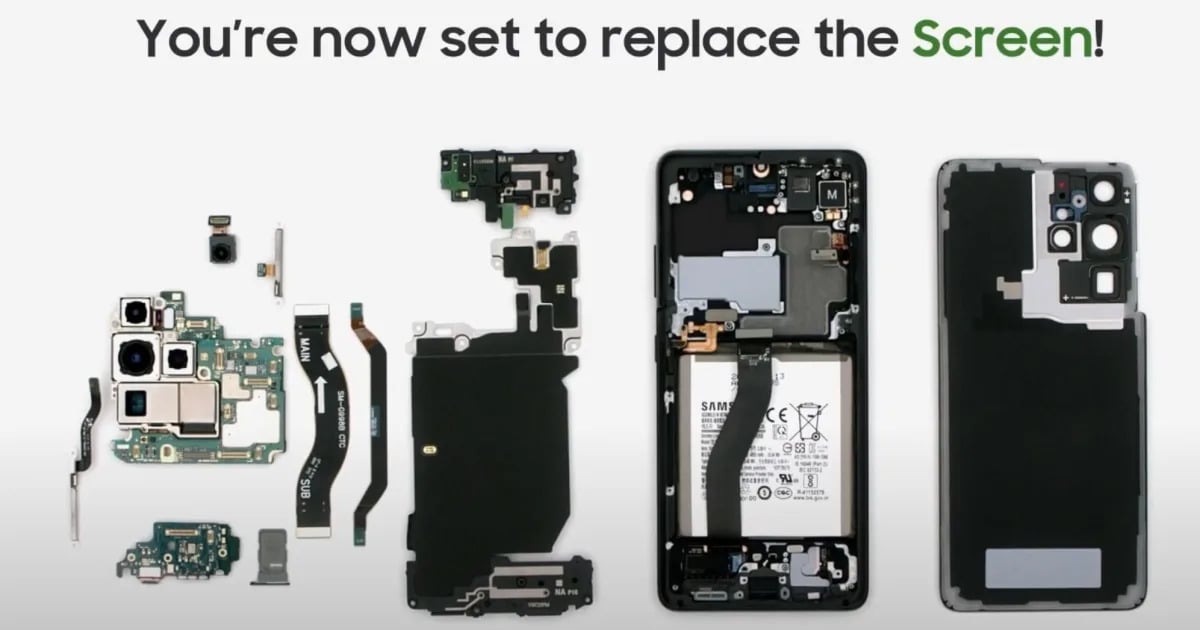
Samsung is expanding its self-repair program to include the Galaxy Z Flip 5 and Galaxy Z Fold 5, allowing users to fix their own devices using repair guides, parts, and tools from iFixit. The program also includes the Galaxy S23 series, Galaxy Tab S9 series, and Galaxy Book 2 Pro series. Samsung is also adding cheaper A series devices to the program and expanding its self-repair services to more countries in Europe and South Korea.
Samsung has expanded its self-repair program to include the Galaxy Z Flip 5 and Galaxy Z Fold 5 foldable phones, in addition to other devices in its lineup. The program, in partnership with iFixit, allows customers to fix their own devices when damaged. The prices for repair kits have not been announced yet, but similar kits for other devices can be expensive. Samsung's self-repair program is also expanding to more European countries.
Samsung has expanded its self-repair program to include its Galaxy Z Flip 5 and Z Fold 5 foldable phones, allowing users to fix their devices through the company's collaboration with iFixit. The program will also be extended to include more Galaxy products, such as smartphones, tablets, and PCs. Users will have access to original equipment manufacturer (OEM) parts and step-by-step guides for repairs, with the price of fix kits varying depending on the device. The program is now available in 30 additional countries in Europe, aligning with Samsung's efforts to reduce e-waste.
Apple has expanded its self-repair program to include the iPhone 15 and more M2-powered Macs, allowing customers to access official repair parts and tools for certain devices. This move aims to provide users with more options for repairing their Apple products and reduce reliance on third-party repair services.
Samsung has launched its self-repair program in the UK and other European countries, allowing users to access tools and parts needed to fix supported devices, including the Galaxy S20, S21, and S22 smartphones, and the Galaxy Book Pro regular and Galaxy Book Pro 360 laptops. The program aims to extend the lifecycle of Samsung devices and improve their repairability. Repair kits cost around €30 in Germany, and parts distributors ASWO and 2Service will handle sales and distribution of the repair kits in Europe.
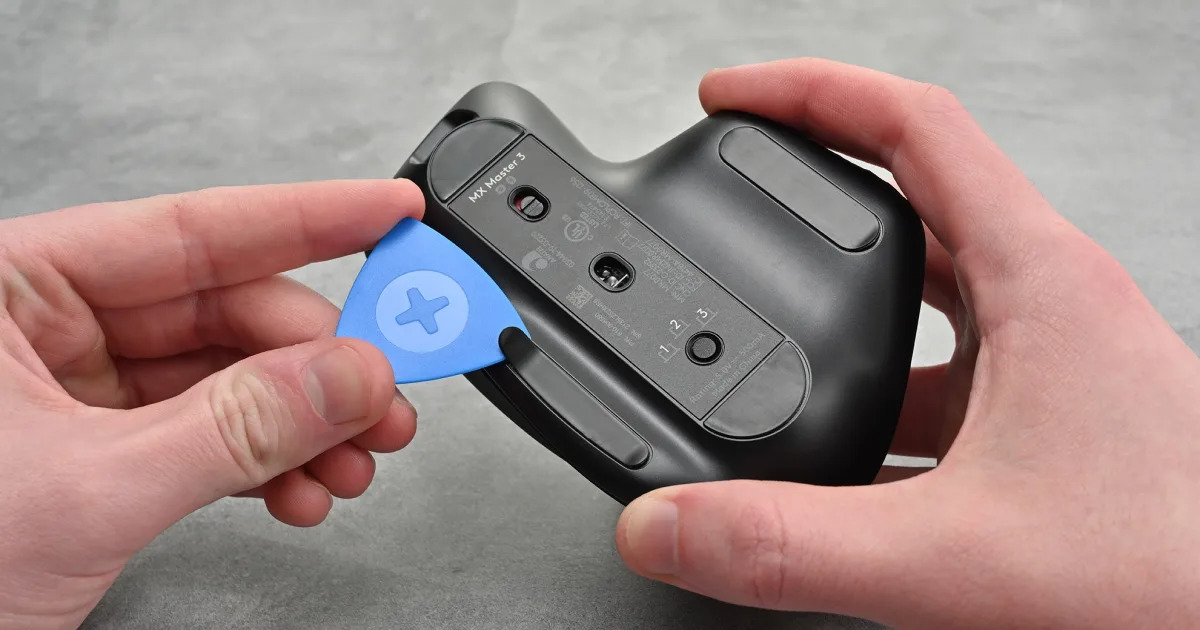
Logitech has partnered with iFixit to launch a self-repair program that will allow customers to repair their devices using genuine Logitech replacement parts and batteries. The program will begin this summer in the US with support for two popular accessories. The initiative is part of a broader trend in recent years, with companies like Apple, Google, and Samsung launching similar programs to cut down on e-waste and potentially save customers money.