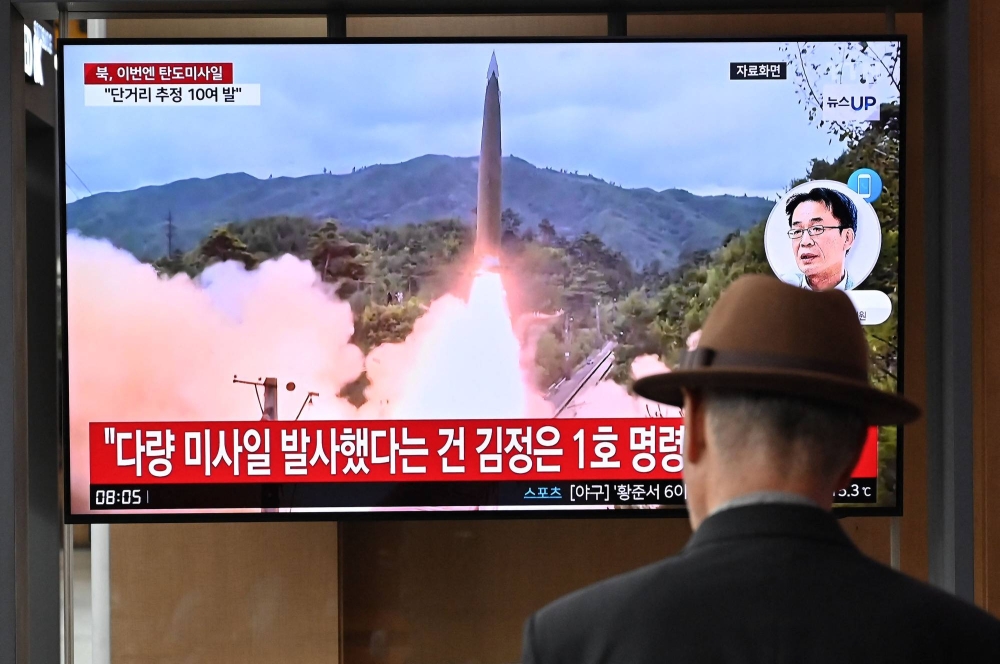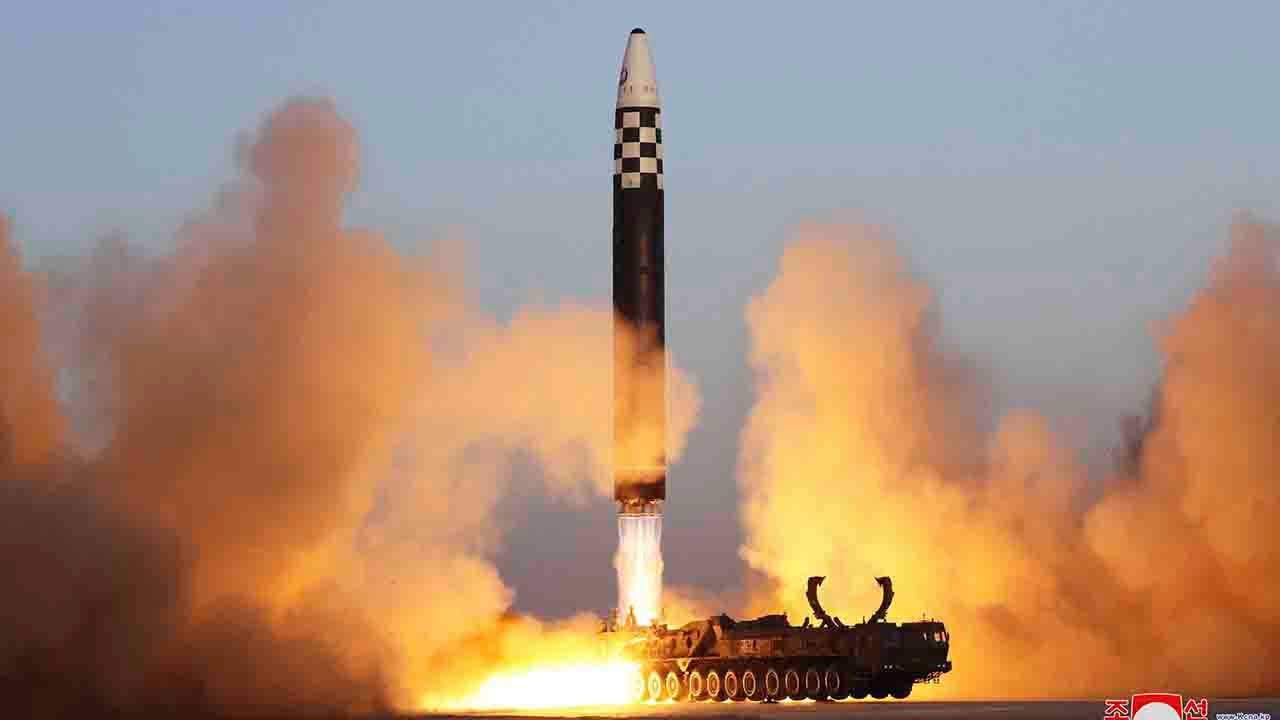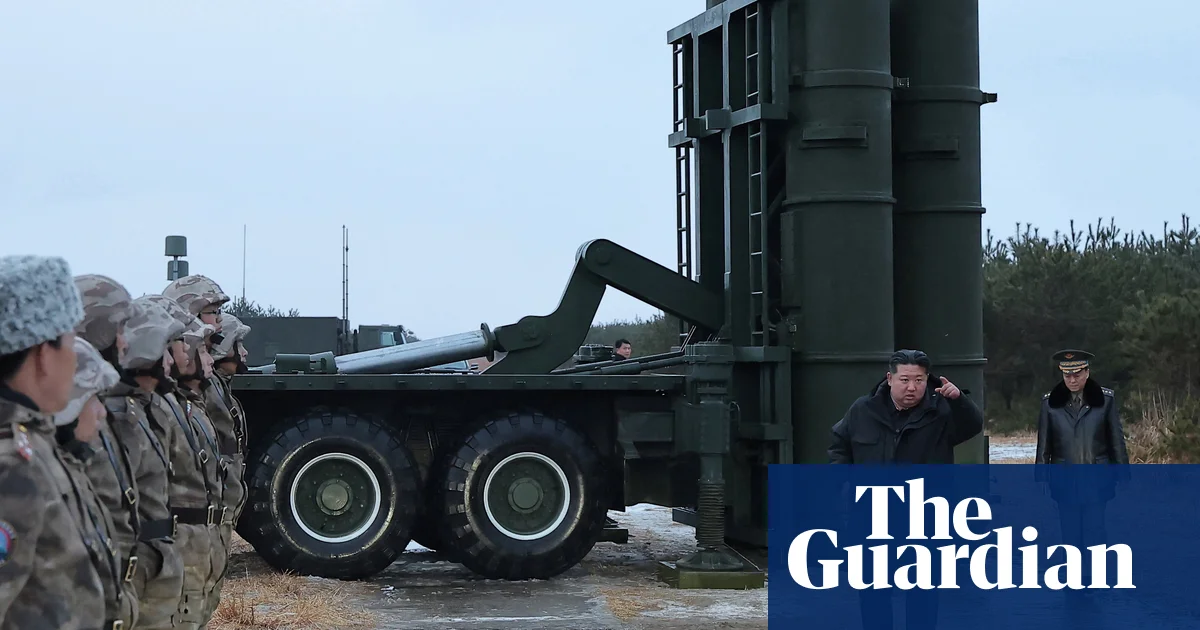
North Korea launched an unidentified ballistic missile towards the Sea of Japan, prompting responses from South Korea and Japan. Kim Jong-un has called for increased production of weapons amid a series of missile tests and visits to military facilities, signaling a focus on enhancing missile capabilities ahead of a major party congress.
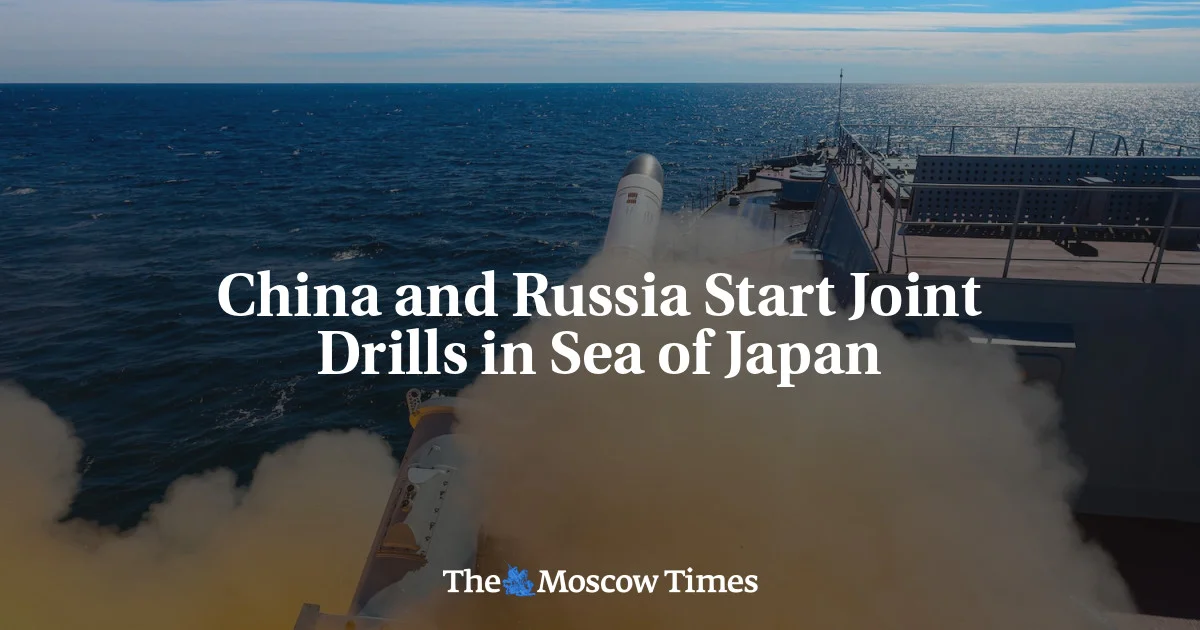
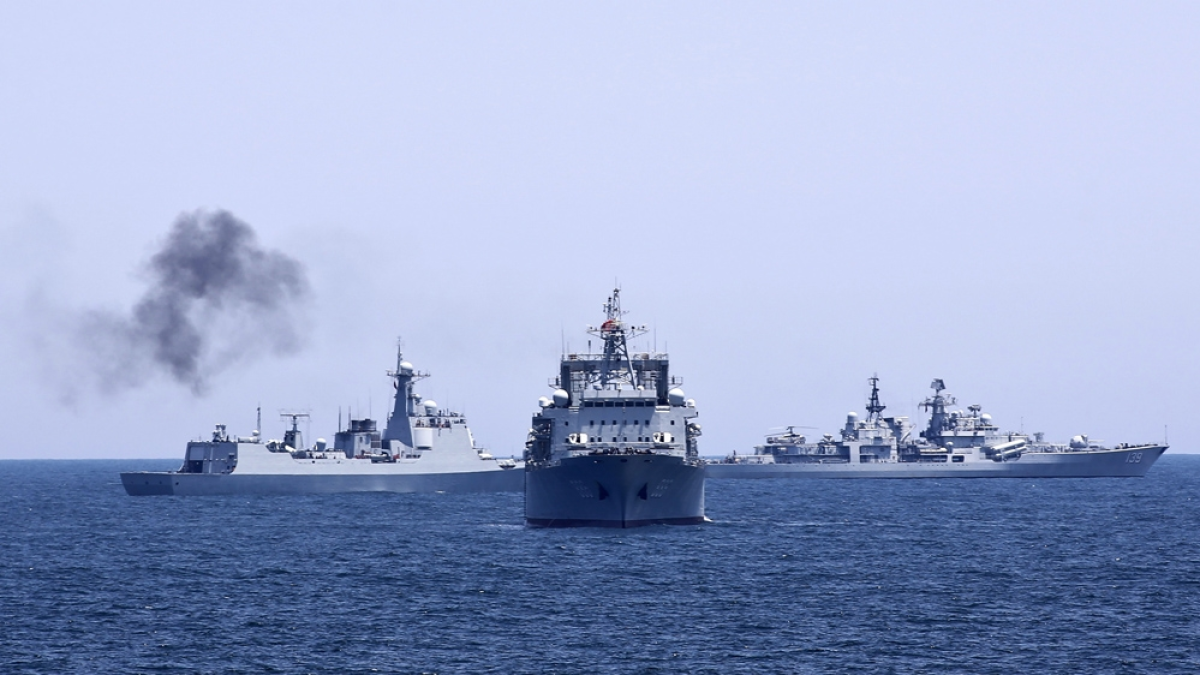
China and Russia have commenced joint naval exercises near Vladivostok in the Sea of Japan, aiming to strengthen their strategic partnership and demonstrate military cooperation amid global geopolitical tensions, especially in the context of Russia's ongoing conflict in Ukraine.
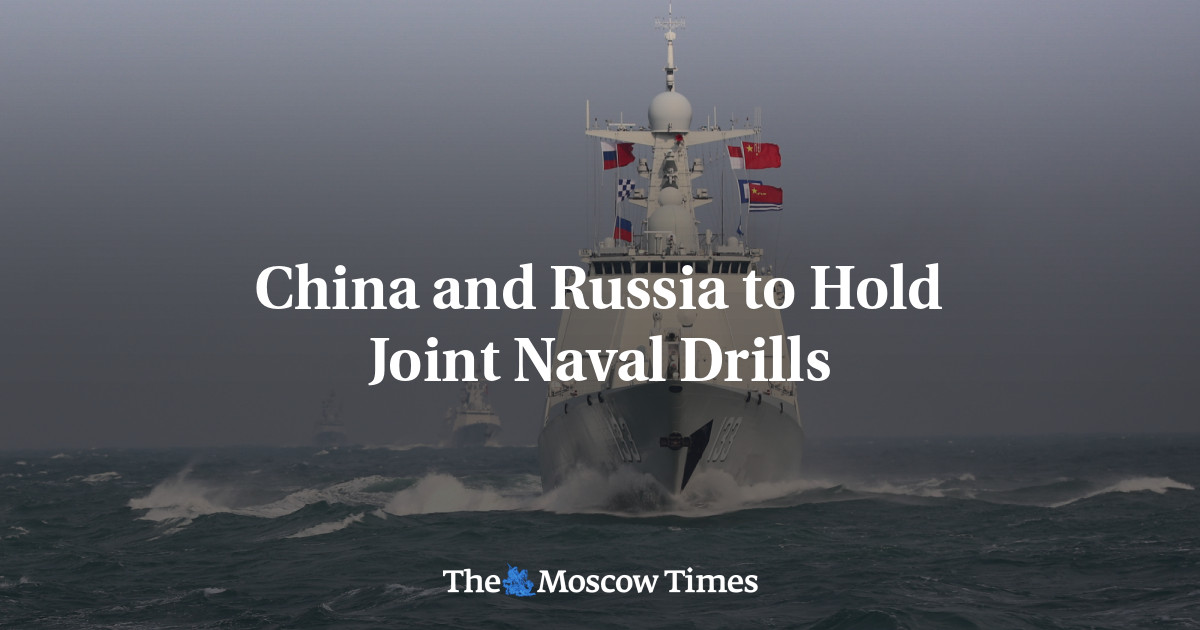
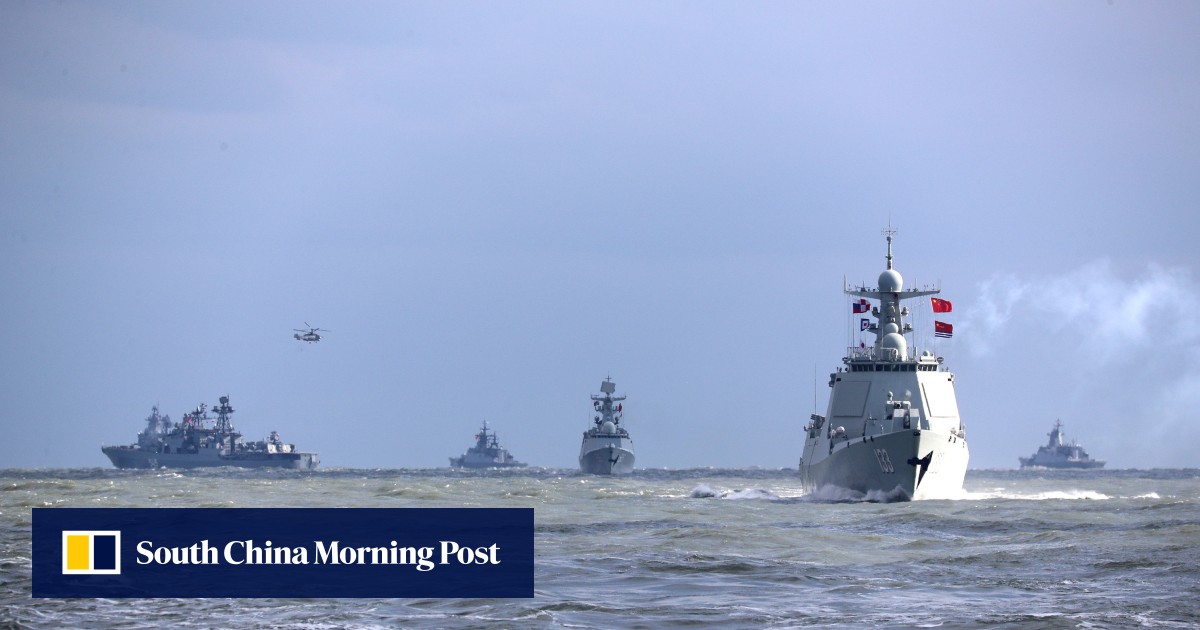
China and Russia have launched joint naval exercises in the Sea of Japan near Vladivostok, involving submarine rescue, anti-submarine, air defense, and maritime combat operations, as part of their efforts to strengthen strategic ties and counterbalance US influence. The drills, which include Chinese and Russian vessels, are part of an annual series that began in 2012, and come amid concerns over their growing military cooperation and regional security implications.
North Korea launched at least 10 short-range ballistic missiles into the Sea of Japan, following a failed spy satellite launch. The missiles, fired from Pyongyang, traveled approximately 350 kilometers, prompting condemnation from South Korea, which vowed to respond strongly to any provocations.
North Korea fired a missile into the Sea of Japan, following U.S.-South Korea military drills, with Japan and South Korea confirming the launches. Tensions remain high on the Korean Peninsula, with North Korea aiming to increase its leverage in future diplomacy with the U.S. by expanding its weapons arsenal.
Russia and China are conducting joint military drills in the Sea of Japan to strengthen naval cooperation and maintain stability in the Asia-Pacific region. The exercises include anti-submarine and anti-surface warfare, escorting ships, guarding and defending ship detachments, ensuring safety of communications, and joint artillery firing. China, which has not condemned Russia's invasion of Ukraine, has backed Russia in opposing US condemnation and maintains robust economic and diplomatic ties with Moscow. China's navy surpasses Russia's in size and technical ability, and the two countries have been conducting joint exercises since the start of the Ukraine conflict.
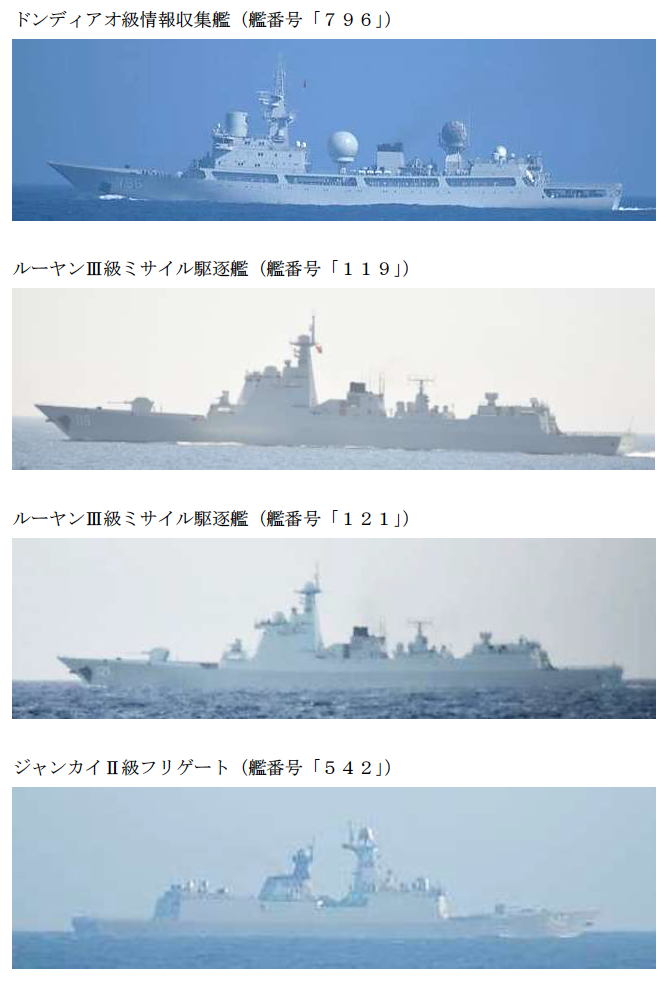
Chinese and Russian warships have conducted a joint naval exercise called "Northern Interaction 2023" in the Sea of Japan. The Chinese Surface Action Group (SAG) consisted of five ships, while the Russian Navy SAG included four ships. Japan closely monitored the movements of the Chinese ships as they sailed through the Tsushima Strait. The exercise highlights the strengthening military cooperation between China and Russia, raising concerns for Japan's defense ministry.
China and Russia are set to hold joint naval drills in the Sea of Japan, aimed at safeguarding strategic maritime routes. This comes as part of the growing defense cooperation between the two countries, with China sending five warships, including a guided-missile destroyer, for the exercises. China and Russia have been strengthening their ties since Russia's invasion of Ukraine, with China being seen as Moscow's most important ally.
China and Russia are set to conduct a joint air and sea drill in the Sea of Japan, aimed at safeguarding strategic waterways. The exercise, codenamed "Northern/Interaction-2023," signifies increased military cooperation between the two countries since Russia's invasion of Ukraine. A Chinese flotilla consisting of five warships and four ship-borne helicopters has departed from Qingdao and will rendezvous with Russian forces in a predetermined area. This marks the first time Russian naval and air forces will participate in the drill. The partnership between China and Russia includes a focus on military cooperation, as both sides have pledged to strengthen their military ties.
China and Russia are set to hold a joint military drill in the strategic waters of the Sea of Japan, seen as a response to the United States' efforts to strengthen ties with Japan and South Korea in preparation for a potential conflict involving Taiwan. The exercise aims to maintain the security of key maritime corridors.
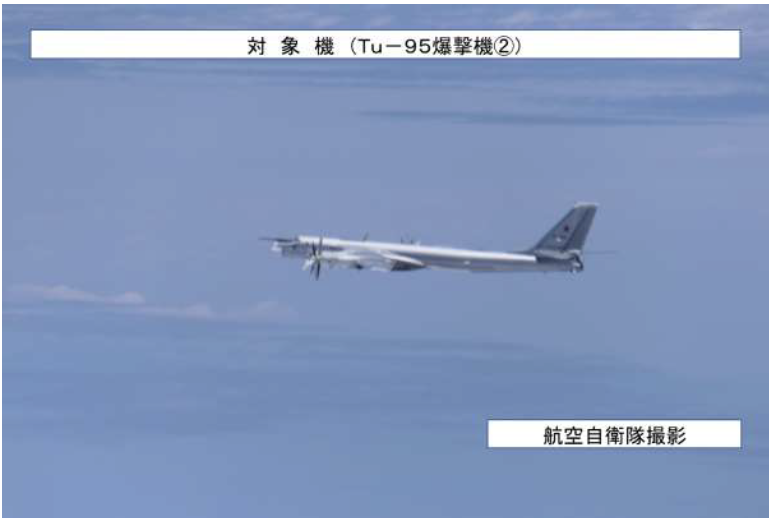
Russian and Chinese bombers conducted their first joint mission since November over the Sea of Japan and the East China Sea, while the Russian Pacific Fleet began a series of exercises in the same area. The joint bomber formation was intercepted by fighters from the Japan Air Self-Defense Force Western Air District, while South Korea also scrambled fighters in response to the aircraft. The U.S., Russian, and Chinese warships are involved in a joint multilateral exercise in the Makassar Strait under the aegis of the Indonesian Navy.
Russia's Pacific Fleet forces have started operational exercises in the Sea of Japan and the Sea of Okhotsk, involving over 60 warships, 35 naval aviation aircraft, coastal troops, and more than 11,000 military personnel. The exercises will last until June 20.
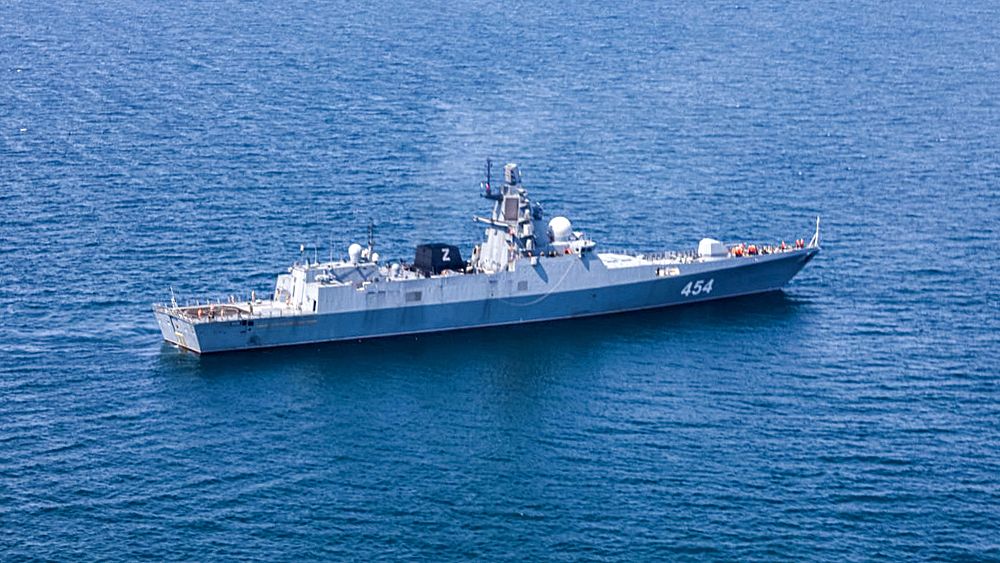
The Russian Pacific Fleet is conducting anti-submarine exercises in the Sea of Japan with three corvette warships tasked with locating and destroying a mock enemy submarine with the assistance of helicopters. The exercises also involve other anti-aircraft and anti-submarine defense drills. Tensions between Japan and Russia have been increasing in recent months, fueled by Japan’s support of Ukraine after Russia’s invasion. Japan and Russia are also embroiled in a decades-long territorial dispute over the southern Kuril islands.
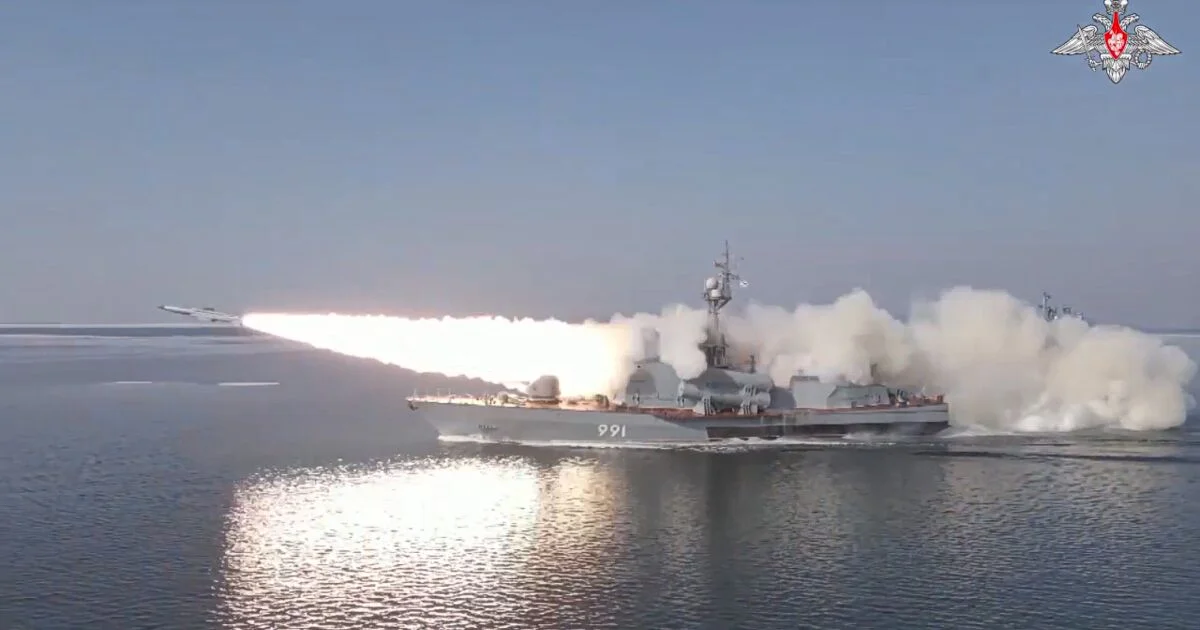
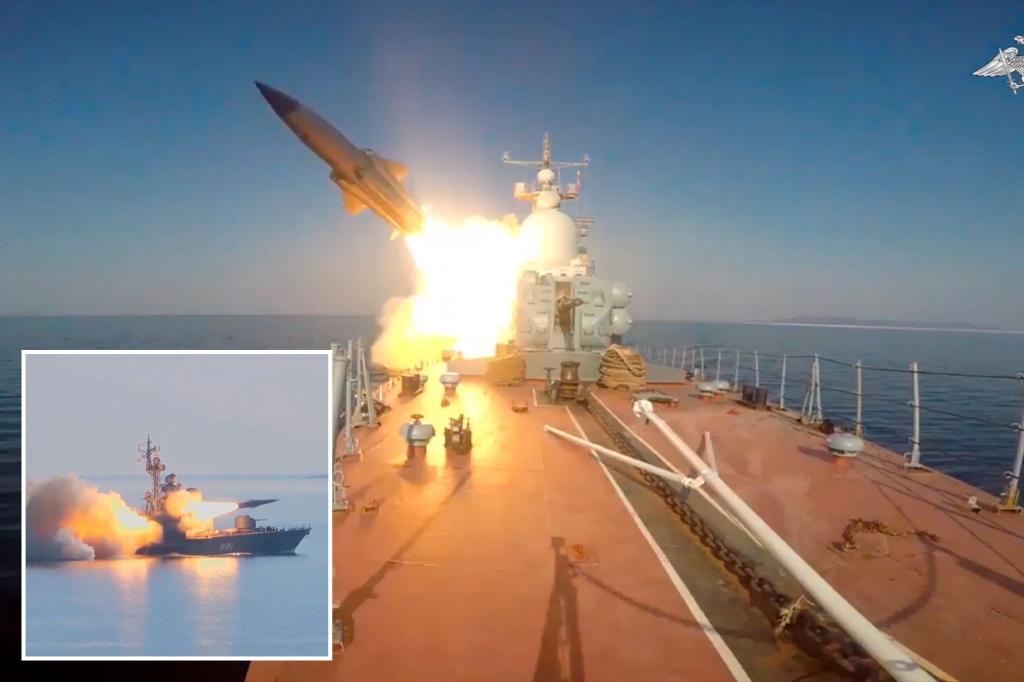
Russia test-fired anti-ship missiles in the Sea of Japan, hitting a mock enemy warship about 60 miles away. The exercise, which included other warships and naval aircraft, took place in the Peter the Great Gulf. Japan reacted calmly to the missile exercise, which was conducted near Vladivostok, rather than directly in the waters between the two countries. The Russian military has conducted regular drills across the country, and Russian warships have continued maneuvers as the fighting in Ukraine has entered a second year.
Russia's Defense Ministry announced that it test-fired anti-ship missiles in the Sea of Japan, with two boats launching a simulated missile attack on a mock enemy warship about 60 miles away. The Moskit cruise missiles successfully hit the target, and the exercise included other warships and naval aircraft. Japan reacted calmly to the missile exercise, and Tokyo does not plan to lodge a protest to Russia over the missile exercise.