
Tag

Science And Evolution

All articles tagged with #science and evolution

science-and-evolution1 year ago

"Surprising Discovery: Unlikely Animal Reveals Evolutionary Origins of Hair"

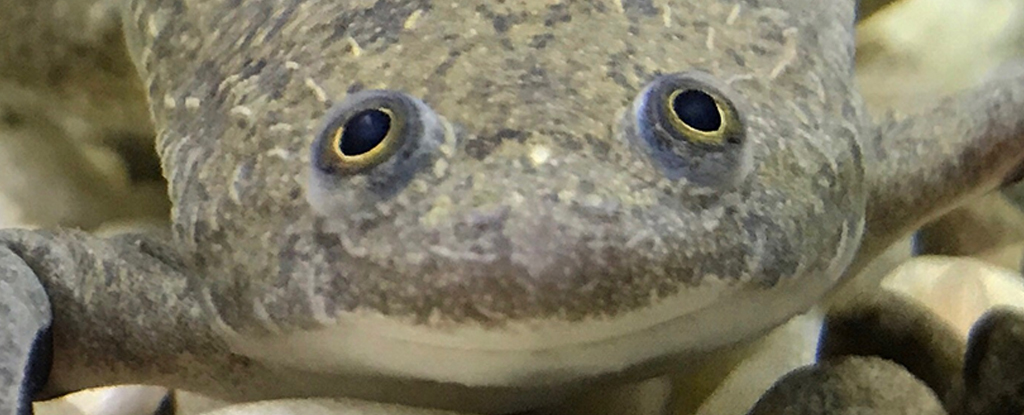
Research on the tropical clawed frog suggests that the origins of mammalian hair can be traced back to a common ancestor of frogs and mammals, around 375 million years ago. The study found that frogs share genes involved in the production of keratin-like molecules, similar to those responsible for hair and nails in mammals. The regulatory gene Hoxc13, crucial for hair development, was present in the last common ancestor of all jawed vertebrates, indicating its significant role in evolution. The findings suggest that the original function of these molecules in frogs' toe tips was conserved and later modified for the development of hair in mammals, contributing to the evolution of tissue regeneration in adult organisms.

science-and-evolution1 year ago

"ADHD Traits as Evolutionary Foraging Advantages - New Study"

A new study suggests that ADHD may have provided early humans with a survival advantage, as individuals with ADHD were found to gather more forest fruits in a virtual game, indicating an impulsive competitive advantage. This supports the idea that ADHD is not just a psychological disorder but a condition influenced by genetic and evolutionary factors, with evidence of certain genetic mutations related to ADHD found in primitive tribal populations. The study sheds light on the potential evolutionary roots of ADHD and its impact on human survival.

science-and-evolution2 years ago

"Empowering Women: The Key to Human Evolution"

In her new book "Eve: How the Female Body Drove 200 Million Years of Human Evolution," author Cat Bohannon explores the under-studied and under-cared for aspects of women's bodies in the field of evolutionary biology. By placing women at the center of the narrative, Bohannon aims to provide answers to basic questions about women's bodies and challenge the male norm that has dominated scientific research. The book highlights the gender bias in medical research and its implications for healthcare, emphasizing the need to understand the biology of sex differences for the benefit of all bodies.