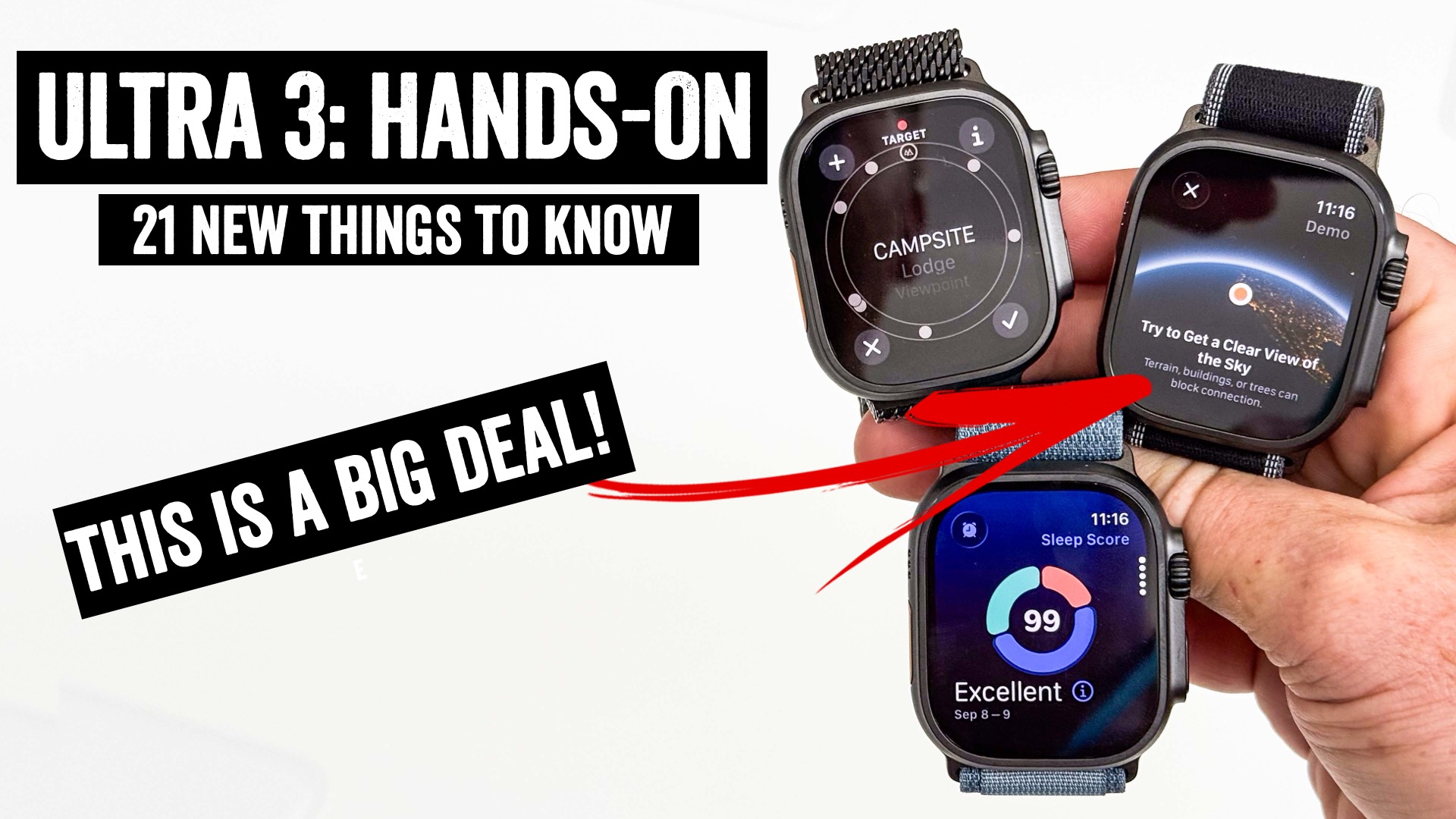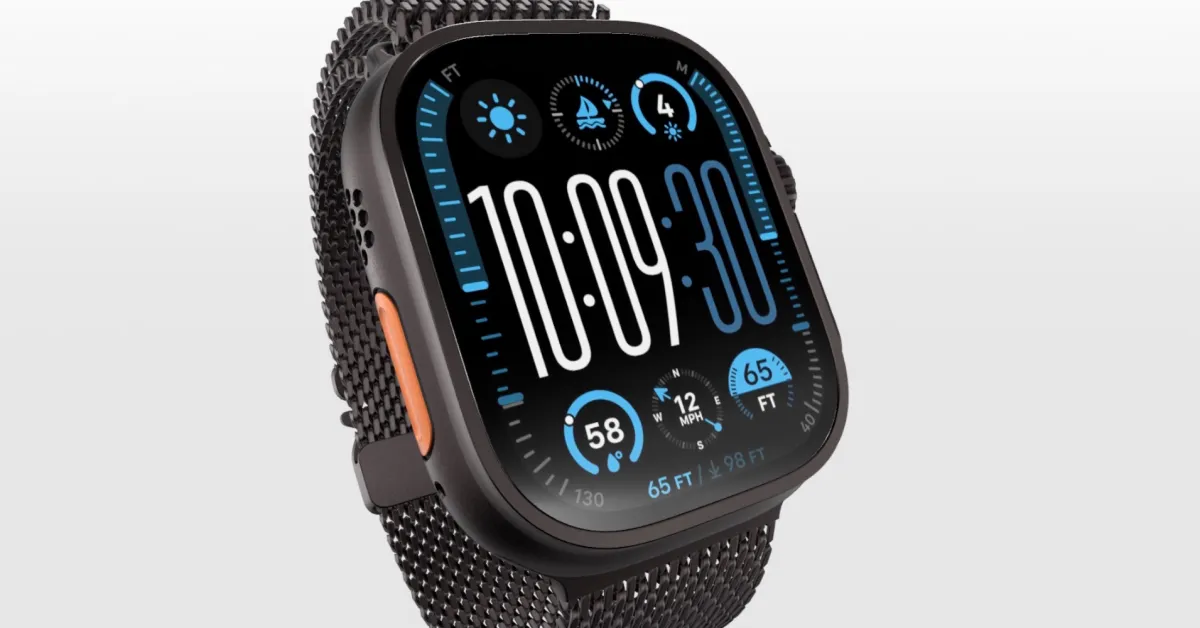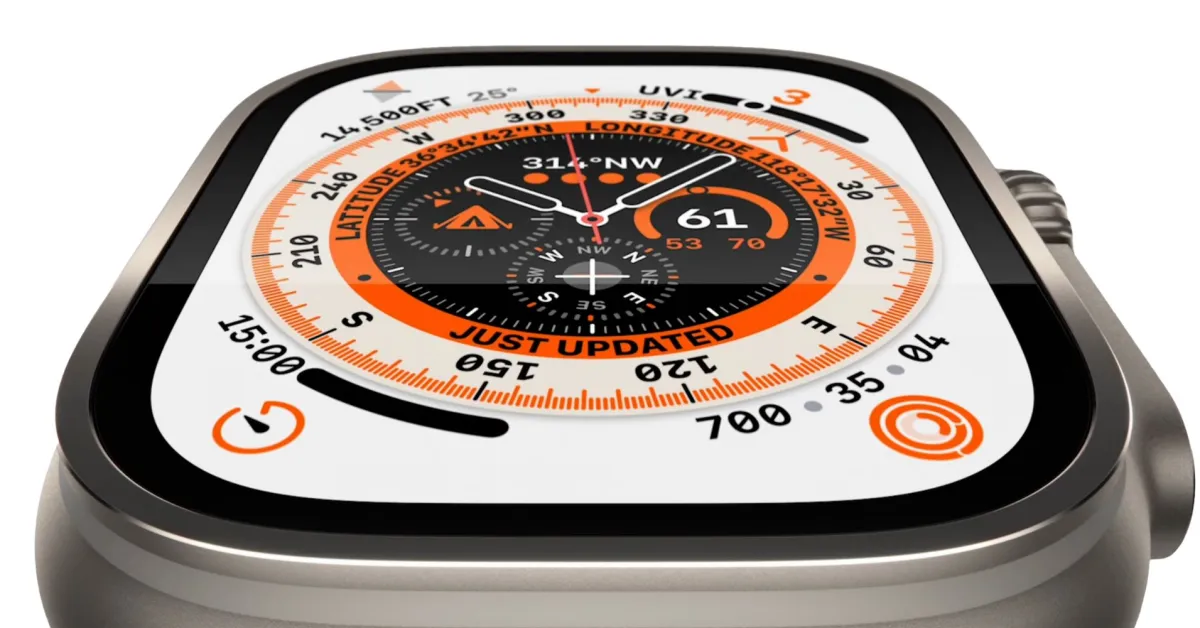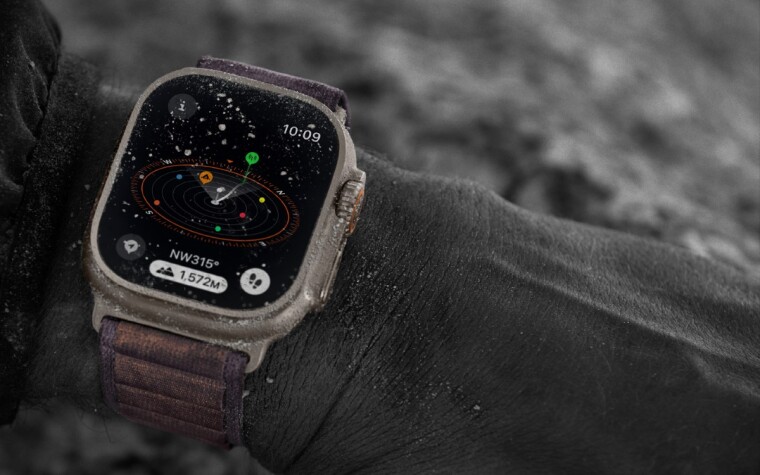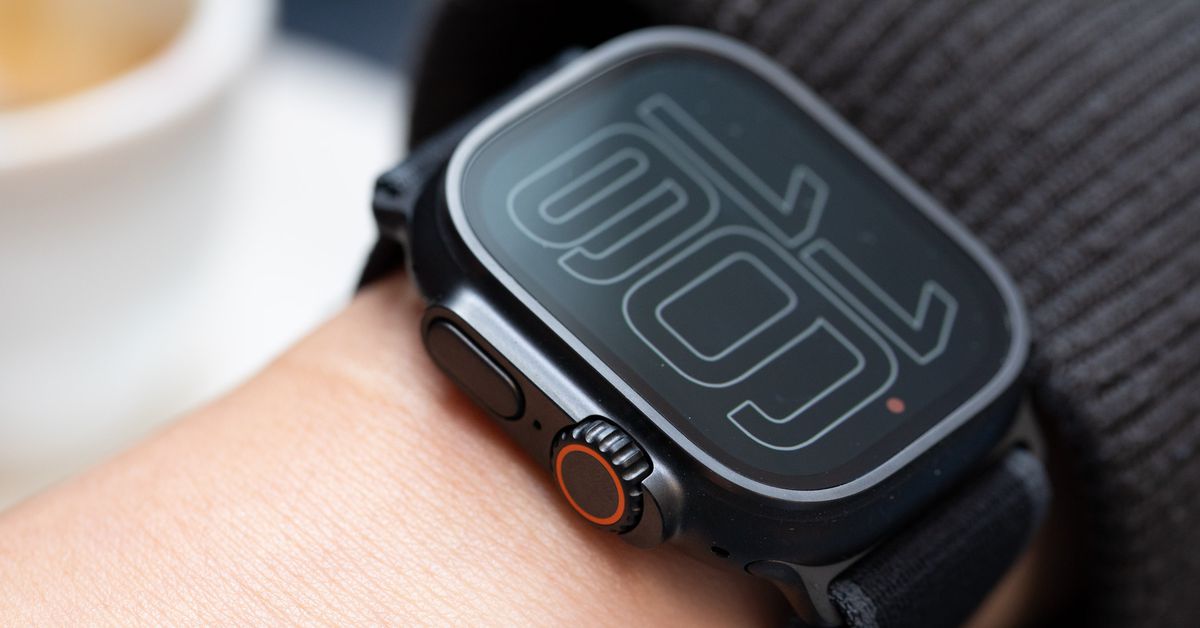
Apple announced the Apple Watch Ultra 3 with a larger, brighter display, satellite messaging, 5G, and new health features like sleep score and hypertension tracking, all at the same price as the previous model, with availability starting September 19th.
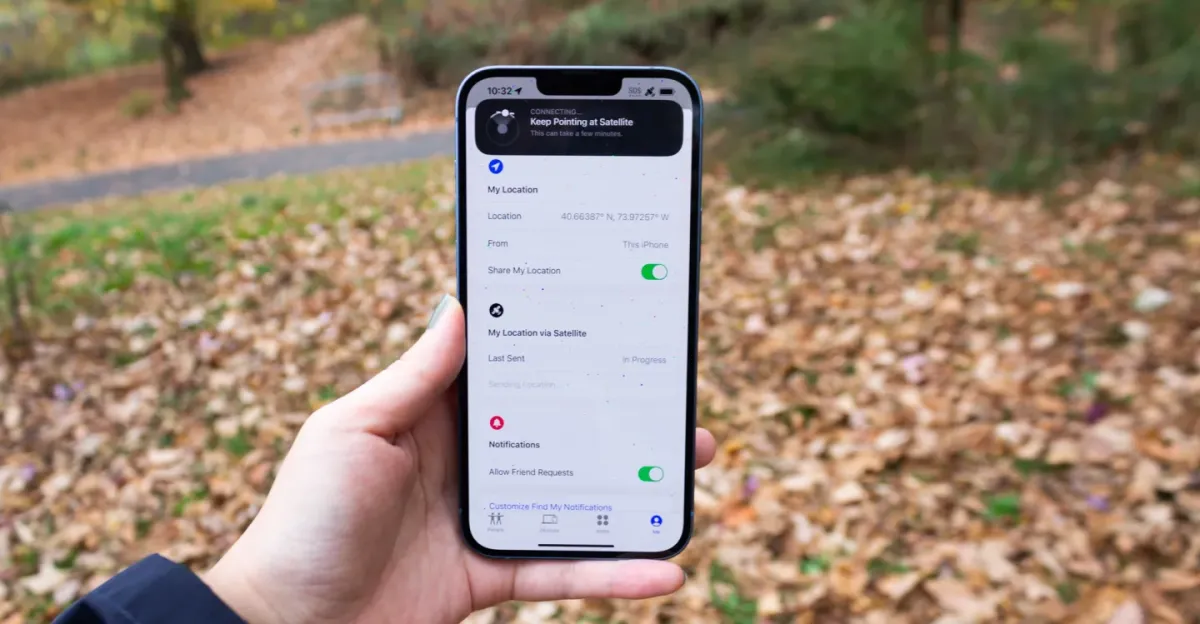
Apple is extending the free satellite messaging feature for iPhone 14 and 15 users until November 2026, allowing them to use the service without charge beyond the initial two-year period, which was originally set to end in November 2025.
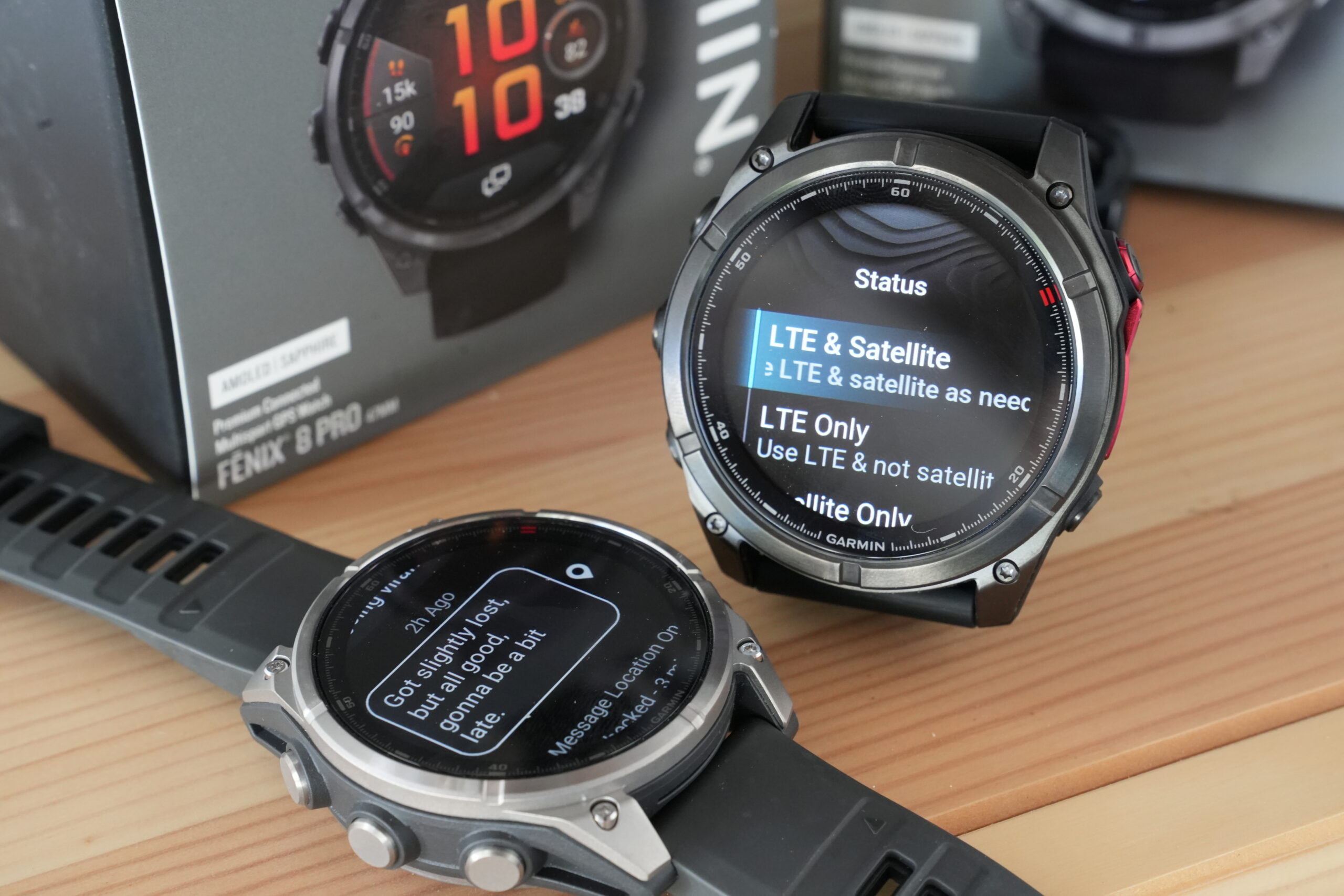
The Garmin Fenix 8 Pro introduces cellular and satellite messaging features for $100 more, enhancing safety and connectivity, but its high price and bulky design may limit widespread adoption across Garmin's lineup. The article advocates for expanding these features to more models, despite engineering challenges and size constraints, to benefit outdoor enthusiasts and casual users alike.
The Garmin Fenix 8 Pro and Fenix 8 Pro MicroLED introduce LTE and two-way satellite messaging, along with a brighter MicroLED display, but come with higher prices, larger sizes, and the removal of the smaller 43mm model. The devices focus on connectivity and display enhancements, with the MicroLED model offering unprecedented brightness but at the cost of battery life, and the LTE features primarily aimed at safety and basic communication for outdoor activities.
The upcoming Apple Watch Ultra 3 is expected to address previous discrepancies by featuring a larger display, new chip, and advanced display technology, making it a more competitive and clearly superior model in the Ultra line, with additional features like satellite messaging and 5G support.
T-Mobile has launched a new low-cost satellite messaging service called T-Satellite in partnership with Starlink to attract and retain customers amid recent price hikes and increased churn. The service provides extended coverage in remote areas, is free for certain plans, and has been used in emergencies, aiming to appeal especially to first responders and customers in underserved regions.
The upcoming Apple Watch Ultra 3 will introduce new features including high blood pressure detection, satellite messaging for off-grid communication, and 5G connectivity, along with potential hardware updates like a new chip and OLED display, emphasizing its focus on adventure and health monitoring.
The upcoming Apple Watch Ultra 3 is expected to feature 5G support via a MediaTek modem, satellite messaging capabilities using Globalstar satellites, and a future blood pressure detection feature, along with upgrades like a faster S11 chip and improved battery life.
The next Apple Watch Ultra may feature satellite texting, similar to the iPhone's non-emergency messaging, and could include blood-pressure monitoring by 2025. Apple plans to replace Intel modems with MediaTek components, potentially supporting RedCap 5G for wearables. This move could attract Garmin inReach users seeking fewer devices, with Globalstar likely providing satellite service. However, the blood-pressure feature may not offer specific measurements, only alerts for potential hypertension.
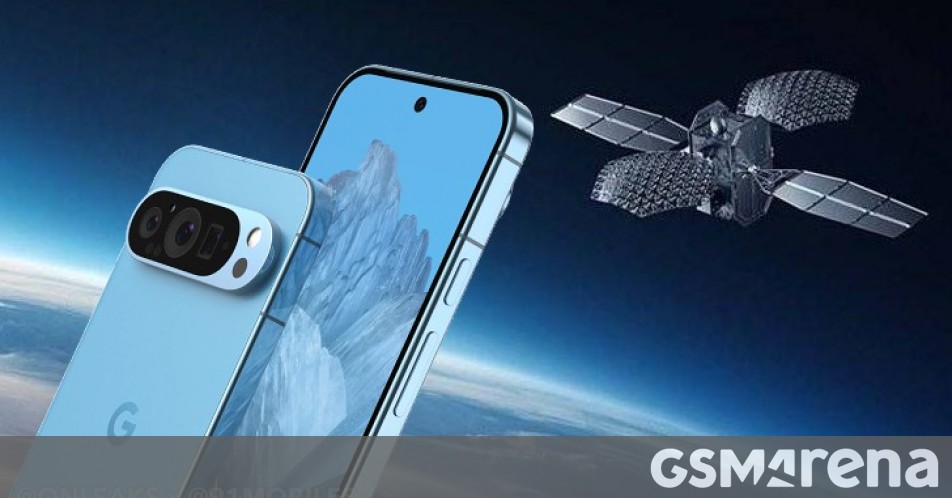
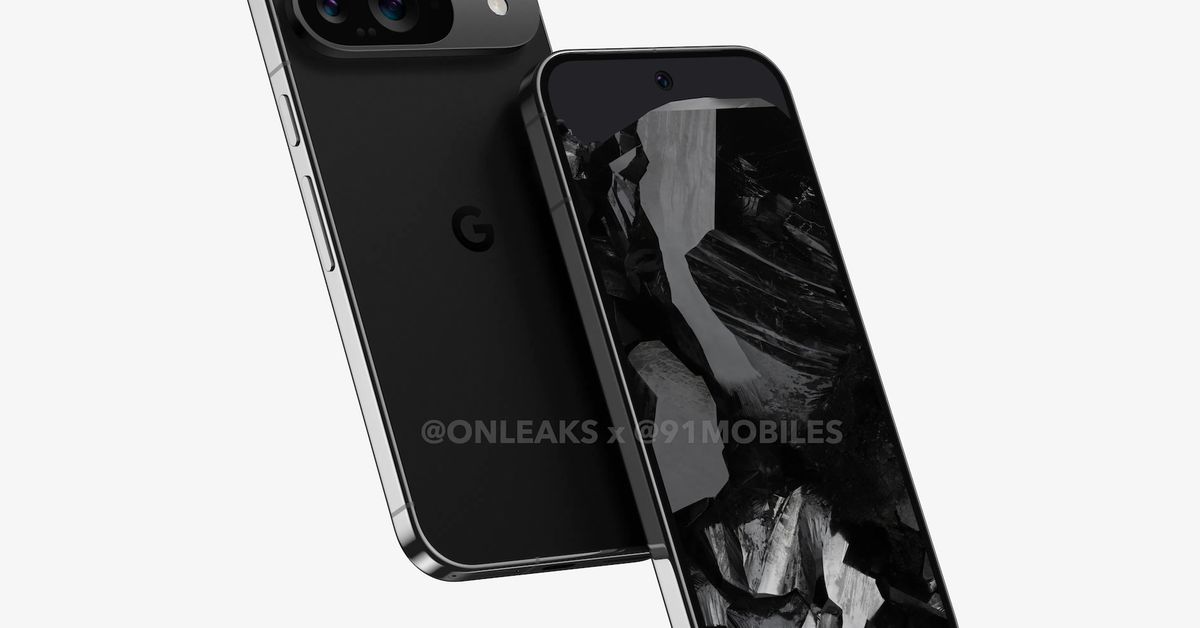
Google is developing a bespoke UI for the upcoming Pixel 9 series to support satellite messaging, similar to Apple's implementation, for emergency SOS situations, requiring clear sky view and carrier support, with T-Mobile and Google Fi mentioned as potential carriers for the feature.
Google is rumored to be adding an Emergency SOS feature similar to Apple's to the Pixel 9 and the next Pixel Fold, potentially partnering with T-Mobile to offer the service. The feature would prompt users with a series of questions to assess the situation and align the phone with a satellite for emergency messaging. T-Mobile had previously announced a partnership with SpaceX for satellite messaging, while Garmin was also mentioned as a potential provider. The cost of the feature, whether through T-Mobile or Garmin, remains uncertain.
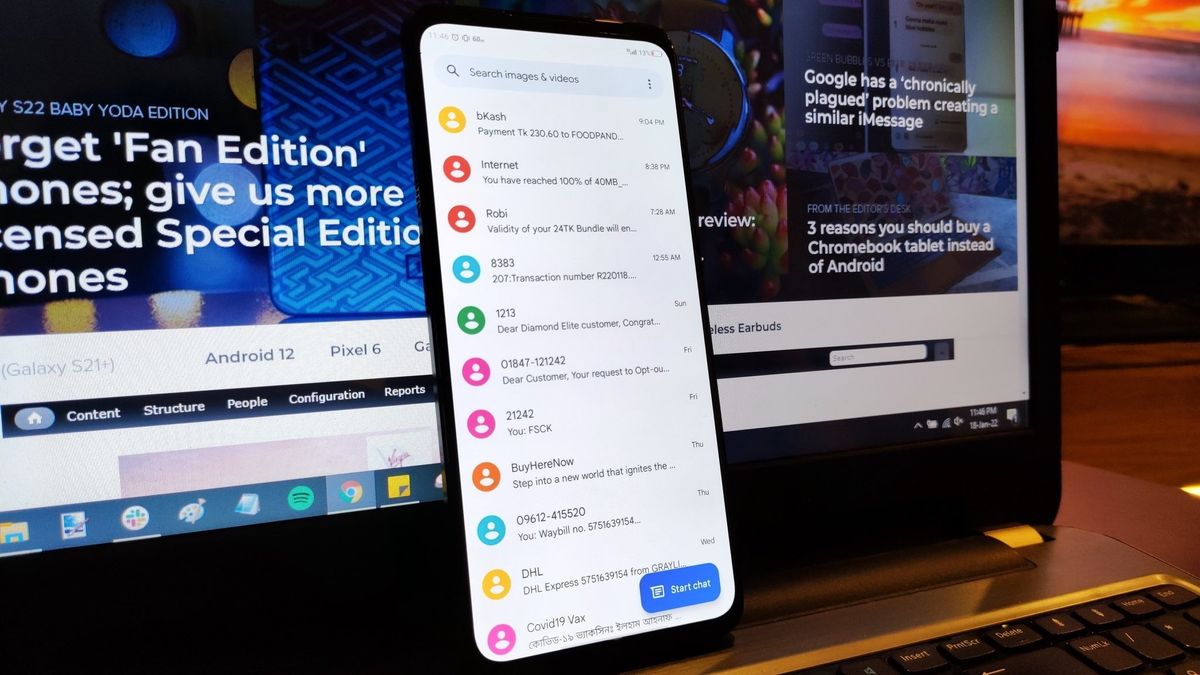
Google is working on a satellite messaging feature for Android 15, allowing users to text anyone via satellite connectivity, not just for emergencies. The latest Google Messages beta reveals details about how the feature will work, including the need for a clear view of the sky, limitations on sending photos and videos, and system notifications for satellite connectivity. While it's unclear which companies will support this feature, Google has been linked to T-Mobile and Garmin for satellite connectivity services.
Google Messages is working on supporting satellite connectivity, allowing users to send and receive messages without a mobile or Wi-Fi network. The feature may have limitations such as longer message delivery times and the inability to send photos or videos. Users will be able to message anyone, including emergency services, and a system-level notification in Android 15 will indicate when the device is "Auto-connected to satellite."
Android 15 Developer Preview 2 introduces satellite messaging support for apps, but limits enhanced messaging with RCS to preloaded applications only. The update also includes improvements to the built-in PDF reader and aims to address the challenges posed by flip phone-style foldables by allowing apps to opt-in to supporting them. The second developer preview is available for select Pixel devices, with the stable release expected around October.
Google's second developer preview for Android 15 introduces support for satellite connectivity, improvements to contactless payments, multi-language recognition, volume consistency, and interaction with PDFs via apps. The preview also addresses nuisances and security concerns, including making apps more aware of satellite connectivity and introducing support for preloaded RCS applications to use satellite connectivity for messaging. Other updates include screen recording detection, improvements to contactless payments and multi-language audio recognition, enhanced support for small cover screens on flip phones, and substantial improvements to PDF features in apps.