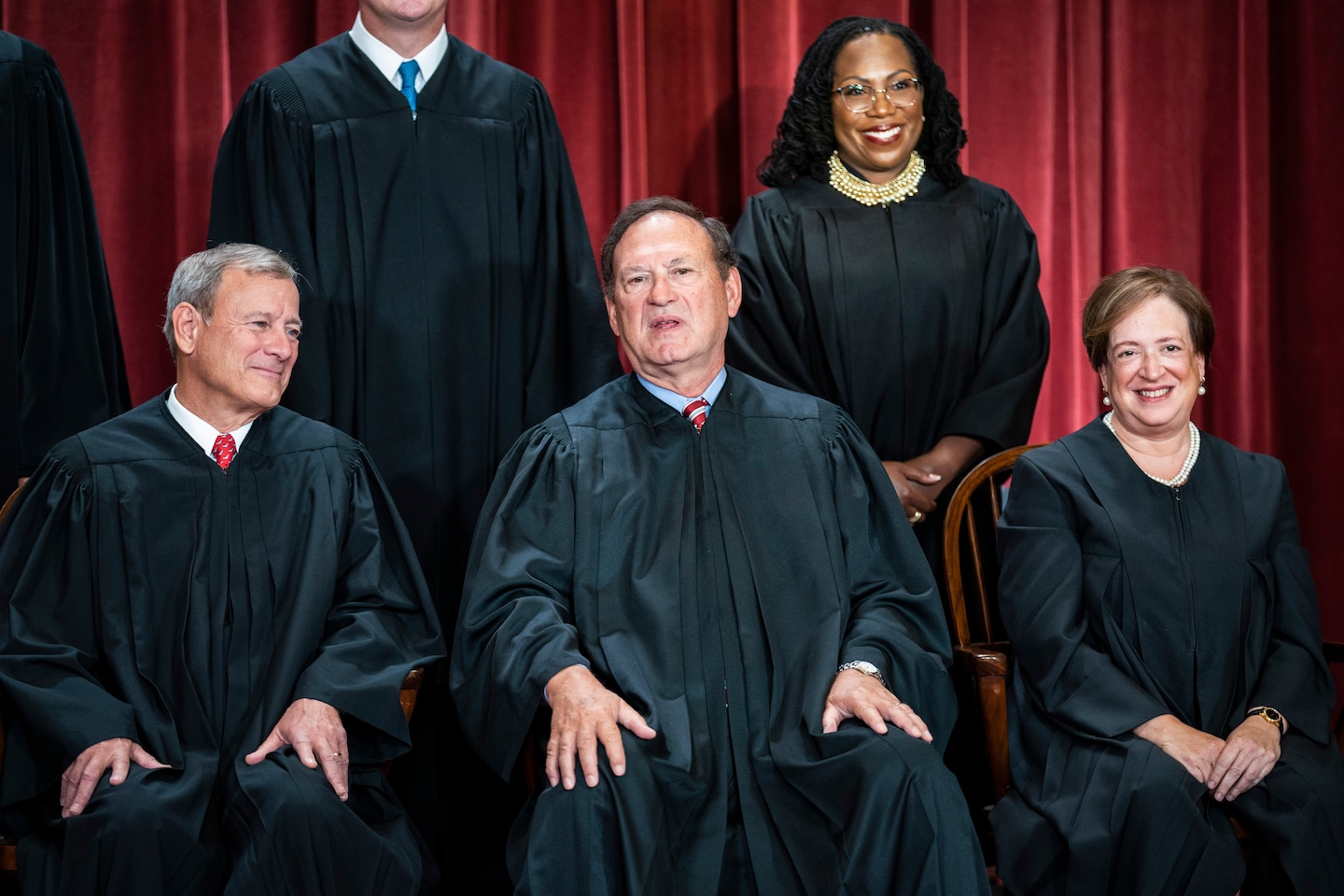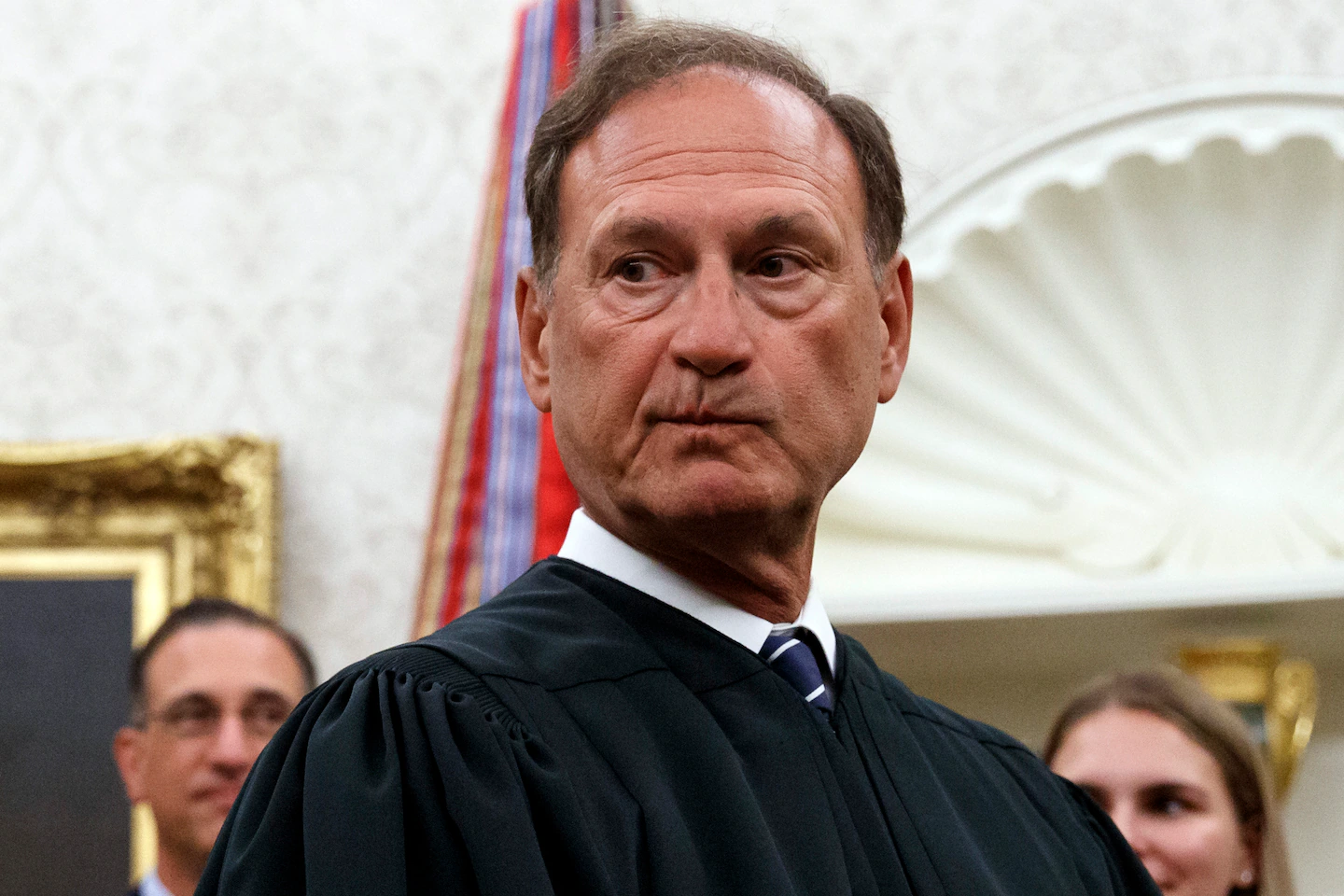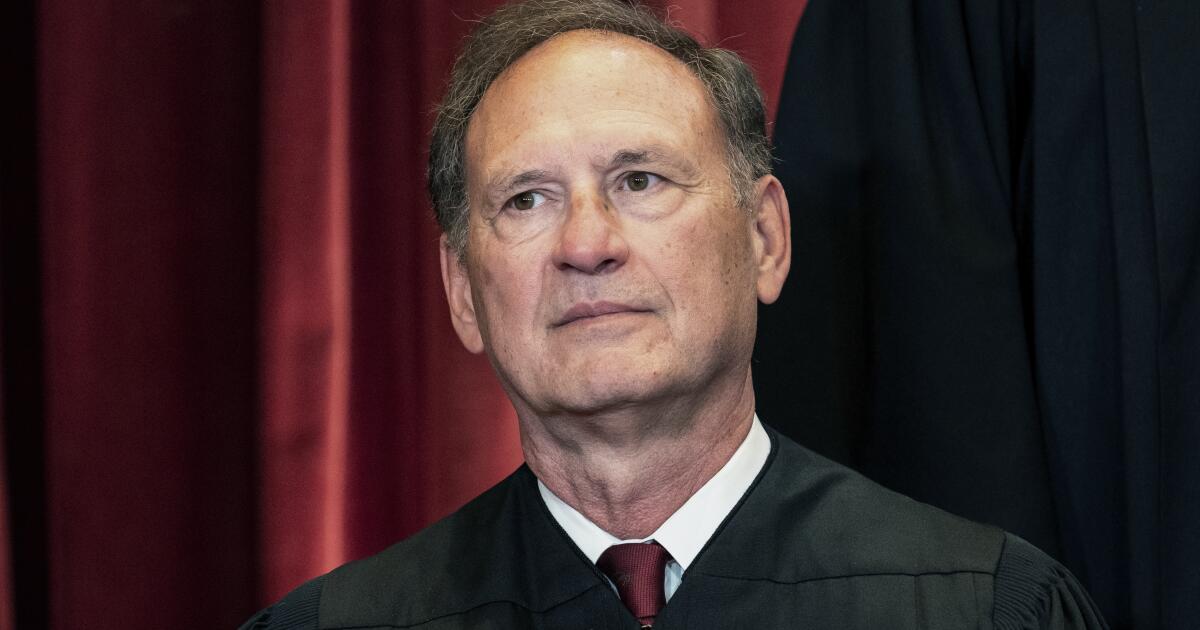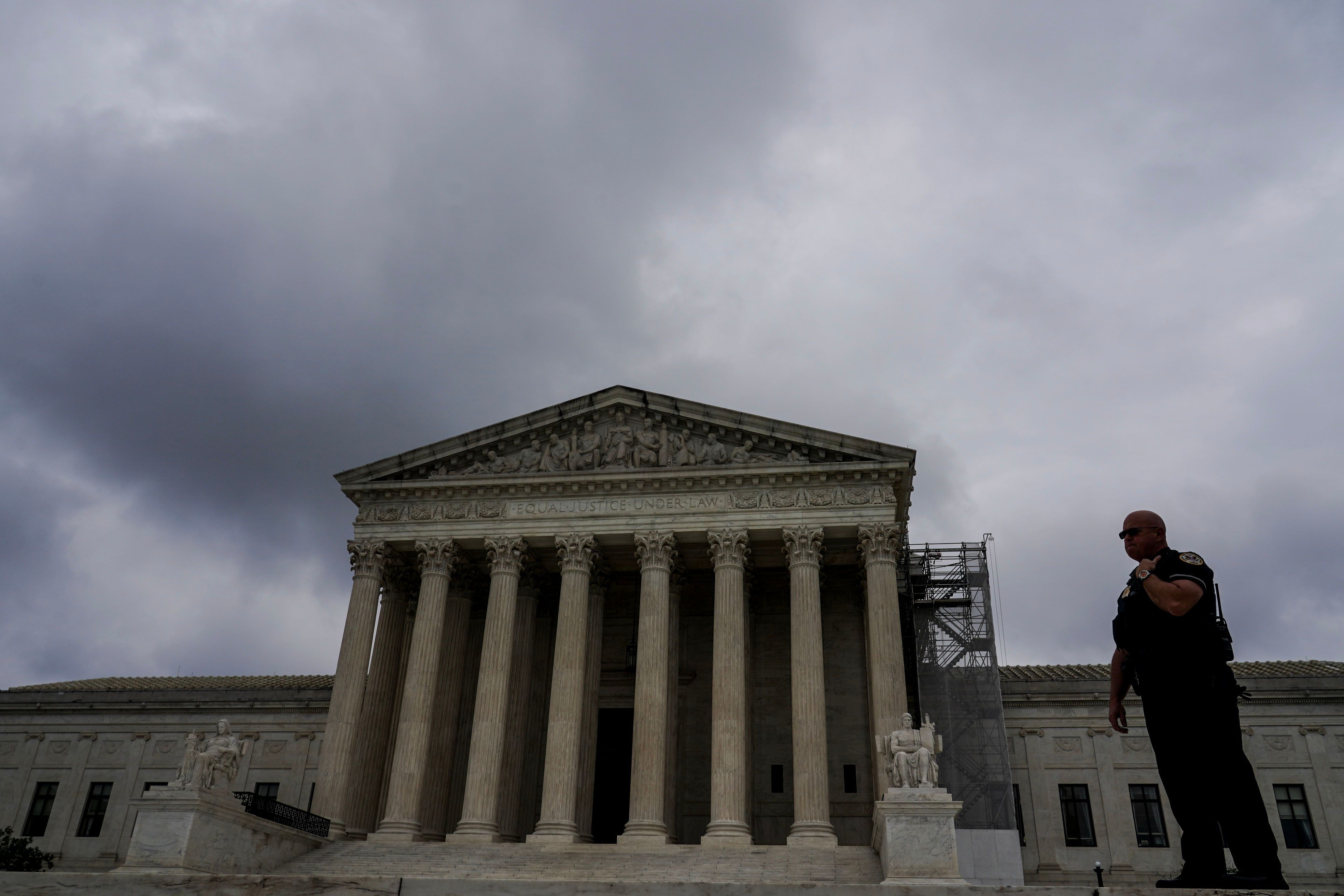
U.S. Supreme Court Justice Samuel Alito abstained from participating in a unanimous decision regarding bankruptcy claims in the case of Truck Insurance Exchange v. Kaiser Gypsum Co. The court ruled that insurers with financial responsibility for bankruptcy claims are considered "parties in interest" under Chapter 11 proceedings, allowing them to object to reorganization plans. Alito did not provide a reason for his absence, which follows recent criticism over an incident involving an upside-down American flag outside his home.
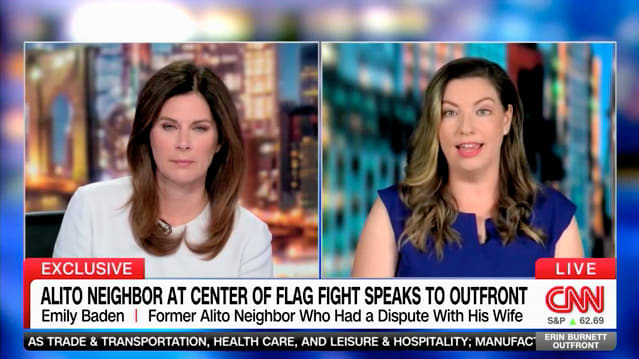
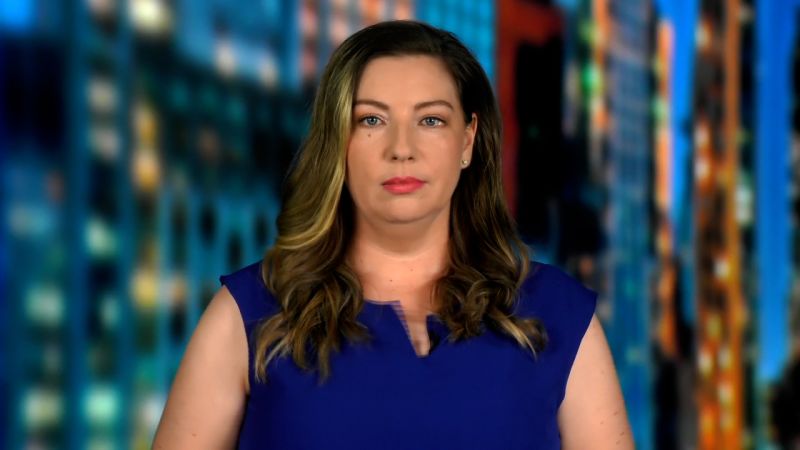
In a CNN interview, Emily Baden, a former neighbor of Supreme Court Justice Samuel Alito, disputed Alito's account of a flag dispute involving his wife, Martha-Ann. Baden claimed the incident Alito referenced occurred in mid-February, while a photo of the upside-down flag was taken on January 17. Baden asserted that the flag was not related to their verbal exchange and accused Alito of either being mistaken or lying. She also described feeling threatened by the Alitos and their security detail.
A former neighbor of Supreme Court Justice Samuel Alito disputes his account of a neighborhood conflict that led to an upside-down US flag being hoisted at his Virginia home, suggesting Alito's timeline is incorrect and possibly dishonest. The incident, involving provocative flags and alleged harassment, has drawn criticism and calls for Alito to recuse himself from cases related to the January 6 Capitol attack, which he has declined, attributing the flag decisions to his wife.
Supreme Court Justice Samuel Alito has provided conflicting accounts regarding politically charged flags flown outside his homes, which has led to criticism and calls for his recusal from certain cases. Alito claims his wife was responsible for the flags, citing a neighborhood dispute as the reason, but police records and neighbor testimonies contradict his explanations. The motivations behind the flags, particularly an upside-down American flag and an "Appeal to Heaven" flag, remain unclear, raising questions about potential political bias.
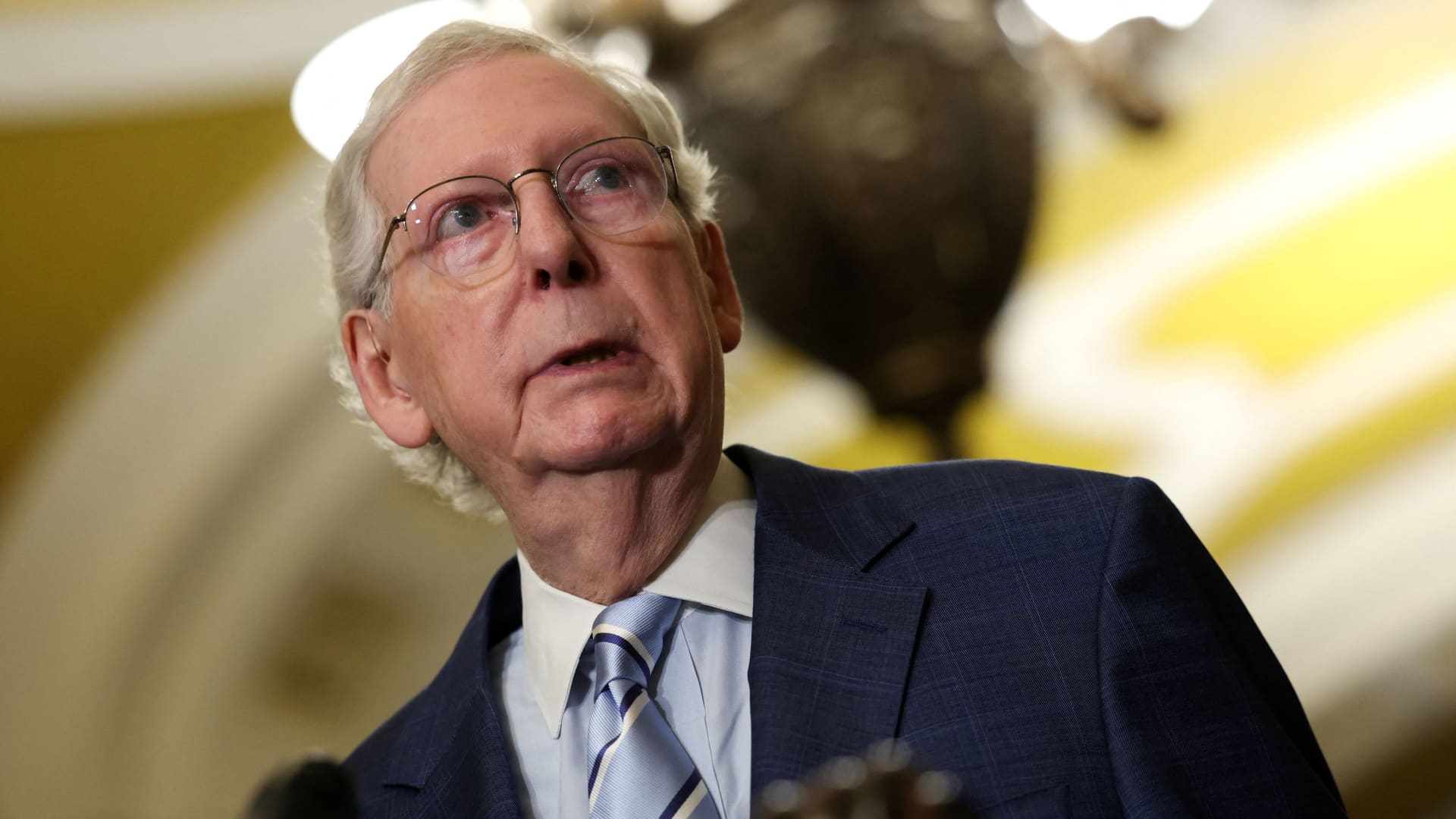
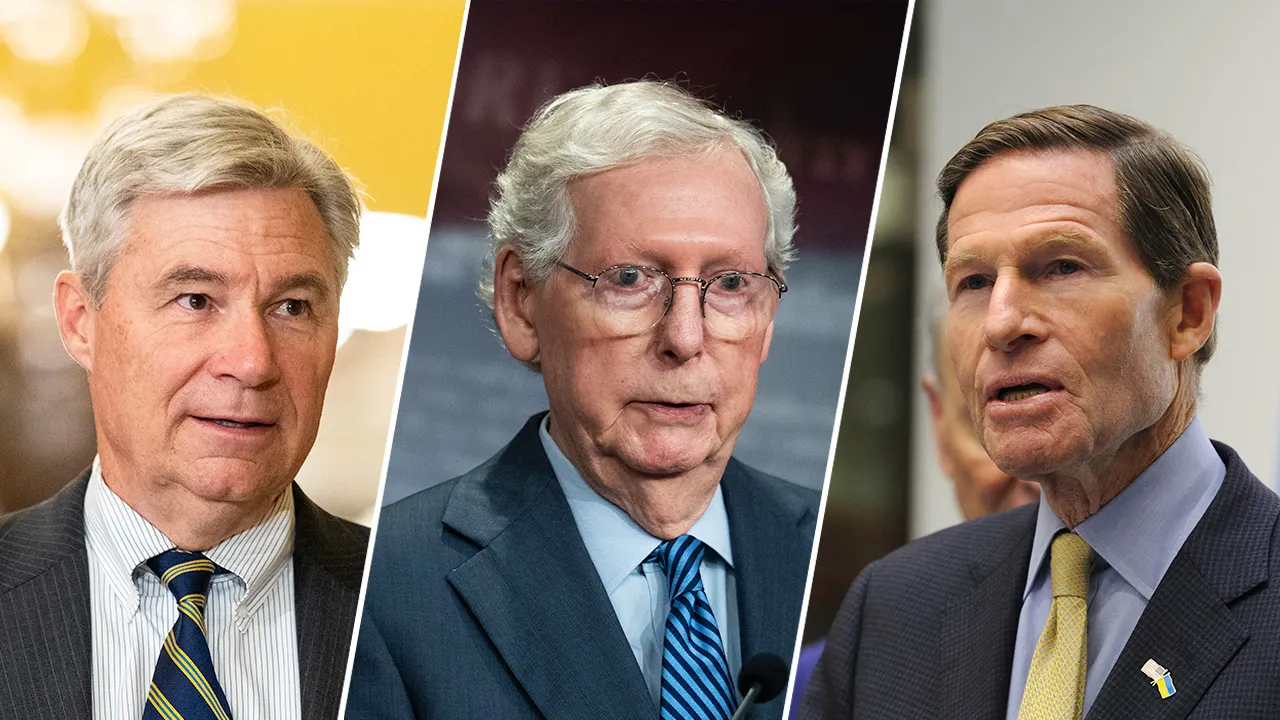
Senate Minority Leader Mitch McConnell has called for disciplinary action against Democratic Senators Richard Blumenthal and Sheldon Whitehouse for urging Justice Samuel Alito to recuse himself from cases related to former President Donald Trump. McConnell argues that their actions violate judicial conduct rules, while Whitehouse defends the communication as a public request for ethical enforcement. The Supreme Court has faced increasing scrutiny over its ethics and political decisions.
Senate Minority Leader Mitch McConnell accused Democratic Senators Richard Blumenthal and Sheldon Whitehouse of potential ethical violations for demanding Justice Samuel Alito's recusal from certain cases, claiming their actions constitute improper ex-parte communication with the Supreme Court. McConnell argued that such conduct breaches the American Bar Association's code of conduct and called for the Supreme Court to address the issue.
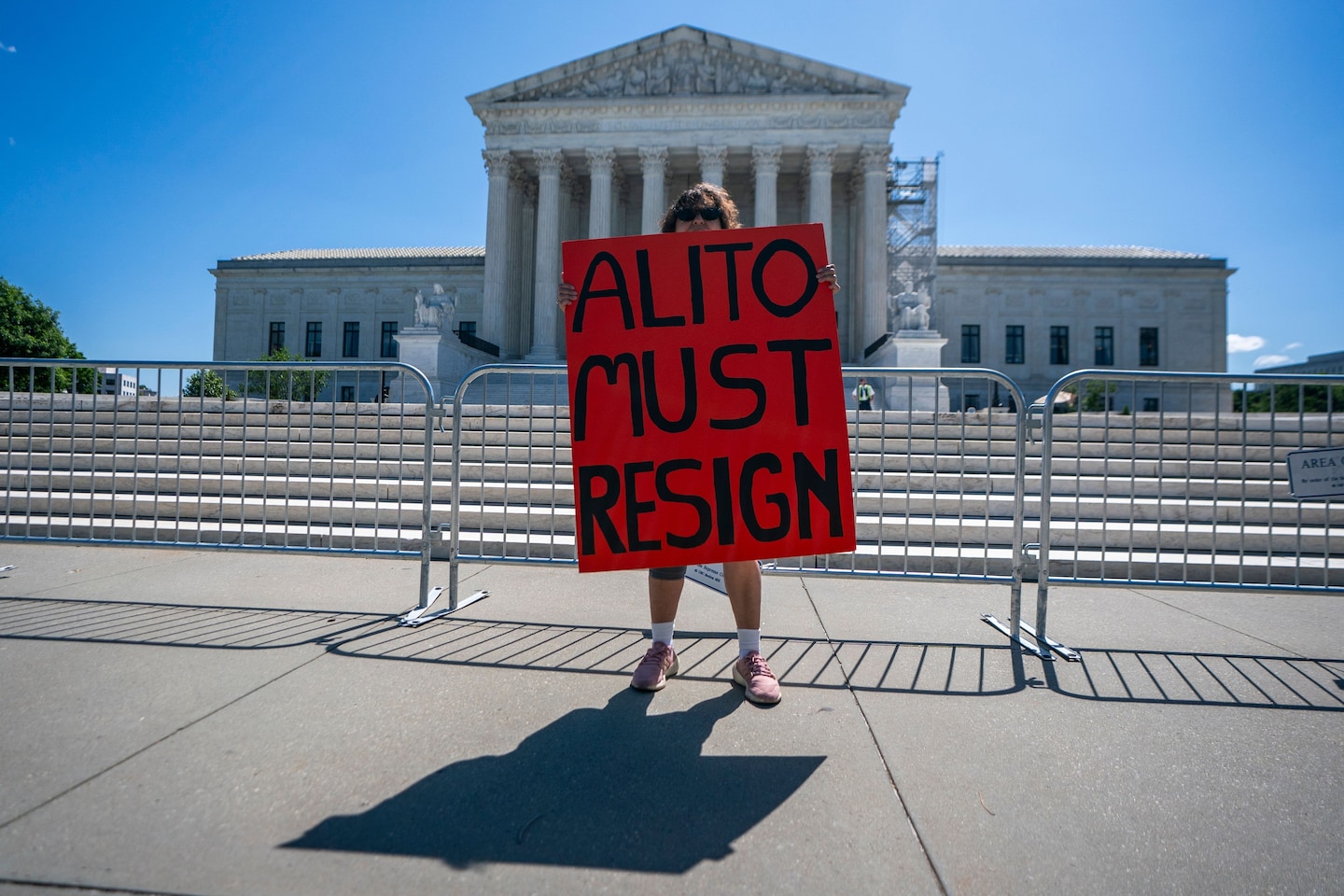
Justice Samuel Alito's dismissive response to calls for his recusal from the Trump immunity case has sparked outrage and highlighted the need for judicial reform. Critics argue that Alito's actions, along with those of Justice Clarence Thomas, undermine the integrity of the Supreme Court. Proposed responses include demanding recusals, holding Senate Judiciary Committee hearings, passing the Supreme Court Ethics, Recusal and Transparency Act, organizing public demonstrations, and pursuing comprehensive court reforms if Democrats gain control of Congress.
The controversy over Supreme Court Justice Samuel Alito's wife, Martha-Ann Alito, flying flags associated with the January 6 Capitol riot has sparked ethical questions and calls for Alito to recuse himself from related cases. Critics argue that the issue is being politicized, particularly in light of Alito's role in overturning Roe v. Wade, while Alito defends his wife's actions as her exercising her First Amendment rights. Chief Justice John Roberts has declined to intervene, emphasizing judicial independence.
Chief Justice John Roberts faces pressure to recuse Justice Samuel Alito from Donald Trump's presidential immunity case due to Alito's alleged involvement in the "stop the steal" movement, raising questions about judicial impartiality and the effectiveness of the Supreme Court's code of conduct.
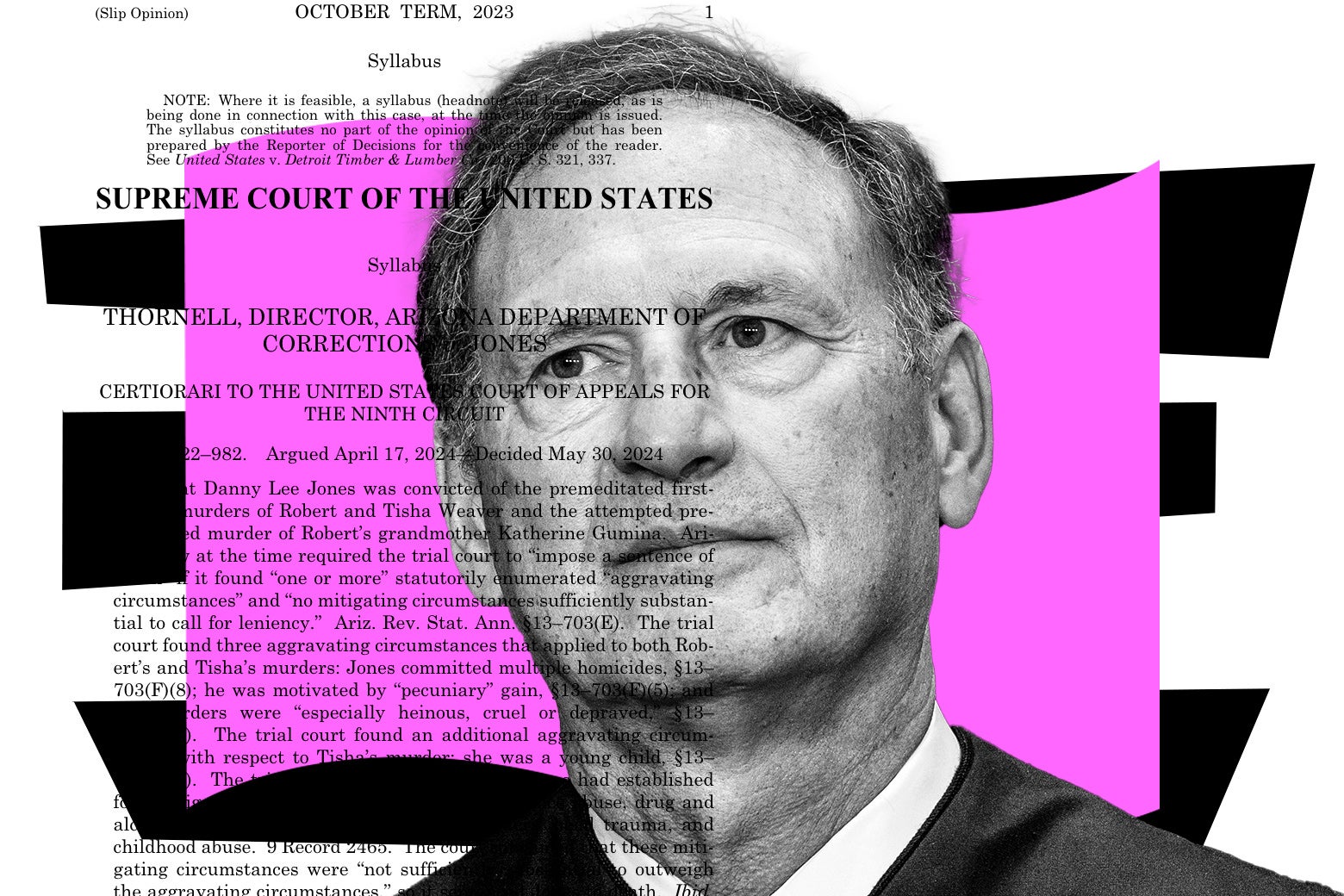
Justice Samuel Alito is embroiled in an ethics scandal, facing criticism for misinterpreting sources in his opinions and resisting calls to recuse from Jan. 6-related cases. His recent rulings, including a death penalty case, have been marked by significant factual errors and overreach, raising concerns about his judicial conduct and the broader implications for the Supreme Court's integrity.
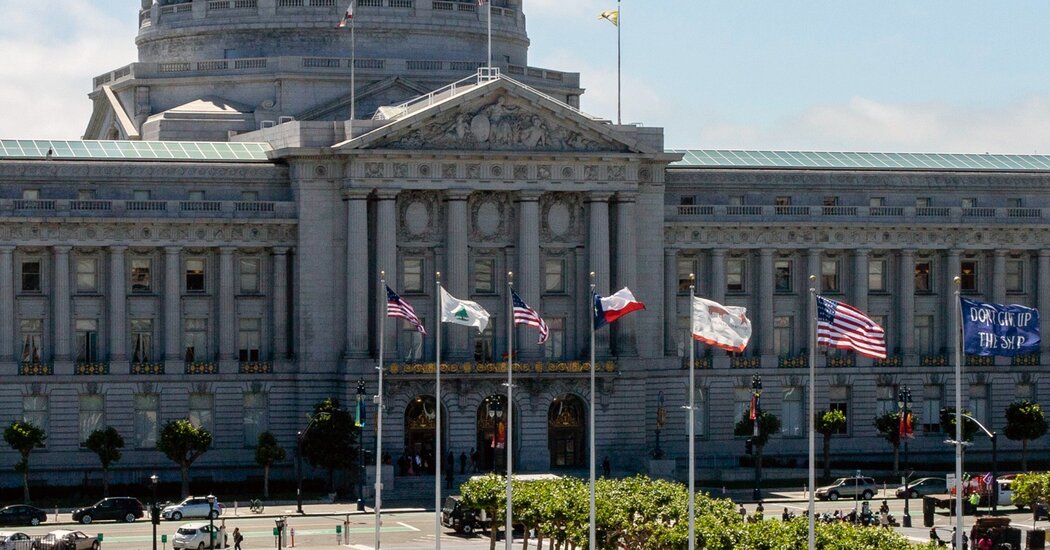
San Francisco removed the "Appeal to Heaven" flag, which had flown for 60 years near City Hall, after it was revealed that the same flag was associated with Justice Samuel A. Alito Jr. and Jan. 6 rioters. Mayor London Breed ordered its replacement with an American flag following public concern.
Several letters to the editor criticize Supreme Court Justice Samuel Alito for flying an upside-down flag, a symbol of extreme distress, outside his home after the January 6 Capitol attack. Critics argue that as a former Army officer, Alito should have recognized the flag's significance and question his integrity and the lifetime appointments of justices.
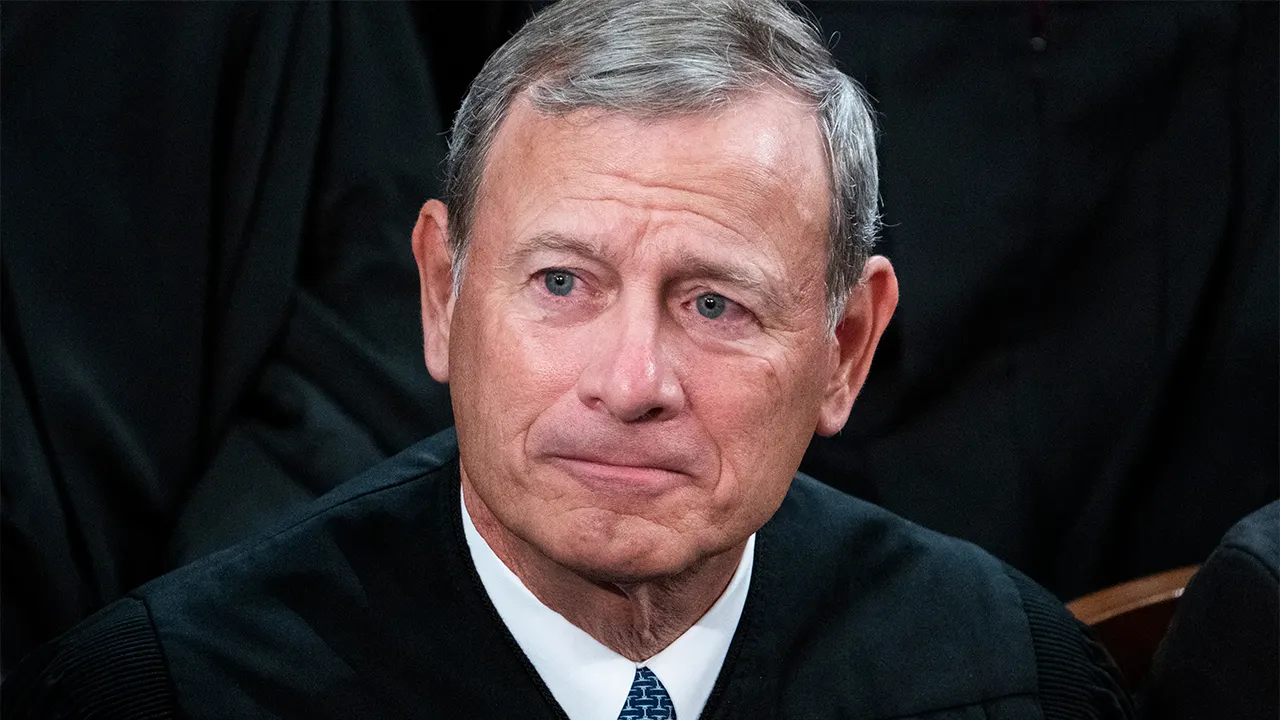
Chief Justice John Roberts declined an invitation from Democratic senators to discuss ethics concerns related to flags flown by Justice Samuel Alito, citing the importance of judicial independence and separation of powers. Alito defended his actions, stating he had no involvement in the flag incidents and would not recuse himself from cases related to the 2020 election or January 6th.
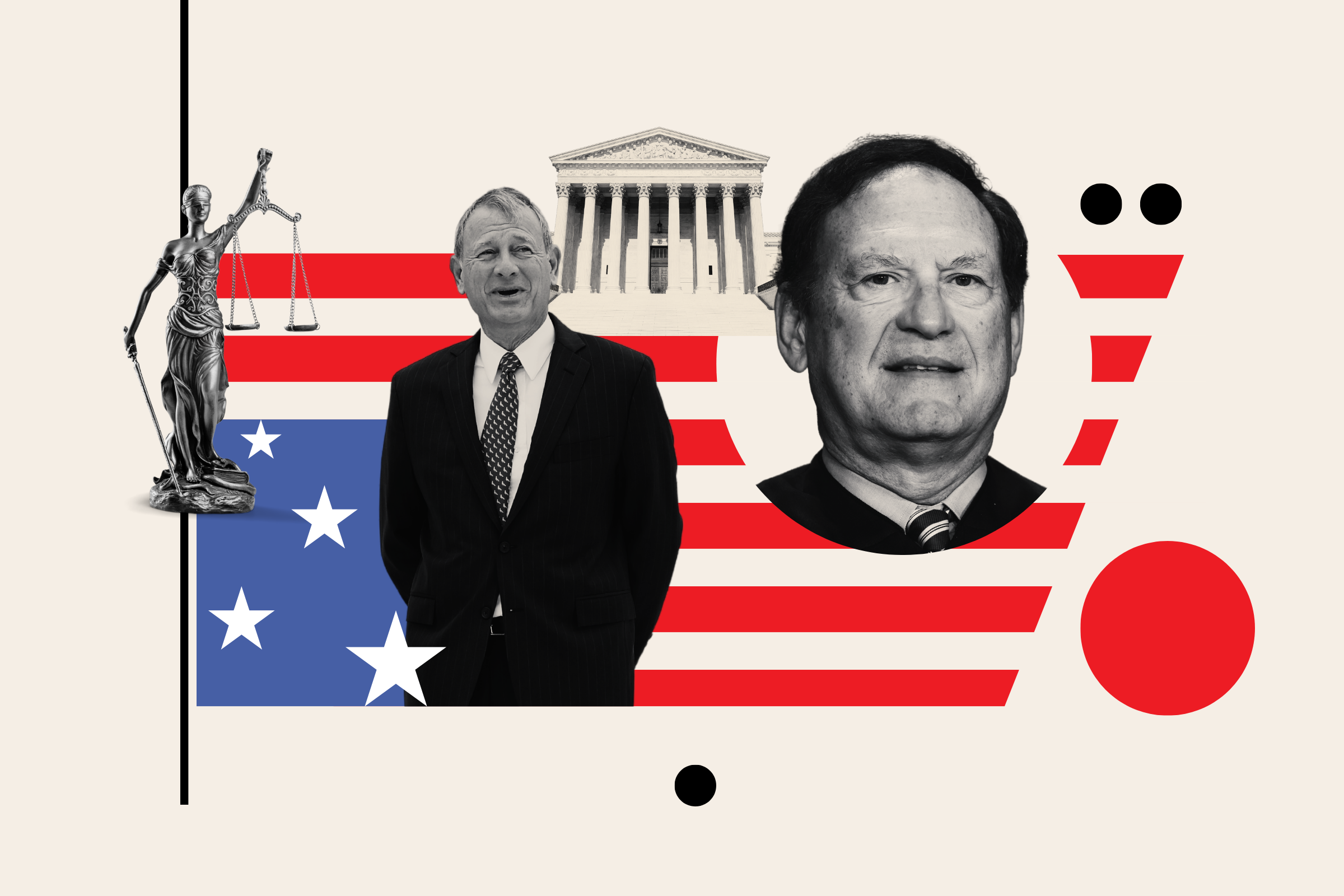
Chief Justice John G. Roberts Jr. declined requests for Justice Samuel A. Alito Jr. to recuse himself from Jan. 6 cases, stating that individual justices decide on recusal issues. Roberts also refused to meet with Democratic senators to discuss Supreme Court ethics, citing concerns about separation of powers and judicial independence.
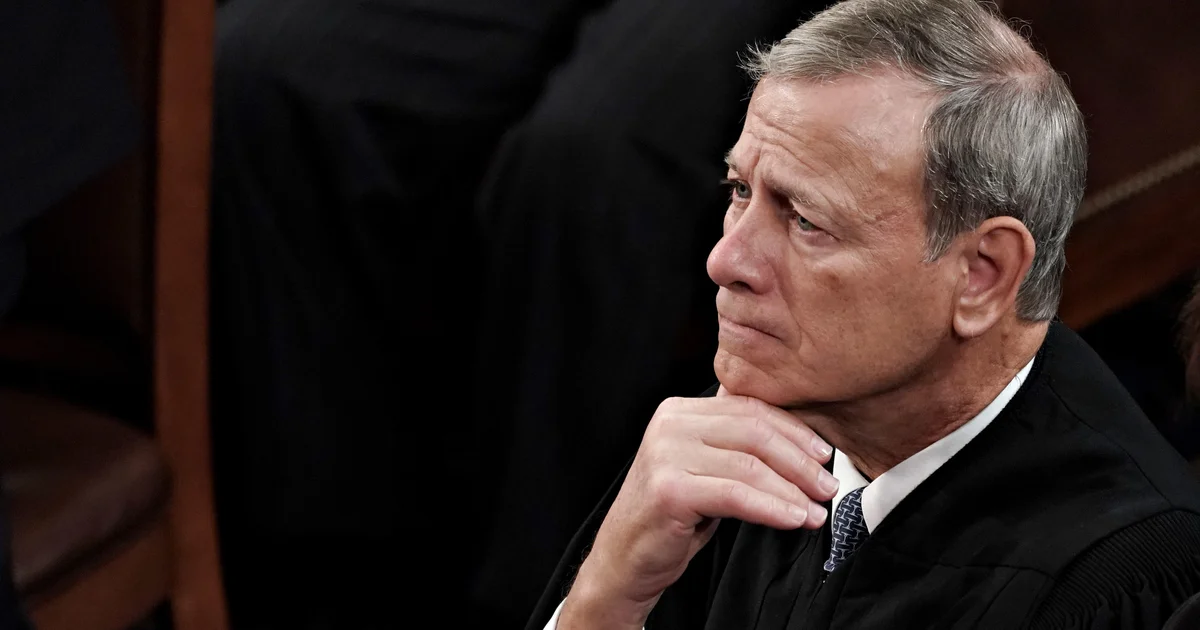
Chief Justice John Roberts declined a request from Senate Judiciary Committee Democrats for a meeting to discuss Supreme Court ethics after Justice Samuel Alito faced scrutiny over flags flown outside his homes. Roberts cited separation of powers and judicial independence as reasons for his refusal. Alito also rejected calls to recuse himself from cases involving former President Donald Trump and the Jan. 6 Capitol attack, attributing the flag displays to his wife and unrelated personal matters.