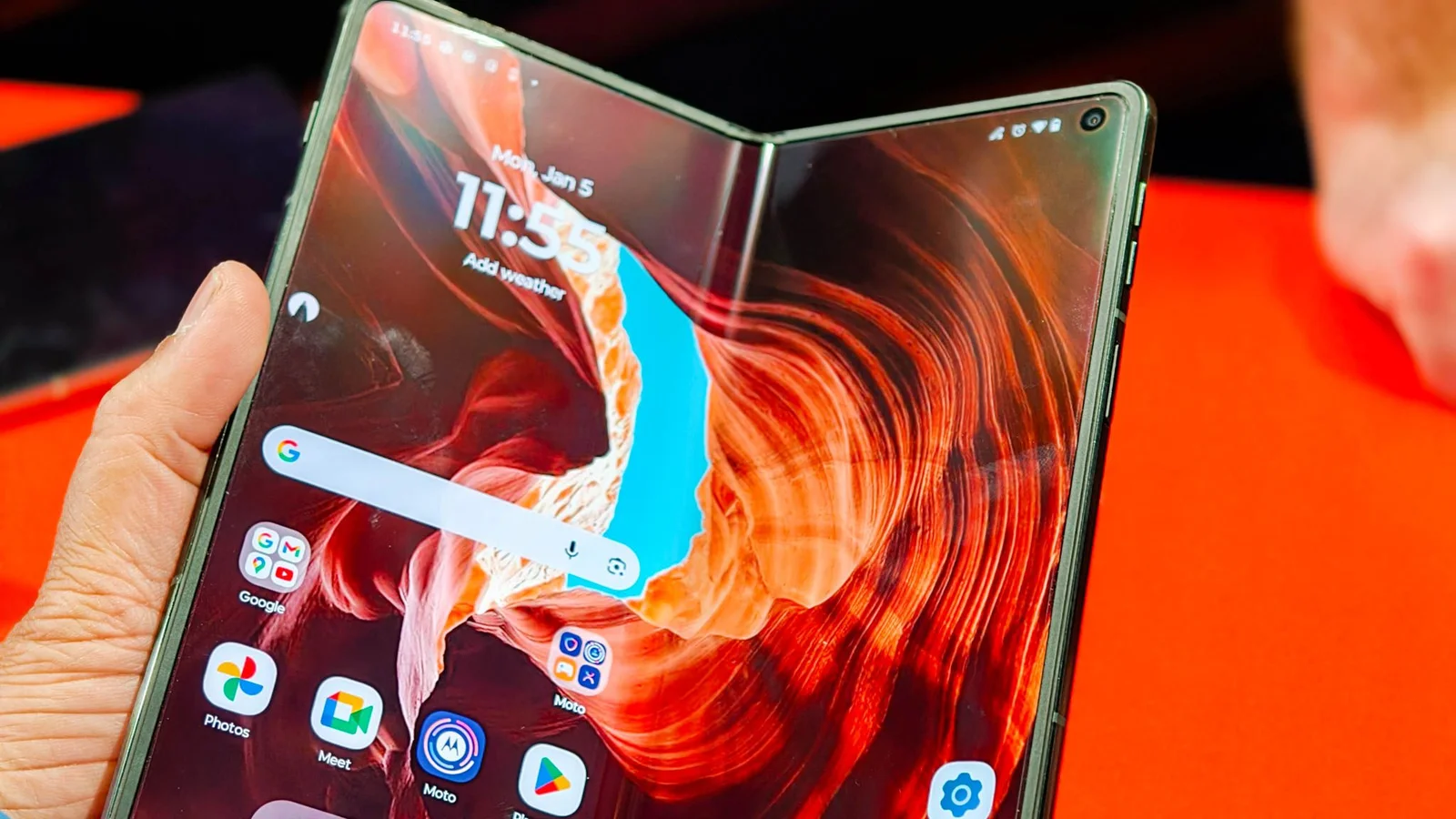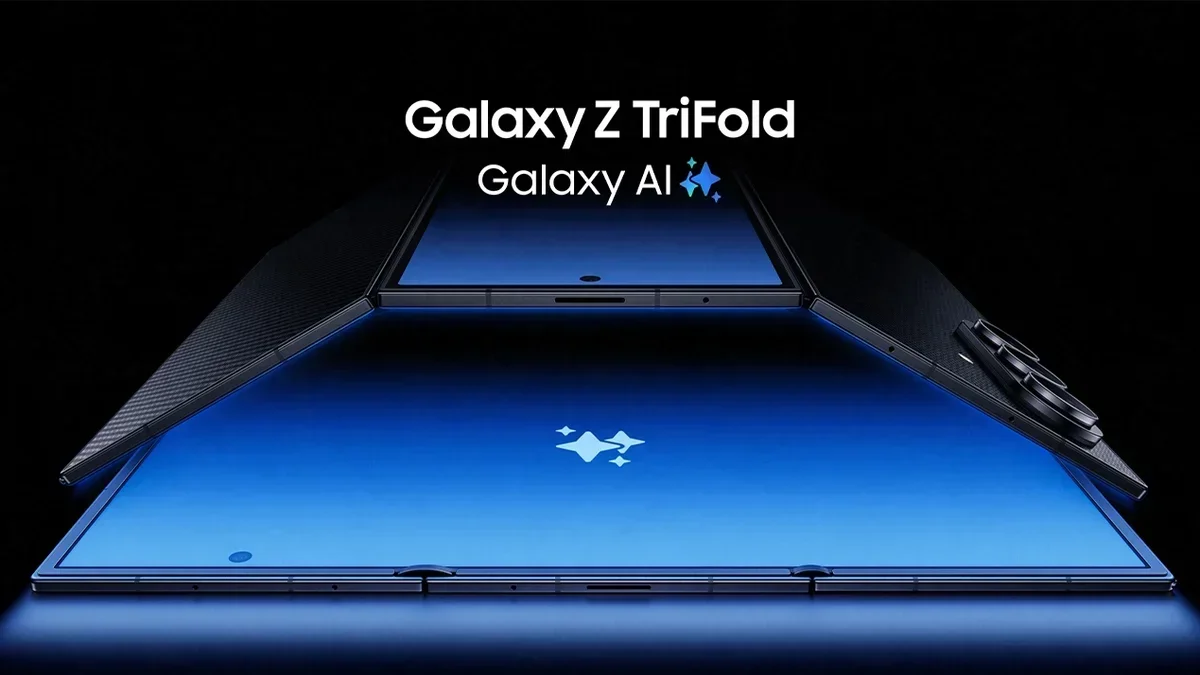
A technology-focused piece weighs Motorola's Razr Fold and Samsung's Galaxy Z TriFold—two book-style foldables—and explains why each tempts the author for very different reasons, highlighting the distinct design, usability, and trade-off considerations that come with these new form factors.
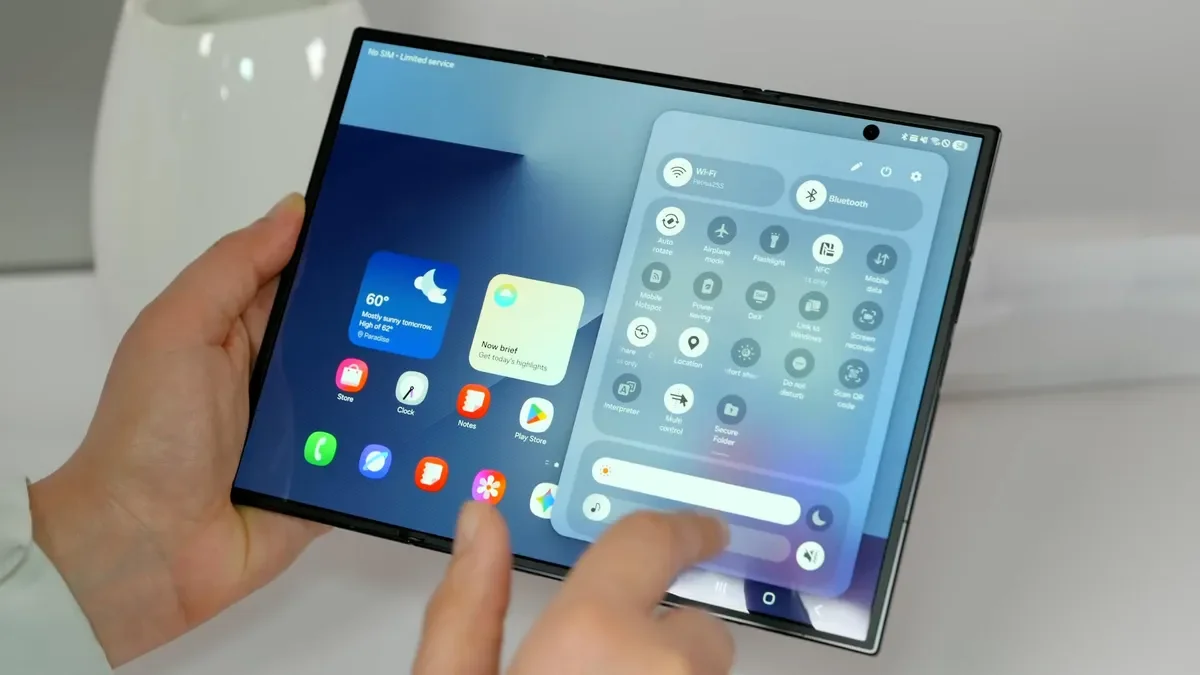
The Samsung Galaxy Z TriFold, awarded at CES 2026, is a groundbreaking foldable phone with a 10-inch screen when fully opened, offering a tablet-like experience in a pocketable device, featuring top-notch build quality and innovative hinge design, targeting users seeking a large-screen mobile device, though it has some usability limitations compared to the Z Fold 7.
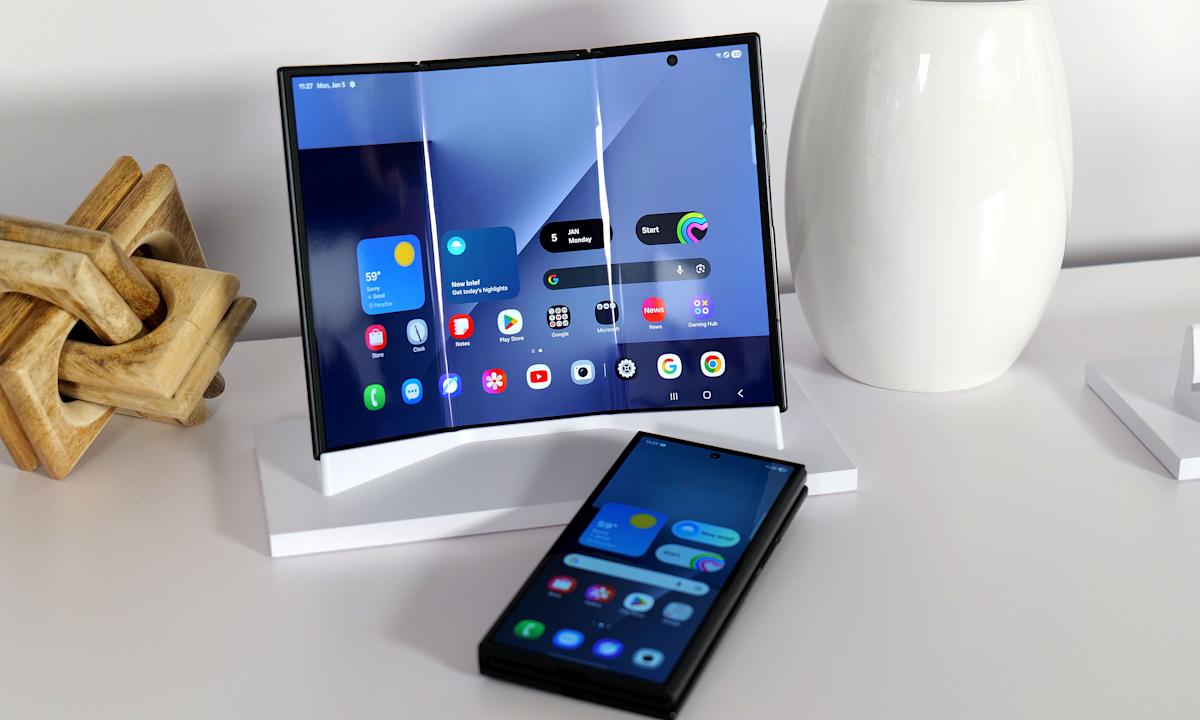
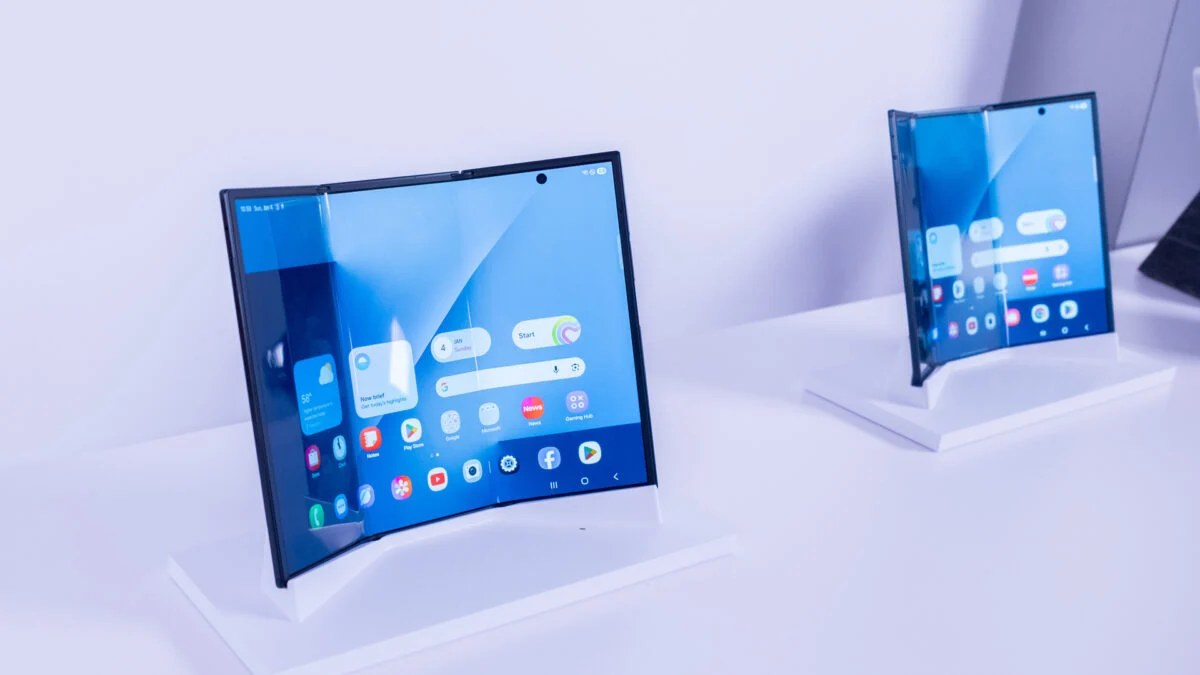
The Samsung Galaxy Z TriFold, showcased at CES 2026, is a bulky but innovative foldable phone with a 10-inch tablet-like display, advanced hinge technology, and durable design, offering a compelling multitasking experience despite its size and price.
The Samsung Galaxy Z TriFold, showcased at CES 2026, is a highly practical foldable device that combines a phone and tablet in one, featuring a sleek design, a 6.5-inch cover display, a 10-inch internal display, and impressive camera capabilities. It offers a more utilitarian alternative to traditional foldables, with a focus on productivity and portability, and is set to launch in the US in the first quarter, with pricing likely around the $2,000 mark.
The Samsung Galaxy Z Trifold, a large foldable device with a 10-inch tablet display when unfolded, impresses with its design, durability, and potential to replace tablets and laptops, though concerns about weight, battery life, and pricing remain.
Samsung's dual-hinged Galaxy Z TriFold is rumored to launch on September 29 in South Korea, alongside the Project Moohan XR headset and potentially new AI-powered smart glasses, with a limited release primarily in South Korea and China, and a price estimated around $2,930.