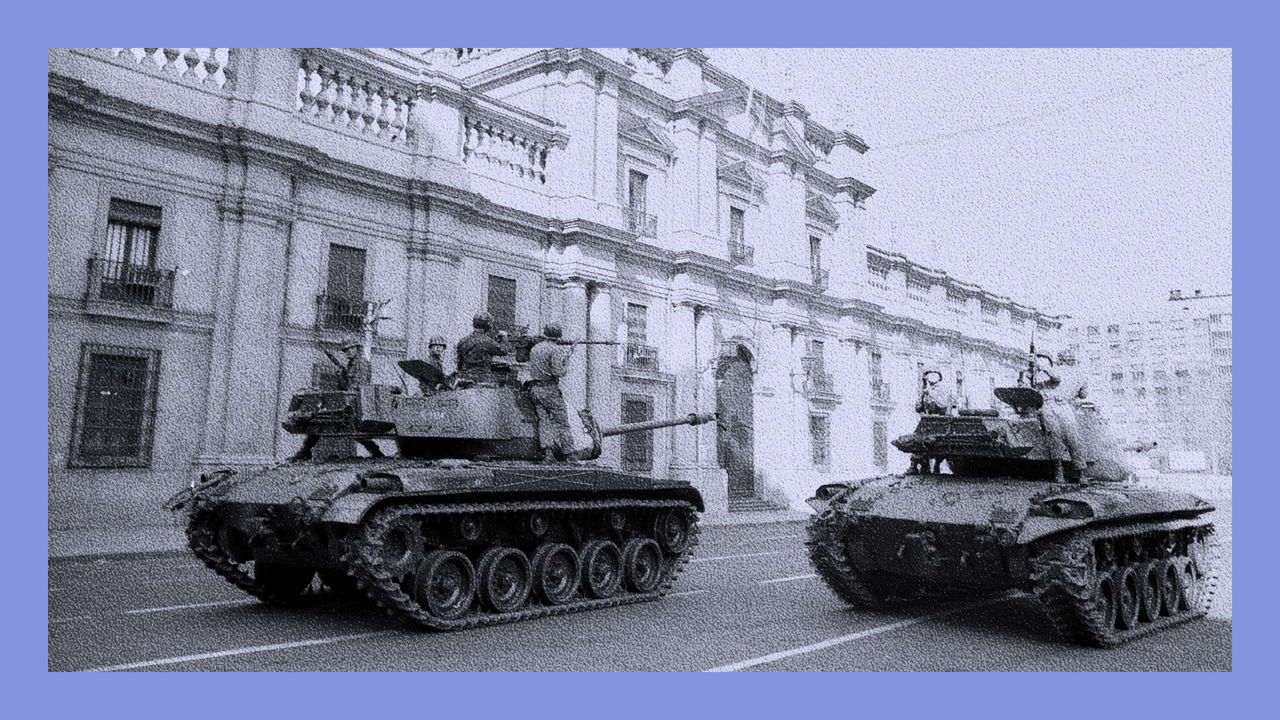
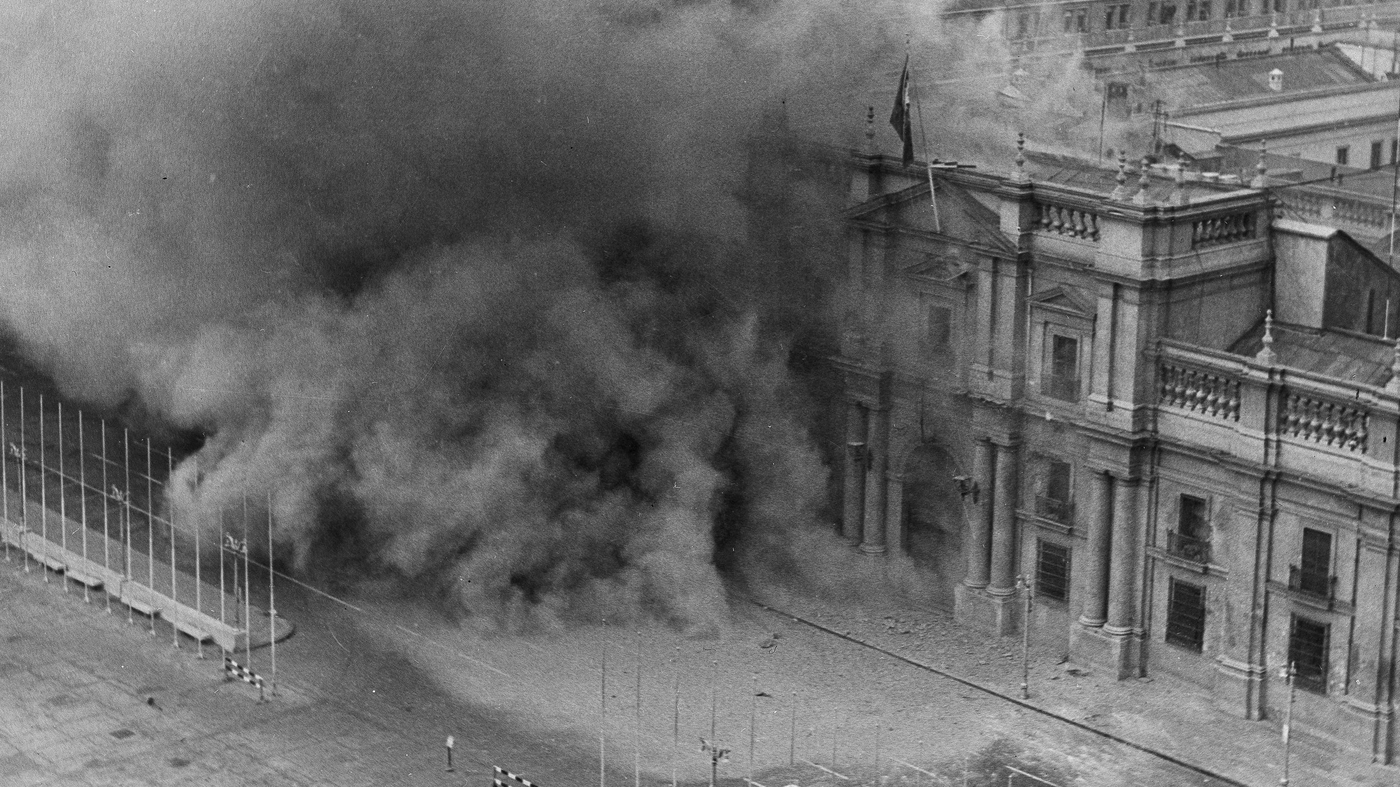
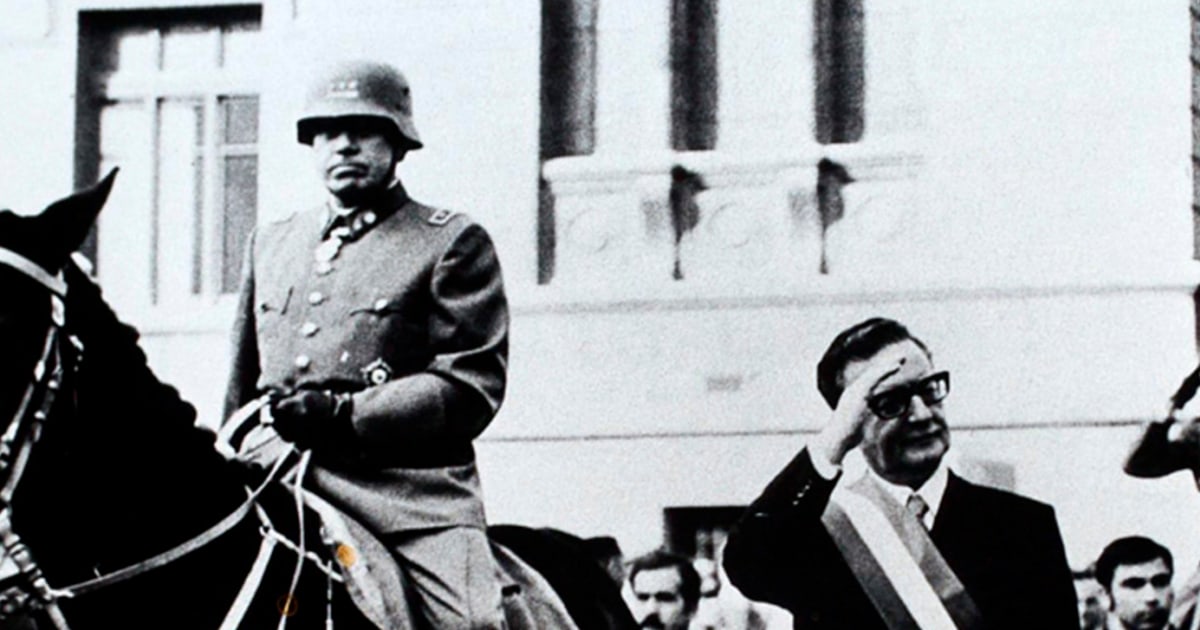
The 1973 coup in Chile, which led to the violent rule of General Augusto Pinochet after the suicide of President Salvador Allende, continues to divide the country as citizens have differing opinions on how the leaders should be remembered.
The United States played a significant role in the 1973 coup in Chile, which led to the rise of an authoritarian right-wing dictatorship under General Augusto Pinochet. The U.S. had been meddling in Chile's politics for years, fearing the influence of Marxist President Salvador Allende. The U.S. spent massive amounts on anti-communist propaganda and covert actions to prevent Allende from taking power. Despite these efforts, Allende was elected, and the U.S. continued to support opposition and economic measures against his government. The coup in Chile had unintended consequences in the U.S., galvanizing public opinion and leading to increased human rights concerns and congressional involvement in foreign policy.
Fifty years ago, on September 11, 1973, General Augusto Pinochet led a military coup in Chile, overthrowing President Salvador Allende. The coup resulted in widespread human rights abuses, including torture, killings, and disappearances. Pinochet's regime implemented free-market reforms, limited political freedoms, and repressed opposition. Thousands of Chileans were forced into exile. Decades later, efforts are being made to locate the victims of the dictatorship, and the country continues to grapple with the legacy of this dark period in its history.
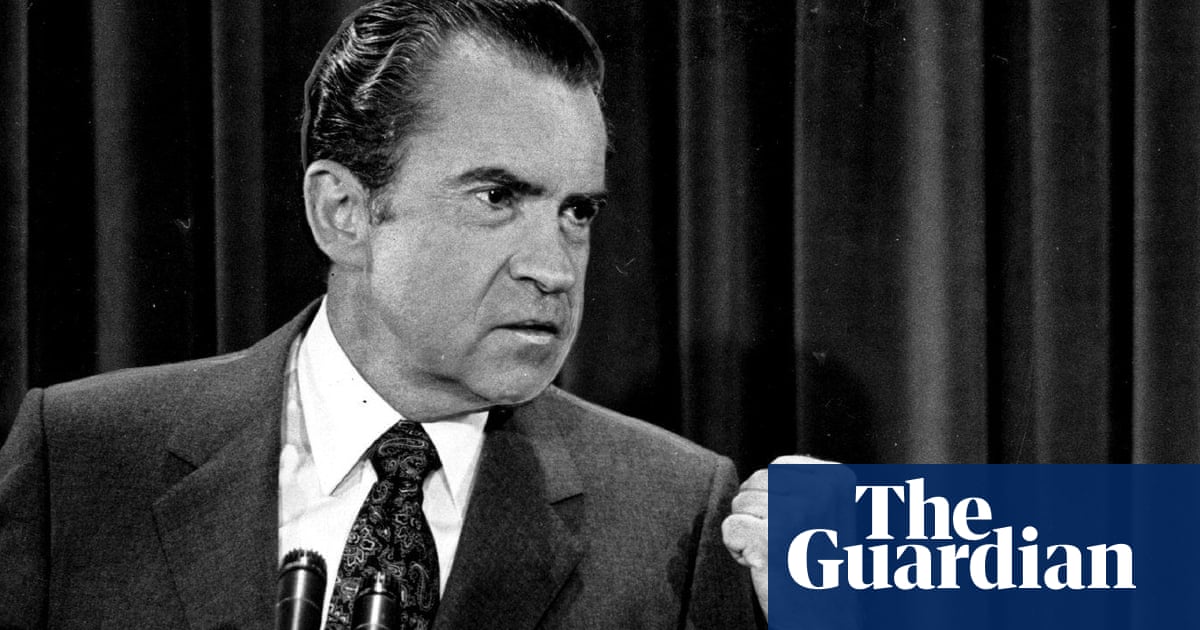
Newly declassified documents reveal that US President Richard Nixon met with a rightwing Chilean media mogul, Agustín Edwards, to discuss blocking Salvador Allende's path to the Chilean presidency in 1970. With the support of Nixon's White House, a plan was hatched for the military to seize power, dissolve congress, and prevent Allende's inauguration. The attempt was botched, resulting in the death of General René Schneider. The revelations shed light on the malevolence of US foreign policy in Chile and the explicit link between Nixon and the overthrow of a democratically elected government. Chile's current president, Gabriel Boric, has requested more information on US involvement in the plot.