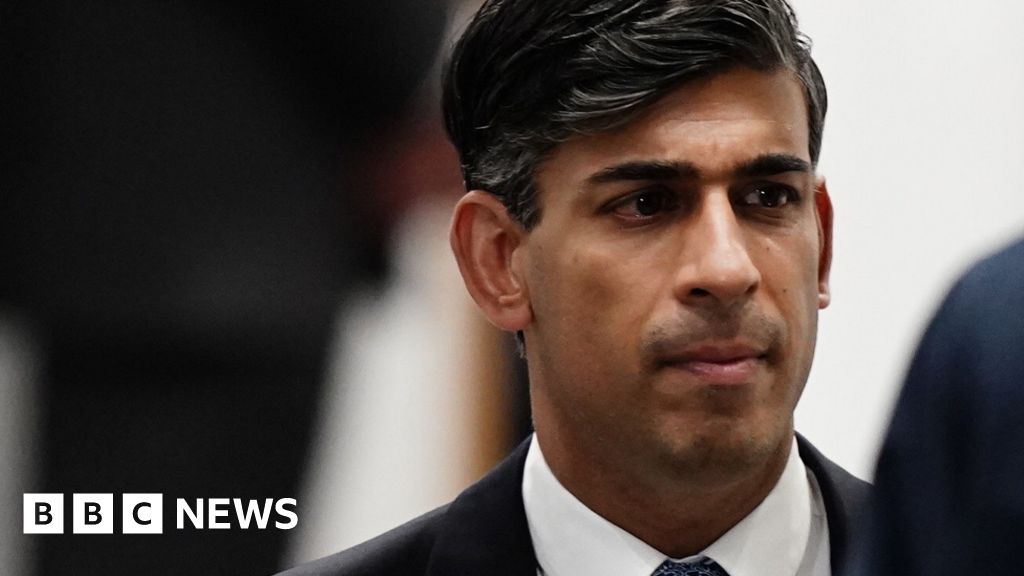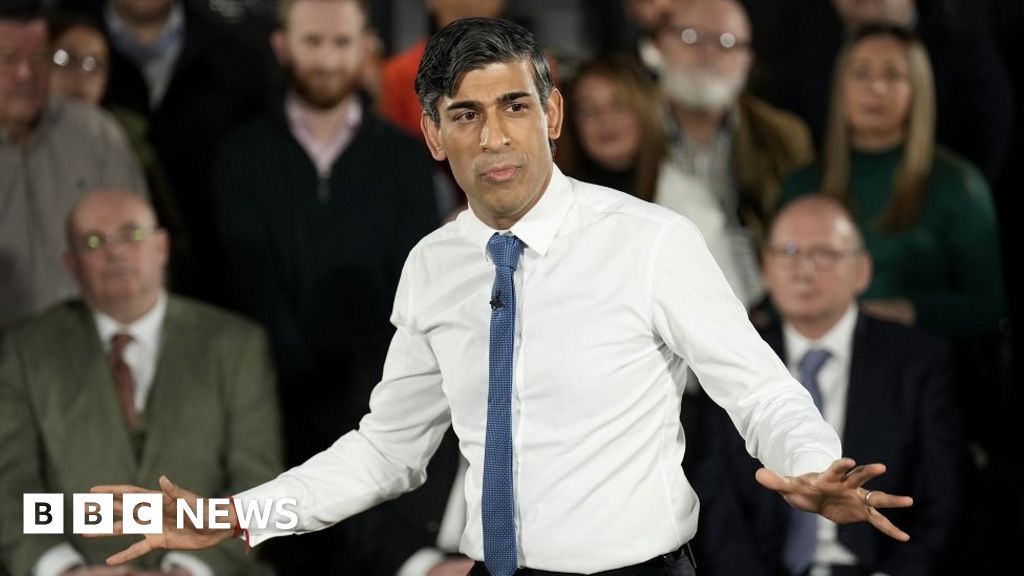
Despite Rishi Sunak's recent parliamentary success with the Rwanda Bill, the Conservative Party is facing growing concern over their polling numbers, with a recent YouGov MRP poll projecting a 120-seat majority for Labour. Sunak's election guru, Isaac Levido, attempted to reassure Conservative MPs, emphasizing the need for a clear plan to counter Labour's potential return to power. However, despite Sunak's parliamentary success, there is a growing sense of unease within the party, with some MPs expressing distrust and disquiet, and speculation about potential leadership challenges in the future.
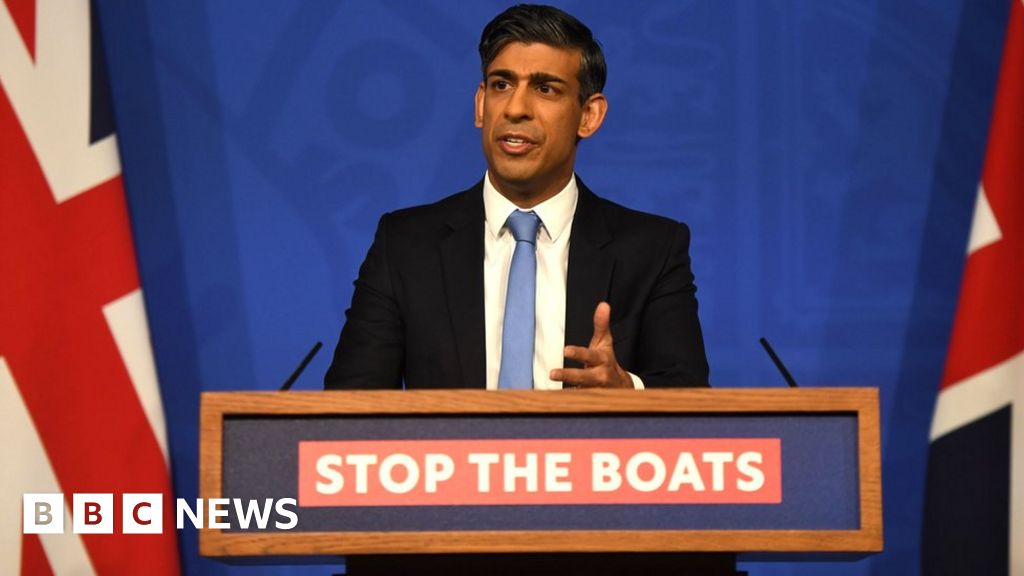
Prime Minister Rishi Sunak urges the House of Lords to pass the controversial Rwanda bill, which aims to send asylum seekers to Rwanda, emphasizing it as an "urgent national priority." The bill, already approved by MPs, faces strong opposition in the House of Lords, where peers are expected to propose changes that could delay its progress. Sunak's aim is to have deportation flights take off as quickly as possible, but the bill's critics believe legal challenges could still hinder its implementation even after it becomes law.
Two Conservative Party deputy chairmen and a ministerial aide have resigned to rebel against Rishi Sunak's government over its flagship Rwanda bill, joining about 60 Tory MPs backing an amendment that toughened the immigration legislation. Despite the rebellion, No 10 remains confident the bill will pass, but the resignations highlight divisions within the Conservative Party over the legislation, which seeks to revive the government's plan to send some asylum seekers to Rwanda and deter people from crossing the Channel in small boats.
Former immigration minister Robert Jenrick warns that Tory rebels' attempts to address flaws in the Rwanda bill are the "last opportunity" to get the policy right, as they aim to rewrite the legislation in the House of Commons. The amendments seek to restrict an individual's ability to block their removal to Rwanda and prevent international law from being considered in legal challenges against the policy. The government also announced plans to expand court capacity and train 150 judges to run a new fast-track appeals system for Rwanda deportations.
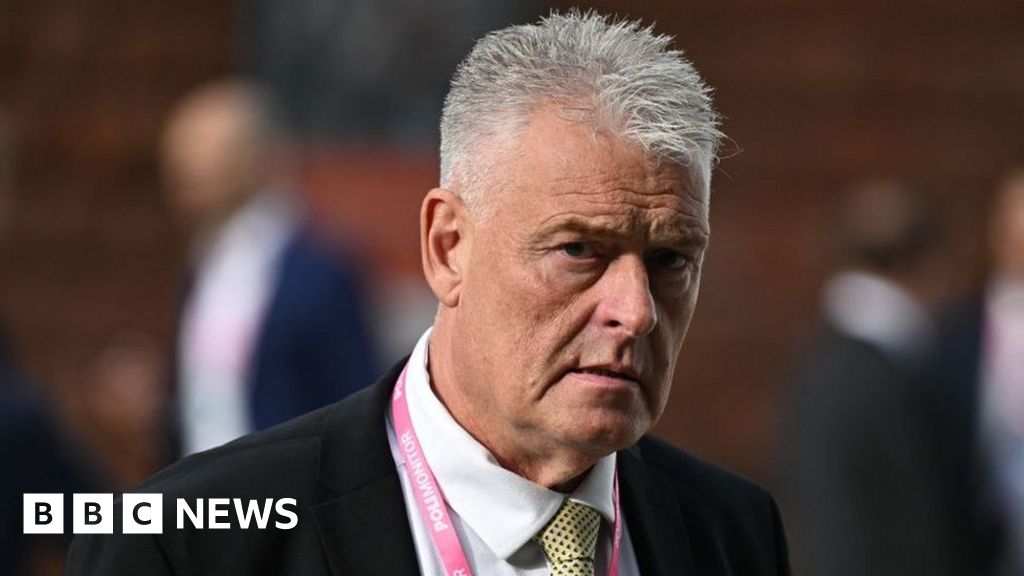
Two deputy Conservative chairmen, Lee Anderson and Brendan Clarke-Smith, have announced their support for rebel amendments to PM Rishi Sunak's Rwanda bill, joining over 60 right-wing Tory MPs. The bill aims to revive the plan to send asylum seekers to Rwanda, which was previously ruled unlawful by the Supreme Court. The proposed amendments are not expected to pass, and if rejected, rebel backbenchers will have to decide whether to support the bill without the changes they want. The government's Rwanda policy has faced criticism from both sides of the Conservative Party, with concerns about legal challenges and international law.
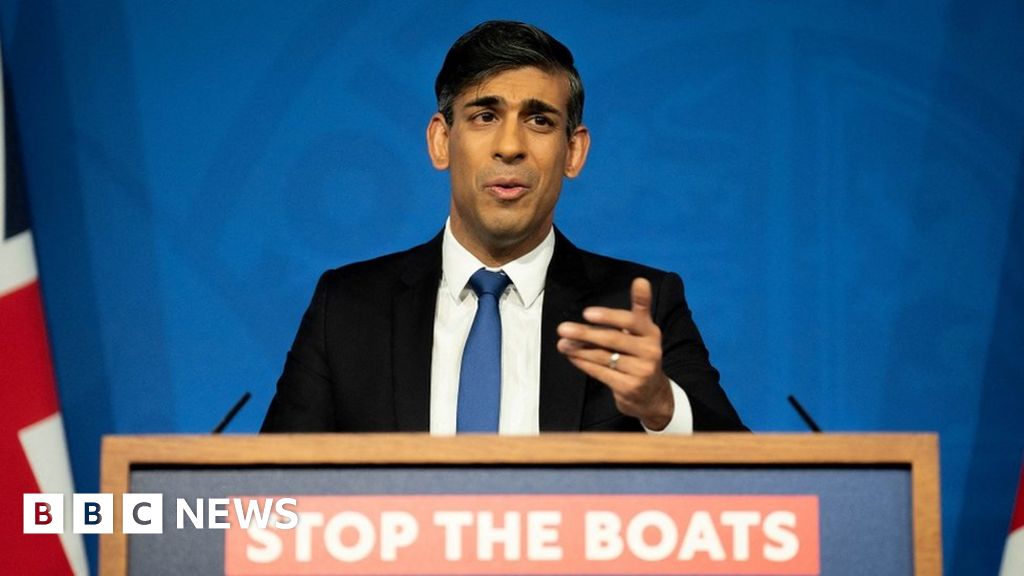
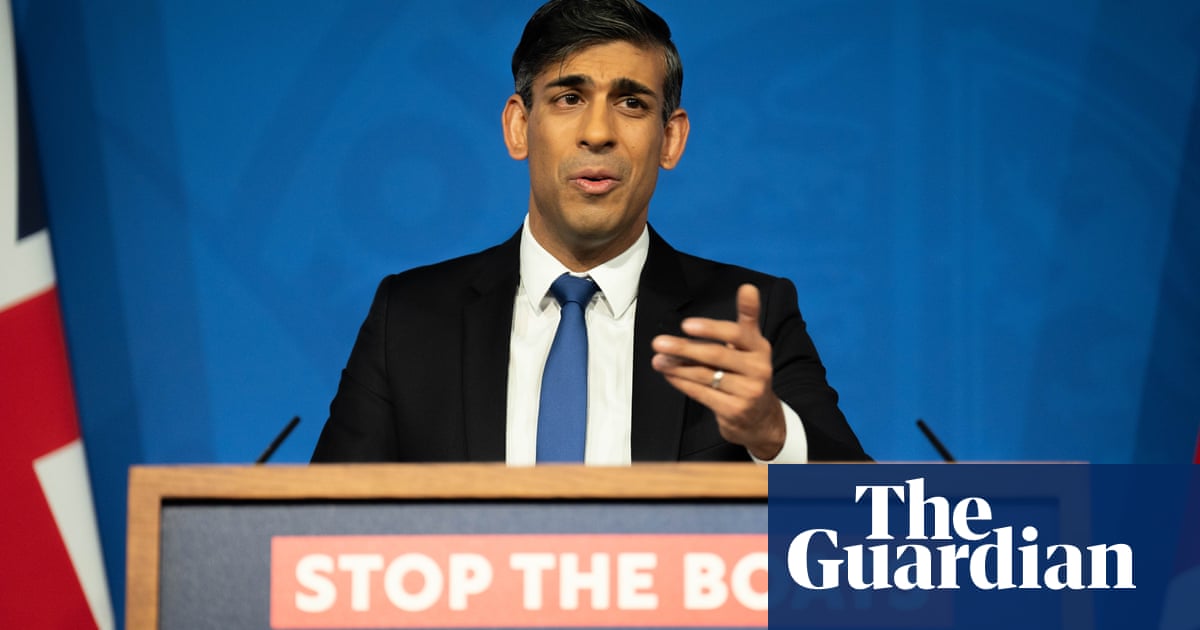
Rishi Sunak denies being "tetchy" under pressure and dismisses dissent among Conservative MPs as "debating society" behavior. Centrist Tories are considering amendments to the Rwanda bill to protect it against breaches of international law, while right-wing Conservatives threaten to vote it down unless more draconian measures are added. Sunak refuses to commit to a timeline for sending asylum seekers to Rwanda and defends his slogan "stop the boats." He paints himself as a Thatcherite on tax and claims to be making progress despite managing a divided party and facing a significant opinion poll deficit.
Rishi Sunak, the UK Chancellor of the Exchequer, has secured a win in a parliamentary vote on the controversial Rwanda bill, avoiding a potentially crushing defeat. However, the Conservative Party remains divided on the issue, with factions on the right threatening to vote against the bill if it is not amended. While Sunak can celebrate this victory, the battle is far from over, and the possibility of a spring election looms as the party grapples with internal divisions.
The UK government has narrowly won the vote on its Rwanda bill, avoiding a defeat at the bill's second reading stage. The bill, which aims to address immigration and asylum issues, received support from Conservative MPs, while opposition parties like Labour, SNP, and Lib Dems voted against it. However, there were a significant number of abstentions, indicating potential divisions within the Conservative party. The bill will now proceed to further scrutiny and potential amendments in January.
The upcoming vote on Rishi Sunak's Rwanda bill is posing a significant challenge to his authority within the Conservative Party. Potential rebels on the right of the party have hardened their resolve and are demanding the bill be pulled, citing concerns about the scope of the legislation and the inability to amend it later. Sunak's flagship immigration policy is at stake, and any further concessions towards the right could alienate the One Nation group. The crucial question is not just how many Tory rebels there are, but also in what way they rebel - voting against the bill at second reading would be a vote against its principles. The possibility of defeat may lead Sunak to withdraw the bill, potentially triggering a leadership election or even a general election. Sunak's authority over his party appears fragile amidst public dissent in Parliament.
The UK government will release a summary of its legal advice on draft legislation to send asylum seekers to Rwanda, according to Prime Minister Rishi Sunak's spokesperson. Sunak is facing opposition from politicians across the political spectrum within his Conservative Party, who threaten to vote against the bill. Despite this, Sunak remains confident that lawmakers will support the government's approach.
UK Prime Minister Rishi Sunak is facing a crucial week as two factions within the Conservative Party prepare to debate his flagship Rwanda bill. Up to 100 MPs on each side are expected to meet to discuss how to vote on the legislation, which aims to limit court challenges to deporting migrants to East Africa. Sunak needs to keep the rebellion below 56 abstentions or 28 votes against to avoid defeat. While some MPs are open to making the legislation work, others demand changes to harden it. Sunak's position is also being challenged by plotters within his own party, with talk of ousting him before the election.
Former UK immigration minister Robert Jenrick has announced that he will not vote for Rishi Sunak's bill aimed at deporting asylum seekers to Rwanda, stating that it would not work and needed to go further in setting aside human rights law. This is a blow to the prime minister, as the bill's passage is likely to hinge on the votes of Jenrick and other right-wing MPs. There is growing talk of a potential ousting of the prime minister before the election by plotters within his own party, with some backbenchers considering reinstalling Boris Johnson or an ally of Liz Truss.
Suella Braverman, former home secretary, has stated that Prime Minister Rishi Sunak's flagship Rwanda Bill "will fail" in its current form. The bill, designed to deter illegal immigration, has already faced criticism and led to the resignation of immigration minister Robert Jenrick. Braverman emphasized the importance of delivering on the promise to "stop the boats" in order to win the next election. The bill, which grants ministers powers to disregard sections of the Human Rights Act, will face a vote in Parliament on Tuesday, and its failure could pose a significant challenge for the prime minister.