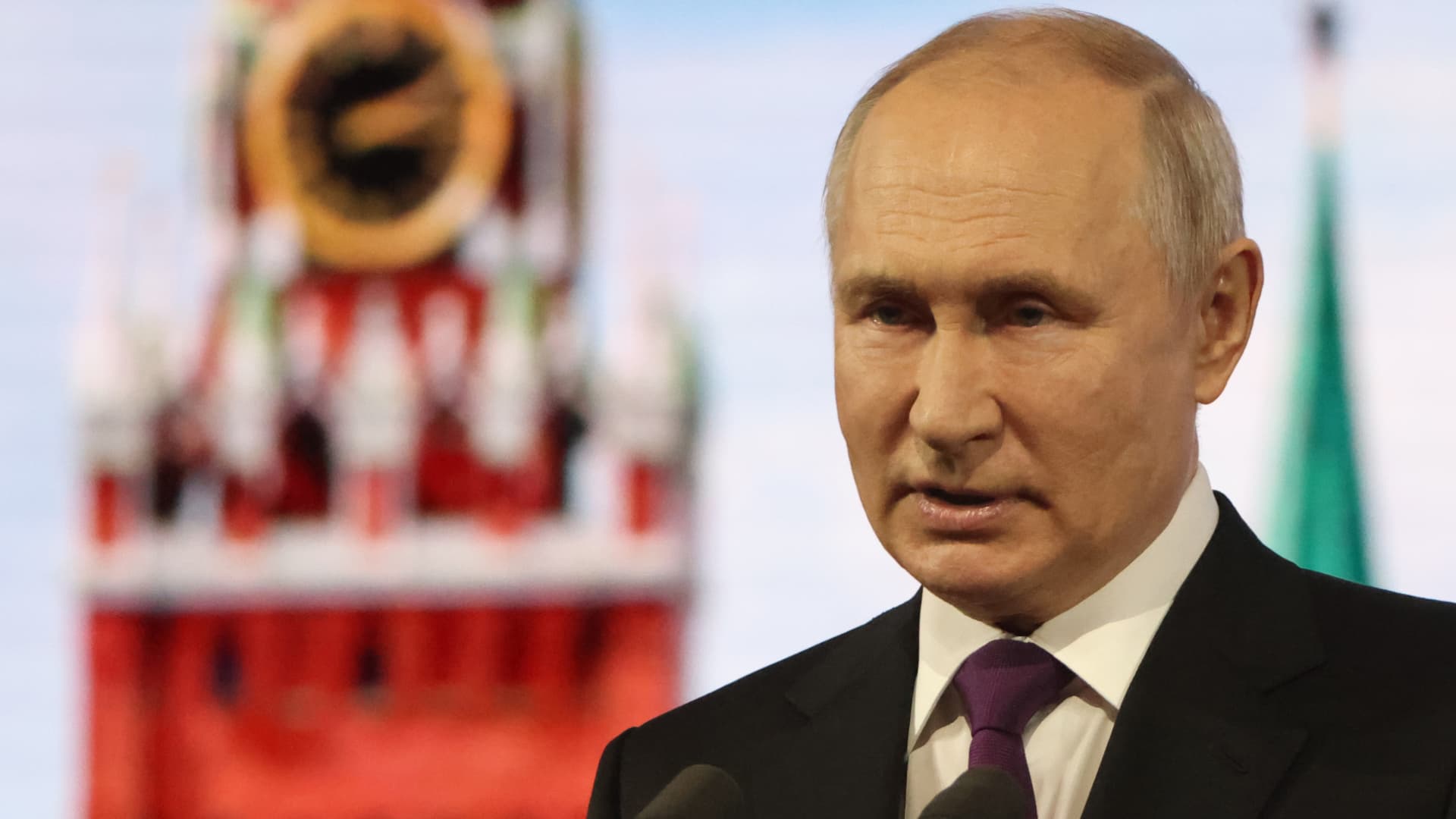
A Pussy Riot activist received an 11-year prison sentence in absentia for a provocative protest against Vladimir Putin, involving urination on his portrait, amid escalating tensions between Russia and the West, including NATO airspace breaches and fears of Russian aggression extending to Europe and the US.
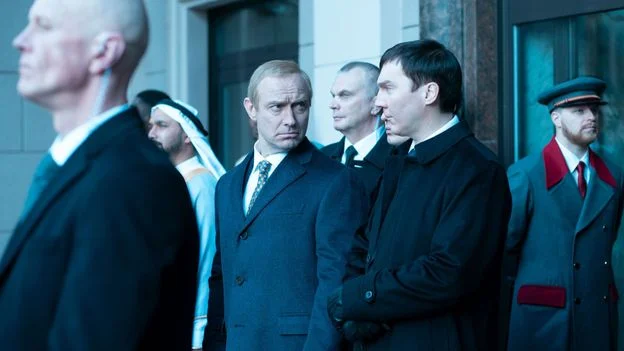
The film 'The Wizard of the Kremlin,' featuring Jude Law as a calm, mild-mannered Putin, explores how Putin's Russia was shaped after the USSR's dissolution, focusing on the strategist behind the scenes rather than the leader himself, and offers insight into his rise to power.
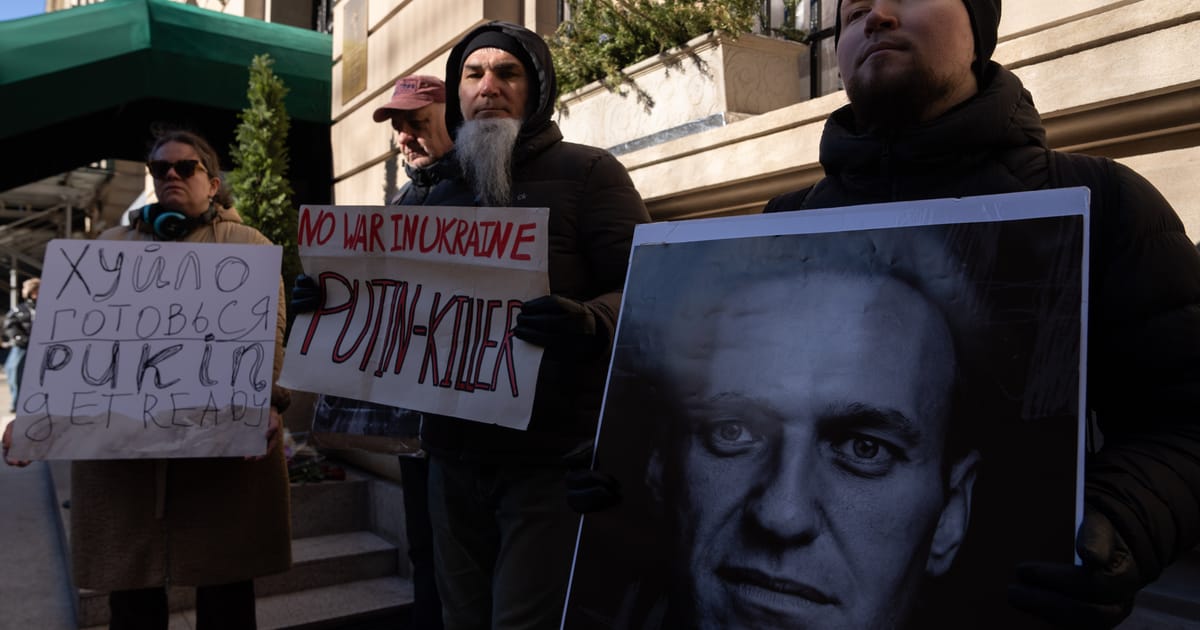
Russian President Vladimir Putin publicly mentioned Alexei Navalny's name for the first time in years, claiming that he had agreed to a prisoner exchange deal involving Navalny days before his death in a Russian prison. Putin stated that "some colleagues" had proposed the exchange, but unfortunately, Navalny passed away before it could happen. This revelation seems to corroborate a claim made by a close Navalny ally about negotiations for a prisoner exchange involving Navalny and a jailed FSB agent in Germany. Navalny's widow, Yulia Navalnaya, was reportedly offered the opportunity to visit her husband in Russia but chose to stay abroad, and she has now vowed to continue her husband's mission to challenge Putin's regime.
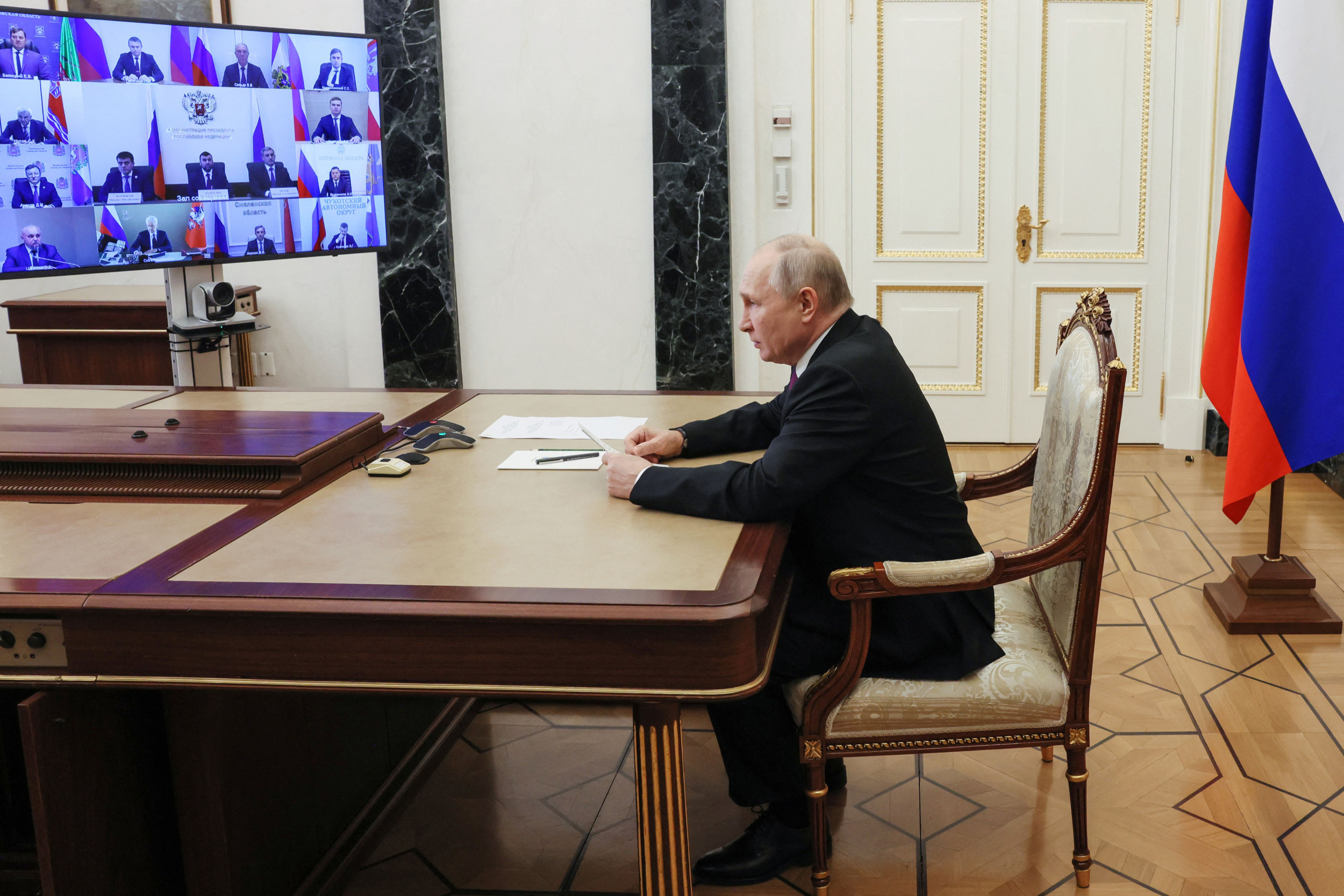
Russian President Vladimir Putin has made significantly fewer public appearances in the past year, raising questions about his health and intentions as he is expected to announce his bid for a fifth term as president. An investigation by independent media outlet Proekt found that Putin spent only 147 days in public from November 2022 to October 2023. He has conducted many meetings virtually and maintained distance from others in person, prompting speculation about COVID-19 concerns. The reduced public presence is unusual given the upcoming presidential elections in 2024.
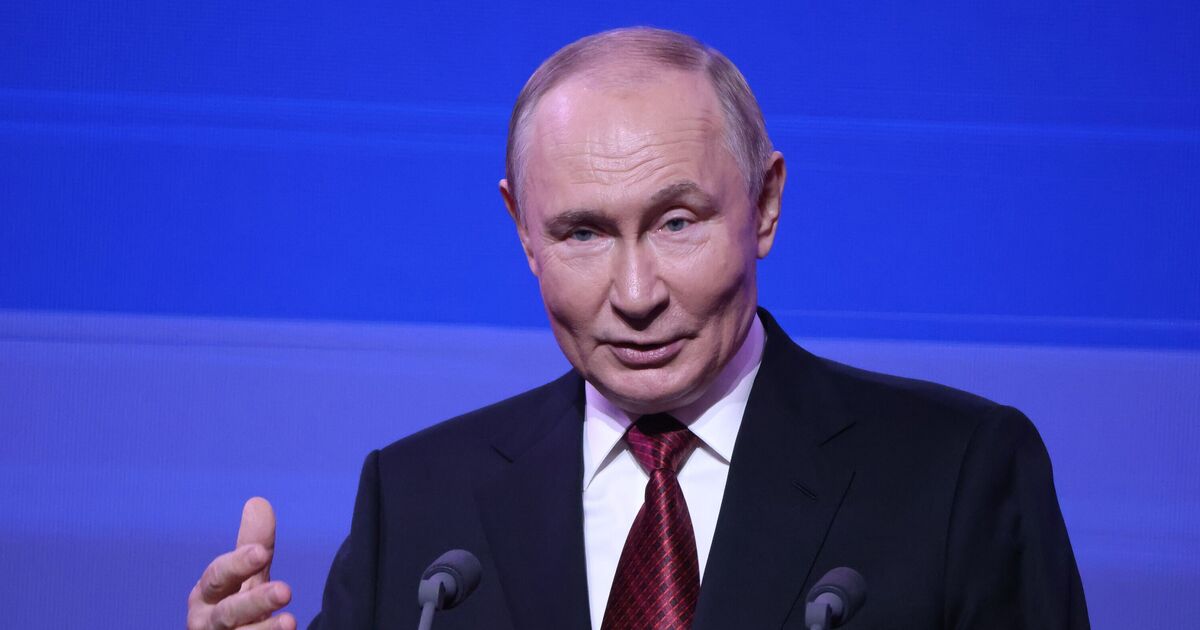
Russian President Vladimir Putin is reportedly planning to run for another term in the March 2024 presidential election, and with little to no political opposition in the country, he is likely to secure another six-year term. Prominent Putin critics have either fled the country or been jailed, leaving no significant actors to challenge his rule. The Kremlin maintains that political pluralism exists in Russia, but registered opposition parties are seen as supporting the government. While cracks may be appearing in Putin's support base, analysts believe that any potential opposition figures would need powerful backers within the elite and security services to mount a feasible challenge. The Russian opposition is biding its time, waiting for the right moment to re-emerge and engage in political activity.