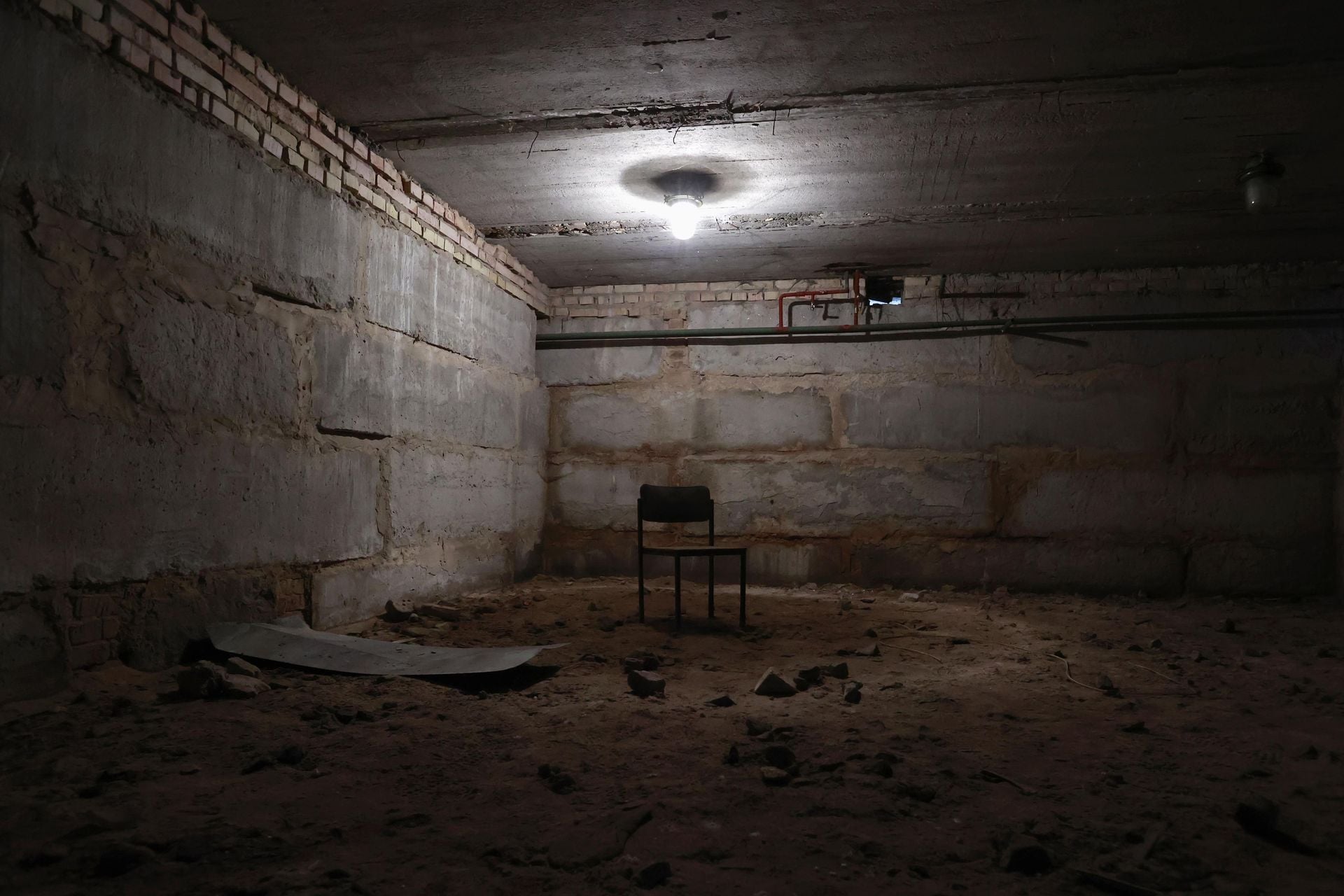
The UN report details widespread torture and inhumane treatment of Ukrainian civilians held by Russian forces in occupied territories, including physical and psychological abuse, with over 92% of released detainees reporting torture, highlighting severe violations of international humanitarian law.
Two Ukrainian soldiers who were castrated while prisoners of Russia have been referred to a psychologist who specializes in troubled young men. The soldiers struggled to tell their psychologist what happened to them, and when she finally learned what had happened, she broke down in tears. The torture does not just take a physical toll, but also the painful psychological effect of no longer being able to be sexually active. The experience of the tortured prisoners of war highlights an often minimized aspect of the cruelty of war.
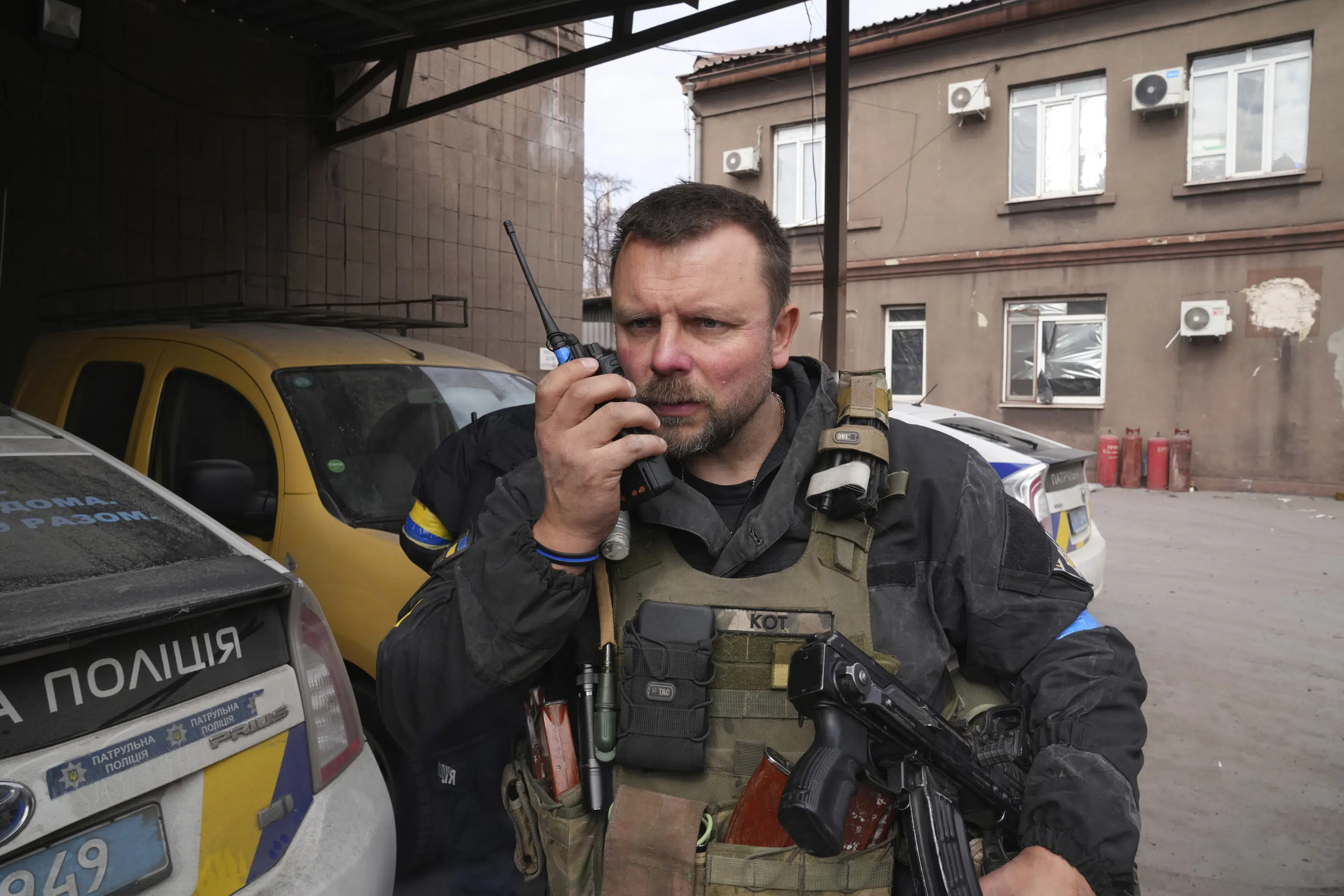
Mikhailo Vershinin, head of Mariupol’s Police Patrol, recalls the day he surrendered from the Russian siege of the Azovstal steel mill on the orders of the Ukrainian president a year ago. He experienced first-hand the day the final square of the besieged city fell and now recalls it with both deep sadness, but a sense of purpose for Ukraine’s future. More than 700 remain in captivity: winning their release has been a priority for the Ukrainian government, and for Vershinin, who was in a group exchanged for Russian prisoners of war last fall.