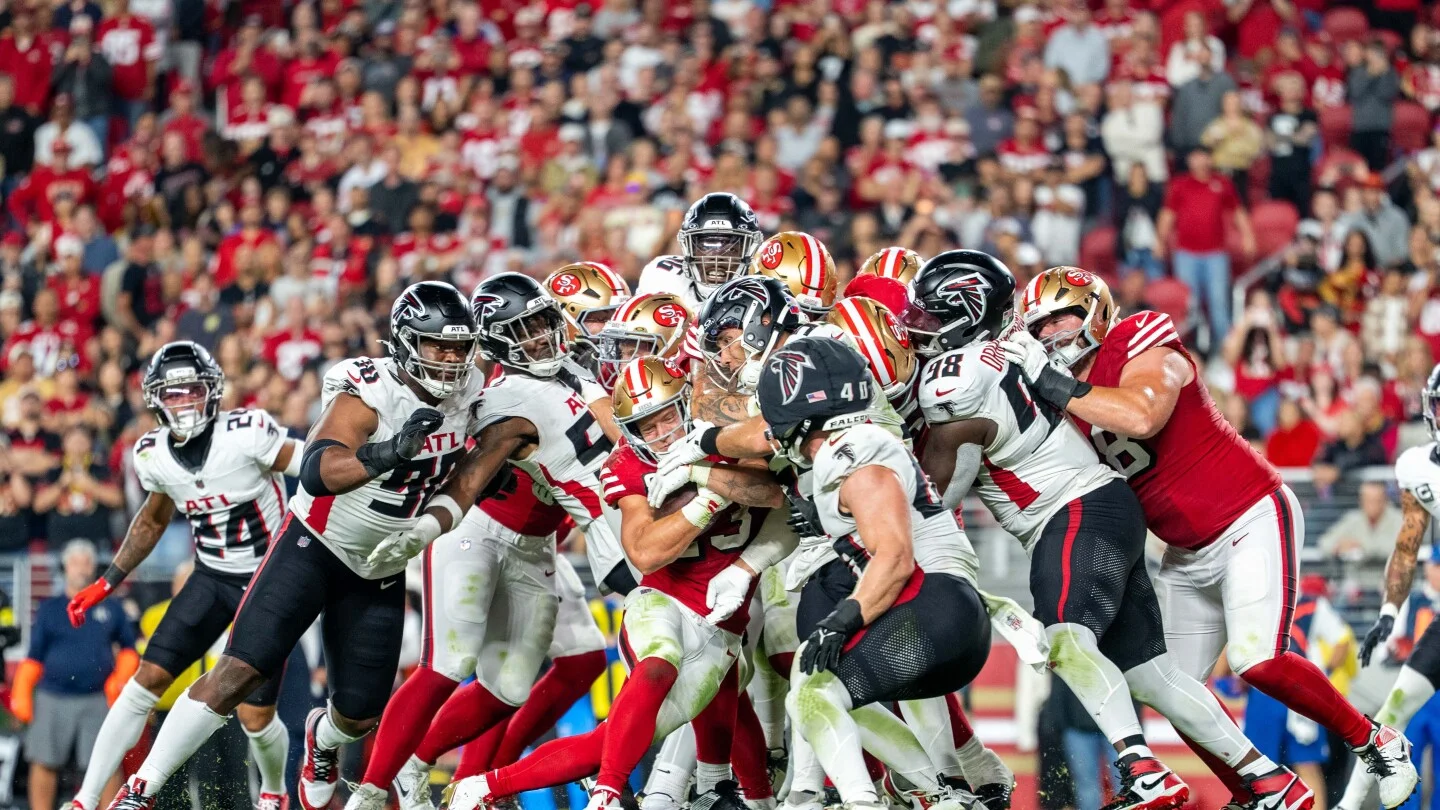
The NFL Competition Committee will not propose banning the tush push this offseason, but it is examining other ways players assist ball carriers and could emphasize related rules going forward.
Rich McKay says the 2026 NFL offseason will likely feature few rule proposals, with emphasis on refining officiating and replay, boosting transparency, and making targeted improvements rather than sweeping changes.
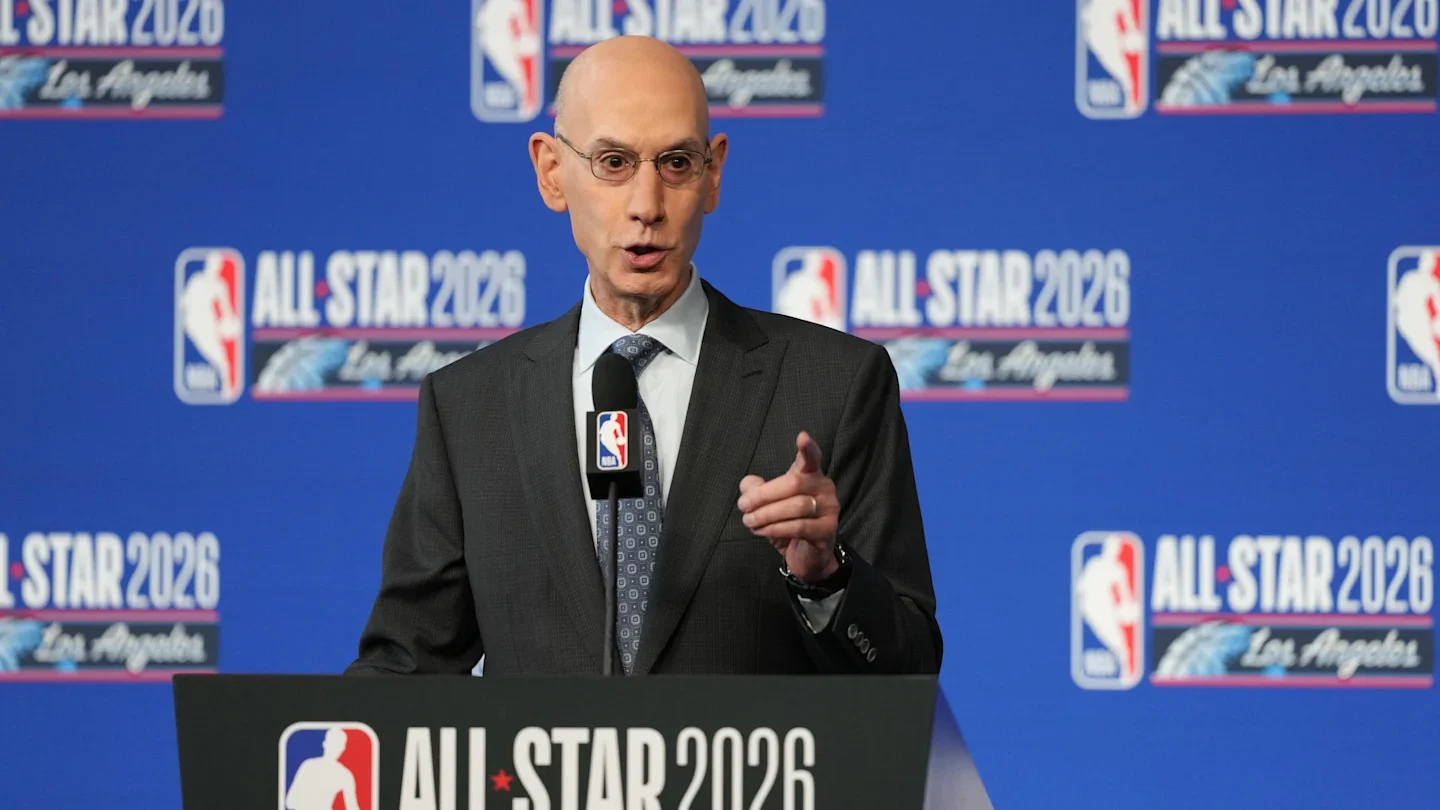
Commissioner Adam Silver told all 30 GMs that the NBA will enact anti-tanking rule changes for 2026-27, with options under consideration including first-round pick protections, prohibiting consecutive bottom-three finishes from earning top picks, barring top-four selections if a team reached the conference finals, freezing or adjusting lottery odds, flattening odds, basing them on two-year records, and expanding play-in eligibility; Krzyzewski supported the effort and urged teams to prepare for changes.
NBA commissioner Adam Silver flagged seven proposed anti-tanking changes to be in place by next season, including protecting only top-four or top-14-plus picks, freezing lottery odds at a set date, banning back-to-back top-four selections after poor seasons or conference finals, extending lottery eligibility to play-in teams, basing odds on two-year records, and flattening odds across lottery teams; the league aims to move from theory to real-world rollout, with ripple effects on incentives and tanking behavior.
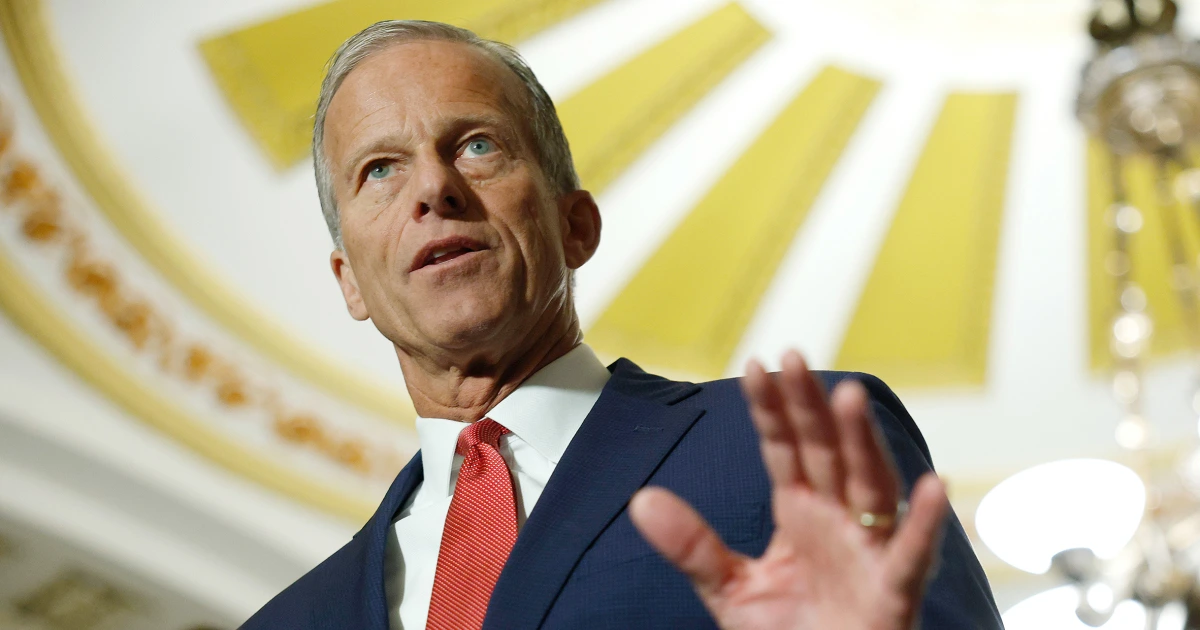
Senate Republicans have recently taken significant steps to weaken or bypass the filibuster and other Senate rules to pass their legislative priorities, despite previously claiming to defend these rules, leading to accusations of hypocrisy and concerns about the erosion of minority power in the Senate.
A recent rule change in the NFL, moving the touchback spot to the 35-yard line, led to a dramatic increase in kickoff return rates in Week 1, reaching 75.6%, the highest in 15 years, as teams adjusted their strategies to maximize returns despite previous declines caused by safety-focused rule modifications.
The NCAA is implementing new rules for the 2025 college football season to crack down on players faking injuries, including penalties and mandatory out-of-play periods, along with adjustments to overtime, video review terminology, and other gameplay regulations to improve fairness and safety.
Senate leaders failed to reach a bipartisan deal on confirming President Trump's nominees before the August recess, with Republicans considering changing Senate rules to expedite confirmations, while Democrats oppose such moves, citing long-term consequences.
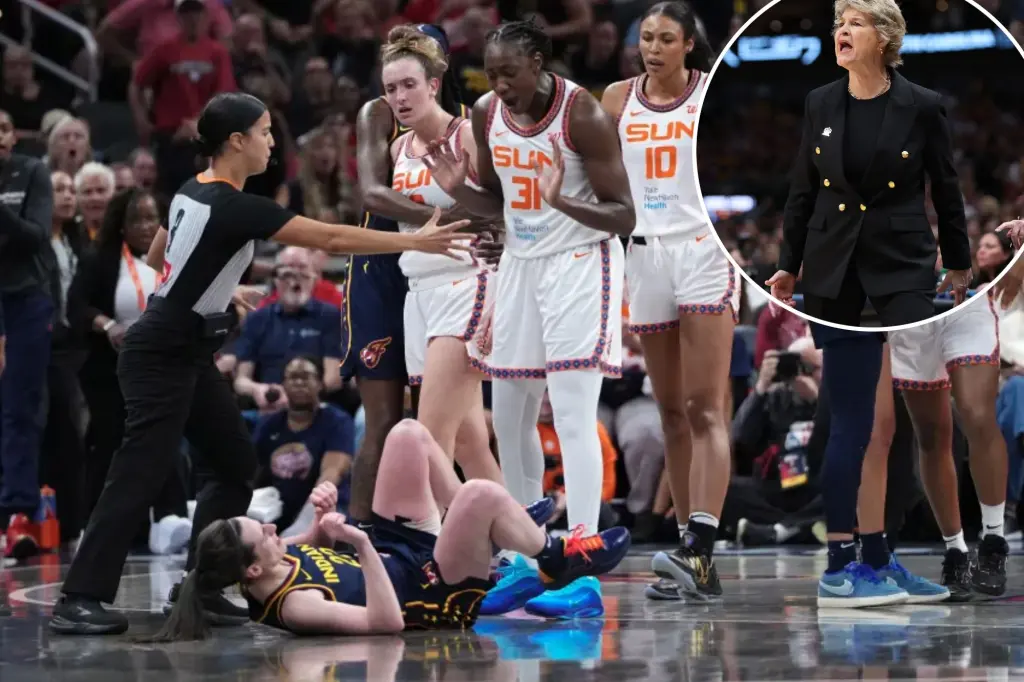
Former Iowa coach Lisa Bluder suggests that for the WNBA to address the physicality and altercations like the one involving Caitlin Clark, officials should call more fouls to allow players to adjust and reduce physical play, which she believes would improve game control and safety.
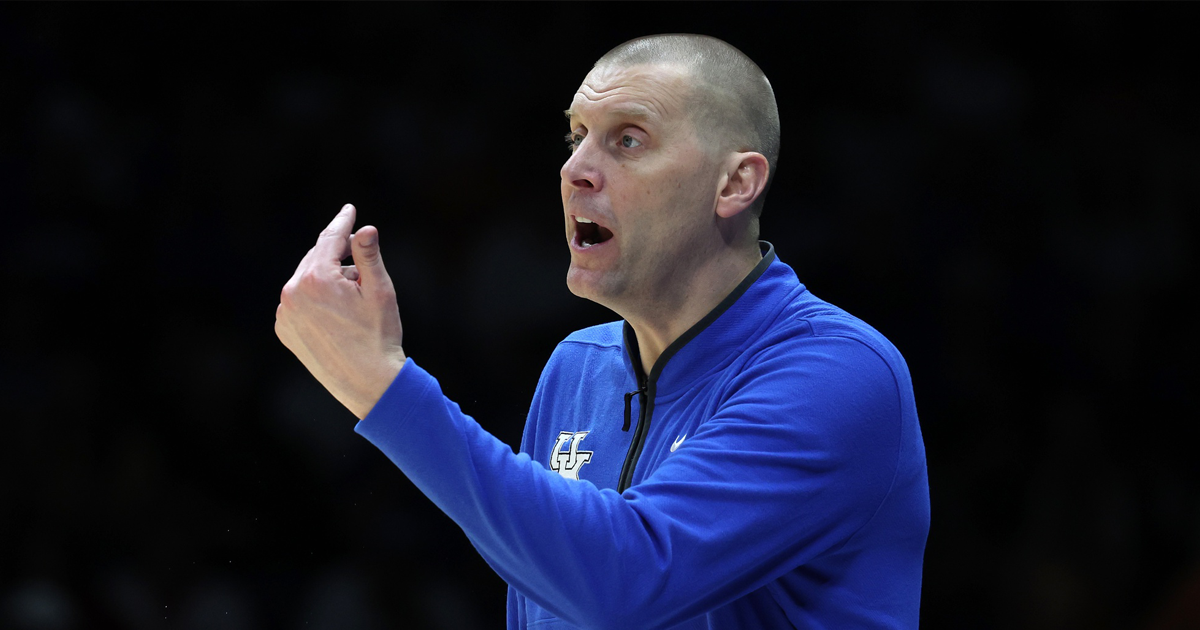
The NCAA has approved major rule changes for the 2025-26 men's college basketball season, including the introduction of coach's challenges at any point in the game and modifications to the continuation rule, aligning college rules more closely with the NBA to enhance game flow.
The NCAA is implementing major rule changes for the upcoming basketball season, including allowing coaches to challenge certain calls in both men's and women's games to improve game flow. Men's coaches can challenge out-of-bounds, basket interference, and restricted-area defender calls, while women's coaches can challenge out-of-bounds, backcourt, possession, and foul calls, with different penalty rules. Additional changes include new officiating emphasis on delay tactics, physicality, and fouls to the groin, as well as discussions about moving to quarters in men's basketball.
The NCAA has approved major rule changes for men's college basketball starting in the 2025-26 season, including coach's challenges for out-of-bounds and goaltending calls, modifications to continuous motion rules, and new emphasis on game efficiency and physicality, aiming to improve game flow and fairness.
The NCAA Men's Basketball Rules Committee approved several rule changes for the 2025-26 season to improve game flow, including a coach's challenge for certain calls, modifications to continuous motion rules, and new fouling and interference rules, along with discussions on moving from halves to quarters.
The proposed 'golden at-bat' rule in MLB would allow a team to send its best hitter to bat once per game, regardless of the batting order, potentially adding strategic depth to the game. While initially controversial, similar to past rule changes like the pitch clock and defensive shifts, it could enhance fan engagement if tested in the minors first. MLB has seen increased attendance, partly due to recent rule changes, suggesting fans may adapt to this new concept as well.
The article discusses the controversial proposal of a 'golden at-bat' rule in Major League Baseball, which would allow a team to send any player to bat at any time, once per game. While some see it as a publicity stunt, the idea has sparked debate about the direction of MLB under Commissioner Rob Manfred. The article argues that MLB should focus on more pressing issues, such as relocating teams like the Oakland A's and Tampa Bay Rays, addressing media rights, and solving the problem of pitcher injuries and rising strikeouts.