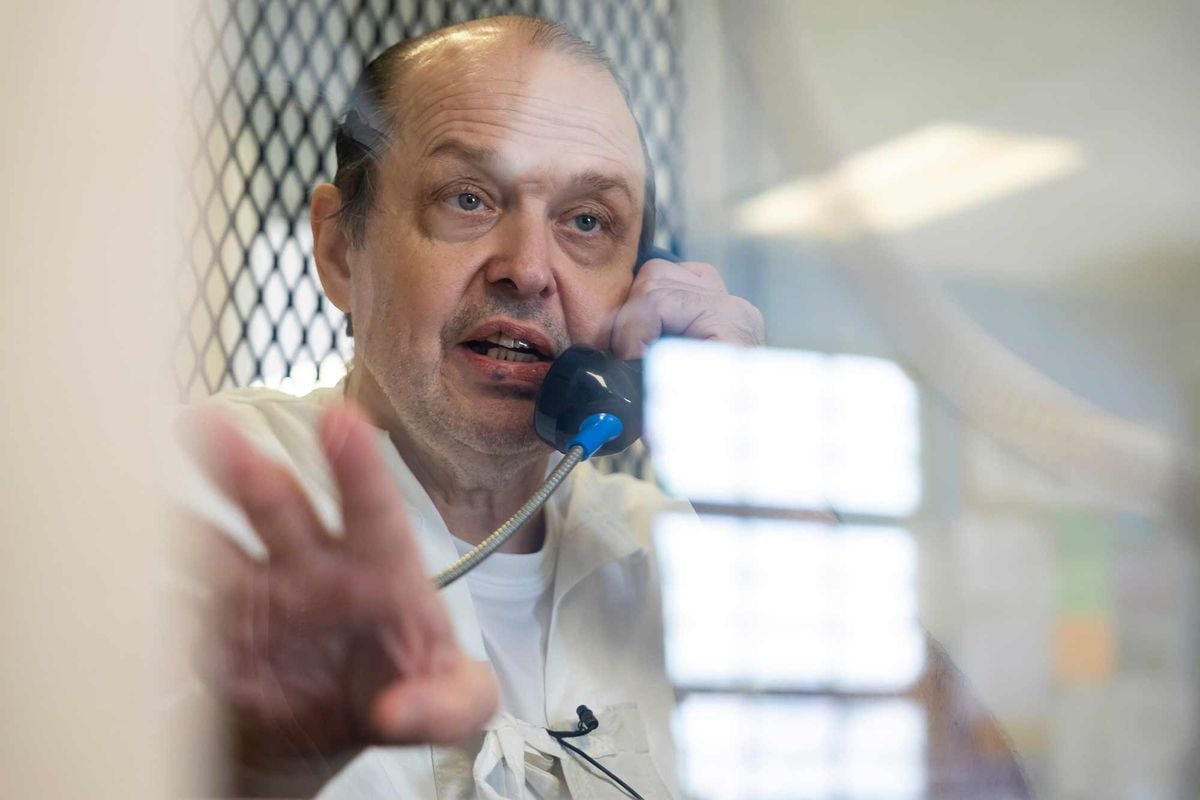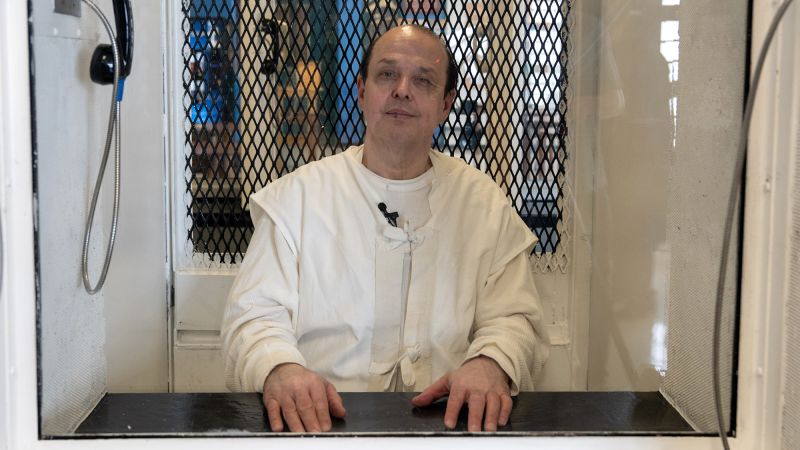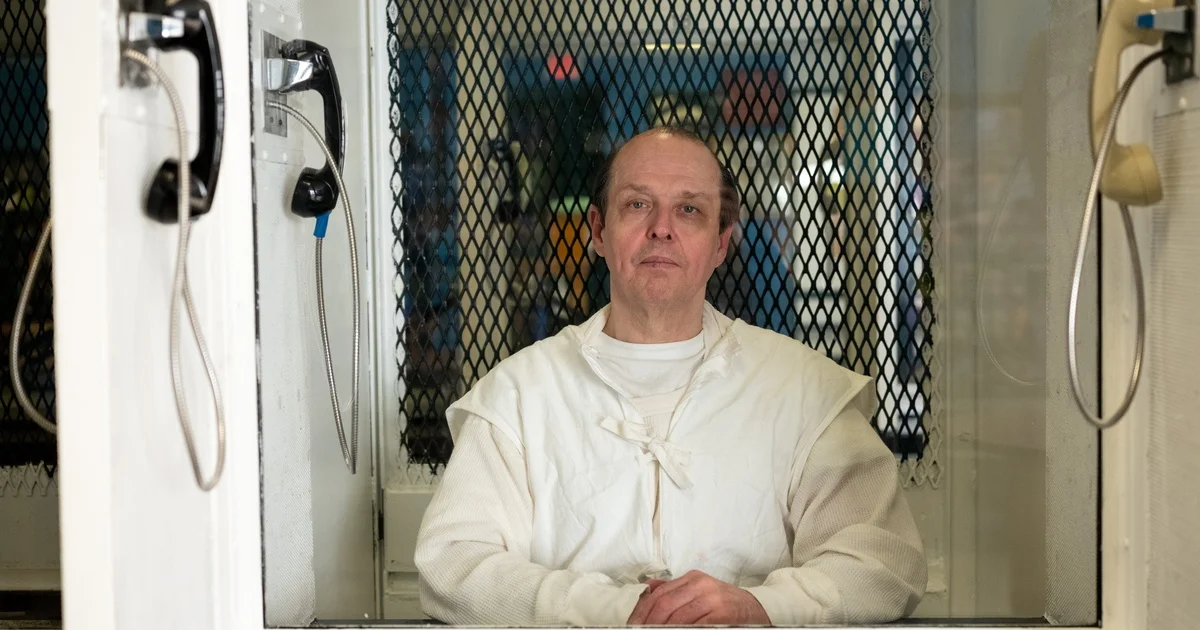
A Texas court has paused the execution of Robert Roberson, who was convicted of killing his daughter under shaken baby syndrome, citing evolving scientific standards and a recent overturned case, potentially leading to a new trial and raising questions about the validity of diagnoses used in similar cases.
A Texas court has temporarily halted the execution of Robert Roberson, who was convicted of killing his daughter in a shaken baby syndrome case, due to new scientific evidence suggesting the original diagnosis was based on outdated medical theories. Roberson maintains his daughter died from medical issues and medication side effects, not abuse, and the court's decision reflects ongoing debates over the scientific basis of his conviction.
Texas has halted the execution of Robert Roberson, convicted of killing his daughter, amid doubts about the scientific evidence used in his case, including the validity of shaken baby syndrome diagnosis, his autism diagnosis, and potential judicial bias, highlighting issues in the use of the death penalty in the US.
The Texas Court of Criminal Appeals has halted the execution of Robert Roberson, a death row inmate claiming innocence in his daughter's murder, and has remanded his case to the trial court for further review based on new evidence and legal considerations.,
The Texas Court of Criminal Appeals has halted the execution of Robert Roberson, who was convicted of murdering his daughter in 2003, and has sent his case back for a new trial due to evolving scientific understanding of shaken baby syndrome, under Texas' 2013 law allowing new trials when scientific evidence is debunked.
Robert Roberson, scheduled for execution in Texas for the alleged shaking death of his daughter, faces a halt as new evidence and scientific doubts challenge his conviction, highlighting concerns over the use of disputed shaken baby syndrome diagnosis in criminal justice.