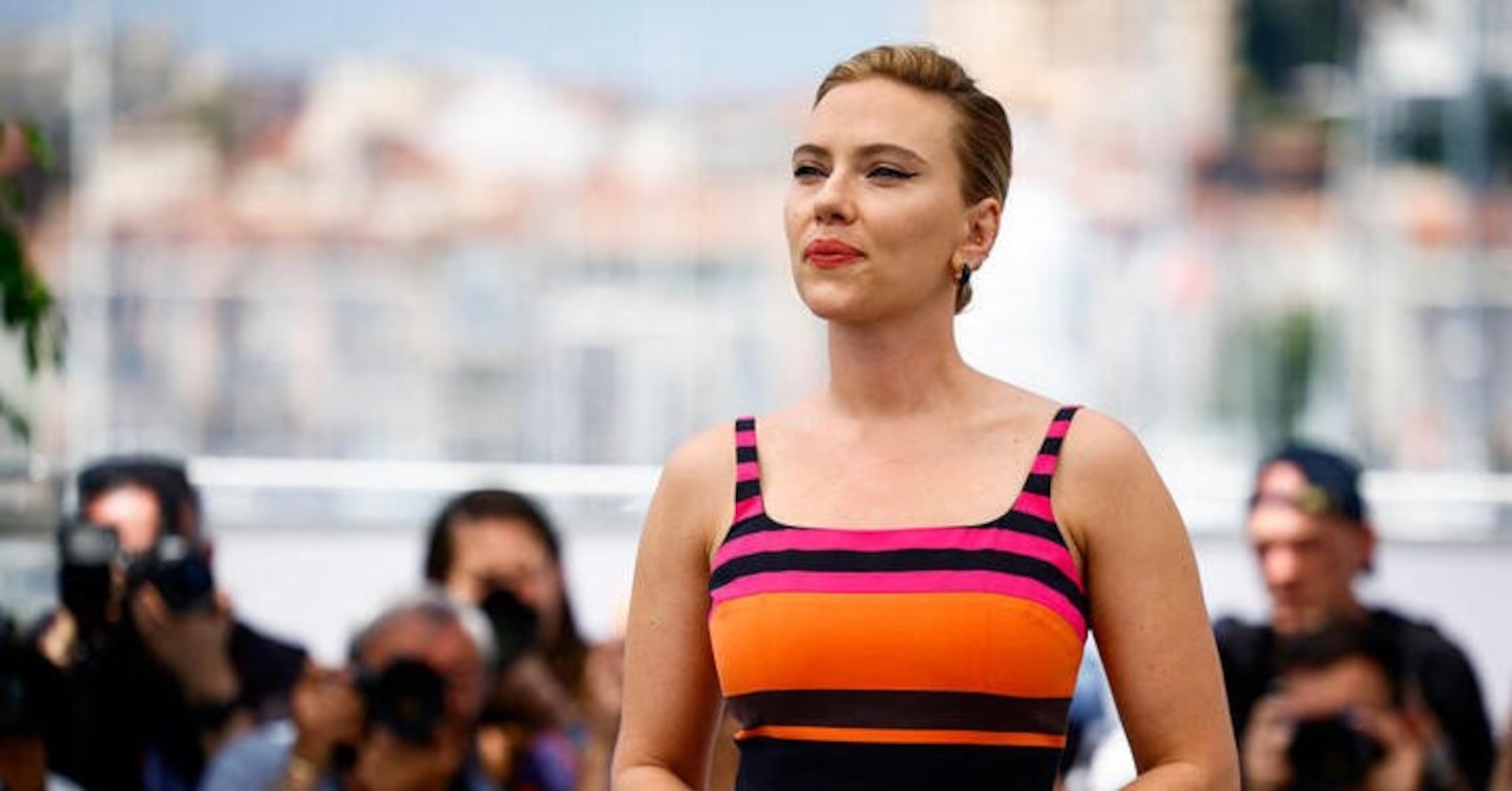
Scarlett Johansson has accused OpenAI of using a voice eerily similar to her performance in the film "Her" without her consent, sparking a backlash in Hollywood against AI technologies. This dispute highlights ongoing concerns about AI's use of copyrighted material and the right of publicity, with industry executives wary of potential collaborations with tech companies like OpenAI. The controversy underscores the need for clearer legal protections for voice and likeness in the age of AI.
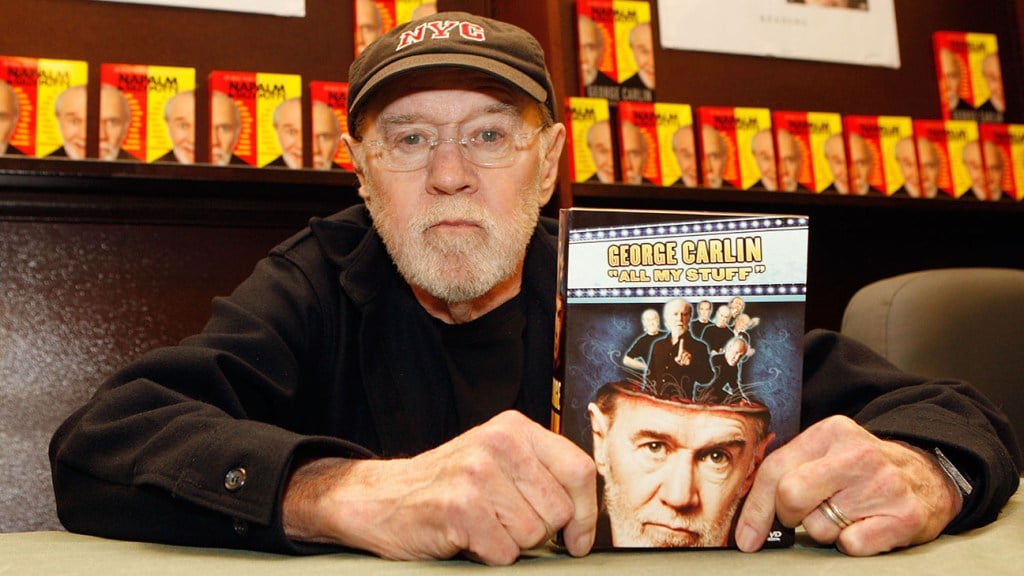
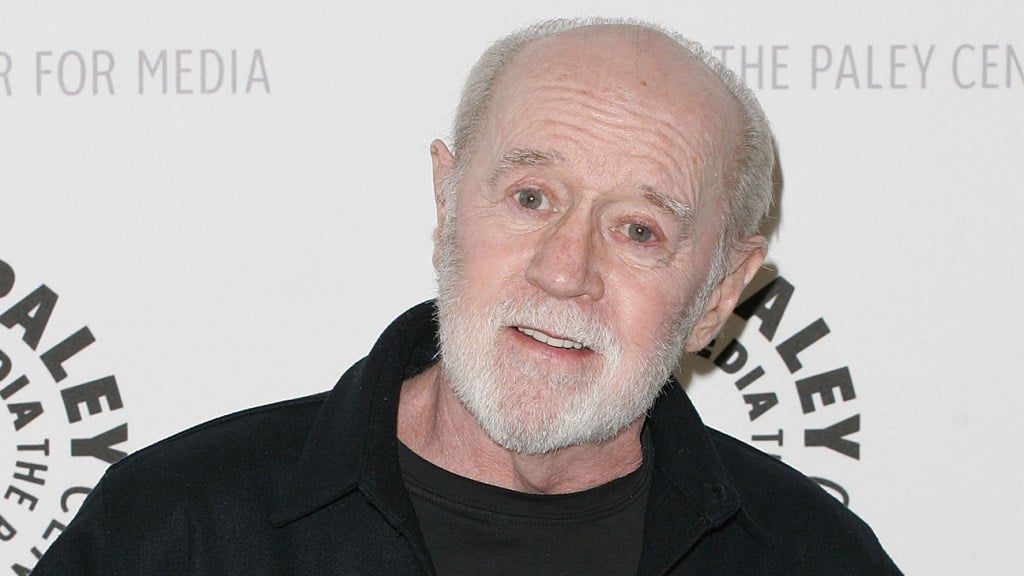
The estate of George Carlin has settled a lawsuit with podcasters who used AI to impersonate the late comedian's voice and style for an unauthorized special. The settlement marks the first resolution to a lawsuit over the misappropriation of a celebrity's voice using AI tools and comes amid growing concerns in Hollywood over the exploitation of personal brands without consent. The settlement includes an injunction barring further use of the video and serves as a blueprint for resolving similar disputes in the future. The legal battle stemmed from an hourlong special released on the podcast's YouTube channel, where an AI-generated George Carlin narrated commentary over images created by AI. The settlement comes as lawmakers are introducing legislation to prohibit the publication and distribution of unauthorized digital replicas, including deepfakes and voice clones.
George Carlin's estate is suing the creators of an AI-generated comedy special that mimics the deceased comedian's voice and humor without consent or compensation. The lawsuit seeks to remove the special and claims violations of right of publicity laws. This legal battle highlights concerns over the unauthorized use of AI to impersonate people and comes amid legislative efforts to prohibit the distribution of unauthorized digital replicas, including deepfakes and voice clones.