A hobbyist has built an FPGA-based system that emulates a 486 PC, capable of running vintage OS and games like Linux 2.2.6, MS-DOS, DOOM, and Wolfenstein 3D, using a Xilinx Spartan II FPGA and a vintage i486 CPU, showcasing a remarkable DIY retrocomputing project.
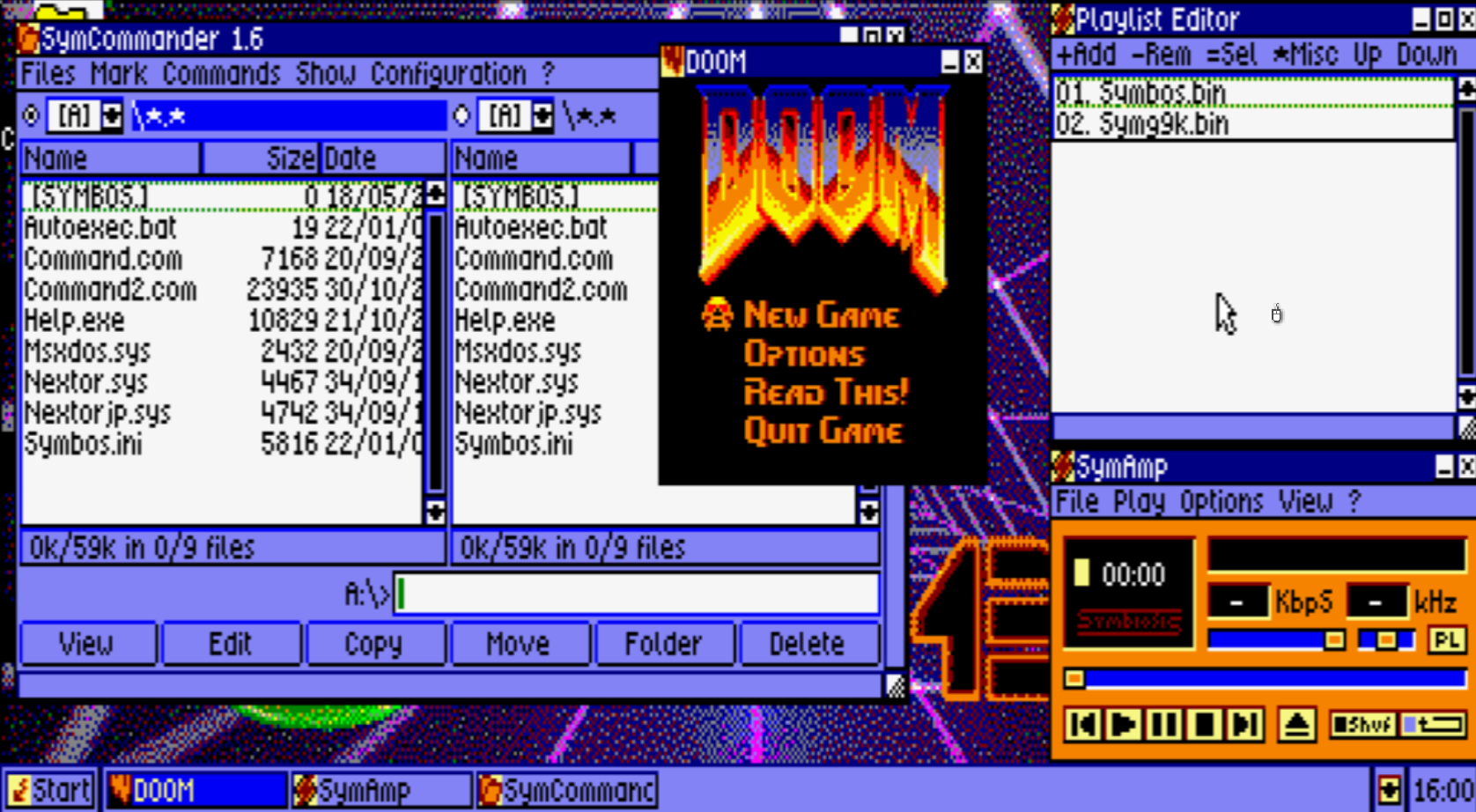
SymbOS is a modern multitasking operating system for Z80-based computers like MSX2, offering features reminiscent of Windows 95, including a file explorer, multitasking, and the ability to run classic software and even play Doom, all within an emulated or real hardware environment, showcasing a nostalgic yet innovative take on vintage computing.
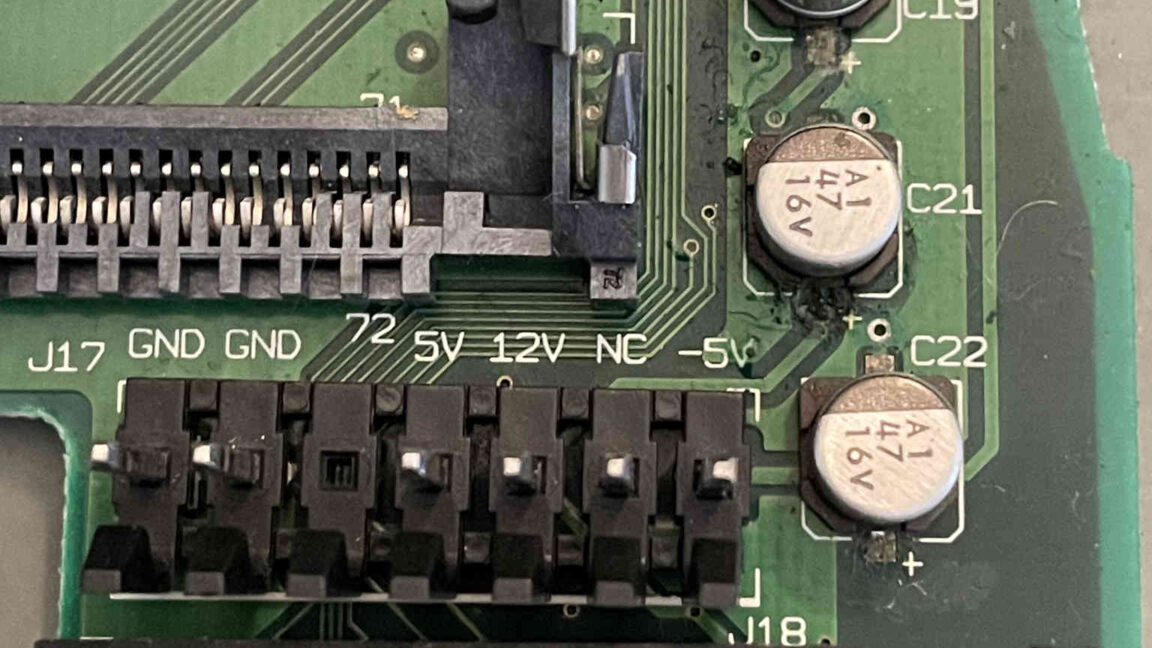
Hobbyists have discovered that a capacitor in the mid-90s Macintosh LC III was installed incorrectly, likely due to a design oversight by Apple. This issue went largely unnoticed because the capacitor's function was limited and it was initially rated to handle the voltage. Hobbyists like Brown are now warning others to install the capacitor correctly during repairs to avoid damage. Modern restorers often use tantalum capacitors, which are more sensitive to incorrect voltage. A reverse-engineered schematic is available for those needing to replace damaged boards.
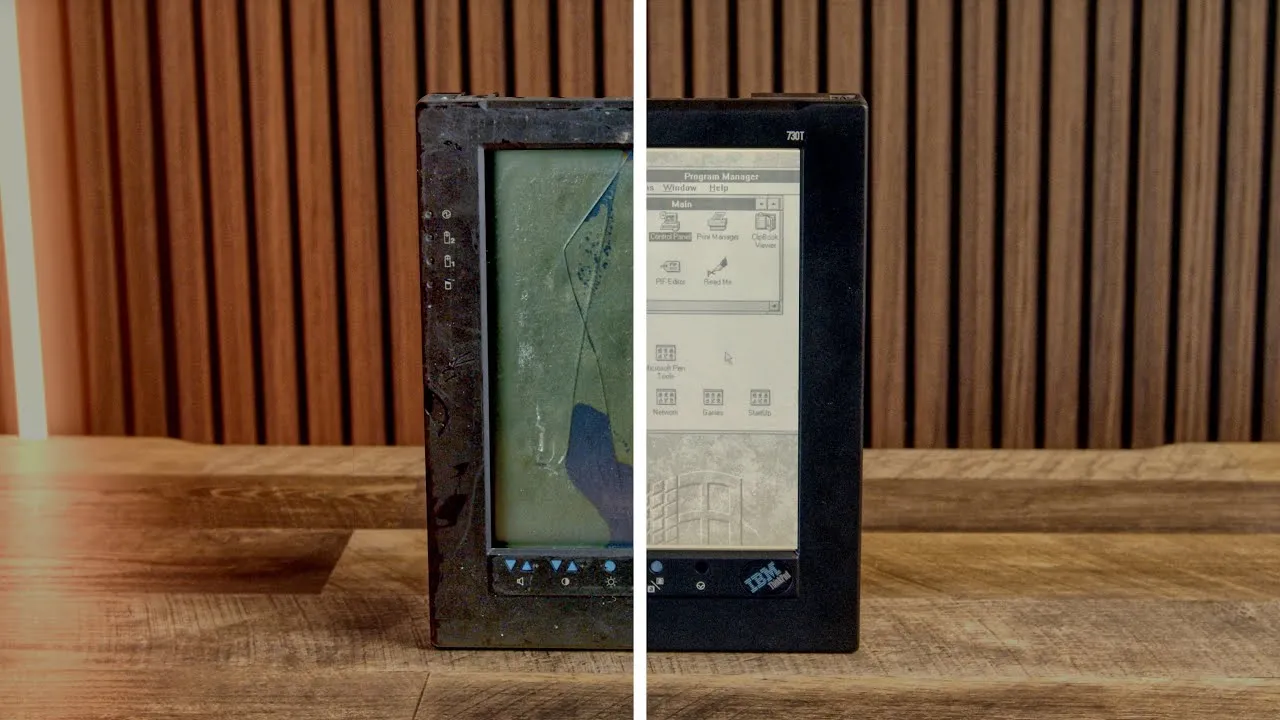
A retrocomputing enthusiast, [polymatt], successfully restored a severely damaged 1993 IBM ThinkPad Tablet. Despite its cracked LCD screen and battered case, [polymatt] managed to find a compatible replacement screen and undertook extensive repairs, including recapping, recabling, and fixing the batteries. This restoration highlights the value and challenge of reviving rare vintage technology.
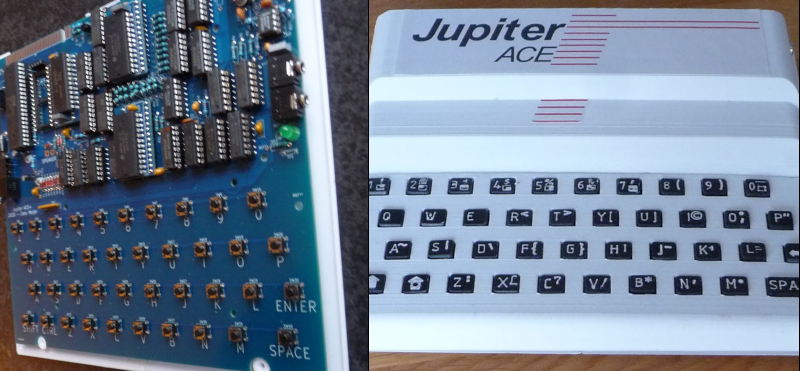
Enthusiasts Cees Meijer and Scott Baker have recreated the rare 1982 Jupiter ACE computer, which was notable for running Forth instead of more popular languages of the time. The original ACE, resembling the Sinclair ZX81 and developed by former Sinclair employees, suffered from production issues and sold poorly. Meijer's replica, based on Grant Searle's design with some modifications, features a 3D printed keyboard that mimics the original's aesthetic. This project highlights the continued interest in vintage computing and the DIY spirit within the retro tech community.
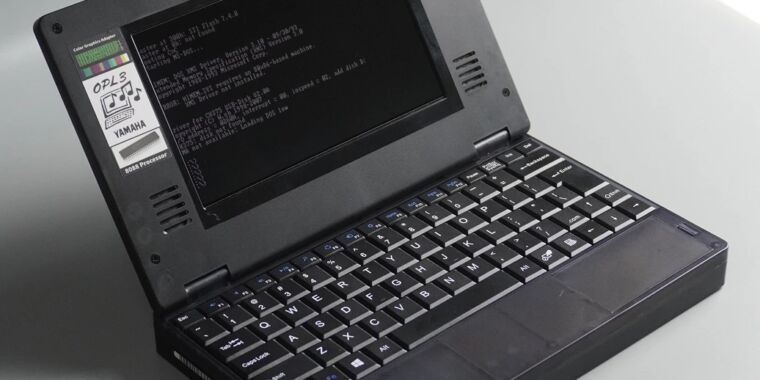
The "Book 8088" laptop, available on AliExpress, combines modern components with an Intel 8088 processor and 640KB of memory to recreate the experience of using an original IBM PC from 1981. The laptop features a 640x200 16-color LCD screen and built-in interfaces that allow USB accessories and CompactFlash cards to interface with the ancient components. The slow speed and low memory limit make it best suited to MS-DOS, with its text-based interface and general lack of multitasking support. The laptop is made by Hong Kong-based manufacturer Xinrui Technology and is sold out in most versions.
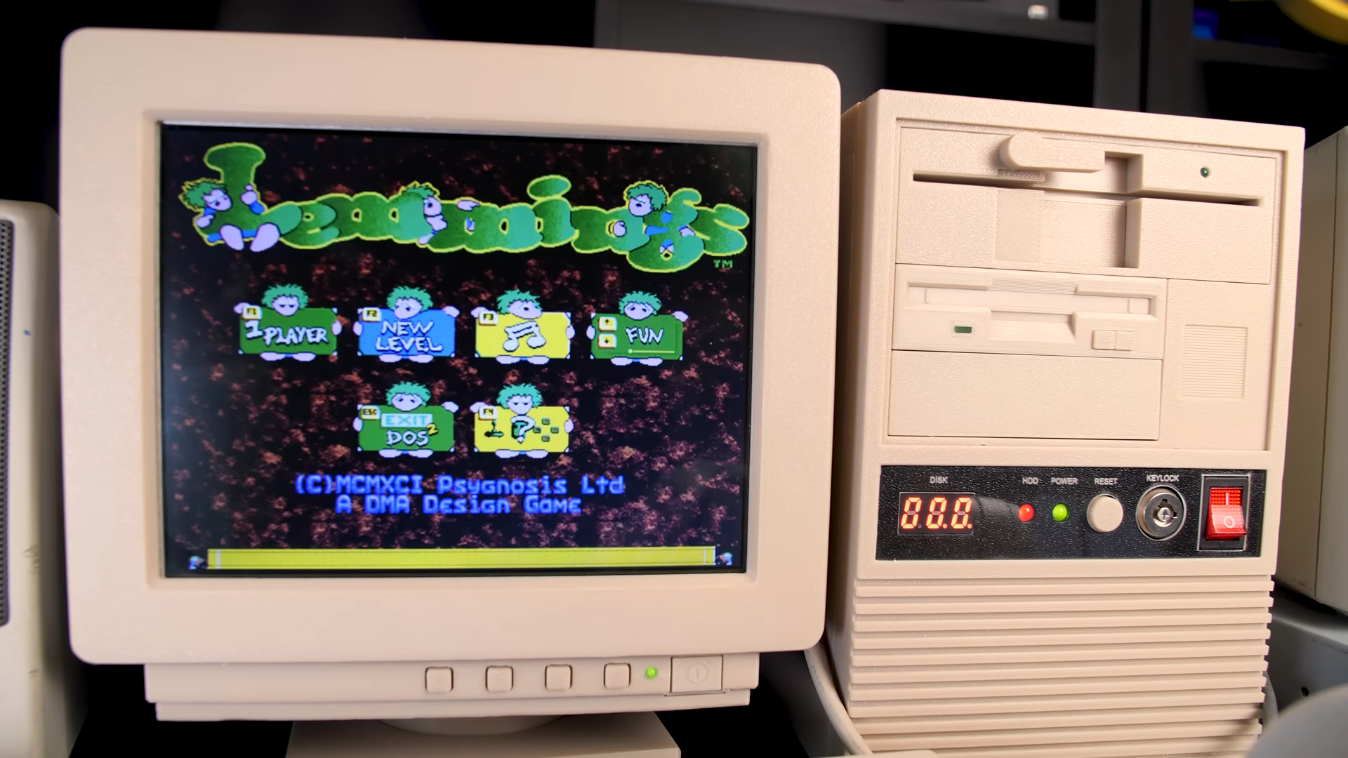
The Eric Experiment has designed and built a 3D-printed mini PC that runs on an actual 486 processor, making it a practical solution for vintage PC gaming enthusiasts who want to run classic software on era-appropriate hardware. The mini PC is built on an old industrial PC board, with an SD-card-to-IDE converter and a Gotek floppy emulator. The enclosures for the PC and its accompanying monitor are modelled off real-world examples and are accurate down to the smallest details. The tiny 486 can run DOS or Windows 95, making it perfect for most DOS games.
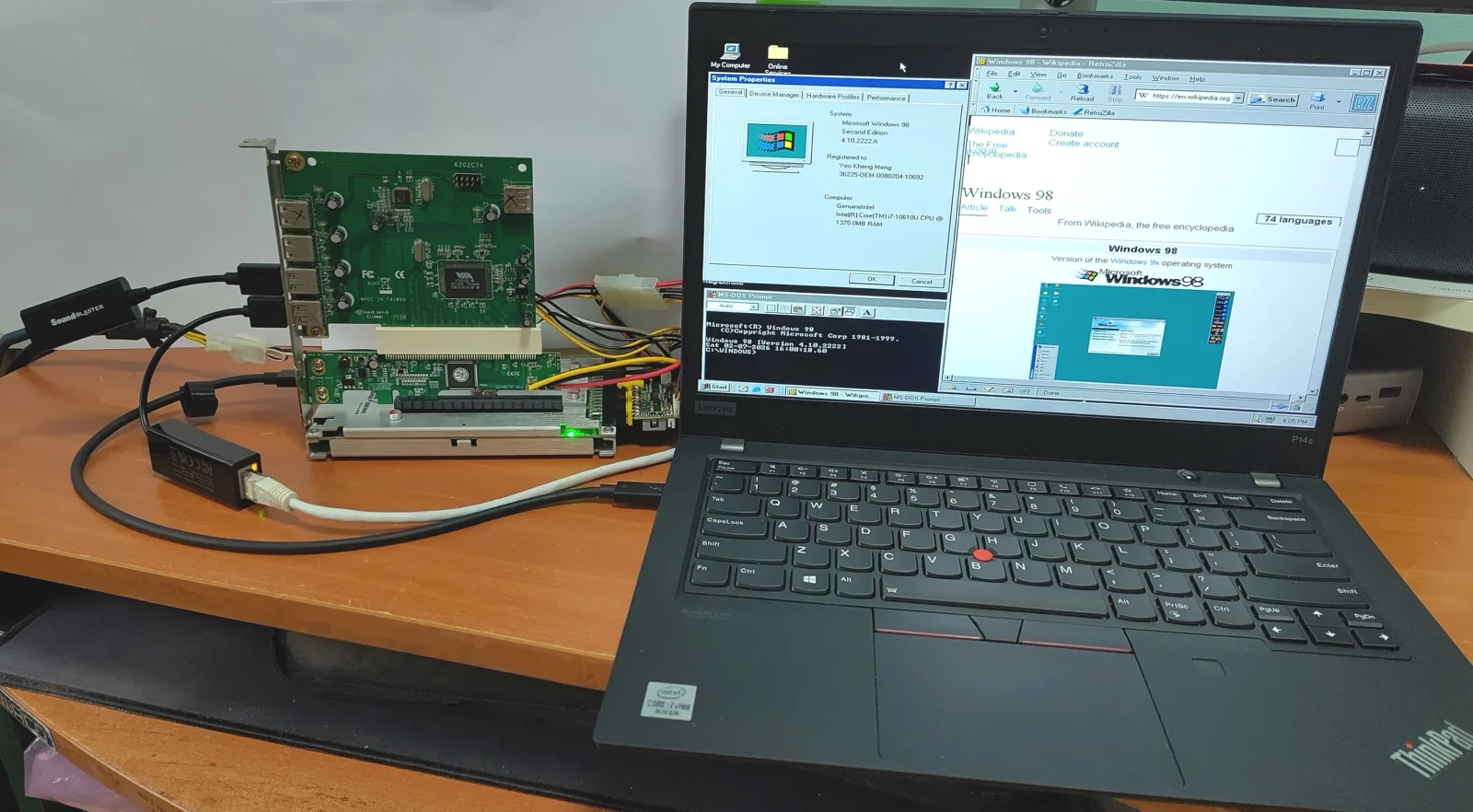
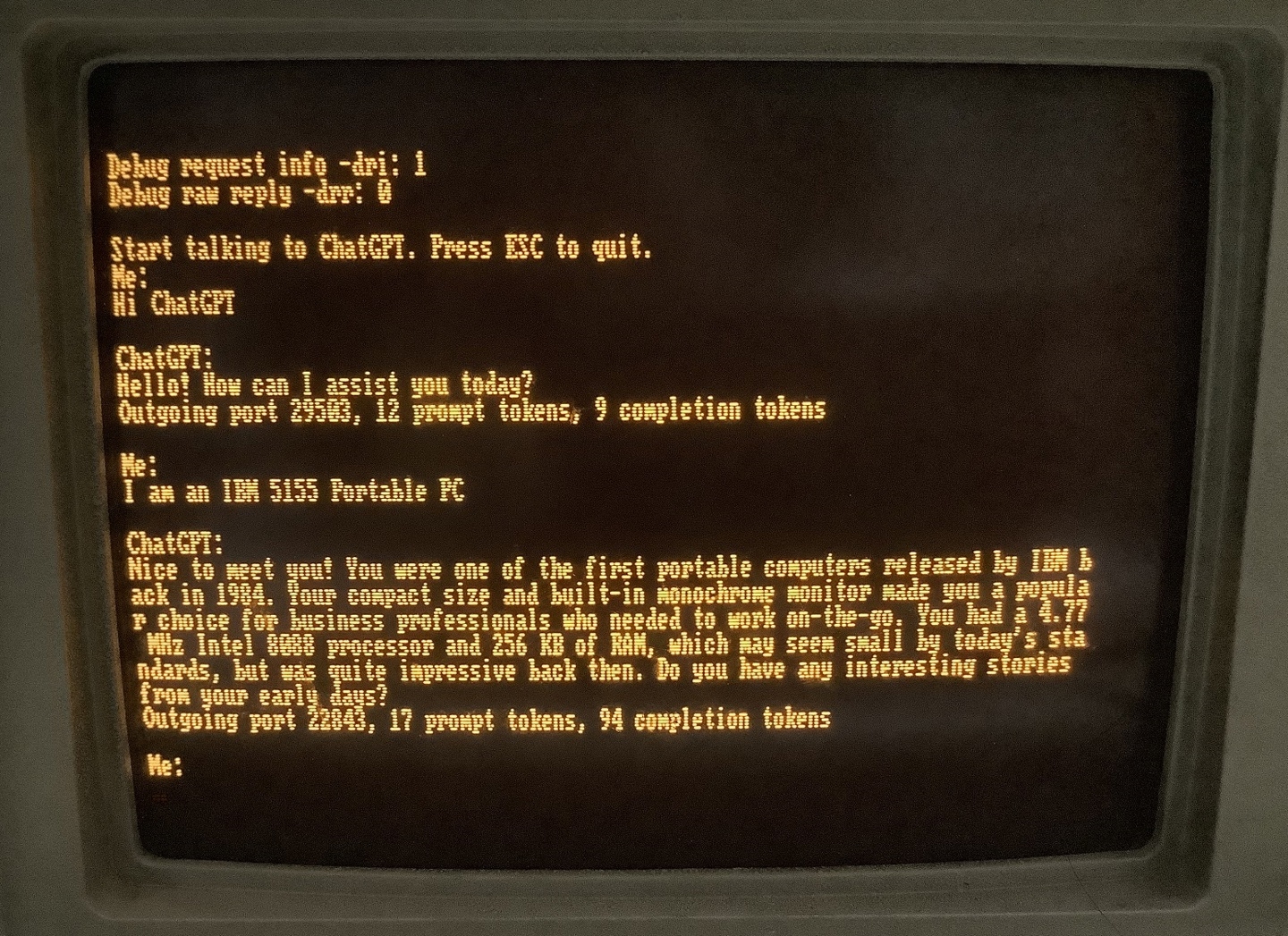
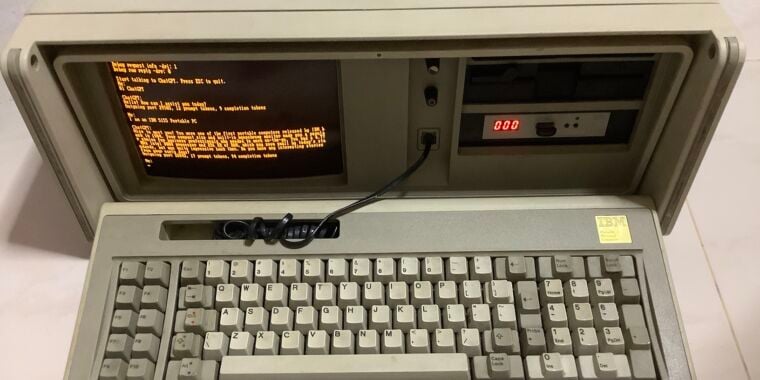
A developer and retrocomputing enthusiast, Yeo Kheng Meng, has created a ChatGPT client that runs on MS-DOS, using an IBM 5155 Portable PC from 1984. He utilized the Open Watcom C/C++ compiler and the MTCP library to overcome the lack of network functions within DOS. The system runs similarly to ChatGPT, including learning from its mistakes, making it the oldest system currently running an AI-based generative pre-trained transformer.
Retrocomputing enthusiast Yeo Kheng Meng has developed a ChatGPT client for MS-DOS that can run on a 4.77 MHz IBM PC from 1981, allowing users to converse with the popular OpenAI language model. Yeo used Open Watcom C/C++ to create the client, which posed a challenge due to MS-DOS's lack of native networking abilities. He also had to create an HTTP-to-HTTPS proxy to enable encrypted HTTPS connections required by ChatGPT APIs. Yeo released his code on GitHub for others to run or improve.