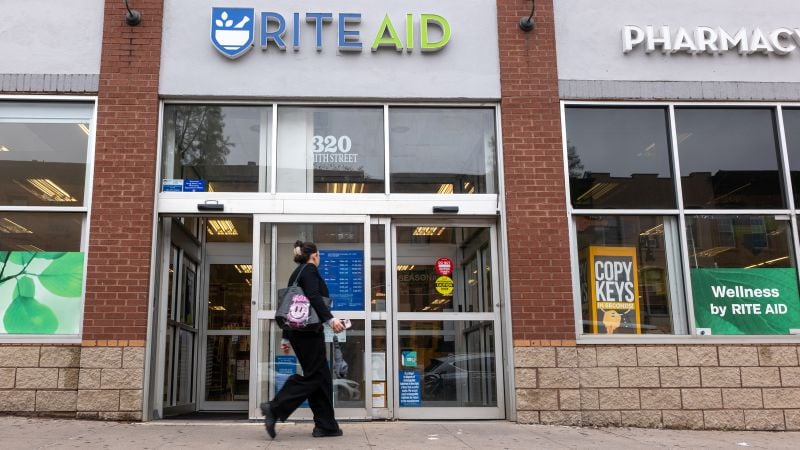
Rite Aid, once a major pharmacy chain in the US, has closed all its remaining 89 stores after filing for bankruptcy twice in less than two years, due to competition, debt, and legal issues, marking the end of its 63-year history.
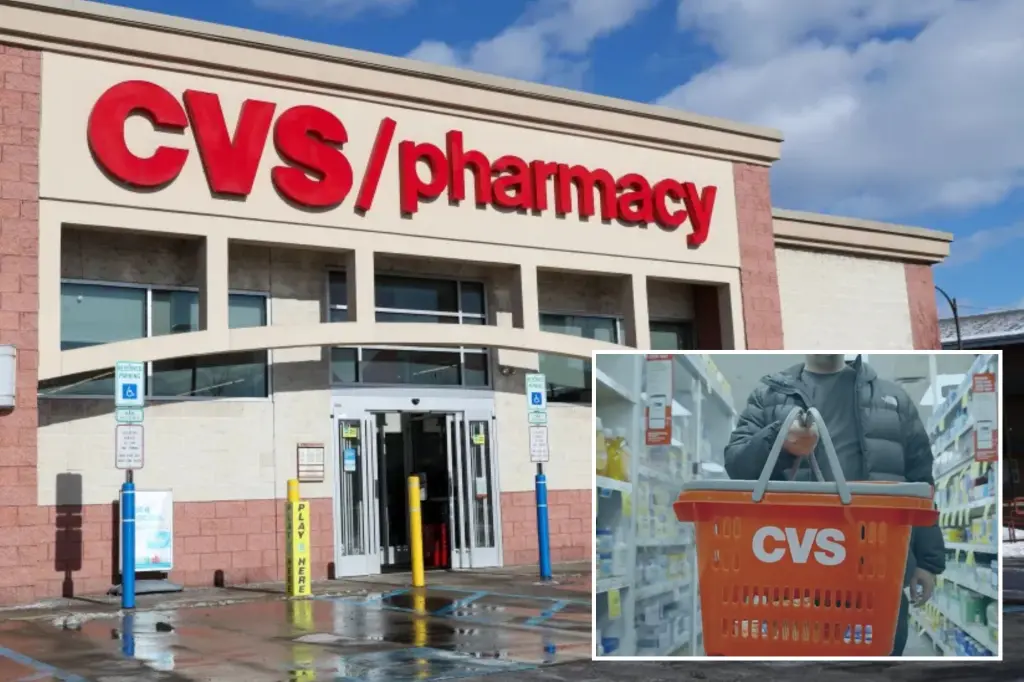
CVS is closing five stores in New York as part of a nationwide plan to shut down 271 locations in 2025, aiming to streamline operations and save over $500 million annually, while also opening new stores inside Target and investing in new care models amidst industry-wide downsizing by major pharmacy chains like Walgreens and Rite Aid.
Walgreens Boots Alliance shares rose on Friday after reports that Sycamore Partners is seeking funding for a potential $10 billion acquisition to take the company private. Sycamore is in talks with major banks to finance the deal, which may involve selling Boots and VillageMD. Walgreens has previously rejected acquisition offers from firms like Apollo Global Management and KKR.
Walgreens CEO Tim Wentworth is leading a shift towards a more clinically oriented brand, aiming to achieve provider status for pharmacists and focusing on a return to the basics to address challenges such as weak demand for consumer items and a nationwide shortage of pharmacists. The company is seeking to replicate a UK program that allows pharmacists to diagnose and prescribe medication for common health conditions, and is lobbying Congress for Medicare Part B reimbursement for pharmacists providing tests, vaccines, and treatments. Wentworth envisions a more community-based pharmacy setting and empowering store managers to drive growth, while emphasizing the importance of pharmacists operating at the top of their clinical ability.
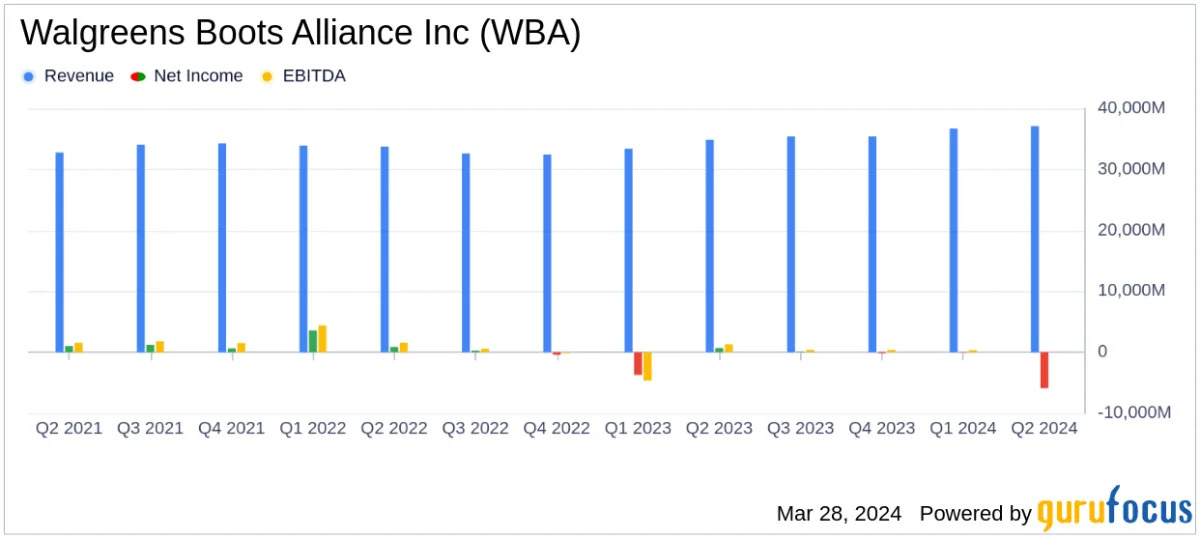
Walgreens Boots Alliance Inc reported a 6.3% increase in Q2 sales to $37.1 billion, but also a net loss of $5.9 billion due to non-cash impairment charges related to VillageMD goodwill. Despite the loss, the adjusted EPS of $1.20 exceeded estimates, and the U.S. Healthcare segment achieved positive adjusted EBITDA for the first time. The company faces challenges in the retail environment but is focusing on cost-saving initiatives and strategic shifts towards healthcare services for potential growth.
The International Association of Machinists and Aerospace Workers (IAM) is launching a campaign to unionize retail pharmacy workers in response to complaints of overwork and understaffing, which could compromise patient safety. The Pharmacy Guild, backed by IAM and pharmacy labor activists, aims to address issues at CVS and Walgreens pharmacies, as well as other retail pharmacies across the US. The campaign seeks to establish staffing and workload standards, representation and collective bargaining rights, and legislative and regulatory action to protect patients and improve professional practice. The initiative follows a series of walkouts by pharmacy workers protesting labor conditions, and organizers hope to gather support from 100,000 retail pharmacy workers.
Pharmacy staff from Walgreens and other drugstore chains are planning a walkout next week to protest unsafe working conditions, including understaffing, insufficient pay, and increasing work expectations. The walkout, dubbed "Pharmageddon," is expected to affect hundreds of stores across different chains. Organizers are also considering a push for unionization of pharmacy staff. The demonstrations come after previous walkouts in Walgreens and CVS stores. Pharmacy employees have complained about unreasonable performance demands, which can lead to errors and put patients at risk. They hope the walkout will raise awareness about their working conditions and lead to improvements.
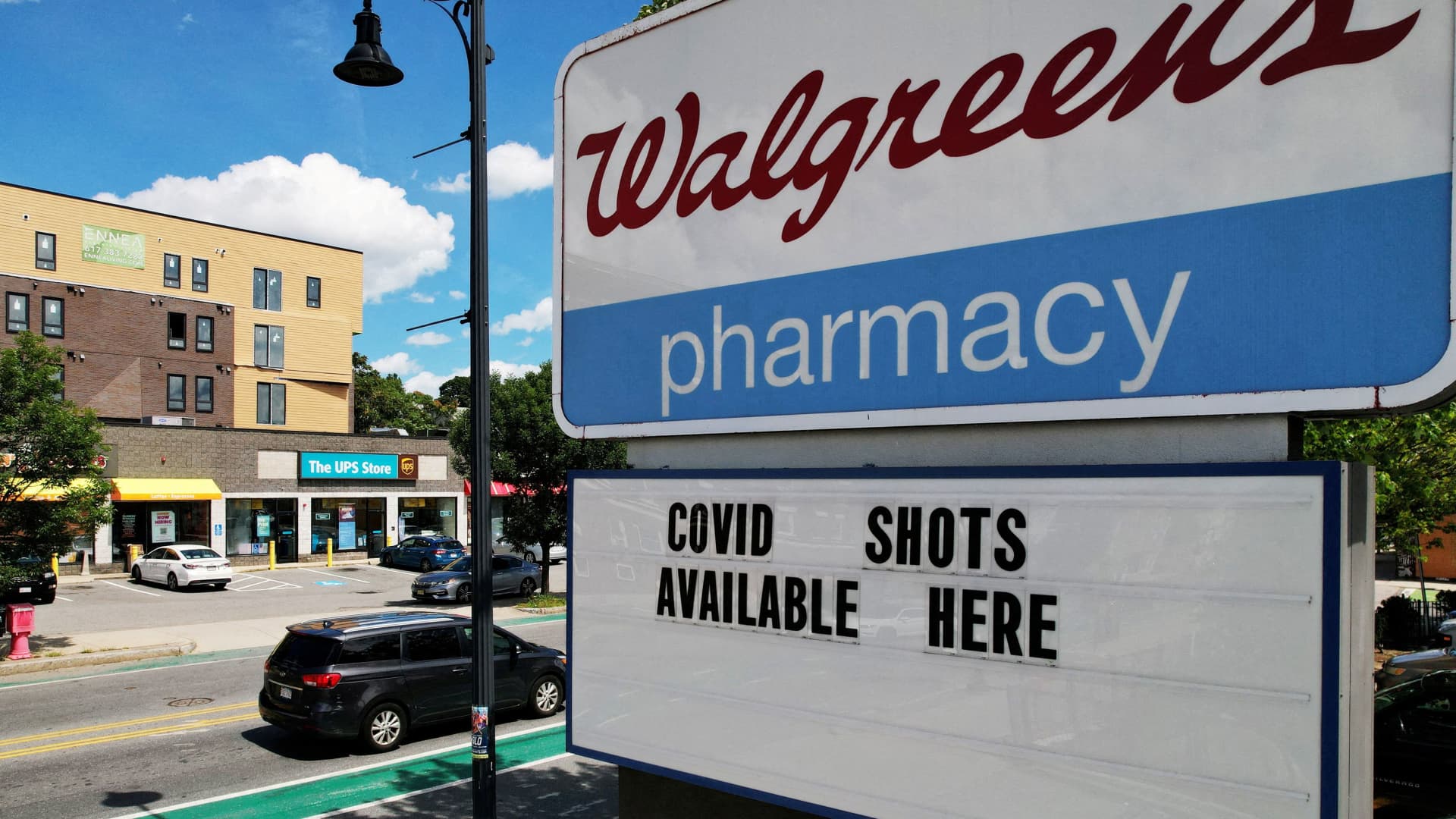
Walgreens reported fiscal fourth quarter earnings that fell short of expectations, citing declining demand for Covid vaccines and tests in the US. The company offered soft profit guidance for the coming fiscal year, expecting adjusted earnings per share of $3.20 to $3.50, lower than analysts' estimate of $3.72. Walgreens has faced challenges in its transition from a drugstore chain to a healthcare company, including labor pressure from pharmacy staff and softer consumer spending. The company's quarterly results come after the appointment of a new CEO and a three-day walkout by pharmacists and pharmacy technicians protesting poor working conditions. Walgreens' US retail pharmacy and international business segments saw sales growth, while its US healthcare segment reported increased revenue. However, retail sales decreased, and total prescriptions filled declined due to a weaker respiratory virus season. Walgreens' shares have dropped over 39% this year.