Many people are using religious chatbots in apps to confess, seek guidance, and even feel connected to God, highlighting a modern intersection of faith and technology where bots serve as spiritual counselors and channels for divine messages.
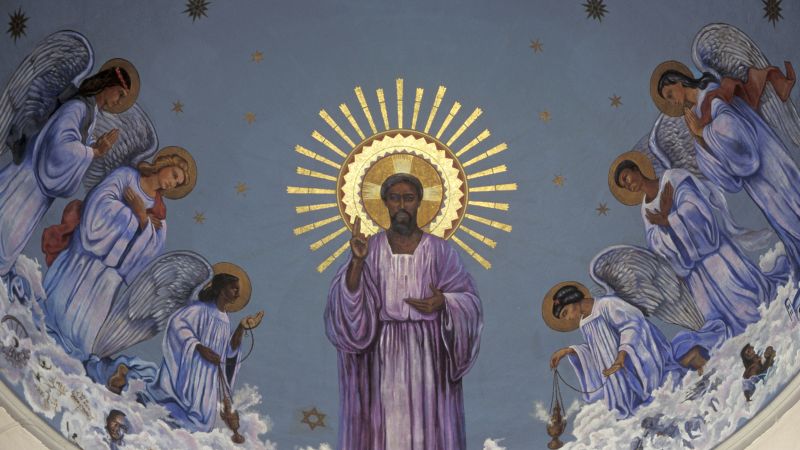
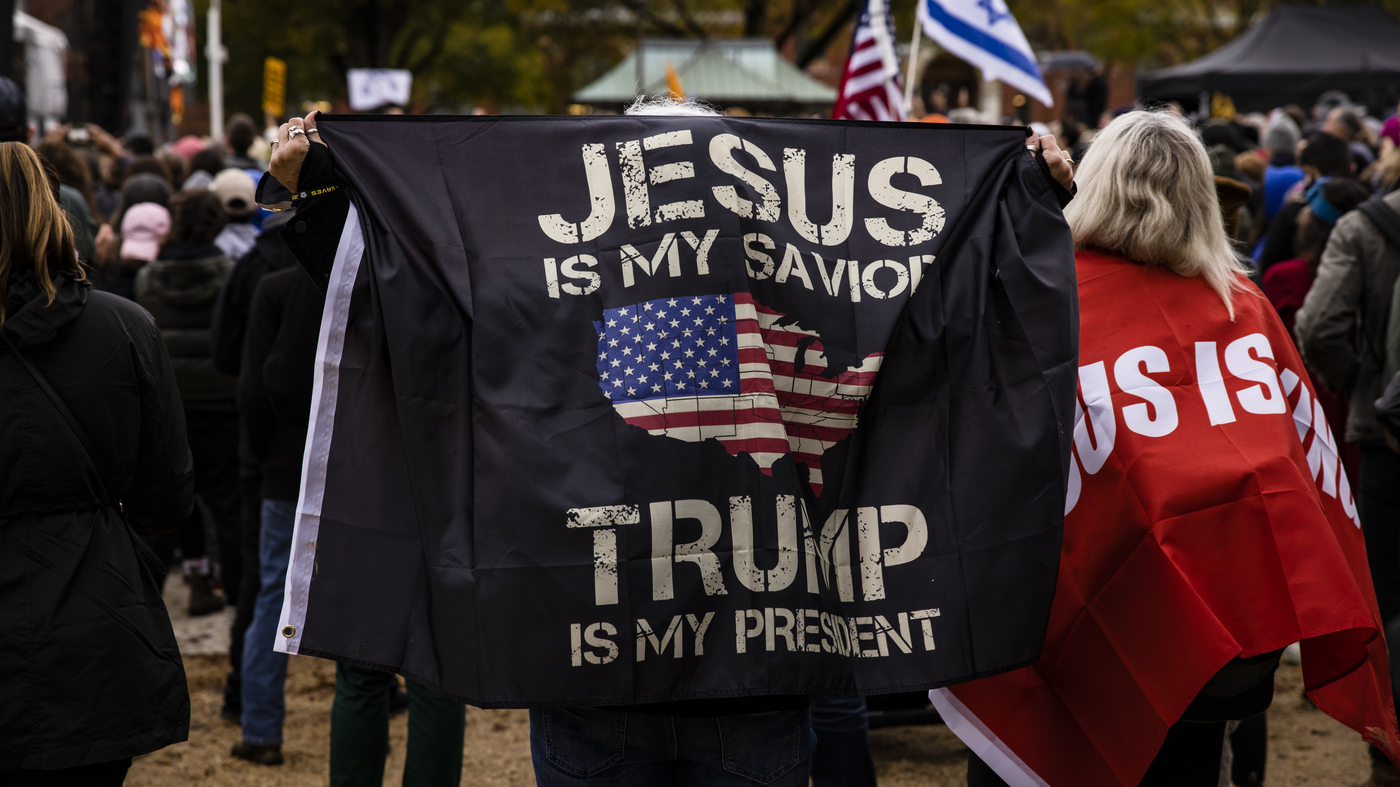
The question of Jesus' skin color is gaining significance, with many scholars suggesting he was likely a brown-skinned, brown-eyed man, challenging traditional depictions of a White Jesus. The debate over Jesus' color is relevant due to a movement to replace the White Jesus in churches and the association of White Christian nationalism with the traditional image. Some argue that Jesus' color matters for historical and social justice reasons, while others believe his message transcends physical appearance. The discussion reflects a broader societal conversation about race, identity, and the portrayal of historical figures.
NPR political correspondent Sarah McCammon, who grew up in an evangelical Christian community, discusses her personal journey of leaving the evangelical church and her observations on the culture of Christianity. Her new book, "The Exvangelicals: Loving, Living, and Leaving the White Evangelical Church," explores the social movement of young people disillusioned with the church. McCammon reflects on the difficulty of defining "evangelical," her upbringing with a Christian worldview, her community's beliefs about pregnancy and abortion, and the challenge of filling in the gaps left from her upbringing as she distanced herself from the church.
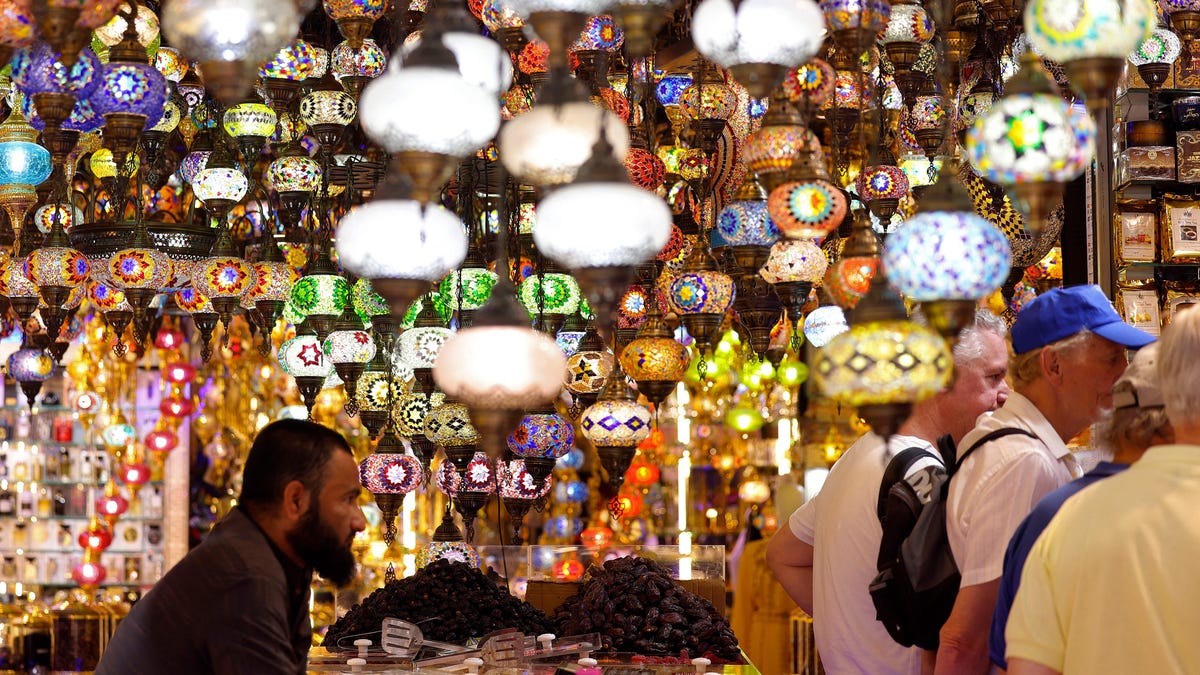
Muslims around the world are preparing for Ramadan, a month of fasting, spirituality, and reflection, which is expected to start around March 11, 2024, and end on April 9, 2024. During Ramadan, Muslims fast from sunrise to sunset, engage in extra prayers, and focus on personal and spiritual development. The last ten nights are considered especially sacred, with Laylat Al-Qadr falling on one of those nights. Muslims also increase charity and come together for iftar meals and celebrations, culminating in the festive holiday of Eid Al-Fitr.
Savannah Guthrie opens up about the challenges of writing her new book on faith, "Mostly What God Does: Reflections on Seeking and Finding His Love Everywhere," sharing her personal struggles, doubts, and the importance of hope. She discusses her intimate relationship with God, her battles with anxiety, and addresses tough questions about suffering and doubt. Guthrie emphasizes that faith and doubt are not opposites, but rather go hand in hand, and expresses her belief in the power of hope, even in the face of uncertainty about the existence of Heaven.
Lakewood Church in Houston resumed services a week after a shooting incident, with Pastor Joel Osteen emphasizing "restoration and healing" and declaring that "faith is going to win" over fear. The church welcomed back congregants for multiple services, including a special family service for children. The shooting, which resulted in the death of the suspect and injuries to a 7-year-old boy and a 47-year-old man, is still under investigation by law enforcement.
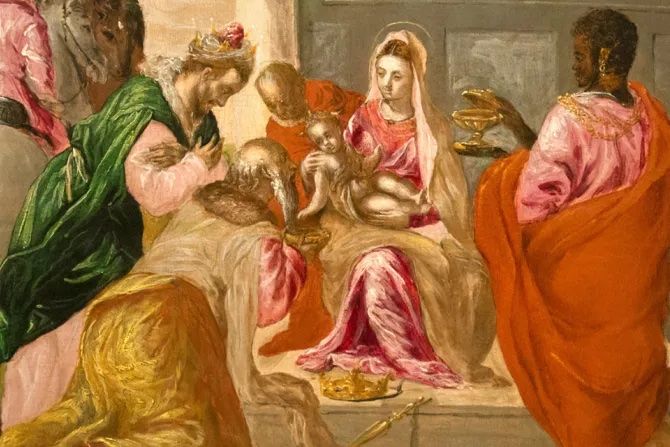
The article by ACI Prensa Staff discusses seven lesser-known facts about the Three Wise Men and the Epiphany, a Christian feast day celebrated on January 6th. It explains that the Epiphany is one of the oldest Christian feast days and traditionally marks three manifestations of Jesus. The date was likely chosen to coincide with pagan celebrations and later became associated with the visit of the Magi to the infant Jesus. The Wise Men, often depicted as kings, may have been more numerous, and their names, physiognomies, and the gifts they offered have evolved over time. The star that guided them is thought to have been a conjunction of planets. These insights provide a deeper understanding of the historical and theological context of the Epiphany and the Magi's significance in Christian tradition.
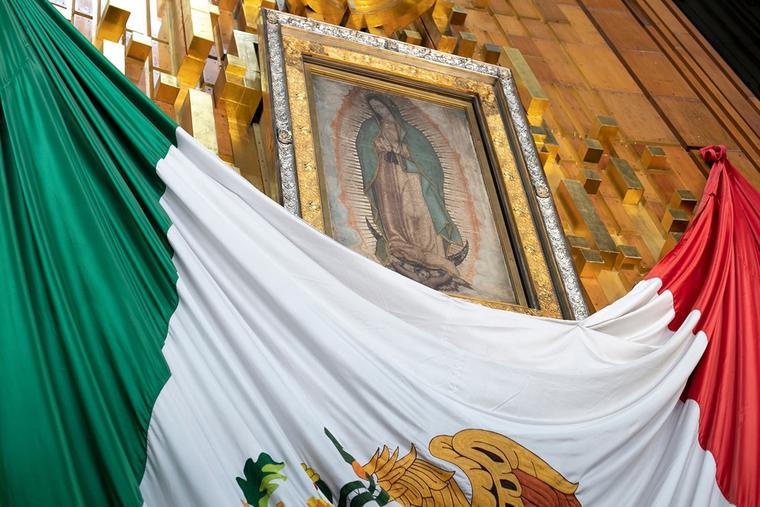
The book "Guadalupe and the Flower World Prophecy" by Joseph Julián González and Monique González explores the theory that the mass conversion of Indigenous people to Catholicism following the apparition of Our Lady of Guadalupe in 1531 was influenced by the storytelling traditions of the Nahua people. The authors argue that the story of Juan Diego's encounters with Mary, told through song in the Nahuatl language, resonated with the Indigenous population due to its similarities to their own spiritual traditions, particularly the mythic paradise known as the "Flower World." The book presents a compelling anthropological argument for the unprecedented wave of Christian conversions during that time.