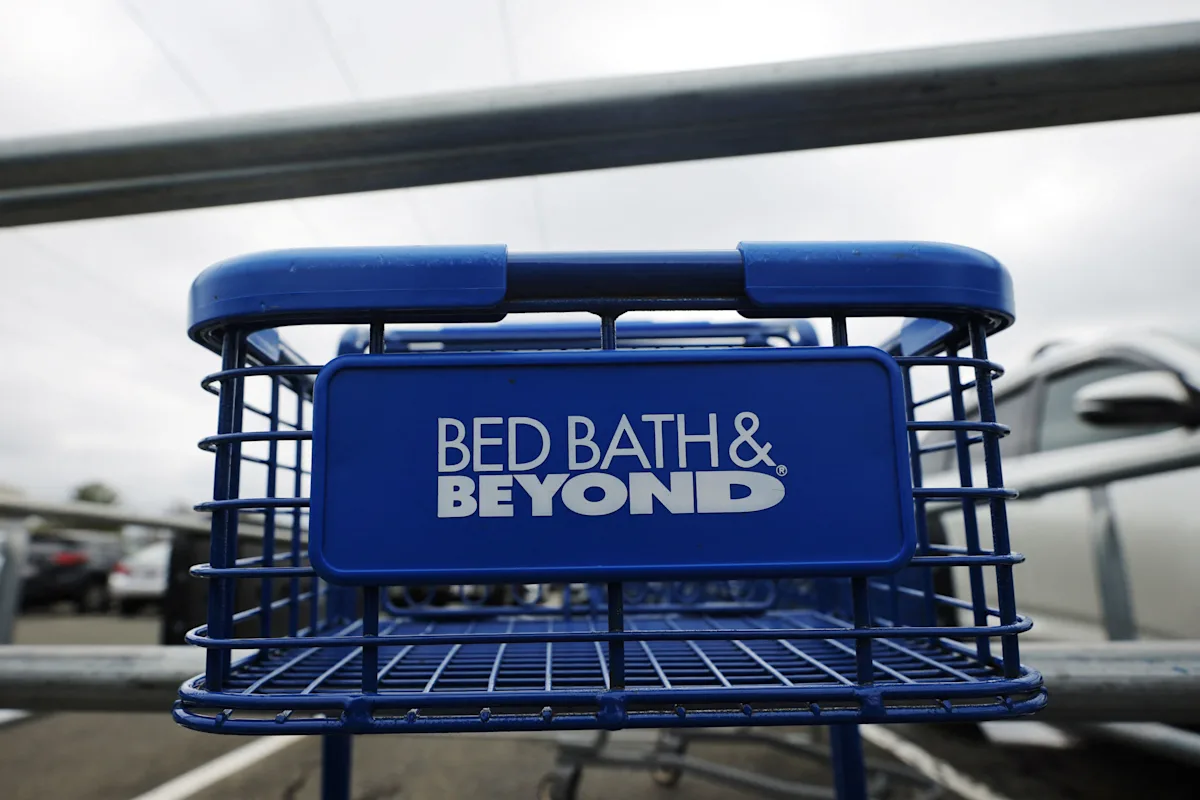
Bed Bath & Beyond announced it will not open stores in California, citing overregulation and high costs, as part of its comeback after bankruptcy, with the company's leadership criticizing California's regulatory environment and focusing on opening smaller stores elsewhere.
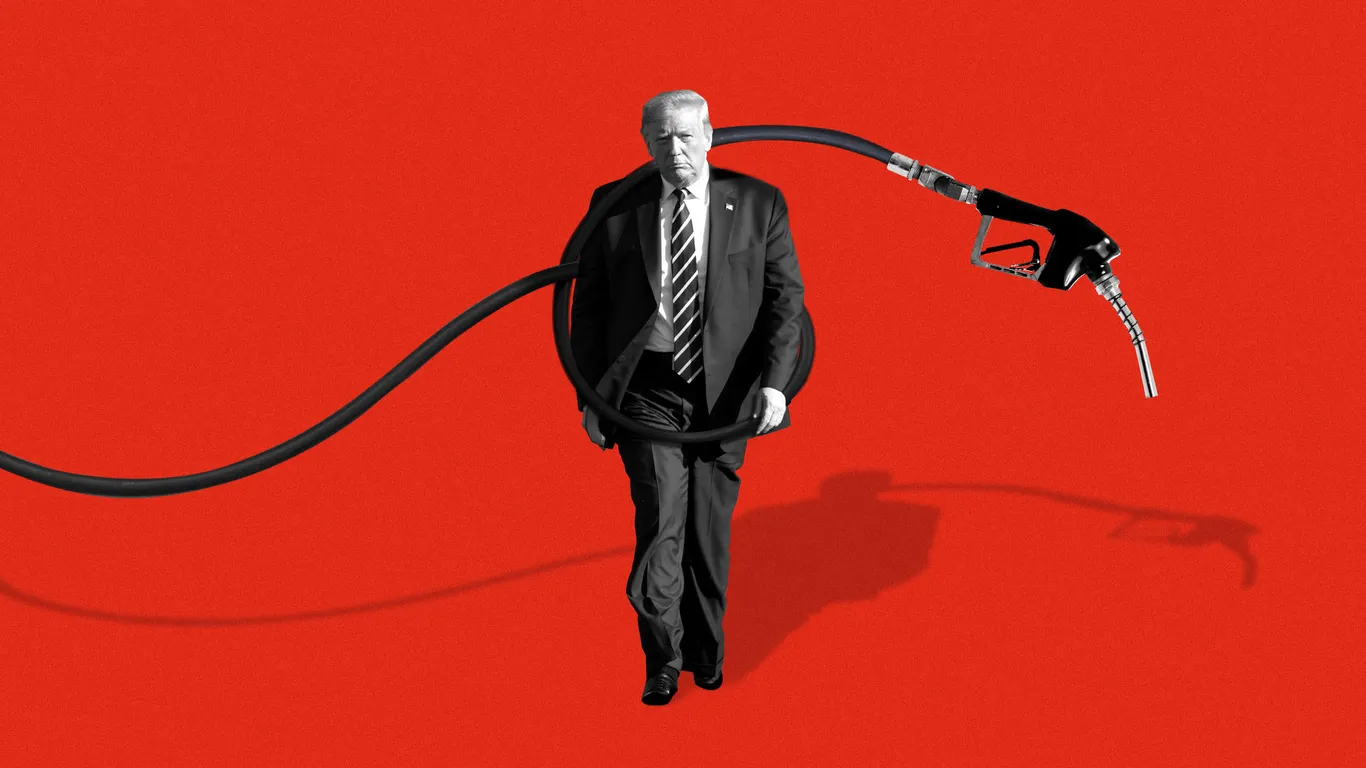
The U.S. auto industry, particularly General Motors, Ford, and Stellantis, is benefiting from President Trump's deregulation and tariff policies, which reduce costs and allow them to focus on profitable trucks and SUVs, despite ongoing trade negotiations and the rollback of Biden-era EV incentives.
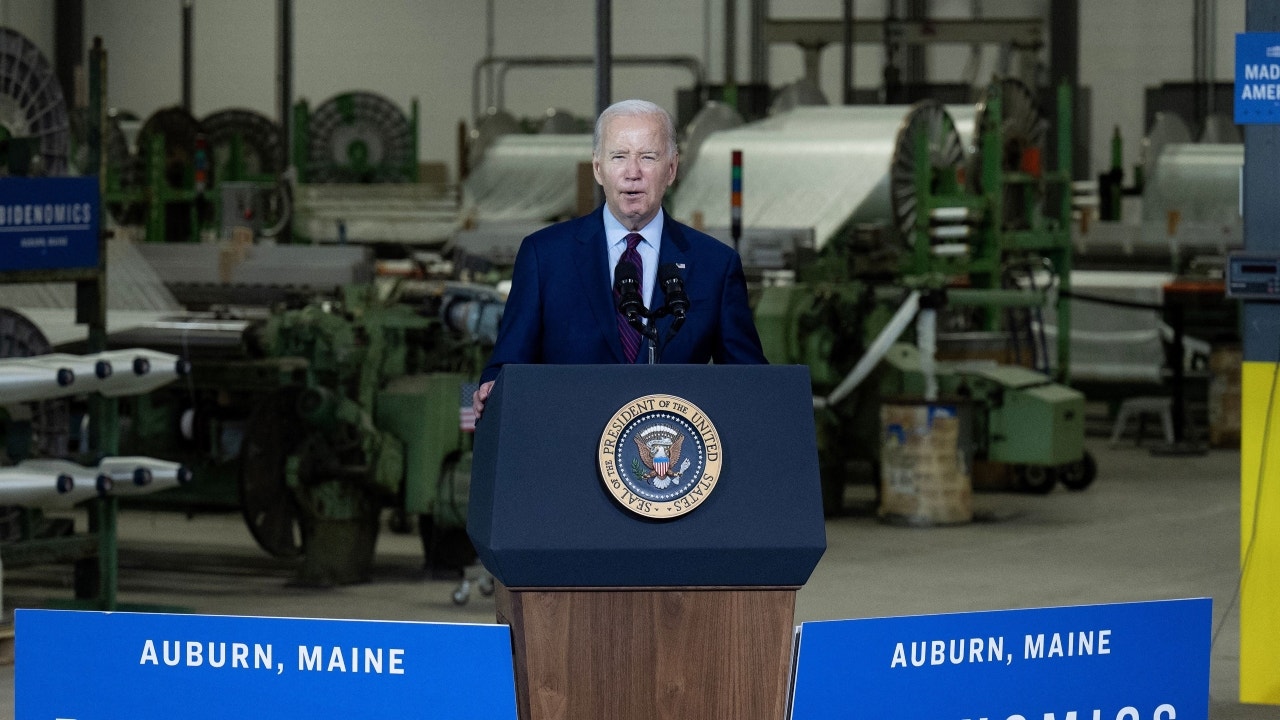
The National Association of Manufacturers (NAM) released a survey showing that American manufacturers are concerned about the impact of regulatory and tax policies, with two-thirds stating that the Biden administration's regulations will be costly to implement. The survey also revealed worries about the expiration of tax incentives, with nearly 40% of respondents pulling back on hiring and investing due to increased taxes. NAM emphasized the need for constructive policies to strengthen the industry, including reinstating key tax provisions, achieving immigration solutions, and advancing permitting reform.
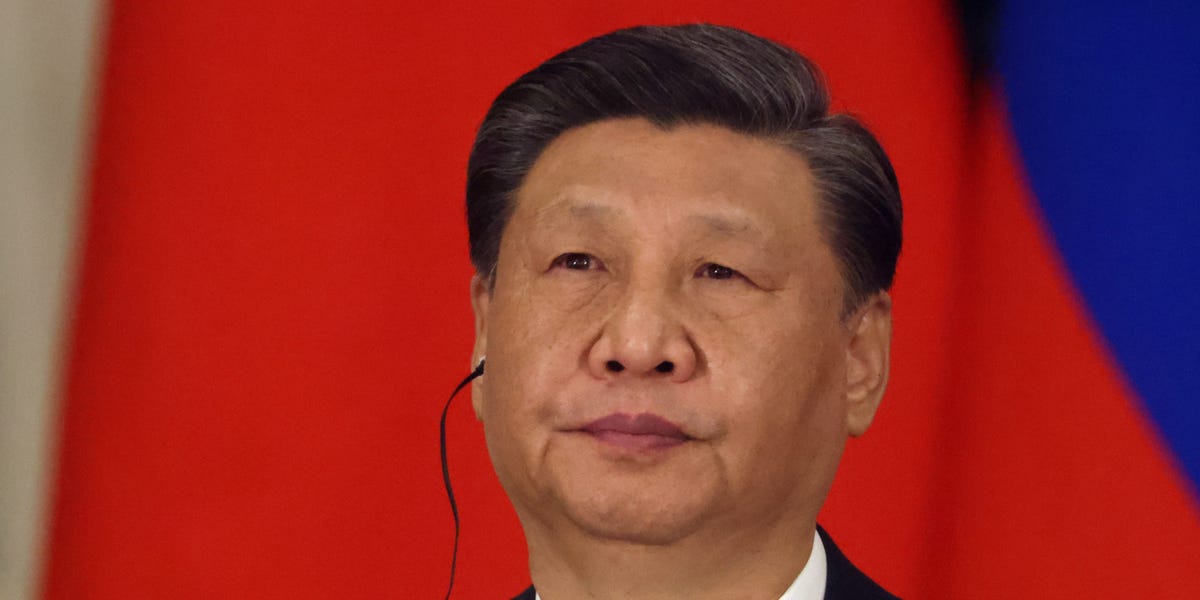
China's recent Central Economic Work Conference suggests a hint of remorse over its overzealous crackdown on private enterprise and implementation of growth-negative policies. The conference's official readout emphasizes the need to prioritize economic development and establish new plans before addressing existing issues. This marks a shift in approach and indicates a more cautious stance on implementing new policies that could destabilize markets. However, China remains committed to its economic objectives of higher quality growth, increased security, and innovation. Market watchers are disappointed by the lack of announced stimulus to boost consumption, and while some predict a potential economic acceleration in the first quarter of 2024, others believe it may be insufficient.