Apple has blocked the sale of translation AirPods in the EU due to regulatory issues, amidst broader discussions about EU tech regulations and standards, with EU officials emphasizing their independence in setting digital and environmental rules.
Research from Binghamton University reveals that the ingredients listed on tattoo ink labels often do not match what's actually in the bottle, with 90% of analyzed inks showing major discrepancies. Unlisted substances such as polyethylene glycol and propylene glycol were found, posing potential health risks. The study highlights the need for better labeling and manufacturing practices, especially as the FDA begins to regulate tattoo inks under the Modernization of Cosmetics Regulation Act.
Meta's fourth-quarter revenue soared to $40.1bn, up 25% year-over-year, leading to a 12% surge in shares. The company announced its first-ever dividend for investors and a $50bn share buyback program. Mark Zuckerberg emphasized the focus on advancing AI and the metaverse, with plans to invest heavily in AI and acquire $9bn worth of Nvidia chips. Despite regulatory concerns and losses in its Reality Labs segment, Meta is pivoting to integrate AI into its core products to enhance advertising revenue and support new initiatives.
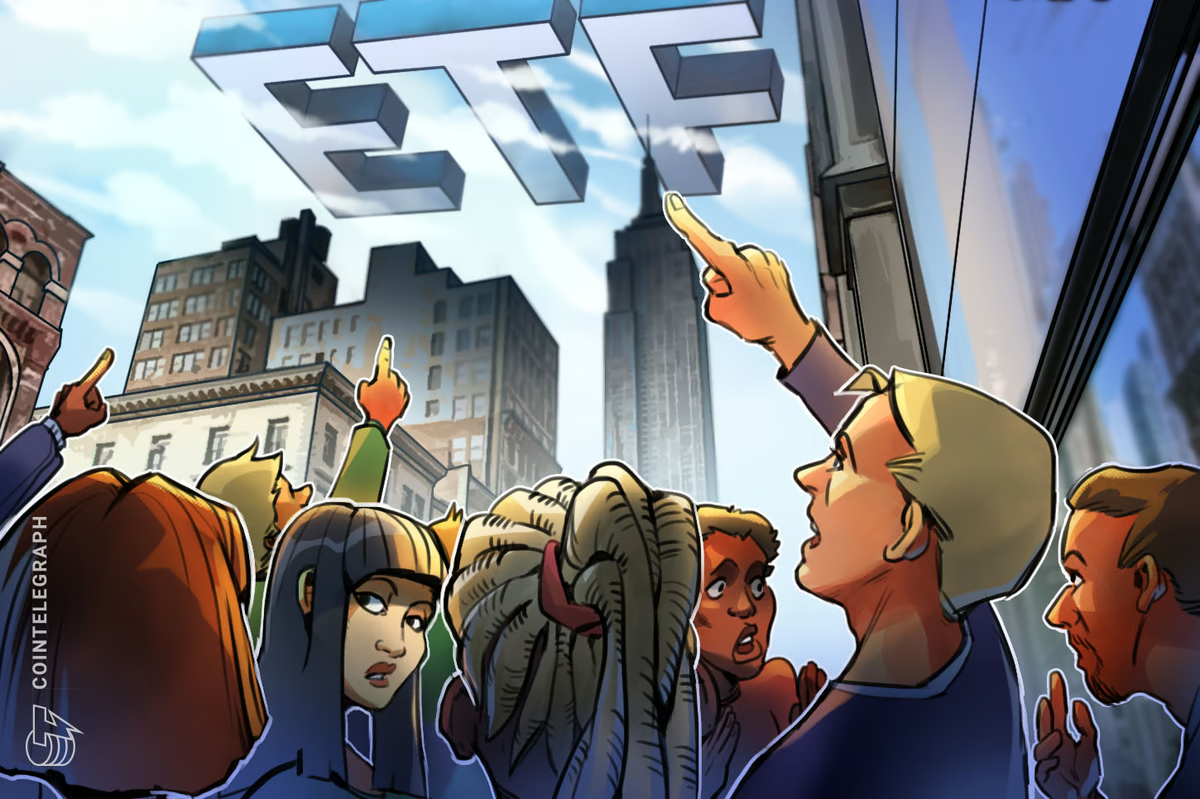
The cryptocurrency community is excited about the potential launch of a spot cryptocurrency exchange-traded fund (ETF) in Hong Kong, as it could be a significant development in the economic competition between the US and China. BitMEX co-founder Arthur Hayes believes that competition between the two economies will eventually benefit Bitcoin. Coin Bureau and crypto influencer Lark Davis also highlighted that Hong Kong's move into spot Bitcoin ETFs shows that China doesn't want to miss out on crypto opportunities. Hong Kong is considering allowing retail investors to access spot ETFs linked to cryptocurrencies like Bitcoin, provided regulatory concerns are met. This comes as at least a dozen investment firms in the US seek to launch similar products, despite pushback from the Securities and Exchange Commission.
Google parent company Alphabet is set to report its Q3 earnings, providing insights into the health of the digital advertising market and the impact of its AI advancements on its cloud and enterprise businesses. The company is facing regulatory challenges, including antitrust suits and investigations, while also competing with Amazon and Microsoft in the cloud computing market. Analysts expect revenue growth in the advertising segment and the cloud business, although the latter's growth rate has been slowing. Google's performance will be closely watched as it is seen as a bellwether for the industry.
Meta, the owner of Facebook and Instagram, is heavily focused on AI as it looks for the next phase of growth. Optimizing AI in its advertising offerings may be the catalyst that gets Meta's stock back to its all-time high. However, regulatory concerns, particularly from European regulators, pose a potential challenge for the company. Despite this, Wall Street analysts remain optimistic about Meta's future, with the consensus being that the stock still has room to grow.
Microsoft has submitted a new proposal to U.K. regulators for its takeover bid of Activision Blizzard after its initial proposal was rejected. Microsoft's vice-chairman and president, Brad Smith, stated that they have taken the concerns of regulators seriously and have worked to address them. The U.K.'s Competition and Markets Authority will now investigate the new proposal, with a decision deadline of October 18. Under the new deal, Microsoft will not acquire cloud rights for existing Activision PC and console games, or for new games released by Activision for the next 15 years. French gaming publisher Ubisoft will acquire those rights before Microsoft's acquisition of Activision. Smith believes that this transaction can advance competition and address regulatory concerns. Ultimately, it will be up to the regulators to decide whether the path is clear for the takeover.
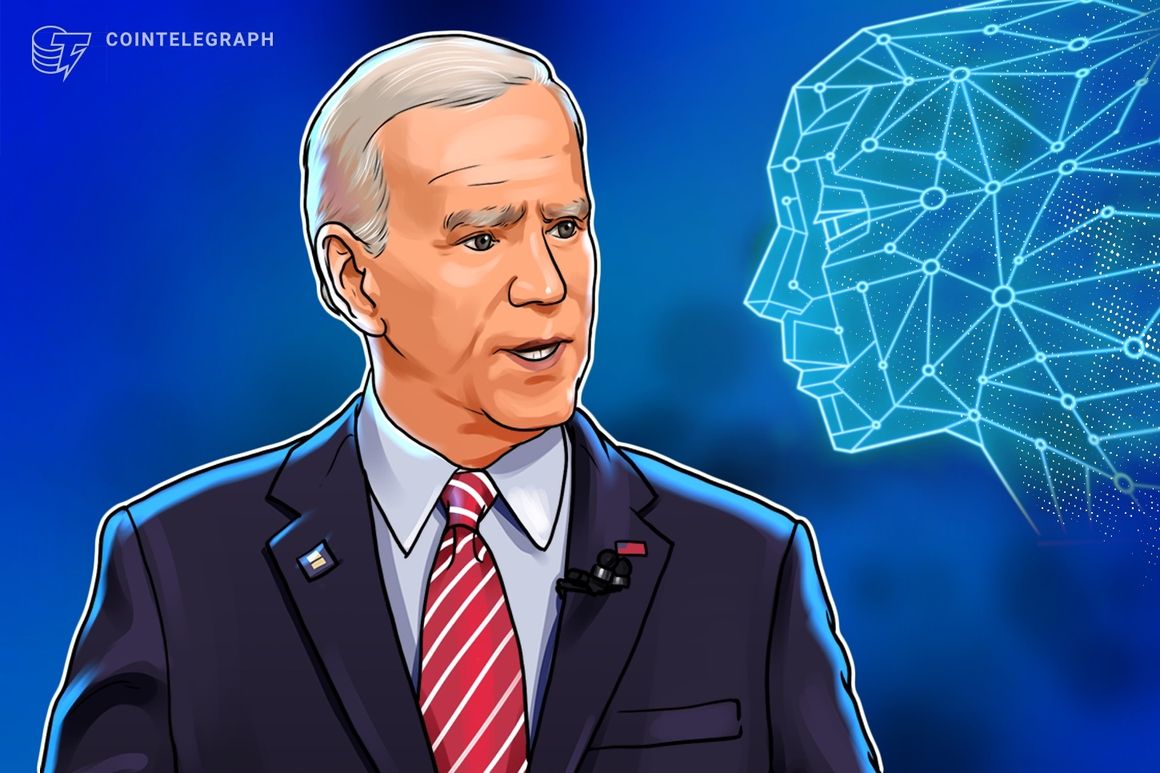
The crypto community has expressed criticism of the new crypto tax reporting rules proposed by President Joe Biden, with many believing that the stringent regulations will hinder the growth of the crypto industry in the United States. Prominent figures in the industry, such as Messari CEO Ryan Selkis and CoinFund President Chris Perkins, argue that the rules will push innovation and investment away from the country. Some users expressed skepticism that neither the Democrats nor the Republicans would adequately support crypto interests, while others raised concerns about privacy and the need for tailored regulations. The crypto industry has repeatedly voiced concerns about regulatory choices affecting innovation within the nation.
Canada's Competition Bureau has disputed Microsoft's claims that "all but one" regulator worldwide has approved its $68.7 billion acquisition of Activision Blizzard. The Bureau has written to the US Federal Trade Commission (FTC) to correct "factual inaccuracies" in Microsoft's court filings, stating that it still has concerns about the deal's impact on competition in gaming consoles and multigame subscription services. While many regulators have approved the deal, including Europe, Canada and the UK's Competition and Markets Authority remain skeptical. The FTC is currently battling Microsoft in court to block the acquisition.
Bitcoin's price surged to over $31,400, reaching its highest level since 2021, driven by growing institutional interest. The recent rally faces uncertainties regarding the sustainability of its gains due to regulatory concerns and macroeconomic factors contributing to the prevailing uncertainty. However, the launch of a digital asset trading platform by EDX Markets and BlackRock's application to register a Bitcoin spot ETF have instilled investor confidence in the crypto space. Crypto trading expert Michaël van de Poppe expressed doubts about the cryptocurrency's ability to sustain its rally but noted that if Bitcoin experiences a minor correction to around $28,500, it will present an ideal opportunity to accumulate the asset.
Major cryptocurrencies are trading mixed amid ongoing regulatory concerns and macroeconomic uncertainties. The global crypto market capitalization stood at $1.13 trillion, an increase of 0.37% over the last day. Analysts are hesitant to enter the crypto markets due to recent meme coin rallies, which they believe suggests the end of this year’s upward trend. Bitcoin traders are eagerly waiting for a big breakout, with one analyst predicting a strong rally that will take it to new levels and last until July.
Accounting firm EY has abandoned its plan to split its audit and consulting units, which was aimed at addressing regulatory concerns over potential conflicts of interest. The plan, known as "Project Everest", faced resistance from some of EY's partners. The UK's Financial Reporting Council had asked the Big Four firms to separate auditing as a standalone business in Britain by June 2024.
Bitcoin's dominance rate in the crypto market has risen to 48.5%, the highest since July 2021, while Ethereum's dominance rate remains stagnant between 19% and 20%. This comes ahead of Ethereum's highly anticipated Shanghai upgrade, which is set to occur on Wednesday and has been hailed as long-term bullish for Ethereum's native token. However, investor caution in pricing ether ahead of Shanghai stems from concerns about tokens flooding the market and regulatory issues. Meanwhile, recent banking sector instability in the US has benefited bitcoin, which has evolved as a macro asset and has a history of drawing haven bids during banking crises.
Microsoft has signed a ten-year agreement with Japanese cloud gaming company Ubitus to stream Xbox PC Games and Activision Blizzard titles after the acquisition closes, in an attempt to allay regulatory concerns around its proposed acquisition of Activision Blizzard. Ubitus powers many of the cloud games available on Nintendo Switch. This is Microsoft's second announcement this week for a third-party cloud gaming platform. The Xbox owner is trying to convince global regulators to approve the proposed acquisition of Activision Blizzard amid concerns that it could build a monopoly in cloud gaming.